
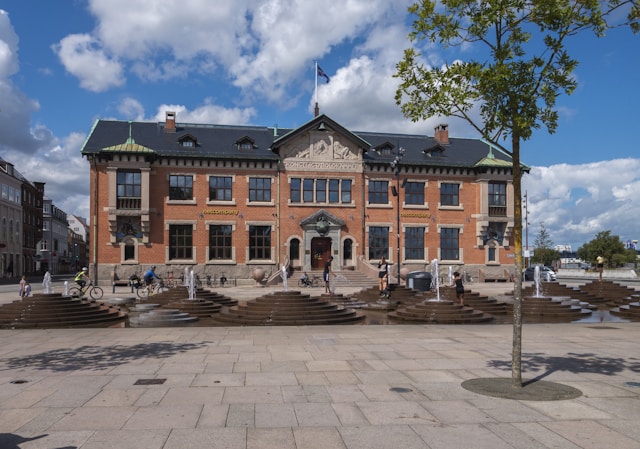
Toldkammer Aalborg
In Aalborg, Denmark .
More places to visit in Aalborg
Discover more attractions and things to do in Aalborg.
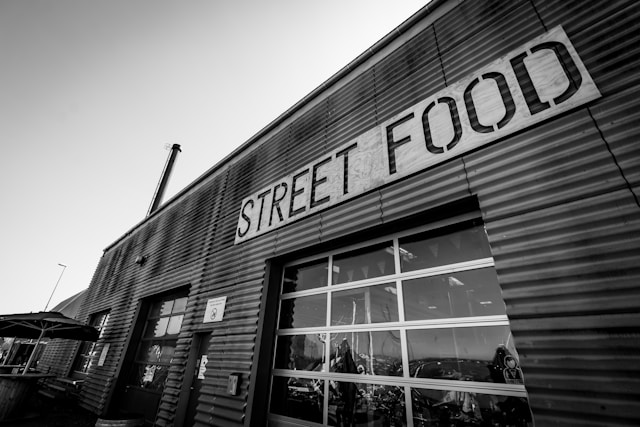
Aalborg Street Food
Housed beneath a former bus garage’s concrete arches on the waterfront, Aalborg Street Food is a vibrant culinary collective that redefines dining in northern Denmark. Since its opening in 2017 , the market has hosted over twenty rotating vendors dishing out global specialties— Mexican tacos , wood-fired Neapolitan pizza, Japanese ramen, and Caribbean jerk chicken—all served at communal picnic tables. A central bar pours regional craft beers, fine wines, and bespoke mocktails, while live open-mic nights and DJ sets underscore the festive atmosphere. The industrial-chic décor, with exposed steel beams and Edison bulbs, mirrors Aalborg’s creative spirit. As the sun dips over the Limfjord, strings of lights transform the space into an al-fresco feast hall where locals and travelers converge. Weekly food workshops teach techniques from sushi rolling to artisan bread baking, making Street Food both a feast for the palate and a hub of urban revitalization.
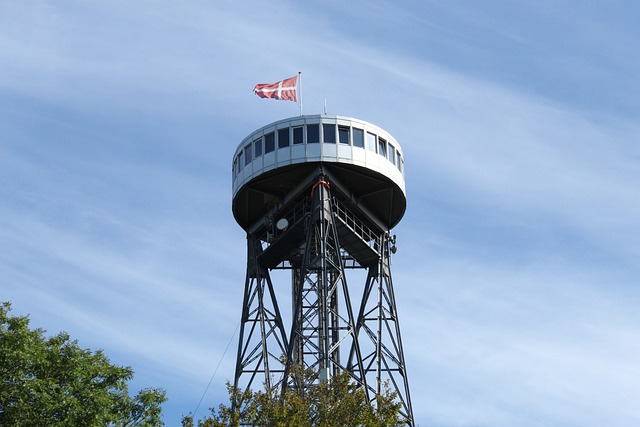
Aalborg Tower
Soaring 55 meters above Kraagerup Park , Aalborg Tower offers one of the most breathtaking panoramas in northern Denmark. Completed in 1933 , its sleek concrete spire conceals a high-speed elevator that whisks visitors to a glass-clad observation deck in mere seconds. From the expansive viewing platform , guests can pick out landmarks such as Budolfi Cathedral’s twin spires, Jens Bangs Stenhus, and the shimmering channels of the Limfjord. Informative plaques narrate Aalborg’s evolution—from medieval market town to modern seaport—while coin-operated telescopes invite close-up glimpses of passing tall ships and cargo vessels. The adjoining café serves locally roasted coffee and Limfjord-inspired pastries, all framed by floor-to-ceiling windows. As dusk falls, the city’s lights unfurl like constellations beneath your feet. Guided history tours enrich the experience with tales of the tower’s original design and its role as a beacon for travelers. Aalborg Tower remains a cherished observation landmark, linking past and present in one sweeping outlook.

Aalborg Zaoo
Aalborg Zoo is one of Denmark's largest and most popular zoos, attracting visitors from all over the country. The zoo is home to a diverse range of animals from around the world, including African elephants, polar bears, tigers, and red pandas. The zoo focuses on conservation and education, offering visitors the chance to learn more about the animals and their habitats. One of the main attractions is the African Savannah exhibit, where visitors can observe giraffes, zebras, and antelopes in a large, naturalistic environment. Aalborg Zoo also offers various activities and events throughout the year, such as feeding times, children's playgrounds, and themed events like Halloween and Christmas. It's a perfect family destination in Aalborg.
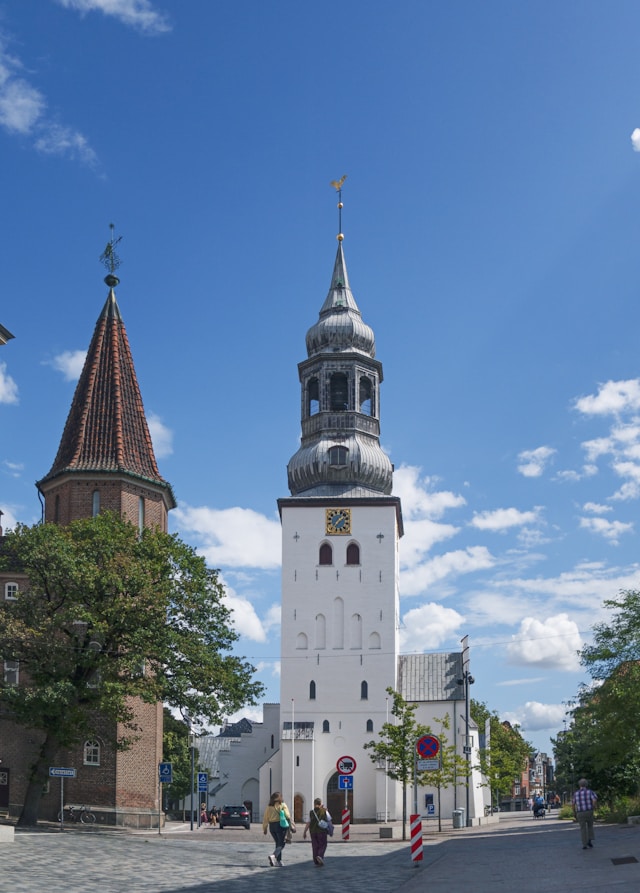
Budolfi Cathedral
Dominating Aalborg’s skyline, Budolfi Cathedral—dedicated to Saint Botolph —stands as a Gothic masterpiece whose origins trace to the 14th century . Its twin spires, added in 1772 , soar above massive granite walls hewn from local quarries. Inside, a vaulted nave glows beneath stained-glass windows ranging from medieval shards to modern commissions. Richly carved oak choir stalls from the Renaissance flank the chancel, while a towering baroque pulpit and granite baptismal font reflect centuries of artistic patronage. The cathedral houses a renowned 50-stop organ , whose resonant notes fill the space during choral concerts. Guided heritage tours uncover hidden crypts and fresco fragments previously concealed under plaster. Each summer, the precinct’s concert series draws audiences to candlelit performances beneath soaring arches. Budolfi Cathedral continues its dual role as a living parish church and an enduring testament to architectural evolution and spiritual continuity.
Jens Bangs Stenhus
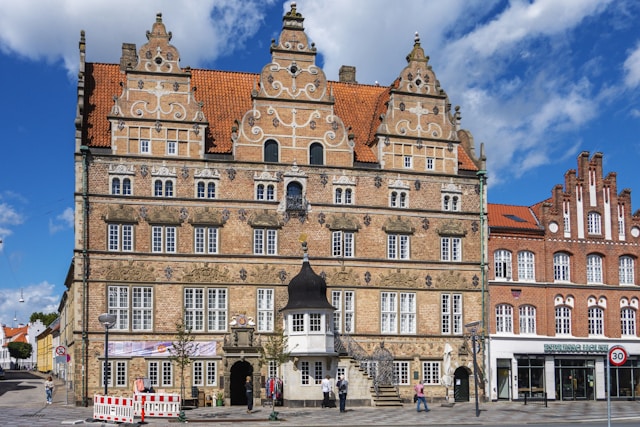
Erected in 1624 by affluent merchant Jens Bang, Jens Bangs Stenhus stands as Aalborg’s finest example of Renaissance elegance . This five-story stone mansion boasts an ornate façade decorated with sculpted medallions, high gables, and intricate reliefs that celebrate its owner’s success. Inside, winding oak staircases ascend past mullioned windows overlooking the bustling square below. The vaulted sandstone courtyard portal leads into chambers where historic trade deals were inked on parchment and sealed with wax. Today, guided tours reveal preserved period plasterwork , original fireplace mantels, and tales of Bang’s daring Baltic voyages. During cultural festivals, costumed interpreters reenact marketplace negotiations and maritime adventures in the Great Hall. From its rooftop vantage, the Stenhus frames panoramic views of Aalborg’s red rooftops and church spires, anchoring the modern cityscape in a storied past. Jens Bangs Stenhus remains a crown jewel of Danish urban heritage, where commerce, craftsmanship, and domestic grandeur converge.
Jomfru Ane Gade
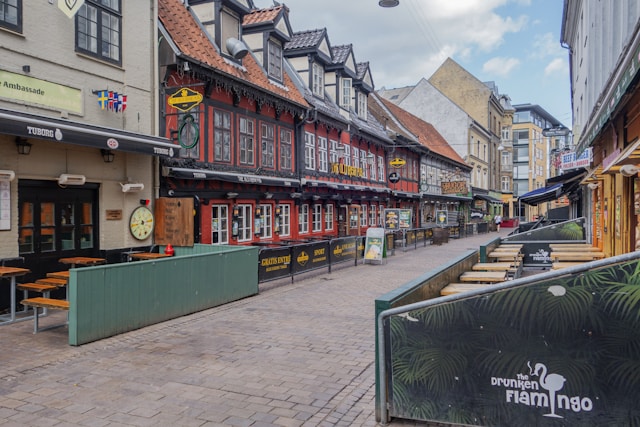
Jomfru Ane Gade crackles with nightlife energy as Aalborg’s premier entertainment thoroughfare. Stretching through the historic city center , this cobblestone street has evolved from merchant lanes into a nonstop festival of bars, nightclubs, and live-music venues. By afternoon, sunlit cafés and bistros offer open-faced sandwiches and strong espresso beneath pastel façades. Once dusk arrives, neon signs ignite, beckoning crowds to sample craft beers and signature cocktails at sleek rooftop lounges. Street-food carts serving gourmet tacos and Korean BBQ line the sidewalks, while DJs spin electronic beats that drift between converted merchant houses. Despite the pulsing modern vibe, narrow medieval alleys peek between buildings, hinting at centuries-old urban roots. Seasonal events—from Halloween parades to Summer Jazz Nights—transform the street into a kaleidoscope of costumes and live performances. Friendly locals and travelers alike gather at communal tables under strings of lanterns, forging new memories in an atmosphere of unabashed revelry. A stroll down Jomfru Ane Gade reveals Aalborg’s dynamic fusion of heritage, hospitality, and hedonistic fun.
Kunsten Museum of Modern Art
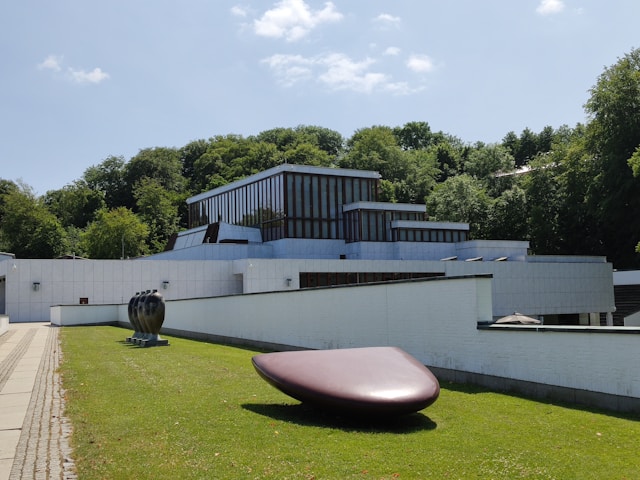
Kunsten Museum of Modern Art stands as a testament to Nordic modernism on Aalborg’s waterfront. Designed by Alvar Aalto and inaugurated in 1972 , its white concrete walls and curving glass façades bathe the interior in natural light. Inside, three floors of contemporary exhibits showcase Danish and international works in painting, sculpture, and new media. The permanent 20th-century collection features seminal abstract canvases and avant-garde installations, while rotating exhibitions explore themes from digital culture to sustainability. Outside, the sprawling sculpture park displays monumental pieces set against manicured lawns. Interactive workshops and family programs invite visitors to experiment with printmaking and digital art under the guidance of local artists. The minimalist café overlooks the Limfjord, offering Nordic-inspired light fare in a space punctuated by Aalto-designed furniture. Special architecture tours highlight Aalto’s masterful play of form, light, and material, making Kunsten both a gallery and a design laboratory.
Lindholm Hoje
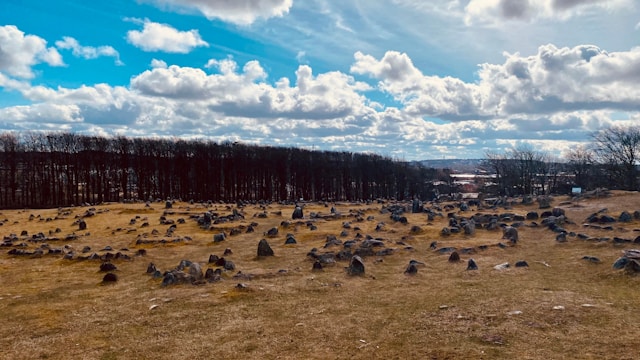
Perched atop rolling heathland north of Aalborg, Lindholm Hoje preserves more than 700 Viking graves dating from the 8th to 11th centuries . These weathered stone settings, arranged in oval and ship-shaped formations, mark the final resting places of seafaring Norsemen. The adjacent archaeological museum houses harness fittings, combs, and jewelry unearthed during meticulous digs and traces early Viking life through interactive exhibits. A reconstructed longhouse offers visitors an immersive glimpse into daily routines—from woodcraft to communal feasting on smoked fish. Seasonal living-history events bring the past to life with costumed reenactors smithing tools and sailing replica longships on the fjord. Between interpretive panels explaining burial rites and sweeping views across the Limfjord, Lindholm Hoje underscores why this ridge once commanded strategic importance. As Denmark’s most evocative historic landscape, it bridges centuries of memory and modern discovery, inviting all who wander its ancient paths to stand in the shadow of Viking kings.
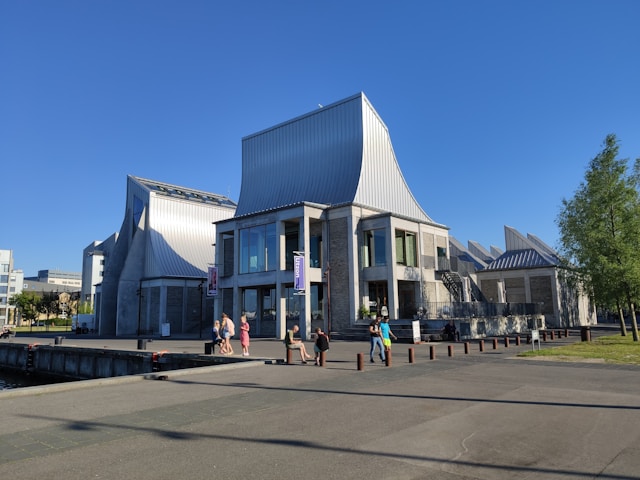
Utzon Center
Named for visionary architect Jorn Utzon , designer of the Sydney Opera House , the Utzon Center anchors Aalborg’s harborfront with its sweeping concrete curves and expansive glass façades. Completed in 2008 , the center’s undulating rooflines echo maritime masts, creating a dynamic silhouette against the fjord. Inside, rotating architectural exhibitions chart Utzon’s global projects alongside cutting-edge design installations. The lecture hall hosts renowned symposiums on sustainable architecture and urban planning, drawing professionals and students worldwide. A hands-on workshop studio empowers local youth to craft 3D-printed prototypes, forging tomorrow’s design leaders. Guided harbor tours illustrate the symbiosis between built form and maritime heritage. The on-site café, furnished with Utzon-designed pieces, overlooks cargo ships and sailboats, serving Nordic-inspired cuisine in airy minimalism. The Utzon Center remains a beacon of innovation , bridging Aalborg’s industrial past with a forward-looking design vision.