
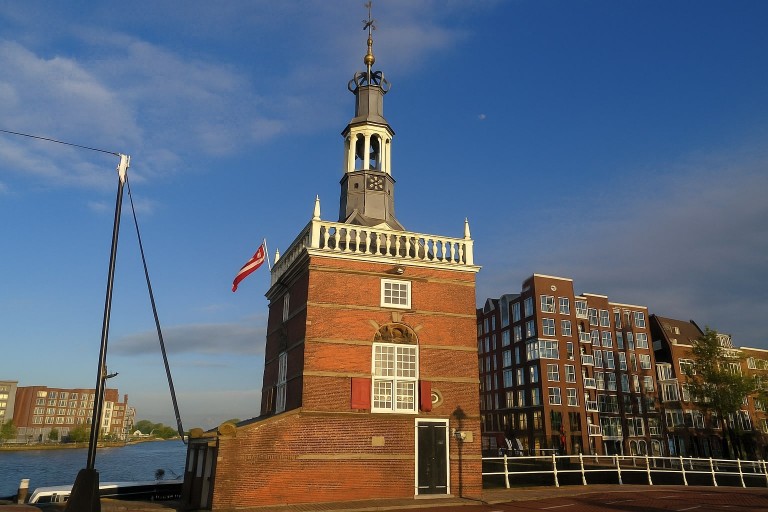
Accijnstoren
In Alkmaar, Netherlands .
More places to visit in Alkmaar
Discover more attractions and things to do in Alkmaar.
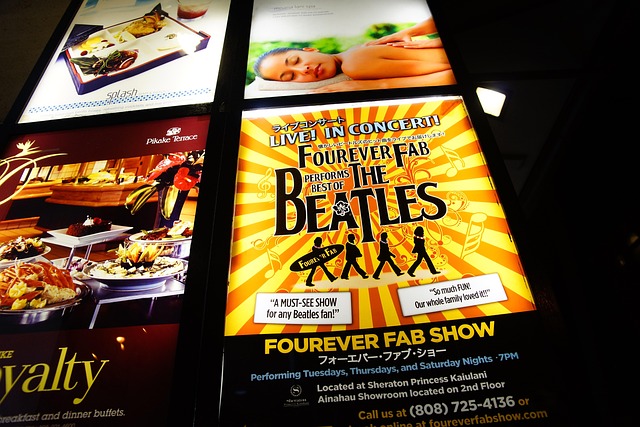
Beatles Museum
Few expect to find the world’s largest private Beatles collection in Alkmaar, but the Beatles Museum is a pilgrimage site for music lovers. The museum’s founder, Edwin Petersen , started collecting in the 1970s , amassing rare records , memorabilia, and even John Lennon’s school desk. Among hundreds of artifacts are gold records, guitars, autographs, and the famous Sgt. Pepper drum. The museum traces the 1960s explosion of Beatlemania and its influence on Dutch youth culture. Visitors can play vintage jukeboxes, see handwritten lyrics, and spot quirky fan art. Regular live performances pay tribute to the Fab Four, and the gift shop stocks collectibles found nowhere else. For those in the know, Alkmaar’s Beatles Museum is a surprising, must-see tribute to a timeless band. It is rumored that Paul McCartney once sent a letter of thanks for the museum’s devotion.
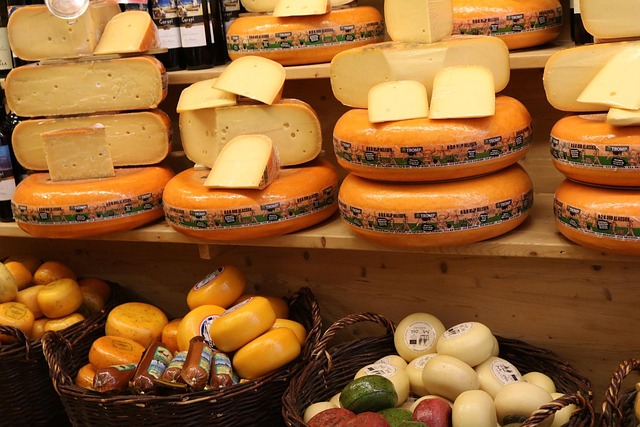
Cheese Market
Every Friday morning from April to September, Alkmaar's Cheese Market transforms Waagplein into a stage for tradition. Since the 16th century , cheese porters in white uniforms have weighed and traded massive wheels of Gouda and Edam by hand, maintaining rituals handed down through generations. The air hums with the sound of the Waag bell , and visitors marvel at the swift bargaining—a scene unchanged since the 1593 construction of the beautiful Weigh House . The market once controlled the economy of North Holland, and its lively atmosphere now draws thousands of onlookers. Children compete in cheese-carrying games, and market masters share the lore behind every wheel. Don’t miss the museum inside the Weigh House, where you can learn about ancient cheese-making techniques and sample varieties rarely found elsewhere. The market square buzzes with energy, a living link to Alkmaar’s golden past.
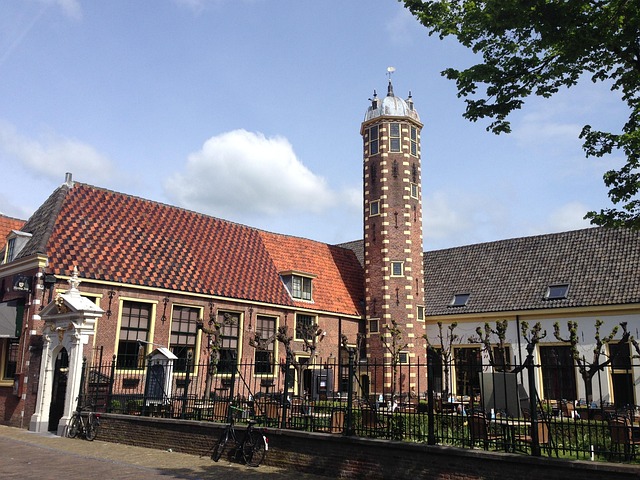
Hof van Sonoy
Hidden behind a high wall, Hof van Sonoy is a tranquil courtyard that once belonged to a 16th-century monastery . After the Reformation , it was transformed into homes for the city’s elderly and needy—a tradition that still echoes in the complex’s peaceful atmosphere. The entrance gate is adorned with the coat of arms of Diederik Sonoy , Alkmaar’s heroic defender during the Siege of 1573 . Carefully tended gardens, arched passageways, and ancient brick facades make this an oasis of calm just steps from busy streets. Residents tend flowers in centuries-old plots, and benches beneath fruit trees invite quiet reflection. The Hof’s history is told in plaques and guided tours, bringing the city’s social legacy to life. On certain days, the courtyard opens to visitors who marvel at the blend of living heritage and architectural beauty. A tiny chapel at the heart of the Hof hosts intimate concerts and readings.
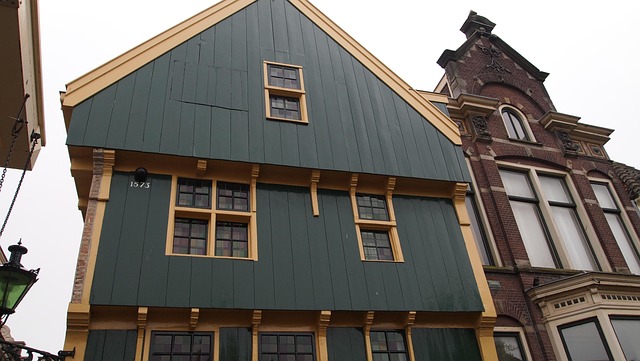
House with the Bullet
One of Alkmaar’s most intriguing historic houses, the House with the Bullet, wears its battle scar with pride—a Spanish cannonball still embedded in its façade since the Siege of 1573 . Located on Langestraat, this elegant merchant’s home was a silent witness to the city’s legendary defense during the Eighty Years’ War . The building’s stepped gable and intricate brickwork reflect the wealth of Golden Age Alkmaar. Inside, preserved wood beams and centuries-old tiles recall daily life in turbulent times. Guided tours reveal hidden staircases and a collection of historic weapons. Local legend claims that the cannonball, visible from the street, is a symbol of Alkmaar’s unbreakable spirit and clever resistance. Today, the house is a beloved photo stop for visitors tracing the footsteps of Dutch heroes. Each year, re-enactors in period costume commemorate the siege right outside its door.
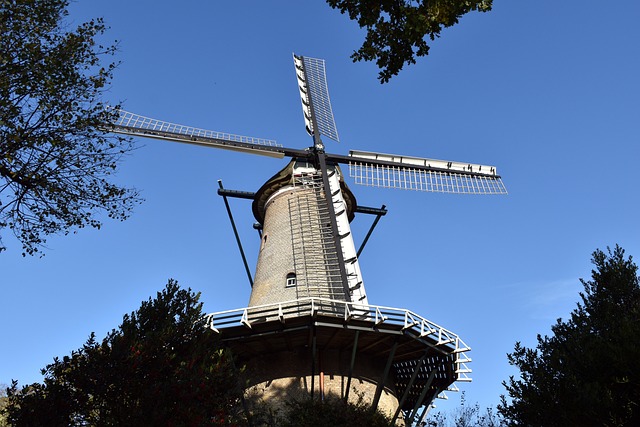
Molen van Piet
Molen van Piet is Alkmaar’s most beloved windmill, its sails slicing the sky since 1769 . Perched atop an old city bastion, it was once one of ten windmills grinding flour for the hungry townsfolk. The windmill still turns today, powered by strong North Sea winds, and locals swear the freshest bread comes from flour milled here. Visitors can explore the mill on special open days, learning about Dutch windmill engineering and meeting the current miller, who carries on a centuries-old craft. Each autumn, the mill is garlanded in lights for National Windmill Day, a spectacle not to be missed. Photographers flock here for panoramic views and iconic Dutch scenery. The mill is such a symbol of Alkmaar that it appears on city souvenirs and postcards. Nearby, a small shop sells artisanal baked goods made from its own flour.
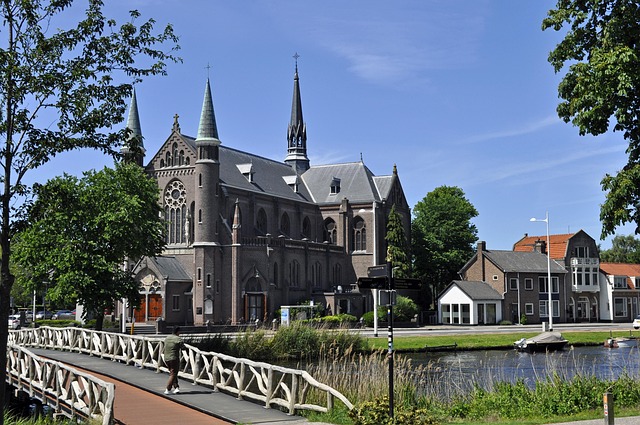
Sint Joseph Church
Sint Joseph Church is Alkmaar’s majestic Catholic sanctuary, rising in Neo-Gothic splendor on Nassaulaan since its completion in 1910 . Designed by architect Willem Margry , the church is famed for its soaring twin towers and intricate stained glass depicting local saints and biblical scenes. The church’s high vaulted ceilings and echoing acoustics make it a favorite venue for choral performances and seasonal concerts. During World War II , the crypt sheltered refugees, and parishioners secretly aided the resistance. Today, Sint Joseph’s gilded altars and marble columns are open to all, and visitors often light candles in memory of loved ones. The bells ring out daily, calling worshippers and curious travelers alike. Local lore says the church’s great rose window is best seen at sunset, when its colors flood the nave with magical light.
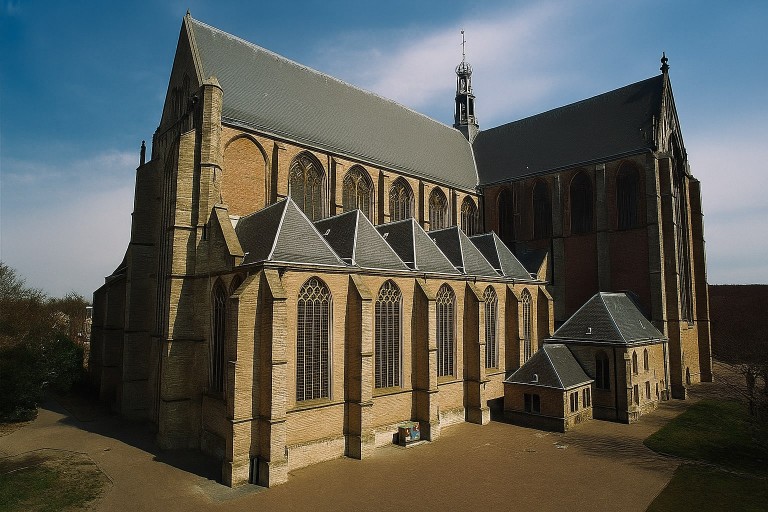
St. Lawrence Church (Grote Kerk)
St. Lawrence Church dominates Alkmaar's skyline with soaring Gothic towers and intricate stained glass. Completed in 1518 , it stands as a masterpiece of medieval architecture , famous for its dual Schnitger organs —the largest of their kind in the world, attracting world-renowned musicians. The church has survived the Siege of Alkmaar in 1573 , its bells ringing out to mark the city’s victory over Spanish forces. Inside, sunbeams dance across carved wooden vaults and centuries-old tombs of local notables. Art exhibitions and classical concerts fill the nave, blending ancient and modern life. Local legend claims the church’s massive doors once sheltered townsfolk during times of war. Each spring, tulips bloom in the churchyard, a symbol of hope and renewal. It is said that the church’s acoustics are so pure that even whispered prayers linger in the air.
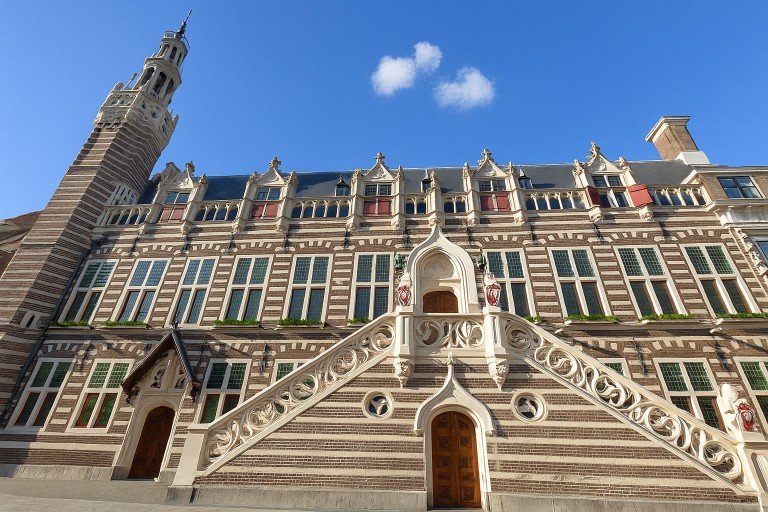
Stadhuis Alkmaar (Town Hall)
Stadhuis Alkmaar dazzles with its Renaissance façade, built between 1509 and 1603 . The elegant bell tower and ornate windows once announced Alkmaar’s prominence as a trading center. The town hall survived the Siege of 1573 , when it served as headquarters for the city’s defenders, and inside, gilded council chambers still host official ceremonies. Guided tours reveal murals depicting Alkmaar’s golden ages and revolts. The grand staircase has witnessed countless weddings and civic celebrations. Each December, the Stadhuis glows with lights and hosts a Christmas market, filling the square with music and mulled wine. On the balcony, mayors have proclaimed peace, liberty, and festive wishes for centuries. Legend says the building’s lions protect the city from misfortune. Visitors often linger in the charming square, where the town hall forms the backdrop for every important moment in Alkmaar life.
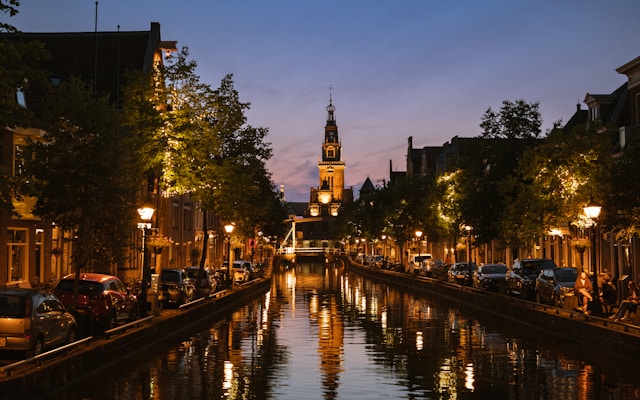
Waagplein
Waagplein is Alkmaar’s bustling heart, where café terraces spill onto cobblestones and crowds gather beneath the 17th-century Weigh House . Once a hub for medieval merchants, the square’s arcades still echo with the laughter of cheese porters and street musicians. It was here, in 1573 , that the city celebrated victory against the Spanish—a turning point in the Dutch Revolt. Markets fill Waagplein throughout the year, selling flowers, antiques, and local delicacies. In summer, lanterns twinkle as people linger late into the night. Statues of cheese carriers recall a trade that shaped the city’s destiny, and each building holds a story in its stepped gables. The square’s festive spirit is contagious; during King’s Day, Waagplein erupts in a riot of orange and music. It remains the place where Alkmaar comes together to celebrate, debate, and watch the world go by.