
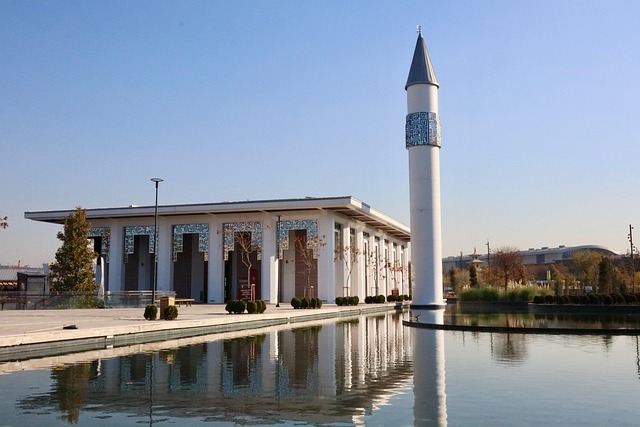
Ahmet Hamdi Akseki Mosque
In Ankara, Turkey .
More places to visit in Ankara
Discover more attractions and things to do in Ankara.
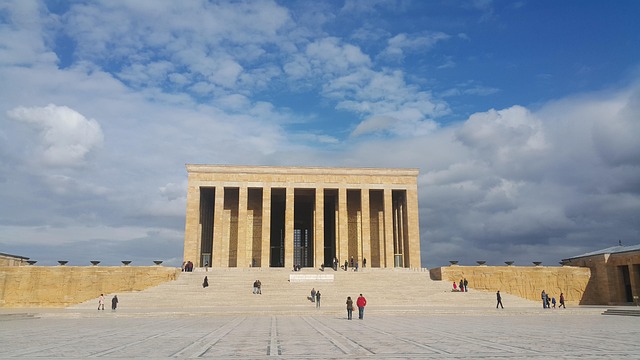
Anitkabir
Anitkabir, the mausoleum dedicated to Mustafa Kemal Ataturk , founder and first president of the Turkish Republic, stands majestically atop Anittepe hill. Completed in 1953 , the site combines elements of Seljuk and Ottoman architectural styles to symbolize Turkey's rich heritage and Ataturk's visionary reforms. Visitors pass along the Lion's Road, lined with Hittite-inspired sculptures symbolizing courage and strength. The ceremonial plaza, capable of holding thousands during national celebrations, leads to the Hall of Honor, housing Ataturk's symbolic sarcophagus crafted from red marble. Beneath, a museum displays personal belongings, historical photographs, and artifacts that narrate his life and Turkey's path to modernization. Lesser-known are the beautiful gardens around the mausoleum, home to hundreds of plant species representing diverse regions of Turkey. Anitkabir remains a poignant national monument embodying Turkey's unity, independence, and the profound legacy of Ataturk.
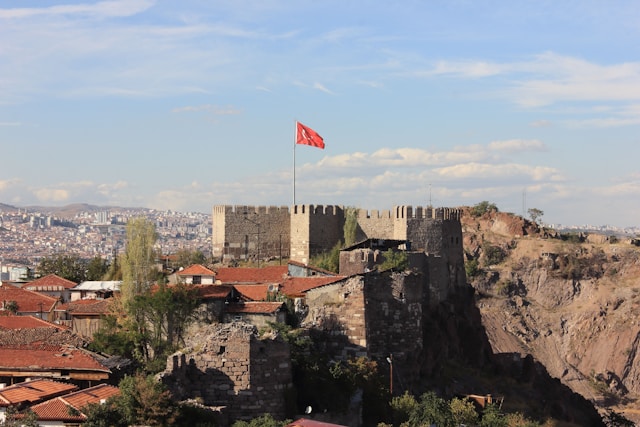
Ankara Castle
Dominating Ankara's skyline, Ankara Castle traces its roots to ancient Galatian times and has been expanded by Romans, Byzantines, and Seljuks. Its fortified walls, dating primarily from the 9th-century AD , offer panoramic views over the city, showcasing a blend of modern urban landscapes and historic neighborhoods. Within the castle's walls, narrow cobblestone streets are lined with traditional Ottoman houses, quaint shops selling handmade crafts, and cozy cafes offering local delicacies. The castle area also hosts the annual Ankara International Music Festival, showcasing the site's cultural vibrancy. Lesser-known historical aspects include the castle's use as a defensive stronghold against various invasions, from Persians to Mongols. Archaeological excavations around the castle have uncovered artifacts dating back to the Hittite and Phrygian periods, reflecting its continuous human settlement for over two millennia.
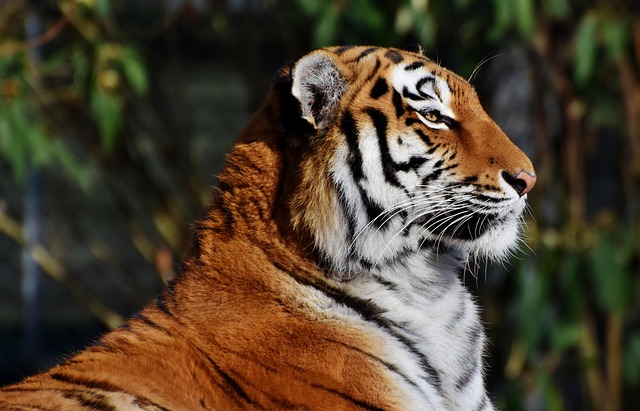
Ataturk Forest Farm and Zoo
Established in 1925 by Mustafa Kemal Ataturk himself, the Ataturk Forest Farm and Zoo spans a vast area, blending agricultural, recreational, and zoological elements. Initially developed to showcase modern agricultural techniques and sustainability, today the farm houses a wide variety of plants and animals, providing both educational and leisure opportunities. The zoo, a favorite among families, hosts diverse species including big cats, primates, and indigenous wildlife. The farm is also famous for its dairy products, especially the fresh milk and yogurt produced using traditional methods introduced by Ataturk. Lesser-known is the farm's historical significance as a symbol of agricultural modernization efforts in early republican Turkey. Its picturesque walking paths, picnic areas, and historical museum dedicated to Ataturk’s initiatives make the farm an ideal destination for visitors interested in both nature and history.
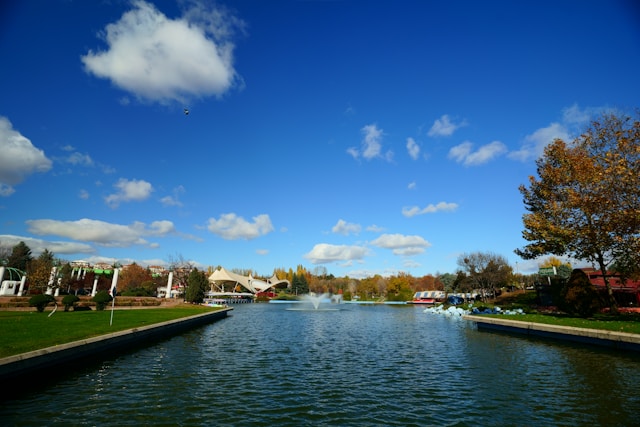
Genclik Park
Established in the early years of the Turkish Republic in 1943 , Genclik Park is Ankara’s most beloved urban park, covering approximately 27 hectares in the city center. Renowned for its large artificial lake, lush gardens, amusement park rides, and vibrant atmosphere, it serves as a popular recreational space for both residents and visitors. The park features numerous cafes, open-air theaters, and event venues hosting concerts, cultural festivals, and community gatherings throughout the year. An iconic feature is the large Ferris wheel providing panoramic views of Ankara's cityscape. Lesser known is the park's historical role as a symbol of modernization efforts and urban planning during the early republican period, reflecting Ankara’s transformation into a modern capital. Recently renovated, Genclik Park continues to blend historical significance with contemporary amenities, making it a dynamic and cherished public space.
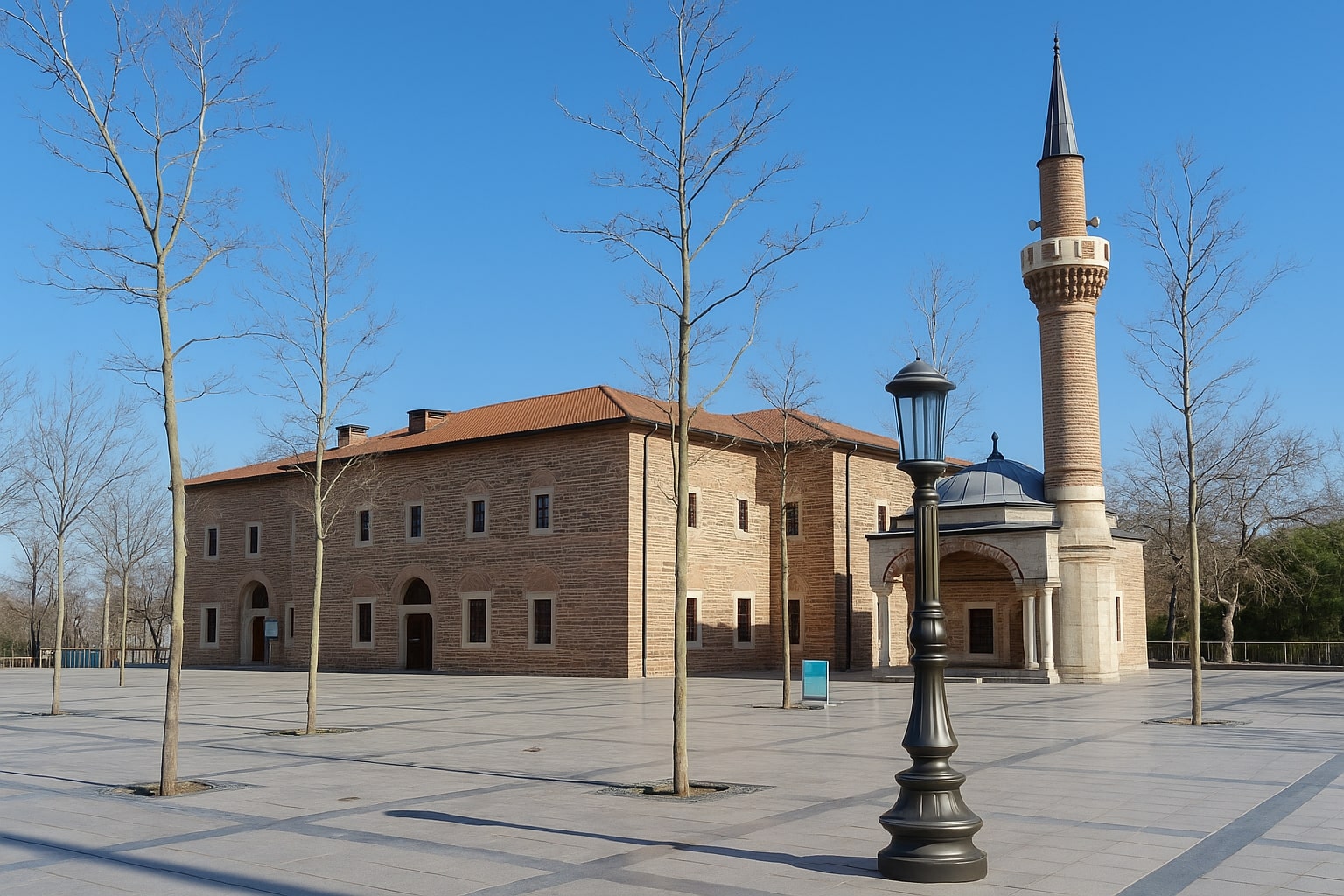
Haci Bayram Mosque
Haci Bayram Mosque , originally built in the 15th century , stands next to the ancient Temple of Augustus and Rome, symbolizing the historical continuity of religious sites in Ankara. Dedicated to Haci Bayram Veli , a revered Sufi mystic and poet, the mosque attracts pilgrims and tourists alike with its spiritual ambiance and historical depth. Renovated extensively in the 18th century , the mosque exhibits beautiful Ottoman architectural features including a minaret, decorative tiles, and calligraphy-adorned interiors. The adjacent mausoleum of Haci Bayram Veli is a site of pilgrimage, reflecting the mosque’s importance in Turkey’s spiritual landscape. Visitors can also explore the surrounding neighborhood, which preserves traditional Ottoman houses and marketplaces. Less known is the mosque’s historical role as a center for religious education and Sufi teachings, significantly influencing the spiritual life of the region.
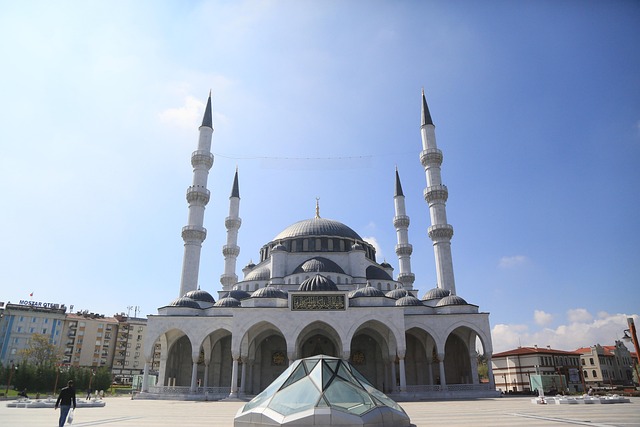
Kocatepe Mosque
The magnificent Kocatepe Mosque , Ankara's largest mosque, was completed in 1987 after two decades of construction. This grand structure, inspired by classical Ottoman architecture, features impressive domes, towering minarets, and elegant arches reminiscent of Istanbul's historic mosques. The mosque's interior is lavishly decorated with intricate tilework, Arabic calligraphy, and an immense chandelier, creating an atmosphere of serene beauty and spiritual contemplation. Kocatepe Mosque serves not only as a place of worship but also as an important community center, hosting educational and cultural events regularly. Its strategic hilltop location offers spectacular views of Ankara's urban expanse, making it a popular destination for both visitors and locals. Interestingly, initial design controversies led to significant architectural revisions, demonstrating the mosque's unique blend of traditional aesthetics and modern construction techniques.
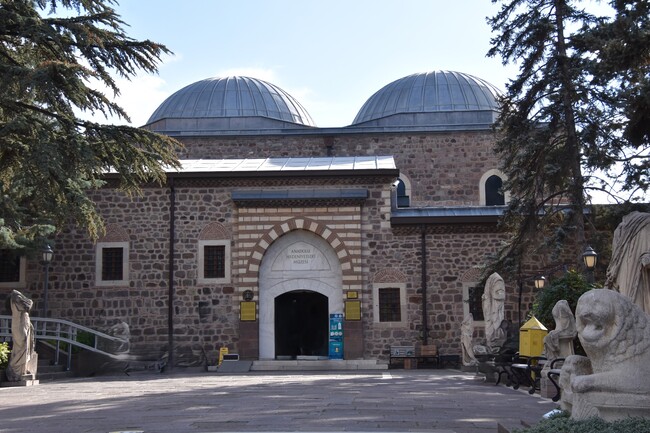
Museum of Anatolian Civilizations
The Museum of Anatolian Civilizations , located near Ankara Castle, offers a comprehensive exploration of Anatolia's history from Paleolithic times to the classical period. Housed in beautifully restored 15th-century Ottoman buildings , the museum showcases artifacts from significant archaeological sites such as Catalhoyuk, Hattusa, and Gordium. Highlights include the extensive collection of Hittite artifacts, featuring intricate reliefs, ceremonial objects, and tablets inscribed in cuneiform script. One remarkable piece is the Bronze Tablet of Bogazkoy , a treaty dating back to 1269 BC , marking the earliest known peace agreement in history. Exhibits from the Phrygian period, notably items linked to the legendary King Midas , further enhance the museum's appeal. Modern interactive exhibits complement the traditional displays, making the museum an engaging educational experience. Recognized globally, the Museum of Anatolian Civilizations received the European Museum of the Year Award in 1997 , emphasizing its significance in preserving human heritage.
Rahmi M. Koc Museum
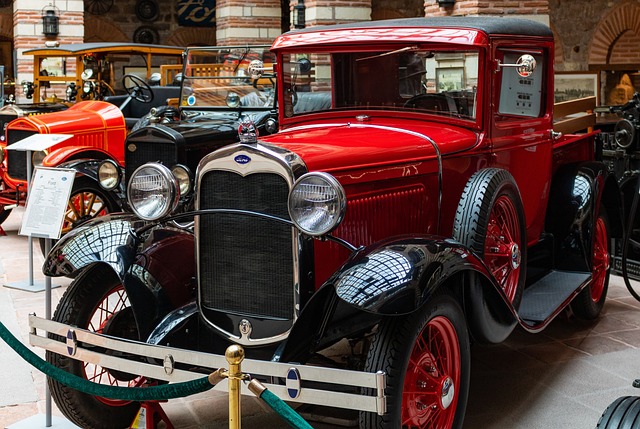
The Rahmi M. Koc Museum, situated in a beautifully restored Ottoman caravanserai from the early 16th century , offers a fascinating journey through Turkey's industrial and engineering heritage. Established in 2005 by philanthropist Rahmi M. Koc , the museum houses an impressive collection of artifacts including vintage cars, steam engines, model trains, and maritime equipment. Visitors can explore interactive exhibits demonstrating scientific principles and historical engineering feats. Notable highlights include a rare collection of classic vehicles and antique machinery meticulously preserved and displayed. The museum's unique setting in the Cengelhan caravanserai adds to its charm, blending historical architecture with modern museum standards. Lesser-known exhibits include a detailed section on Turkey's aviation history, featuring vintage aircraft and memorabilia. The Rahmi M. Koc Museum serves as an educational and entertaining venue, ideal for visitors of all ages.
Ulus Square
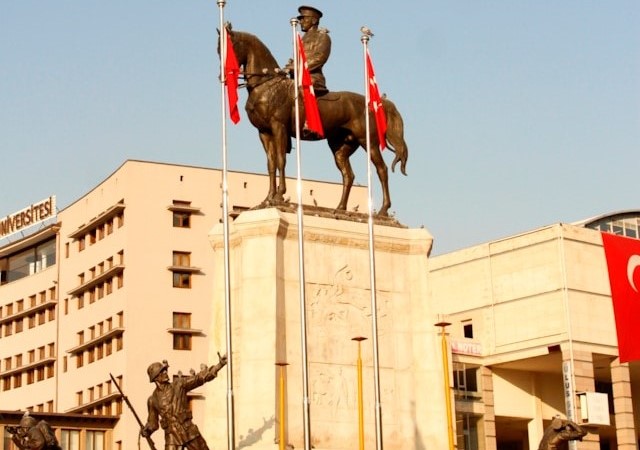
Ulus Square is the historical heart of Ankara, marking the city's transformation from a modest town into the capital of modern Turkey. At its center stands the prominent Monument of Republic , erected in 1927 to commemorate the Turkish War of Independence. Surrounding the square are significant government buildings, including the first parliament house of Turkey, which now operates as the Republic Museum . Visitors can explore historical exhibits detailing the critical moments leading to the formation of the Turkish Republic. Adjacent streets feature numerous architectural landmarks from the early republican era, including elegant buildings designed by renowned architects like Clemens Holzmeister . Ulus is also known for its traditional bazaars, offering local products and antiques. Few realize the area was once a bustling trade hub during the Ottoman era, providing a deeper historical context to its modern-day significance.