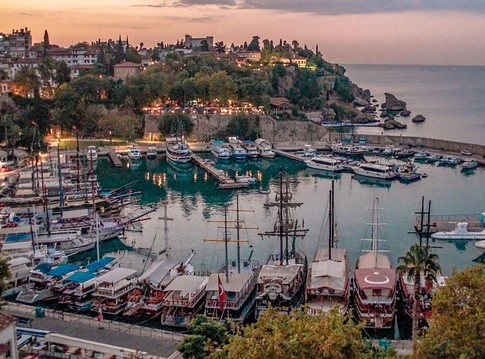
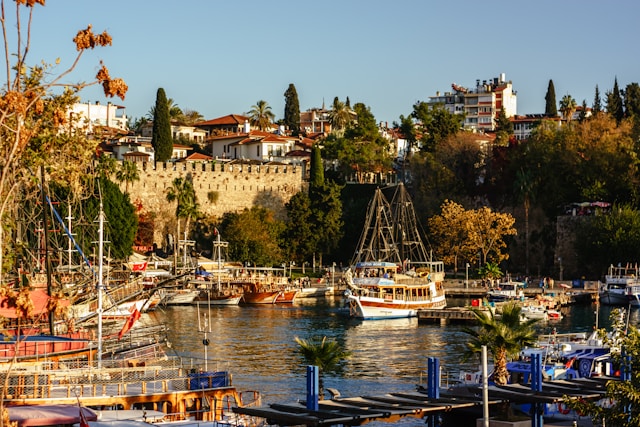
City view of Antalya, Turkey

Antalya

Antalya, crowned by towering cliffs along Turkey’s Mediterranean coast, has beckoned travelers since Roman times. Within the UNESCO-listed Kaleiçi old town, narrow cobblestone alleys wind past pastel-hued Ottoman mansions, restored 19th-century fountains and the triumphal Arch of Hadrian, erected in 130 AD to honor the emperor’s visit. Overlooking the harbor, the Yivli Minare Mosque’s fluted lead-covered minaret soars above the sea, a landmark against turquoise waters. Beyond the city walls, sun-baked beaches such as Konyaalti and Lara stretch for kilometers, their soft sands ideal for sunbathing and windsurfing. Cascading down rugged karst formations, Düden Falls plunge dramatically into the Mediterranean, drawing picnic-goers and photographers alike. History lingers in the nearby Roman theater of Aspendos, famed for its near-perfect acoustics and annual opera performances. Culinary delights include freshly caught sea bass drizzled with lemon and local oranges, while the old town’s fish market offers octopus hung to dry in the sun. By night, the harbor promenade fills with lantern-lit cafés and shisha lounges, where the gentle hum of waves mingles with the call to prayer echoing from nearby minarets.

Top attractions & things to do in Antalya

If you’re searching for the best things to do in Antalya, this guide brings together the top attractions and must-see places to visit in Antalya. The top picks below highlight the most visited sights for first-time visitors, plus a few local favorites worth adding.

Antalya Marina (Old Harbor) in Antalya, Turkey

Antalya Marina (Old Harbor)

Nestled at the foot of Antalya’s historic cliffs, the Antalya Marina, also known as the Old Harbor, is a picturesque hub that has served as the city’s maritime heart since Roman times. Enclosed by ancient stone walls and overlooked by the old city of Kaleici, the harbor’s natural cove once protected fleets of trading ships and fishing boats. Today, its waters are dotted with modern yachts and colorful excursion vessels. The area is lined with charming cafes, seafood restaurants, and artisan shops set within restored Ottoman warehouses. Notably, the marina offers direct views of the restored Roman Harbor Lighthouse, a rare remnant of the city’s ancient navigation system. In the evenings, the harbor comes alive with vibrant nightlife and sunset cruises. Few visitors know that submerged Roman-era breakwaters still help calm the marina’s waters, preserving its timeless appeal as a crossroads of history, commerce, and leisure.
Ads place
Ads place
Ads place
Ads place
Ads place
Antalya Museum in Antalya, Turkey

Antalya Museum

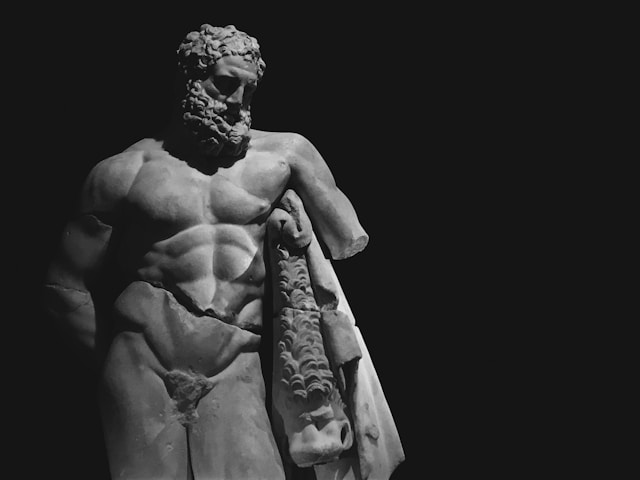
The Antalya Museum, founded in 1922, is one of Turkey's largest and most comprehensive archaeological museums. Its 13 exhibition halls display artifacts from the Paleolithic through the Ottoman period, with special emphasis on the ancient civilizations of the region, including the Lycian, Pamphylian, and Pisidian cultures. Highlights include the exquisitely sculpted marble statues from the ancient city of Perge, as well as mosaics, coins, and sarcophagi. One of the most compelling exhibits is the Hall of Emperors, where visitors encounter lifelike statues of Roman rulers. Educational panels and multilingual displays make the museum accessible to international visitors. Lesser-known treasures include a detailed ethnographic collection of Ottoman-era costumes and tools. The museum's collection provides an essential context for understanding the historical depth of Antalya and its surroundings.
Ads place
Ads place
Ads place
Ads place
Ads place
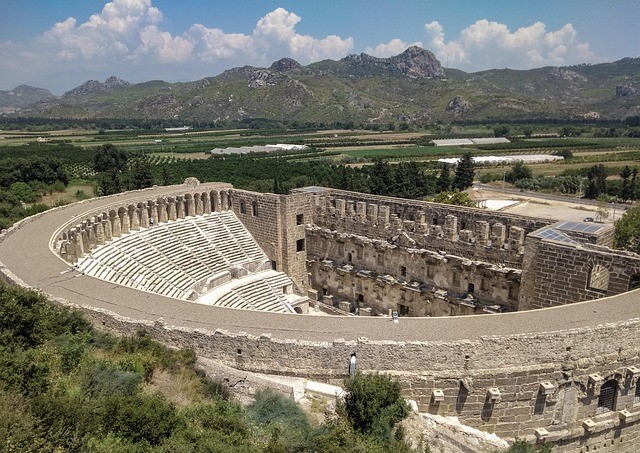
Aspendos Theater in Antalya, Turkey

Aspendos Theater

The Aspendos Theater is considered one of the best-preserved Roman theaters in the world. Built during the reign of Marcus Aurelius in the 2nd century AD, it once seated up to 15,000 spectators. Its remarkable acoustics and intact stage structure make it a favored venue for concerts and festivals even today. The semi-circular seating and monumental facade demonstrate Roman engineering at its peak. Above the stage, carved reliefs and Latin inscriptions pay homage to the theater’s patrons. Lesser-known are the ancient drainage systems and backstage tunnels still visible to this day. Located just 40 kilometers east of Antalya, the theater is part of the larger Aspendos archaeological site, which includes aqueducts and basilicas. Its continuous use over centuries highlights its enduring cultural relevance.
Ads place
Ads place
Ads place
Ads place
Ads place
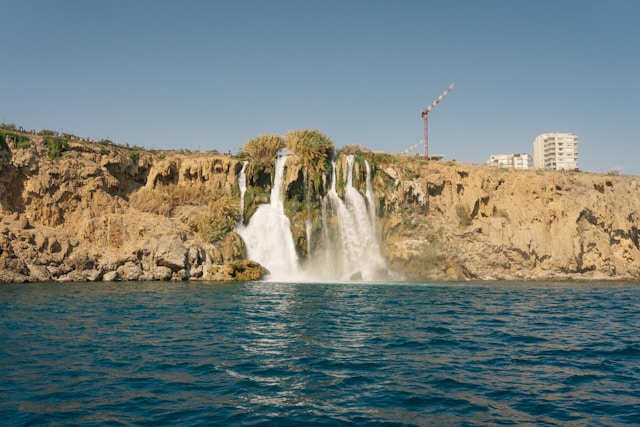
Duden Waterfalls in Antalya, Turkey

Duden Waterfalls

The Duden Waterfalls are among Antalya's most picturesque natural attractions, split between the Upper and Lower falls. The Upper Duden, located in a shaded park, cascades into a tranquil cave that visitors can enter behind the falls. The Lower Duden, dramatically plunging into the Mediterranean from a 40-meter cliff, offers breathtaking views especially at sunset. These falls are fed by underground rivers from the Taurus Mountains and have been a vital source of water since antiquity. A hidden feature at the upper falls is a series of ancient rock tombs carved into the cliffside, rarely noticed by casual visitors. Well-maintained paths, picnic areas, and scenic lookouts make the waterfalls accessible and enjoyable year-round. Duden’s unique blend of geology, nature, and history make it a must-see for all travelers to Antalya.
Ads place
Ads place
Ads place
Ads place
Ads place
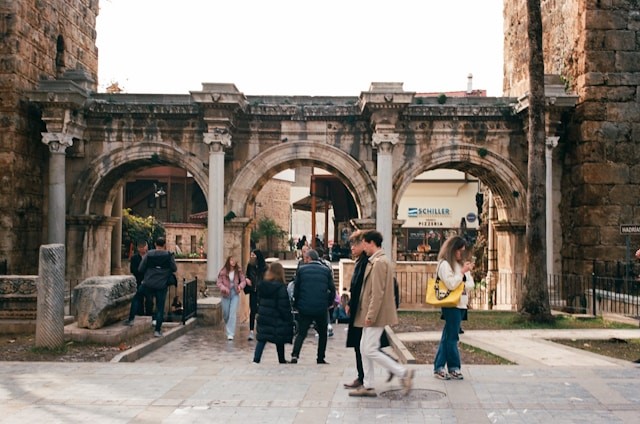
Hadrian's Gate in Antalya, Turkey

Hadrian's Gate

Built in 130 AD to honor the visit of Roman Emperor Hadrian, Hadrian's Gate is one of the best-preserved Roman structures in Antalya. Comprising three elegant archways supported by Corinthian columns, the gate marks the ancient entrance to the old city of Kaleici. Intricate carvings and floral motifs decorate the white marble facade, revealing Roman craftsmanship at its finest. The central arch, taller and wider than the others, was used for ceremonial entries. Excavations have uncovered the original Roman road beneath the gate, adding to its archaeological importance. Flanking towers, one Roman and one Seljuk, illustrate the city's layered past. A lesser-known detail is the groove worn into the stone where Roman chariots once passed. Today, Hadrian's Gate is both a visual landmark and a symbol of Antalya's historic ties to imperial grandeur.
Ads place
Ads place
Ads place
Ads place
Ads place
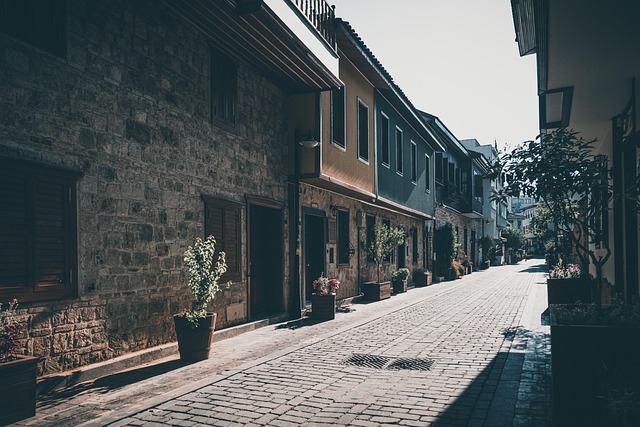
Kaleici (Old Town) in Antalya, Turkey

Kaleici (Old Town)

Kaleici, the historical heart of Antalya, is a maze of cobbled streets, Ottoman-era houses, and ancient Roman walls. Encircled by the original city fortifications, this charming quarter preserves architecture from various periods, including Roman gates, Byzantine churches, and Seljuk mosques. Key sites include the Yivli Minaret, Hadrian's Gate, and the restored harbor, once a bustling trade port. Visitors can explore boutique hotels, art galleries, and cafes tucked into restored mansions. Kaleici’s layered urban fabric tells the story of successive empires and cultural influences. A lesser-known feature is the underground cisterns still hidden beneath some buildings. Night or day, Kaleici offers a rich sensory experience, blending historical ambiance with modern vibrancy.
Ads place
Ads place
Ads place
Ads place
Ads place
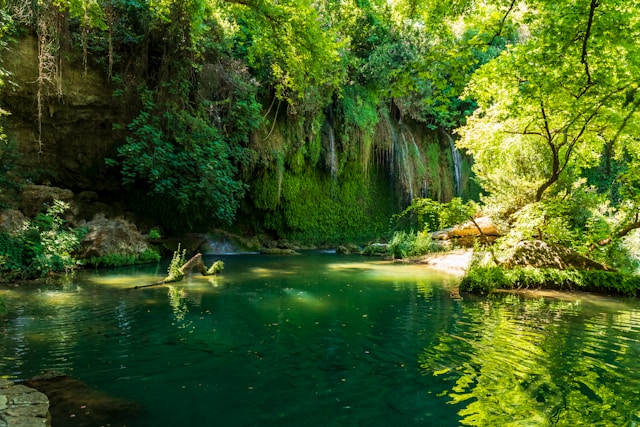
Kursunlu Waterfall in Antalya, Turkey

Kursunlu Waterfall

Nestled within a tranquil pine forest about 20 kilometers northeast of Antalya, the Kursunlu Waterfall is a lush oasis known for its cascading waters and rich biodiversity. The waterfall plunges from a height of about 18 meters into a turquoise pool surrounded by moss-covered rocks and dense vegetation. Walking trails wind through the forest, offering opportunities for birdwatching and photography. A lesser-known treasure is the nearby hidden cave behind the falls, accessible only during dry seasons. Picnic areas and small cafes provide a peaceful setting for relaxation. The area was designated a Nature Park in 1991, ensuring its preservation. Kursunlu’s combination of natural serenity and accessible beauty makes it a favorite escape for both locals and tourists.
Ads place
Ads place
Ads place
Ads place
Ads place
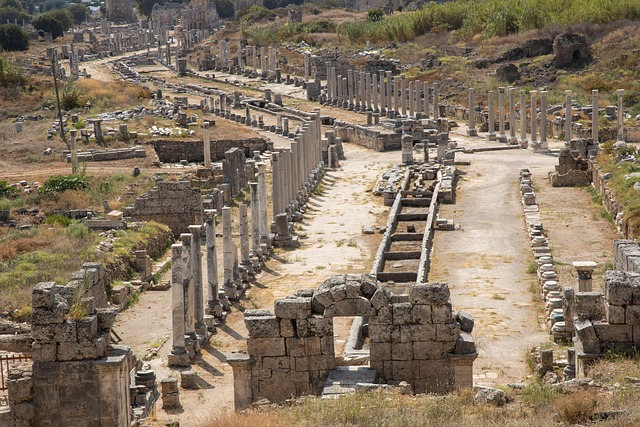
Perge Ancient City in Antalya, Turkey

Perge Ancient City

Located about 17 kilometers from Antalya, Perge is one of the most important ancient cities of the Pamphylian civilization. Founded around 1000 BC, it became a thriving Roman city known for its stadium, agora, and the long, colonnaded street flanked by water channels. Excavations have revealed statues, mosaics, and inscriptions that offer insight into urban life and religious practices. The Hellenistic towers and Roman baths are remarkably well-preserved, showcasing the city's architectural sophistication. Perge is also linked to early Christianity; St. Paul is believed to have preached here during his missionary journeys. A lesser-known fact is the evidence of female athletes depicted in the stadium’s reliefs, indicating a progressive civic culture. The scale and richness of Perge make it a vital archaeological site and cultural treasure.
Ads place
Ads place
Ads place
Ads place
Ads place
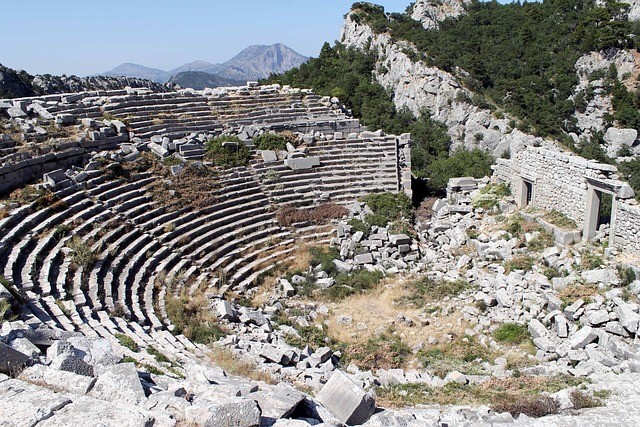
Termessos Ancient City in Antalya, Turkey

Termessos Ancient City

Perched over 1,000 meters above sea level in the Taurus Mountains, Termessos is one of the most dramatic and untouched ancient cities in Turkey. Known for its resistance to Alexander the Great in 333 BC, the city earned a reputation for independence and resilience. Its ruins, scattered across the mountainous terrain, include a well-preserved theater, agora, gymnasium, and numerous rock-cut tombs. The city's isolation has protected it from looting and excessive tourism, preserving its original atmosphere. Hiking to the site requires moderate effort but rewards visitors with sweeping views and encounters with native flora and fauna. A little-known fact is that Termessos was declared a National Park in 1970, safeguarding both its archaeological and ecological heritage. The site embodies the harmony between history and wilderness.
Ads place
Ads place
Ads place
Ads place
Ads place
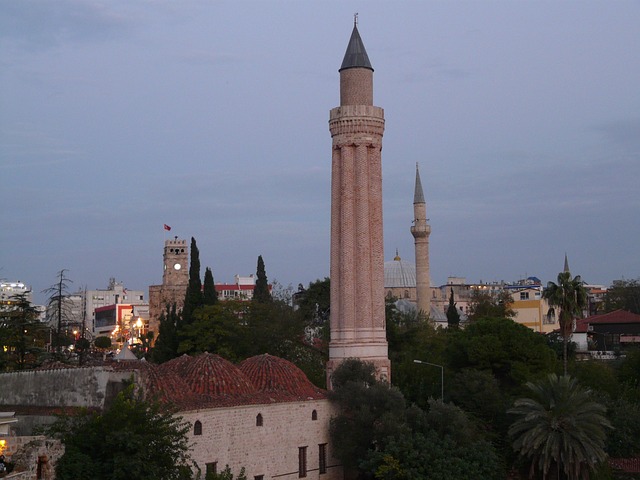
Yivli Minaret Mosque in Antalya, Turkey

Yivli Minaret Mosque

The Yivli Minaret Mosque, also known as the Alaaddin Mosque, stands as one of Antalya's oldest Islamic structures, built in the early 13th century by the Seljuk Sultan Alaaddin Keykubad I. Its fluted minaret, rising over 38 meters, is an iconic symbol of the city. The mosque complex includes a dervish lodge, mausoleums, and a medrese (Islamic school), reflecting its multifunctional religious role. The minaret’s blue tile inlay and brickwork are exemplary of Seljuk aesthetics. A lesser-known detail is the reuse of earlier Byzantine columns in the mosque’s construction, revealing Antalya’s architectural continuity. The structure has undergone multiple restorations but retains its historical character and significance. Today, it functions both as a place of worship and a symbol of the city’s Islamic heritage.
Ads place
Ads place
Ads place
Ads place
Ads place