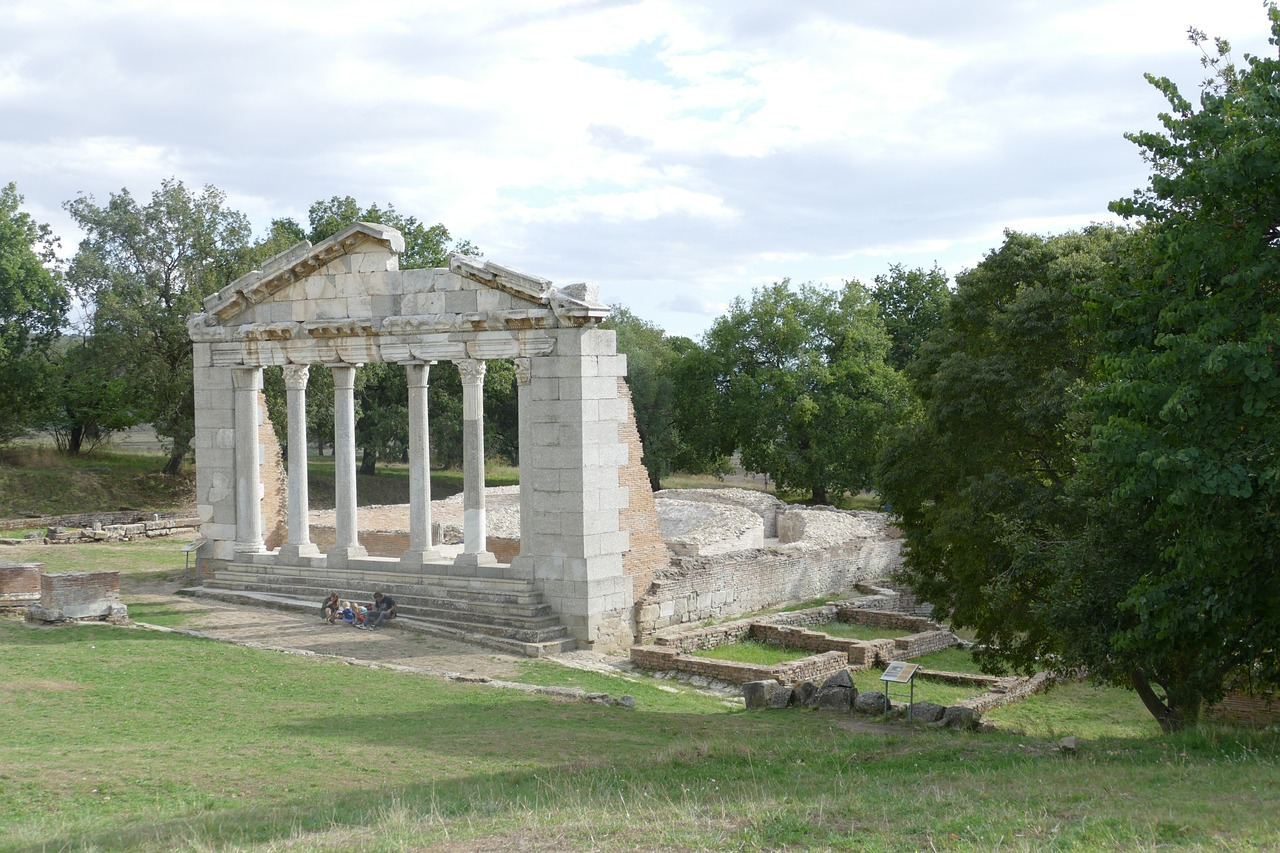

City view of Apollonia, Albania

Apollonia

Apollonia is an ancient Greek city located near Fier, known for its well-preserved ruins. The site includes a theater, an agora, and the impressive Church of St. Mary. Apollonia was an important center in the ancient world and is surrounded by beautiful countryside. The Archaeological Museum of Apollonia provides insights into the city's history and artifacts. Visiting Apollonia offers a glimpse into Albania's rich ancient past.

Top attractions & things to do in Apollonia

If you’re searching for the best things to do in Apollonia, this guide brings together the top attractions and must-see places to visit in Apollonia. The top picks below highlight the most visited sights for first-time visitors, plus a few local favorites worth adding.

Archaeological Park of Apollonia in Apollonia, Albania

Archaeological Park of Apollonia

The Archaeological Park of Apollonia is a sprawling site showcasing the ruins of the ancient Greek city founded in 588 BC. It was an important economic and cultural center in antiquity, known for its well-preserved monuments. Key highlights include the impressive Bouleuterion (council house), the grand Odeon (theater), and the Temple of Artemis. The park also features ancient city walls, residential quarters, and a Roman-era library. The layout of the city provides insight into urban planning during Greek and Roman times. The serene setting, combined with the rich historical remnants, makes the park a captivating destination for history enthusiasts and tourists. In 2022, archaeologists uncovered a gold funerary mask in an elite burial site, suggesting ties to Mycenaean trade networks. The park’s museum displays a rare bronze statue of Apollo, unearthed near the agora, still bearing traces of its original gilding.
Ads place
Ads place
Ads place
Ads place
Ads place
Monastery of St. Mary in Apollonia, Albania

Monastery of St. Mary

The Monastery of St. Mary, located within the Archaeological Park of Apollonia, dates back to the 13th century. It is a beautiful example of Byzantine architecture with its stunning frescoes and intricate stone carvings. The monastery complex includes a church, a refectory, and several other monastic buildings. It served as a center of religious life for centuries and remains a place of pilgrimage. Visitors can explore the peaceful cloisters, admire the religious art, and learn about the monastic life of the past. The monastery's tranquil setting and historical significance make it a must-visit attraction within the park. Hidden beneath the church floor, restorers found a crypt containing 14th-century manuscripts detailing monastic rituals. During Easter, locals reenact a medieval “Light of St. Mary” procession, carrying oil lamps lit from the monastery’s eternal flame.
Ads place
Ads place
Ads place
Ads place
Ads place
The Nymphaeum in Apollonia, Albania

The Nymphaeum

The Nymphaeum of Apollonia is an ancient monumental fountain dedicated to the nymphs, deities of springs and natural water sources. This structure was crucial for the water supply of the city and also served as a place of worship. The remains of the Nymphaeum, with its intricate stonework and remnants of water channels, highlight the engineering skills of the ancient builders. Located near the city's entrance, it was one of the first impressive sights to greet visitors. Today, the Nymphaeum is a fascinating site that illustrates the blend of practical and religious aspects of life in Apollonia. Carvings of water deities adorn the fountain's base, including a rare depiction of the nymph Apollonia, the city's mythical protector. Engineers recently traced the aqueduct system to a spring 5 kilometers away, revealing advanced Roman hydraulic techniques that prevented sedimentation.
Ads place
Ads place
Ads place
Ads place
Ads place
The Odeon in Apollonia, Albania

The Odeon

The Odeon of Apollonia is a well-preserved theater that once served as a venue for musical performances, poetry readings, and political gatherings. Built in the 2nd century AD, the Odeon could accommodate several hundred spectators. The semi-circular structure, with its tiered seating and excellent acoustics, showcases the architectural prowess of the ancient builders. Today, the Odeon is a highlight for visitors exploring Apollonia, offering a glimpse into the cultural life of the ancient city. It's a great spot for photography and for imagining the vibrant performances that once took place here. Recent sound tests proved the theater's acoustics can still carry a whisper from the stage to the top row. A stone inscription near the entrance honors a wealthy Roman patron who funded renovations after an earthquake in 170 AD.
Ads place
Ads place
Ads place
Ads place
Ads place
The Roman Agora in Apollonia, Albania

The Roman Agora

The Roman Agora in Apollonia was the heart of public life during the Roman period. This large public square was surrounded by various important buildings, including temples, administrative offices, and shops. The agora served as a marketplace and a social hub where citizens gathered for commerce, socializing, and political discussions. Today, visitors can see the foundations and remnants of these structures, providing insight into the daily life of Apollonia's inhabitants. The open layout and the ruins' strategic placement offer a sense of the grandeur and importance of this central gathering place in ancient times. Excavations revealed a hidden underground vault beneath the agora, likely used to store grain during sieges. A marble slab inscribed with prices for olive oil and wine offers a snapshot of ancient inflation rates during economic crises.
Ads place
Ads place
Ads place
Ads place
Ads place