
Ferhadija Mosque
In Banja Luka, Bosnia and Herzegovina .
More places to visit in Banja Luka
Discover more attractions and things to do in Banja Luka.
Aquana Water Park
Aquana Water Park is one of the top family-friendly attractions in Banja Luka, offering fun and relaxation for all ages. The park features multiple swimming pools, water slides, and a lazy river, making it a great place to cool off during the hot summer months. In addition to its water attractions, Aquana has a wellness center with saunas and a fitness area. The park also offers several dining options, ensuring a full day of entertainment and leisure. Whether you're visiting with family or friends, Aquana Water Park is a perfect place to enjoy a fun-filled day in Banja Luka. The park’s Tsunami Slide drops riders 15 meters at 50 km/h, the steepest in the Balkans. Its geothermal pools use natural hot springs from deep beneath Mt. Manjaca. During winter, the outdoor pools transform into thermal baths with temperatures up to 38°C.
Banja Luka City Park
Banja Luka City Park, also known as Park Petar Kocic, is a popular green space in the city center. The park is named after Petar Kocic, a famous Bosnian Serb writer and politician, whose statue stands in the park. The lush greenery, walking paths, and fountains make it a perfect place for relaxation and recreation. It is a favorite spot for families, couples, and anyone looking for a quiet retreat from the city's hustle and bustle. The park also hosts cultural events, concerts, and festivals throughout the year, making it a lively gathering place for the community. The park’s 300-year-old oak tree survived Ottoman and Austro-Hungarian rule, now protected as a natural monument. A hidden underground WWII bunker beneath the rose garden opens for guided tours in summer. The annual Jazz in the Park festival attracts musicians from New Orleans to Belgrade.
Banski Dvor Cultural Center
Banski Dvor Cultural Center is one of Banja Luka's most important cultural institutions. Originally built as the residence of the Ban of Vrbas Banovina in the 1930s, the building now serves as a hub for cultural activities, including concerts, exhibitions, and lectures. Its grand architecture, with a mix of neoclassical and modernist styles, makes it a landmark in the city. The interior is equally impressive, with a concert hall, gallery spaces, and elegant rooms that host events year-round. Banski Dvor is a cultural gem and a must-visit for anyone interested in Banja Luka's artistic and historical scene. The center’s Art Deco chandeliers contain 2,000 Czech crystals from the original 1930s installation. A secret tunnel connects the basement to Kastel Fortress, once used by Yugoslav royalty. Its Golden Hall features acoustic panels designed by the same engineer as Vienna’s Musikverein.
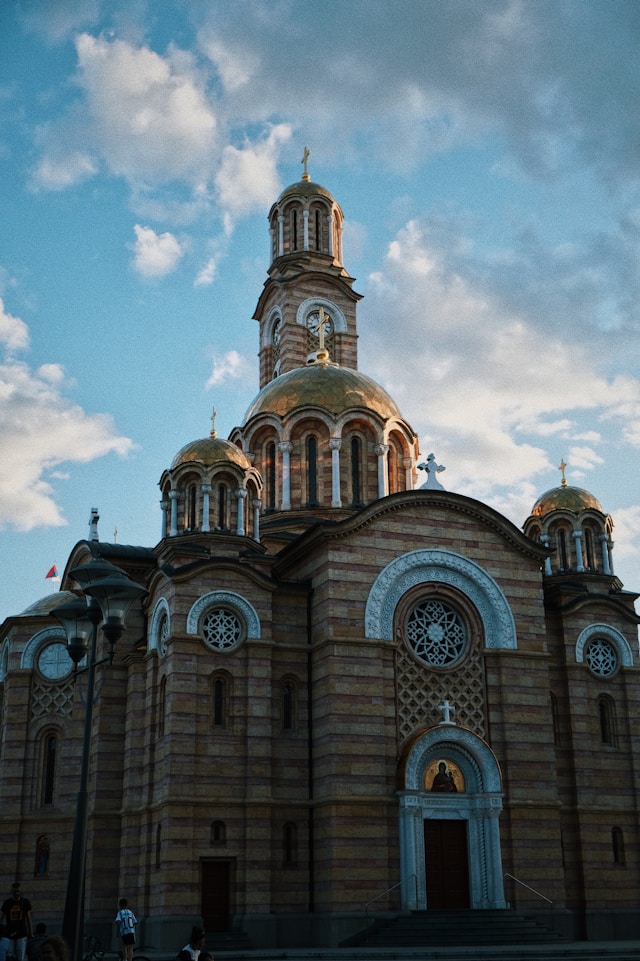
Cathedral of Christ the Saviour
The Cathedral of Christ the Saviour is a striking Serbian Orthodox church in Banja Luka. Built in the 1920s, it is one of the city's most prominent religious sites, with its tall bell tower and golden domes dominating the skyline. The cathedral was destroyed during World War II but was rebuilt in the late 20th century, standing today as a symbol of faith and resilience. Inside, the cathedral boasts beautiful frescoes and religious icons, offering visitors a chance to reflect on Banja Luka's religious and cultural diversity. It is a peaceful place for worship and an important architectural landmark in the city. The cathedral’s 7.5-ton bell , cast in 2009, rings in G sharp – the same note as Vienna’s Pummerin Bell. Its Byzantine-style frescoes took 12 artists 3 years to complete, using pigments from Mount Athos. Every January, the cathedral hosts a Sacred Music Festival featuring choirs from Orthodox monasteries worldwide.
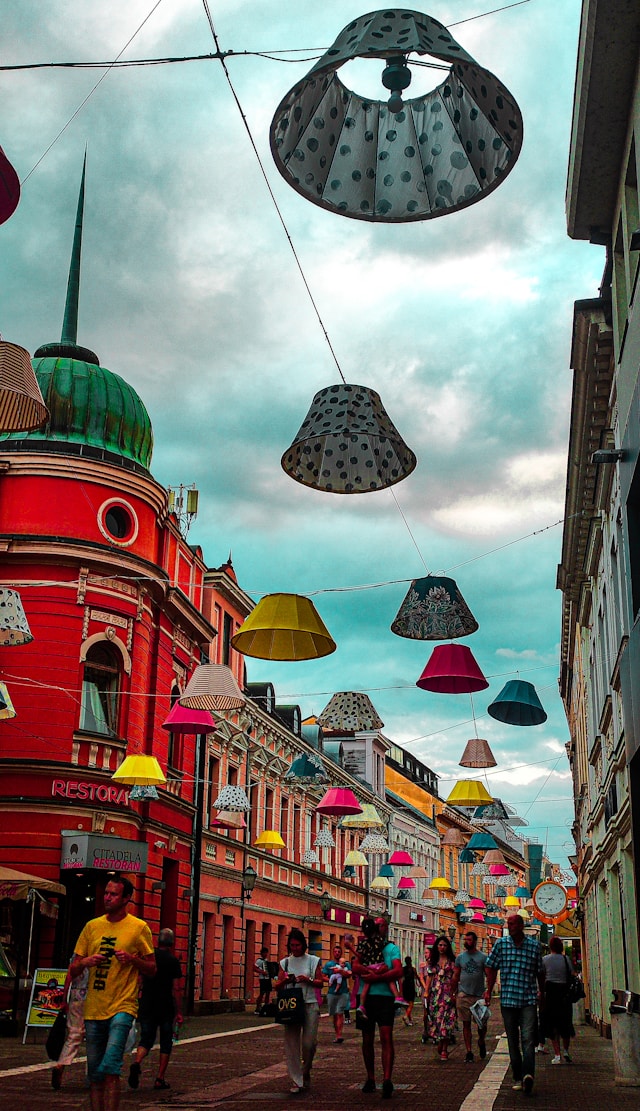
Gospodska Street
Gospodska Street is Banja Luka's main pedestrian street and one of the most vibrant parts of the city. Lined with shops, cafes, and restaurants, it is a popular spot for both locals and tourists to enjoy a leisurely stroll. The street is known for its lively atmosphere and beautiful architecture, with buildings dating back to the Austro-Hungarian period. Gospodska Street is also home to several cultural and historical landmarks, making it a great place to explore. Whether you're shopping, dining, or simply people-watching, Gospodska Street offers a true taste of Banja Luka's urban life. The street’s Art Nouveau facades feature hidden carvings of Habsburg eagles and Bosnian lilies. Café Tvrdjava, established in 1898, still serves coffee in original Austro-Hungarian porcelain . Every December, the street transforms into a Christmas market with wooden chalets selling traditional "komplet lepinja" pastries.
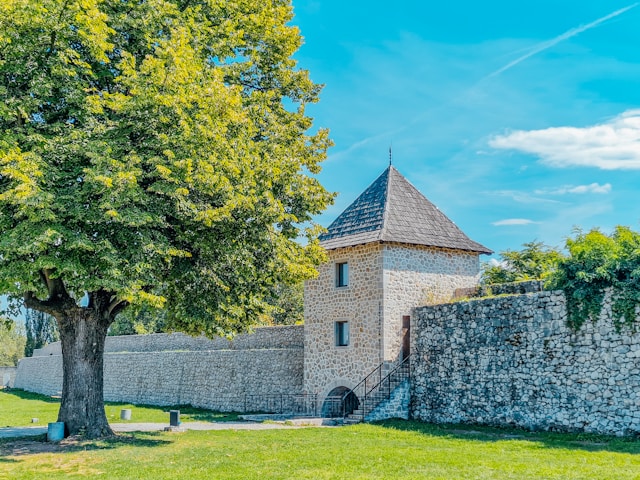
Kastel Fortress
Kastel Fortress is one of the oldest historical monuments in Banja Luka, dating back to Roman times. Located on the banks of the Vrbas River, the fortress has been a strategic defensive point throughout the centuries. Today, it serves as a cultural and recreational space, hosting concerts, festivals, and other events. Visitors can explore its well-preserved walls and enjoy panoramic views of the city and the surrounding landscape. The fortress is a symbol of Banja Luka's rich history, with remnants of ancient civilizations still visible. A visit to Kastel offers a peaceful retreat from the bustling city and a glimpse into the past. Archaeologists recently uncovered a Roman hypocaust system beneath the fortress, evidence of ancient underfloor heating. The fortress’s Ottoman-era powder magazine now houses a small museum displaying medieval weaponry. Every July, Kastel hosts the Roman Nights Festival , featuring gladiator reenactments and traditional Balkan music.
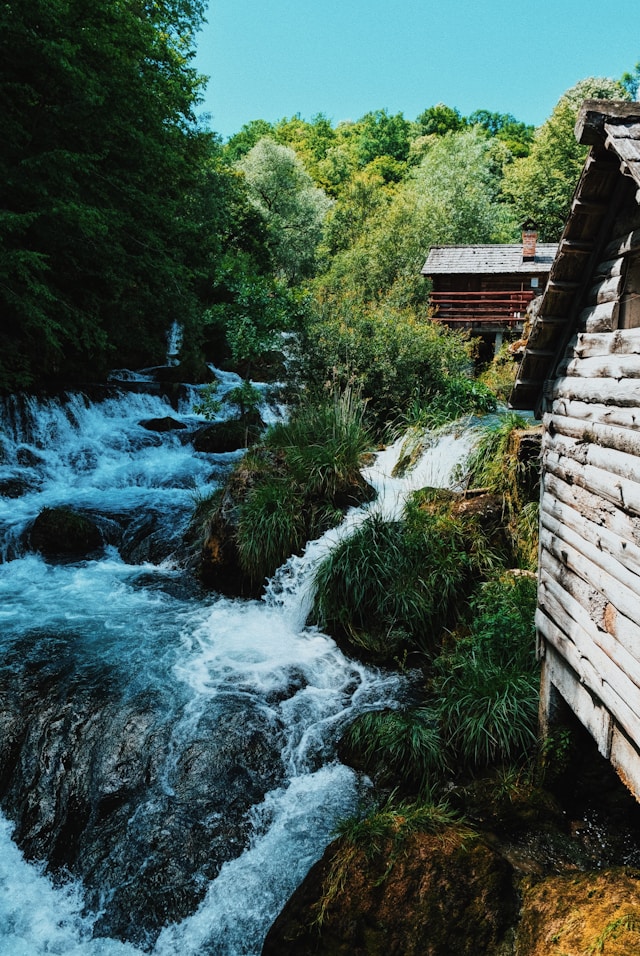
Krupa Waterfalls
Located just outside Banja Luka, the Krupa Waterfalls are a natural wonder that offers a peaceful escape into nature. The waterfalls are part of the Krupa River, and their serene beauty attracts visitors looking for relaxation and outdoor activities. The area around the waterfalls is ideal for hiking and picnicking, with several walking trails offering stunning views of the waterfalls and the surrounding landscape. The Krupa Waterfalls are especially popular among photographers, who come to capture the picturesque scenery. For those seeking a tranquil day trip from the city, the Krupa Waterfalls are a must-see attraction. The falls’ travertine formations grow 2 cm yearly due to mineral-rich waters, creating ever-changing pools. Local legends say the waterfalls’ mist cures ailments, earning them the nickname " Healing Breath ." A 14th-century Orthodox hermitage carved into the cliffside overlooks the falls, accessible via a hidden stairway.
Museum of Contemporary Art of Republika Srpska
The Museum of Contemporary Art of Republika Srpska, located in Banja Luka, is a leading cultural institution dedicated to modern and contemporary art. The museum's collection features works by both local and international artists, with a focus on art from the Balkans. It regularly hosts temporary exhibitions, art workshops, and cultural events, making it a dynamic space for creativity and learning. The museum building itself is a masterpiece of early 20th-century architecture, adding to the artistic experience. Whether you're an art enthusiast or a casual visitor, the Museum of Contemporary Art offers an engaging and inspiring experience. The museum’s prized possession is a Kandinsky sketch gifted during his 1903 Balkan travels. A VR installation lets visitors "enter" abstract paintings from the Yugoslav Black Wave movement. The rooftop terrace hosts sculpture symposia where artists carve marble from nearby quarries.
Vrbas River Canyon
The Vrbas River Canyon, located just outside of Banja Luka, offers some of the most stunning natural scenery in Bosnia and Herzegovina. The canyon is popular for outdoor activities like rafting, kayaking, and hiking. Its towering cliffs and crystal-clear waters attract adventure seekers and nature lovers alike. The river is home to a variety of wildlife, and the surrounding area offers picturesque trails perfect for a leisurely walk or a more challenging hike. The Vrbas River Canyon is not only a place for outdoor enthusiasts but also for those looking to unwind and take in the beauty of the region. The canyon’s Mecavnik Cliff rises 300 meters vertically, a hotspot for professional rock climbers. Local guides offer twilight kayak tours to spot endemic Balkan lynx drinking at the water’s edge. In winter, frozen waterfalls along the canyon create surreal ice-climbing routes for adventurous travelers.