
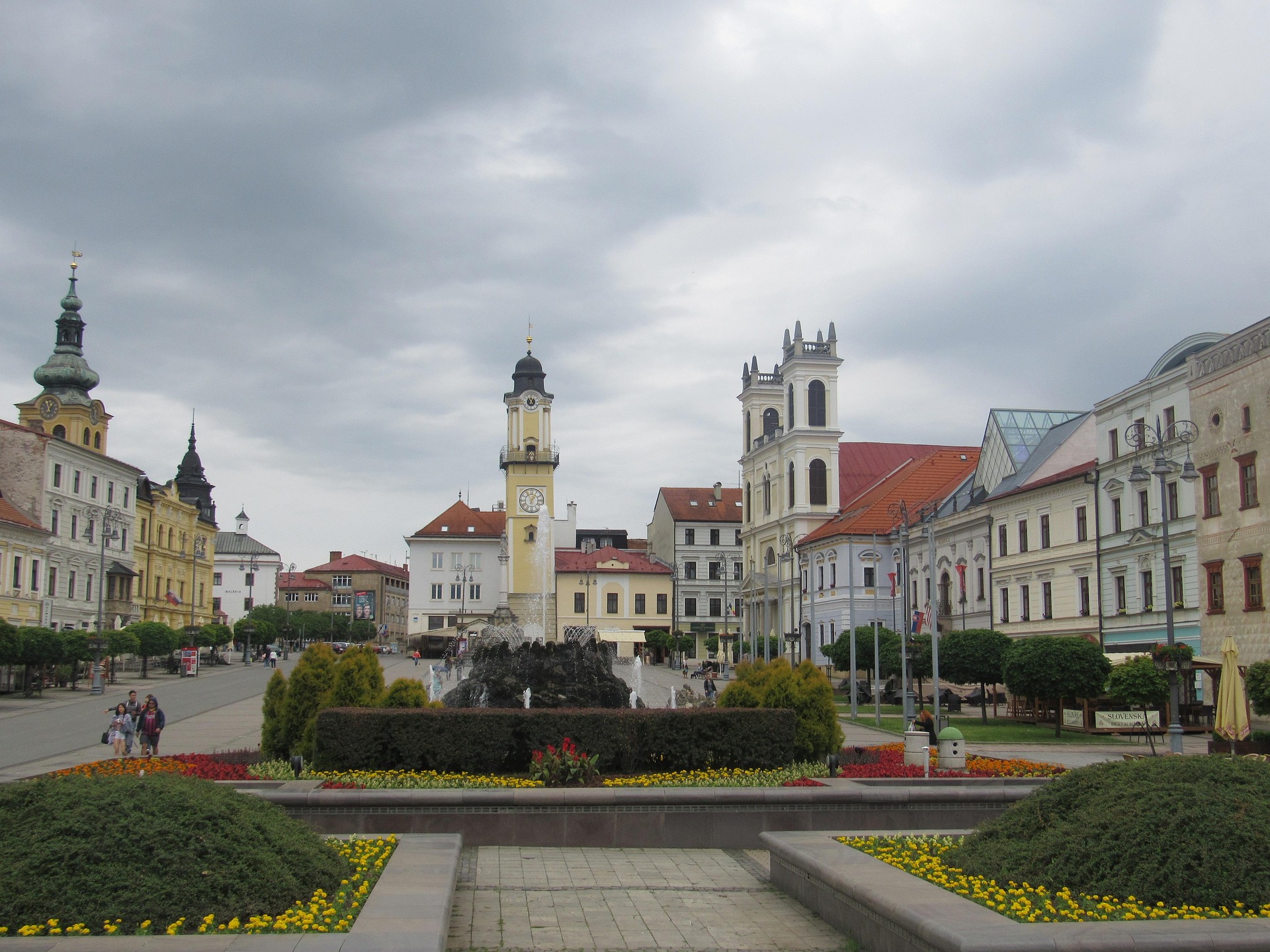
City view of Banska Bystrica, Slovakia

Banska Bystrica

Banska Bystrica wears its mining past with quiet pride and a surprising amount of color. The central square balances Renaissance mansions with a leaning clock tower that poses cheerfully for photos. Museums tell the wartime uprising with unblinking clarity, while nearby hills invite mountain bikers to settle arguments on singletrack. Local kitchens do heartwarming things with pork, dill, and seasonal mushrooms, and there is always space for strudel after a long walk. Coffee culture is focused and friendly, baristas talk roast curves as easily as weather. Take a side trip to the Harmanec Cave for a chill that wakes your curiosity. Street life hums in the evening when students return from slopes or seminars. Offbeat delight, a tiny postbox in the museum receives letters to history and curators actually reply, which feels exactly right for a city that treats its past as correspondence rather than a sealed archive.

Top attractions & things to do in Banska Bystrica

If you’re searching for the best things to do in Banska Bystrica, this guide brings together the top attractions and must-see places to visit in Banska Bystrica. The top picks below highlight the most visited sights for first-time visitors, plus a few local favorites worth adding.

Banska Bystrica Castle and Barbican in Banska Bystrica, Slovakia

Banska Bystrica Castle and Barbican

Climb from the square and the fortified parish precinct reveals itself in layers that read like chapters. The core began in the 13th century to guard a prosperous mining town, then learned new manners as chapels, towers, and a sober gatehouse gathered around the church. The star piece is the Barbican, a late-medieval outer work that taught arrivals to slow down and show their intentions; guides point out slots, stairs, and sightlines that still make sense. Traces of Gothic ribs survive in walls refitted with calmer Renaissance proportions when donors preferred order over drama. Conservation uses lime and patience, letting tool marks remain legible; a small lapidarium preserves coats of arms recovered during archaeology. From the walkways you read roof pitches and streets like a textbook of practical urban planning, while bells set the pace for errands below. It is a compact lesson in fortifications as civic furniture—defense, ritual, and administration sharing a single address without shouting.
Ads place
Ads place
Ads place
Ads place
Ads place
Museum of the Slovak National Uprising in Banska Bystrica, Slovakia

Museum of the Slovak National Uprising

Begin at the bridge-like concrete volumes and you feel the tone: unsentimental, precise, and built for evidence rather than theatrics. Inside, the story of the Slovak National Uprising is paced by field reports, maps, and everyday objects that turn big dates into understandable decisions around kitchens and forests. A courtyard holds a replica of an armored train that once gave mobility to rough tracks, while vitrines explain radios, boots, and the logistics that keep courage practical. Galleries treat memory as a duty: recorded oral histories, dispatches, and photographs arranged so timelines remain readable. The building’s restrained modernist language keeps attention on people, not pedestals, and outdoor panels sketch wider fronts along the 1944 horizon. Temporary shows examine propaganda and print, reminding visitors that truth also requires maintenance. Step back outside and the sculpture group reads like a footnote in steel—condensed emotion, minimal words. The museum proves that commemoration is a craft: archives, climate control, and staff who treat names as work, not just ceremony, alongside the grit of partisans.
Ads place
Ads place
Ads place
Ads place
Ads place
SNP Square and Clock Tower in Banska Bystrica, Slovakia

SNP Square and Clock Tower

The city’s long rectangle, officially Namestie SNP, is where errands become promenades and proportions teach civility without speeches. Facades keep Renaissance and later rhythms over older plots; under eaves you can still spot patches of sgraffito and mason marks that read like signatures. At the corner rises the Clock Tower, often traced to the 16th century then adjusted by later tastes, its gallery offering a modest climb and a generous view. A plague column anchors gratitude in stone, while shopfronts manage signage with restraint so the grid stays legible. Market days sketch a temporary choreography; at dusk the stucco catches a second light and conversations slow by instinct. Stand mid-square and the castle precinct aligns the skyline like a bookmark. Good urbanism is palpable here—benches where you need them, shade where you want it, and a bell that tells everyone the same time. The square rewards unhurried readers of corners, thresholds, and habits.
Ads place
Ads place
Ads place
Ads place
Ads place
Thurzo House and Central Slovakia Museum in Banska Bystrica, Slovakia

Thurzo House and Central Slovakia Museum

A dignified burgher palace on the square, Thurzo House turns commerce into architecture with a light touch. Arcades and painted beams preserve a Renaissance grammar, while the Central Slovakia Museum inside arranges mining, trade, and domestic life so objects speak plainly. Ledgers, scales, and guild chests explain how copper wealth once flowed through contracts and customs; a room on guilds reads like a handbook for reputation and quality control. Wall texts prefer dates and materials over slogans, and a section on regional ethnography sets textiles beside tools so technique is visible. Courtyard galleries recall when merchants hosted partners under sheltering arches, and a stair with careful proportions still flatters unhurried steps. Conservation reports mention reversible fixes and stable humidity—museum work translated for visitors who like backstage honesty. The house’s fabric spans the 16th century forward, with fragments of earlier profiles tucked into portals. It is a persuasive primer on how a Renaissance town balanced profit, piety, and polite display without wasting words.
Ads place
Ads place
Ads place
Ads place
Ads place
Urpin Hill and Calvary in Banska Bystrica, Slovakia

Urpin Hill and Calvary

Five minutes from the center, pavement gives way to needles and a slope that edits noise into birdsong. Paths rise to chapels that count the way in calm steps; the hill’s Calvary sequence took form across the 18th century, when cities carried prayer outdoors with measured staging. Views braid rooftops, the Hron river, and distant ridges, turning geography into a lesson that does not need a classroom. Boards explain care routines, nesting seasons, and the nature reserve margins where trimming follows habitat rather than haste. Joggers and pilgrims share the grade politely; benches appear where breath naturally pauses. A small sanctuary gathers the route into a single breath, while discreet lighting makes evening descents sensible. The walk is also infrastructure—drainage, steps, and railings proving that maintenance is mercy. At the crest, look back and the town resets its tempo below. The site rewards seasonal repeats, from spring bloom to winter clarity, with viewpoints that keep their promise. If you like quiet rigor, this is your route.
Ads place
Ads place
Ads place
Ads place
Ads place