

Basel Zoo
In Basel, Switzerland .
More places to visit in Basel
Discover more attractions and things to do in Basel.
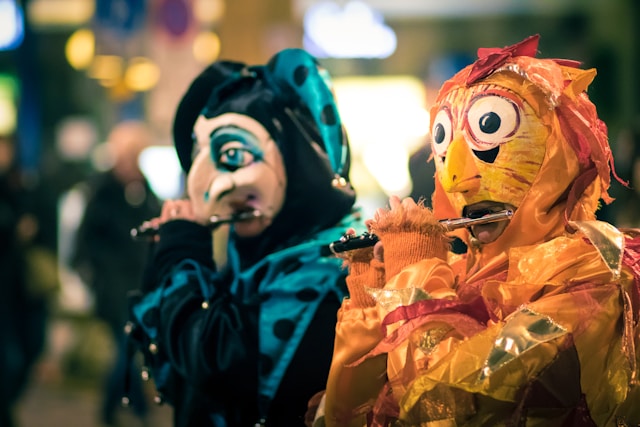
Basel Fasnacht Carnival
Basel Fasnacht, the best known carnival event in the city, transforms streets into a dense swirl of sound, masks and light for three intense days each year. At four in the morning on Monday, the Morgestraich procession begins as all electric lights in the centre go dark and only glowing lanterns carried by cliques of pipers and drummers illuminate the lanes. Intricately painted Fasnacht lanterns comment satirically on politics and everyday life, while participants wear elaborate handmade masks and costumes that conceal their identities. Throughout the event, narrow streets fill with the high, haunting notes of piccolo melodies and the steady beat of drums echoing off stone facades. Visitors are expected to follow local etiquette, not blocking processions and accepting that confetti, or Raepli, may rain down on them without warning from any direction. Experiencing Fasnacht gives a powerful sense of local identity and collective creativity that goes far beyond spectacle, revealing how disciplined chaos briefly reshapes the familiar city into a surreal theatre .
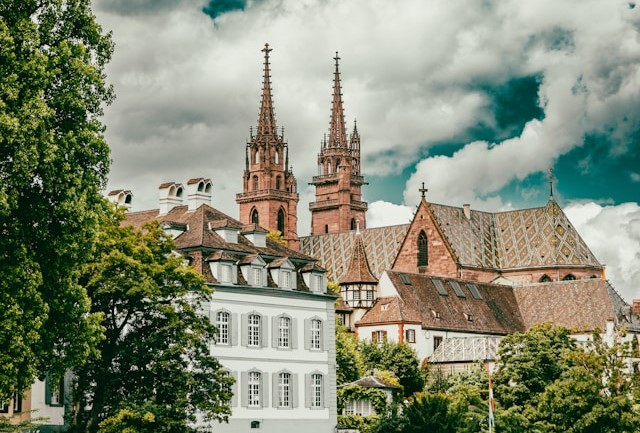
Basel Minster
Rising above the Rhine on a rocky terrace, Basel Minster is a landmark of red sandstone , patterned roof tiles and twin towers that define the skyline. You approach through narrow streets before stepping into a quiet square framed by cloisters and chapter houses. Inside, slender columns, Gothic vaulting and fragments of medieval sculpture reward slow exploration, while the soft echo of footsteps emphasises the height of the nave. If you climb one of the towers, a steep staircase leads to a high platform with a sweeping river panorama , where bridges, ferries and barges trace the curve of the water far below. Around the back of the church, the Minster terrace opens like a balcony above the Rhine, a favourite spot for locals who come to sit on the wall and watch the light change. In the evening, stone surfaces glow softly as the sun drops behind the rooftops, and the mix of bells and distant street noise turns this sacred site into a calm city lookout .
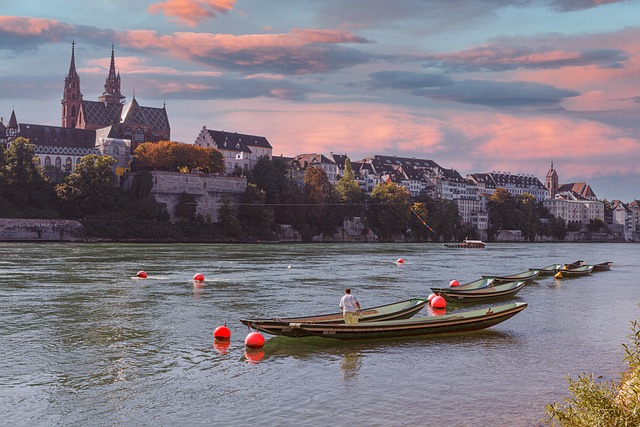
Basel Rhine Ferries
The Basel Rhine ferries are a small but unforgettable experience that condenses the relationship between the city and its river into a few quiet minutes. Each traditional wooden boat is attached to a steel cable and moves only by the force of the current, angled carefully by the ferryman with a steady hand on a long rudder. As you stand on the deck, you feel the gentle sideways pull of water, hear the creak of timber hulls and watch bridges slide slowly past. No engine noise interrupts the flowing river soundscape . The ferries link popular bankside paths and offer convenient shortcuts between neighbourhoods, especially on warm days when many people are out walking or swimming. Using them is simple: you wait at the landing stage, step aboard when called and pay a small fare during the crossing. This modest, sustainable form of current powered transport has become one of the most affectionately preserved traditions in Basel, offering visitors both a practical link and a gentle floating viewpoint .
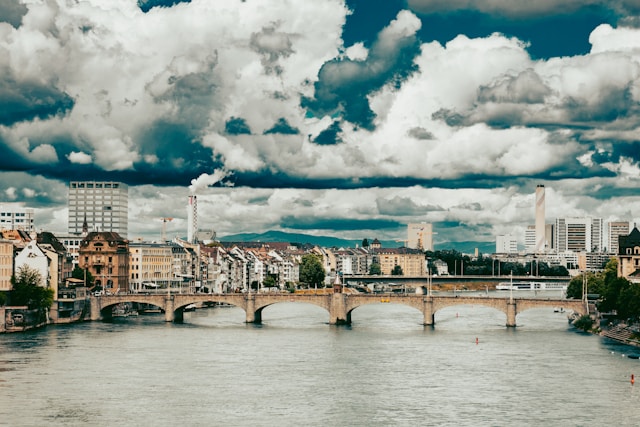
Mittlere Bruecke and Rhine Banks
Mittlere Bruecke has linked the two halves of the city for centuries, and today it remains one of the best places to feel how strongly life revolves around the Rhine. From the centre of the span you can watch river ferries gliding silently across on steel cables, barges pushing upstream and swimmers drifting with colourful dry bags in summer. Stone parapets and small bridge niches offer protected spots for photographs of facades, towers and quays on both banks. At either end, stairways lead down to the lower river paths , where you walk almost at water level past moored boats, temporary bars and sunbathing steps. In the evening, lights from windows and bridges reflect on the current, turning the water into a broad ribbon of moving colour and soft shimmer. Cross more than once at different times of day and you will sense the shift from working morning traffic to relaxed evening promenade , all framed by this modest but enduring urban river crossing .
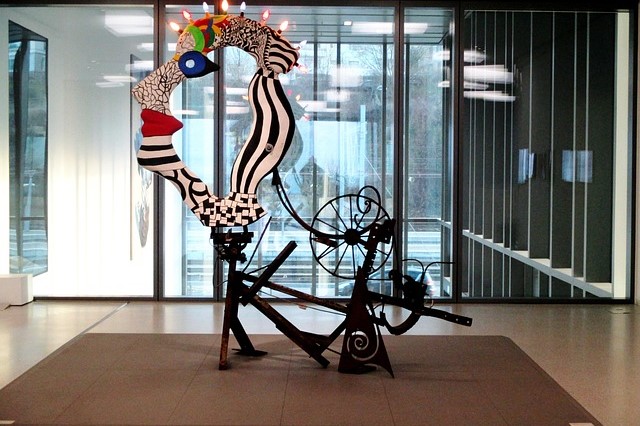
Museum Tinguely
On the banks of the Rhine in Solitudepark, Museum Tinguely is dedicated to the life and work of Swiss artist Jean Tinguely, master of playful machines. Mario Bottas building, with its angular brick volumes and broad riverside terraces , houses large halls where kinetic sculptures clatter, spin and rattle to life at the push of a button. Some pieces are monumental, filling entire rooms with moving metal structures , while others reveal a delicate, absurd humour in their jerky gestures. Temporary exhibitions place Tinguely in dialogue with contemporaries and successors, expanding the story beyond one artist. Large windows frame views of the river traffic and park outside, encouraging you to drift between indoor noise and outdoor calm. Children are usually captivated by the sense of mechanical chaos , while adults recognise a sharp commentary on consumer culture. A cafe with outdoor seating lets you linger by the water afterwards, listening to ship engines and rustling trees after the joyful clatter of the galleries.
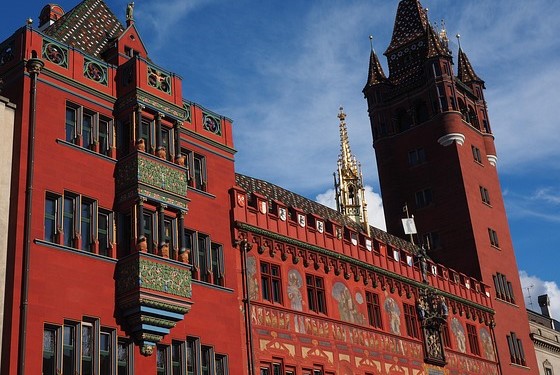
Old Town and Marktplatz
The historic core of Basel centres on Marktplatz, where the red Rathaus with its painted facade and tower overlooks a steady flow of trams, shoppers and market stalls. Under striped awnings you find seasonal produce , flowers and cheeses, while nearby lanes lead between tall, narrow houses with steep gabled roofs . As you wander uphill toward quieter squares, you pass decorated fountains , antique shops and discreet courtyards that hint at centuries of trade wealth. Small cafes tucked under arcades are perfect for a mid morning coffee while you watch locals crossing the square with canvas bags. In the late afternoon, facades catch the last light and windows begin to glow, giving the streets a theatrical quality. Take time to look up at painted coats of arms , carved stone heads and intricate window frames that are easy to miss at first glance. This compact quarter makes it simple to link major sights on foot and still slip away into hidden back alleys for quieter moments.
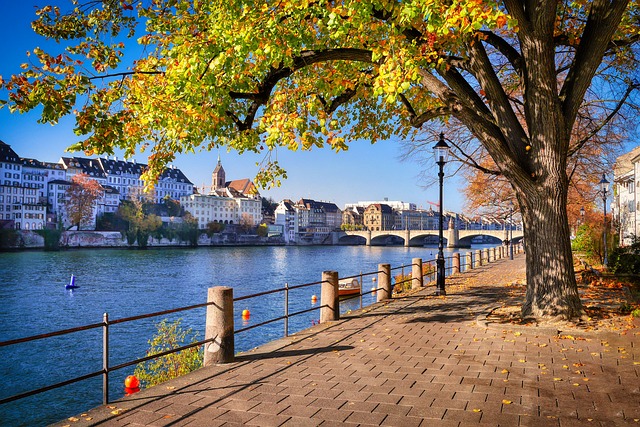
Rhine Promenade Kleinbasel
On the Kleinbasel side of the Rhine, the promenade becomes an elongated living room whenever the weather is kind. Long stretches of stone steps and low walls turn into informal seating, where residents unroll towels, share picnics or simply watch the water slide past. During warm months, queues form at the Rhine ferries , tiny boats that cross powered only by the current pulling against a cable. Above the banks, you find pop up buvettes serving drinks and simple dishes from wooden huts, while quiet back streets hold courtyard bars and small restaurants with terraces. In the late afternoon, the sun lights up the facades of the opposite bank, giving perfect conditions for photos of riverfront architecture . Confident swimmers join the local ritual of drifting with a waterproof "Wickelfisch" bag from one staircase to another. Even if you stay dry, following the promenade at an unhurried pace reveals how strongly everyday life in the city is tuned to this riverside stage .
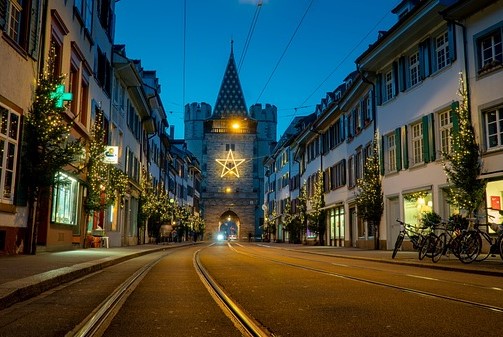
Spalentor City Gate
Spalentor, a fortified gate from the fifteenth century, stands like a stone bookmark at the edge of the historic centre. Its tall central tower, flanked by two lower round turrets, still shows medieval defensive details such as arrow slits, machicolations and heavy doors. Above the arch you can see coats of arms and painted shields that once greeted merchants arriving from France. Today, trams and bicycles pass underneath, weaving modern traffic through this surviving fragment of city walls . It is worth walking all the way around the gate to appreciate the tiled roof patterns , niches with figures and the way the structure connects to adjoining townhouses. Nearby streets lined with classic town villas and leafy gardens invite a short stroll, especially in late afternoon when the stone glows warmly. Spalentor offers a tangible sense of how the city once controlled its entrances and reminds visitors that relaxed crossings are a recent chapter in a long history of guarded trade routes .
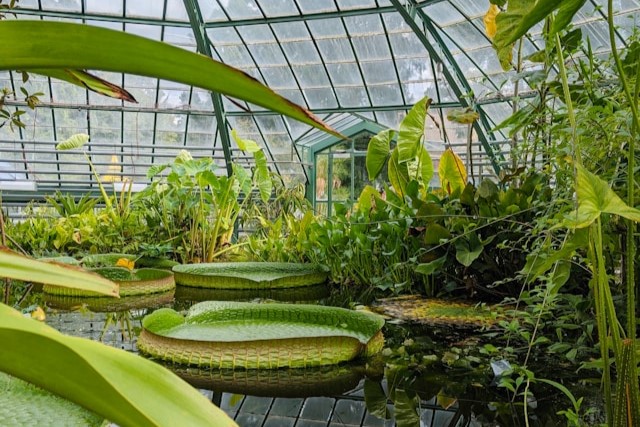
University of Basel Botanical Garden
Near the old university buildings, the University of Basel Botanical Garden offers a compact but remarkably varied green refuge. Curving paths lead past alpine rockeries , medicinal beds and shady corners where benches invite quiet reading or conversation in the open air. Three large glasshouses shelter tropical, subtropical and desert plants, each with its own distinct climate, scents and textures. You can wander among giant leaves , spiny cacti and delicate orchids, watching condensation gather on the glass and listening to subtle water features . Outside, labelled trees and shrubs map out different regions of the world in living form, used daily by students and researchers. Seasonal changes bring new colours and forms, from spring blossoms to autumn seed heads and winter silhouettes dusted with frost. Because the garden is modest in size, it is easy to fit into a busy day yet rich enough to reward slow observation, making this living plant collection a quietly inspiring stop just minutes from trams and busy streets.