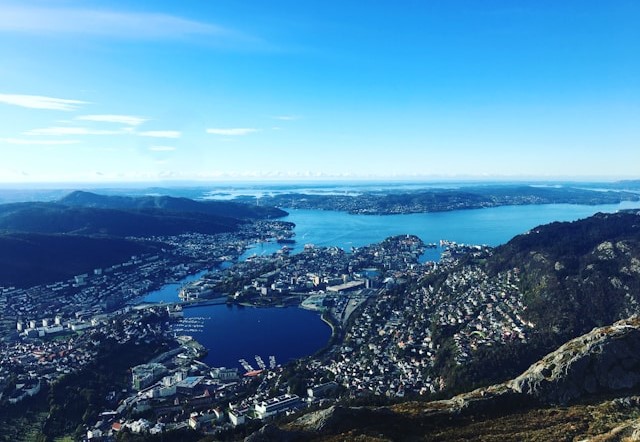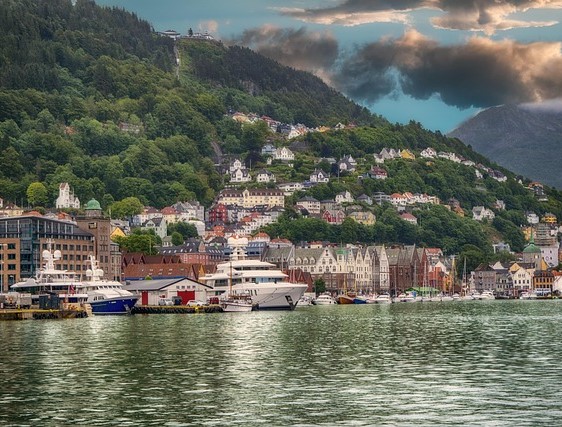
City view of Bergen, Norway

Bergen

Bergen greets visitors with rows of colorful wooden houses along the harbor, yet its character extends far beyond first impressions. Once a vital Hanseatic League port, it still carries a sense of maritime authority in its cobbled lanes and historic warehouses. Seafood here is not just a meal but a cultural statement, with fish markets serving delicacies pulled straight from surrounding waters. The city is hemmed in by mountains, and funicular rides reveal panoramas that hint at the sheer scale of western Norway’s dramatic landscapes. Contemporary art spaces, lively student life, and a growing indie music scene add to the mix. Less known is that Bergen experiences over 200 days of rain each year, inspiring locals to perfect the art of cozy indoor gatherings. This blend of weathered history and cultural evolution makes Bergen an essential stop for understanding Norway’s layered coastal identity.

Top attractions & things to do in Bergen

If you’re searching for the best things to do in Bergen, this guide brings together the top attractions and must-see places to visit in Bergen. The top picks below highlight the most visited sights for first-time visitors, plus a few local favorites worth adding.

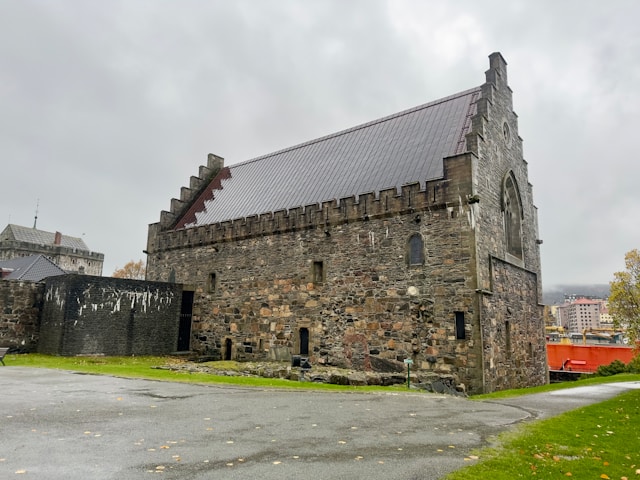
Bergenhus Fortress in Bergen, Norway

Bergenhus Fortress

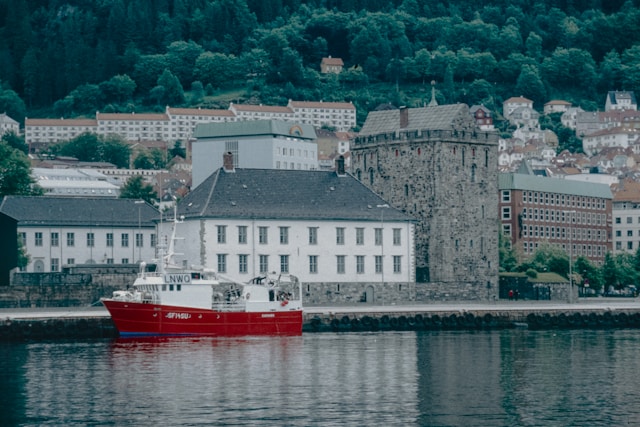
Bergenhus Fortress is one of Norway’s oldest and best-preserved fortifications, with origins in the 1240s. Its stone halls once housed royal banquets under King Haakon Haakonsson, whose medieval hall still stands as a centerpiece. Later additions like Rosenkrantz Tower reinforced its military strength during the 16th century. The fortress has withstood sieges, fires, and even German occupation during World War II, when it served as a strategic base. Visitors walk through courtyards that reveal centuries of shifting power, from monarchy to military administration. Today, concerts and festivals animate the grounds, layering joy onto history. A remarkable detail is that the fortress escaped destruction during the great fire of 1702, preserving its medieval core. Bergenhus remains both a cultural venue and a solemn witness to Norway’s turbulent past, standing proudly at the entrance of the city’s harbor.
Ads place
Ads place
Ads place
Ads place
Ads place
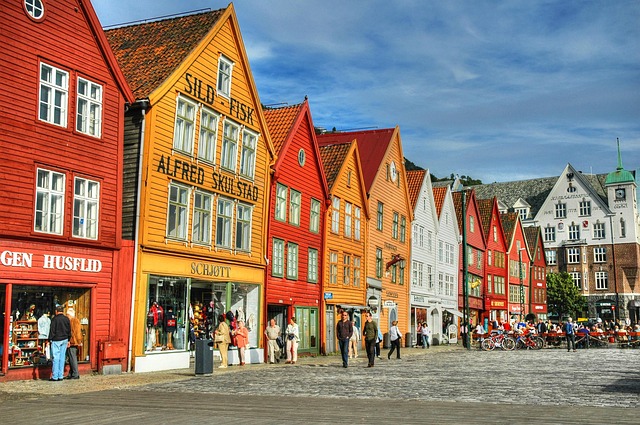
Bryggen Wharf in Bergen, Norway

Bryggen Wharf

Bryggen Wharf tells the story of Bergen’s mercantile power as part of the Hanseatic League from the 14th century onward. Its wooden gabled houses, rebuilt after a devastating 1702 fire, stand as vivid reminders of centuries of trade between Norway and continental Europe. Narrow alleyways behind the façades reveal hidden workshops where merchants once stored dried cod, the commodity that fueled Bergen’s wealth. Today, these crooked passages shelter craft studios and museums, connecting past and present in unexpected ways. The Hanseatic Museum showcases artifacts that survived centuries of commerce and hardship, allowing visitors to imagine life in these cramped quarters. A fascinating detail is that the wooden structures must be constantly maintained due to their vulnerability to fire, making Bryggen a UNESCO World Heritage Site that is both fragile and enduring. Standing here, one feels the heartbeat of Bergen’s history, where trade, culture, and survival have intertwined for over six hundred years.
Ads place
Ads place
Ads place
Ads place
Ads place
Den Nationale Scene in Bergen, Norway

Den Nationale Scene

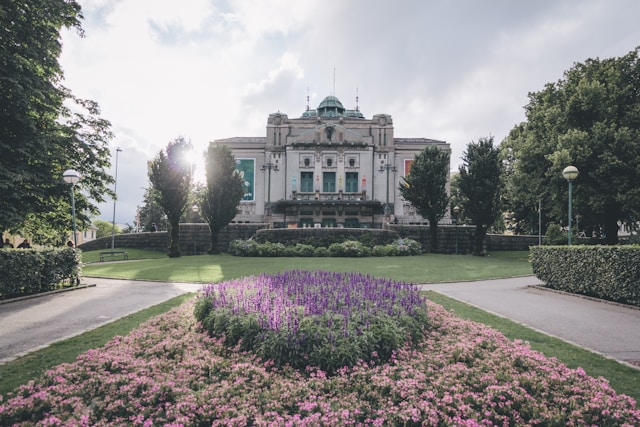
Den Nationale Scene is Norway’s oldest permanent theater, officially inaugurated in 1876 with the support of playwright Henrik Ibsen, who also served as its artistic director in the early years. The current building, completed in 1909 and designed by architect Einar Oscar Schou, combines neoclassical elegance with subtle Art Nouveau details, making it one of Bergen’s architectural treasures. Inside, richly decorated halls host performances ranging from contemporary drama to timeless classics, reflecting the theater’s mission to balance tradition with innovation. Generations of Norwegian actors launched their careers here, cementing its role as a cultural incubator for the nation. One fascinating detail is that the ceiling paintings were restored after World War II, when the theater narrowly escaped major damage. Today, Den Nationale Scene continues to draw audiences into stories that resonate beyond the stage, remaining both a monument to Norwegian identity and a living, breathing center of artistic expression.
Ads place
Ads place
Ads place
Ads place
Ads place
Fantoft Stave Church in Bergen, Norway

Fantoft Stave Church

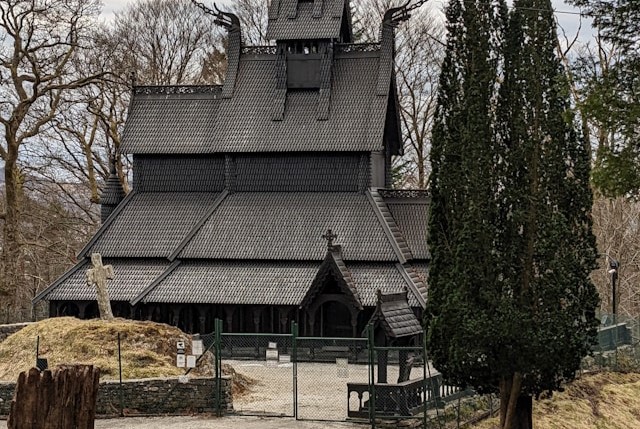
Fantoft Stave Church is a reconstruction of a medieval wooden church originally built around 1150. After being destroyed by arson in 1992, it was meticulously rebuilt, honoring Norway’s unique stave architecture with its steep pitched roof and dragon-head carvings. The church’s dark tarred exterior stands in sharp contrast to the surrounding forest, creating an atmosphere of solemn beauty. Inside, visitors find simple wooden benches and altars that recall centuries of worship. Stave churches were once common across Norway, but fewer than 30 remain today, making Fantoft an essential part of cultural preservation. An intriguing fact is that stave churches blend Christian symbolism with pagan motifs, visible in intricate carvings of animals and vines. Standing at Fantoft, one senses both reverence and resilience, as the structure embodies Norway’s determination to preserve heritage even in the face of loss.
Ads place
Ads place
Ads place
Ads place
Ads place
Fish Market in Bergen, Norway

Fish Market

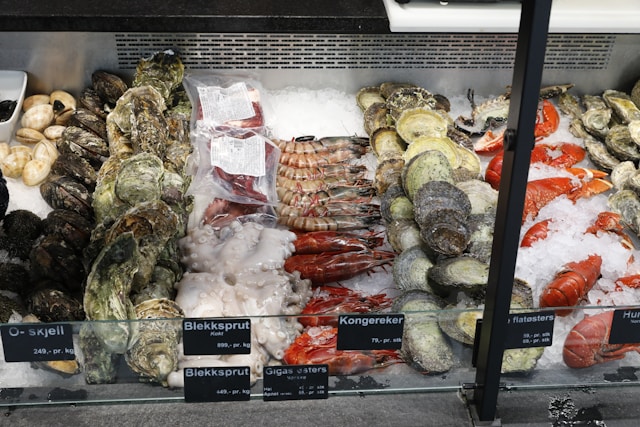
Bergen’s Fish Market has served as the city’s stomach since the 1200s, where local fishermen once rowed directly into the harbor to sell their catch. Fresh seafood remains central, from salmon and halibut to the more unusual delicacies like whale meat. Stalls also offer reindeer sausages and berries from the surrounding mountains, reminding visitors of the variety of Norway’s landscapes. The market’s modern glass hall, opened in 2012, provides shelter from Bergen’s frequent rain while preserving the lively atmosphere. A fascinating tradition is that generations of families have passed down stalls, making it as much about lineage as commerce. The Fish Market also reflects Bergen’s openness to the world, with traders welcoming visitors in several languages. Many are surprised to learn that archaeological finds beneath the site revealed traces of medieval jetties, proving that trade here is truly ancient. Eating by the water’s edge, one tastes history as well as the sea.
Ads place
Ads place
Ads place
Ads place
Ads place
Fløibanen Funicular in Bergen, Norway

Fløibanen Funicular

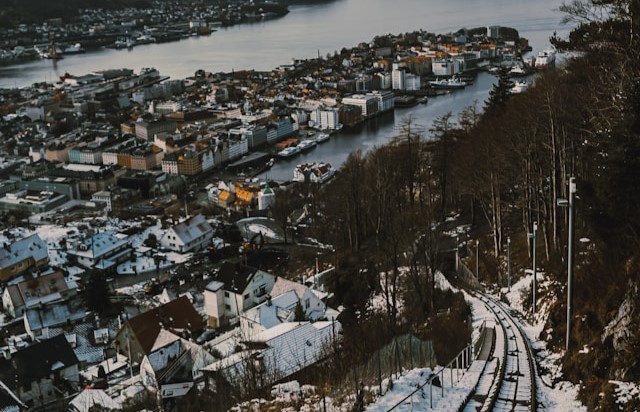
The Fløibanen Funicular carries visitors from the city center to the summit of Mount Fløyen in under eight minutes, yet the journey feels like a leap between two worlds. Opened in 1918, it has transported millions of passengers, from curious tourists to King Haakon VII, who once enjoyed the ride himself. The steep track offers glimpses of Bergen’s rooftops before opening to expansive views of the fjords and surrounding mountains. At the top, trails lead into forests that feel far removed from the bustling harbor below. The funicular cars, modernized several times, retain their original charm while ensuring smooth rides even on rainy days. One quirky fact: during World War II, German forces attempted to control the line, recognizing its strategic vantage point. Today, Fløibanen remains both a beloved daily commuter tool for locals and a magical ascent for visitors eager to see Bergen from a different perspective.
Ads place
Ads place
Ads place
Ads place
Ads place
Mount Ulriken in Bergen, Norway

Mount Ulriken

Mount Ulriken is the tallest of Bergen’s seven surrounding peaks, rising 643 meters above sea level. A cable car built in 1961 sweeps passengers up the mountainside, where panoramic views reveal the city, fjords, and distant islands. Hiking trails extend from the summit, including the famous Vidden route leading toward Mount Fløyen. Ulriken has long been a place of both strategic lookout and local pride, with tales of shepherds and wanderers leaving carvings on rocks centuries ago. A popular tradition is dining in the glass-walled restaurant at the top, where meals arrive with sunsets as their backdrop. During winter, the slopes host skiing and sledding, adding to its year-round appeal. A quirky fact: Ulriken once featured Norway’s highest TV mast, which became a symbol for the city skyline. Standing here, visitors sense Bergen’s identity as a city cradled by mountains yet always reaching skyward.
Ads place
Ads place
Ads place
Ads place
Ads place
Rosenkrantz Tower in Bergen, Norway

Rosenkrantz Tower

Rosenkrantz Tower stands as a fortified reminder of Bergen’s medieval might, constructed in the 1560s by Governor Erik Rosenkrantz. Built on foundations dating back to 1270, when King Magnus Lagabøte established a royal residence here, the tower combines Renaissance style with defensive features. Its thick stone walls, dungeons, and arrow slits reveal a building designed for both governance and survival. Visitors climb narrow spiral staircases to reach chambers decorated with heraldic symbols, where noblemen once discussed politics and alliances. The rooftop offers commanding views over Bergen harbor, reminding all of the city’s strategic significance. One lesser-known fact is that prisoners once scratched graffiti into the walls, etchings still visible today. Rosenkrantz Tower stands at the intersection of civic pride and military necessity, embodying centuries when Bergen was both a royal seat and a vulnerable target.
Ads place
Ads place
Ads place
Ads place
Ads place
St Johns Church in Bergen, Norway

St Johns Church

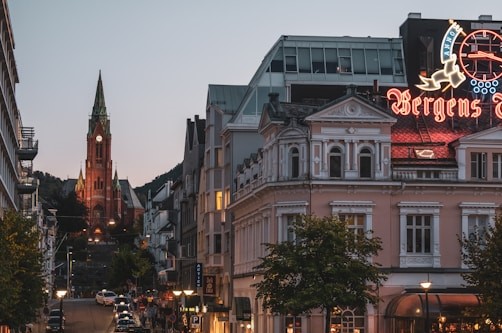
St John’s Church dominates Bergen’s skyline with its soaring red-brick spire, rising an impressive 61 meters above the city. Consecrated in 1894, it was designed by architect Herman Major Backer in Gothic Revival style, creating a sense of vertical grandeur visible from miles away. With space for over 1,200 worshippers, it is the largest church in Bergen and a reminder of the city’s rapid growth during the late 19th century. Inside, richly painted ceilings and stained-glass windows illuminate the nave, filling it with a kaleidoscope of color on sunny days. The organ, one of the largest in Norway, still resonates powerfully during concerts and services, drawing music lovers as much as the faithful. A fascinating detail is that the church’s construction was funded almost entirely through public donations, reflecting the strong communal spirit of Bergen’s residents. Standing at its steps, visitors sense both civic pride and spiritual devotion intertwined.
Ads place
Ads place
Ads place
Ads place
Ads place
Troldhaugen in Bergen, Norway

Troldhaugen

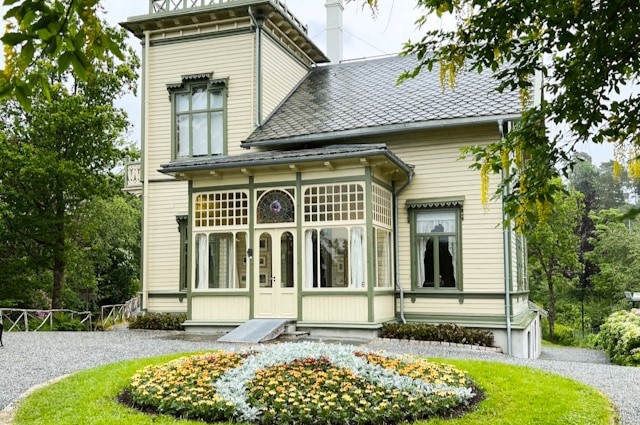
Troldhaugen was once the home of composer Edvard Grieg, Norway’s most celebrated musician. Built in 1885, the villa overlooks Lake Nordås, where Grieg found inspiration for his piano works and orchestral suites. The interior is preserved with his piano, original furniture, and portraits, making it a journey into the composer’s intimate world. Visitors often walk to the small composing hut by the water, where masterpieces such as the Piano Concerto in A minor took shape. The grounds include a concert hall, where performances of Grieg’s works resonate near his grave. A fascinating fact is that Grieg was only 150 centimeters tall, yet his music carried monumental strength, a contrast visitors often reflect upon. Troldhaugen offers not just history but living sound, as each performance revives the spirit of the man who helped define Norway’s cultural identity on the global stage.
Ads place
Ads place
Ads place
Ads place
Ads place