
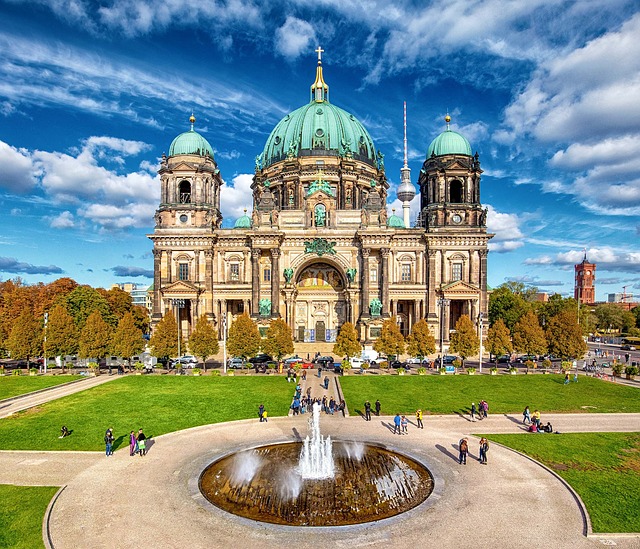
Berlin Cathedral
In Berlin, Germany .
More places to visit in Berlin
Discover more attractions and things to do in Berlin.
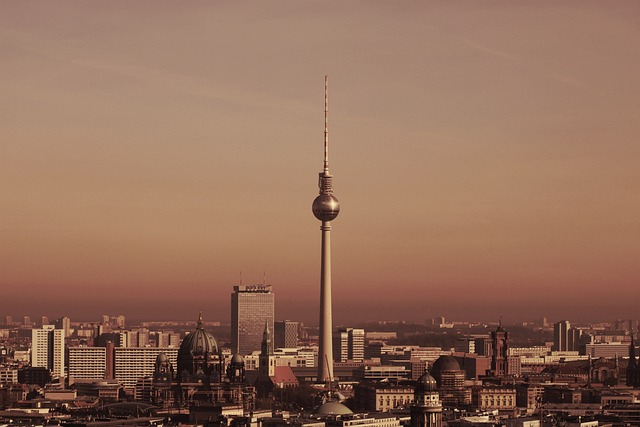
Berlin TV Tower
The Berlin TV Tower, or Fernsehturm , is one of the city's most recognizable buildings. Located in Alexanderplatz , it was constructed in the late 1960s by the East German government to demonstrate the strength of their socialist regime. Standing at over 360 meters , it is the tallest structure in Germany and offers visitors panoramic views of Berlin's vast landscape. The observation deck and rotating restaurant provide a unique experience, allowing guests to dine while taking in breathtaking 360-degree views. The tower's modernist design reflects mid-20th-century engineering and continues to be a symbol of Berlin's urban skyline. The sphere's design was inspired by the Soviet satellite Sputnik , and its cross-shaped reflection on sunny days earned it the nickname "Pope's Revenge" in atheist East Germany.
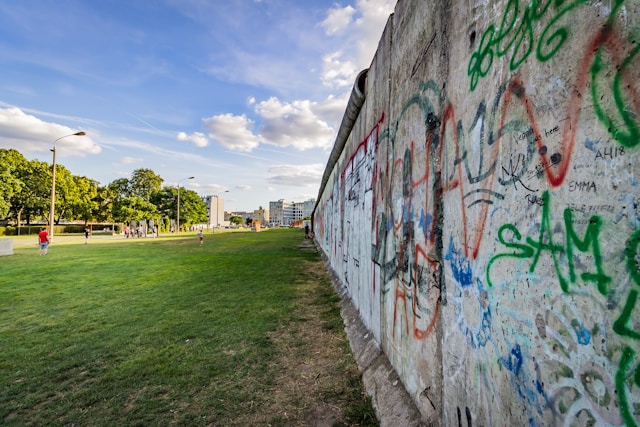
Berlin Wall Memorial
The Berlin Wall Memorial stands as a poignant reminder of the division that split Berlin for nearly three decades. Situated on Bernauer Strasse , the memorial preserves a section of the wall along with a guard tower and documentation center. Visitors can learn about the historical significance of the wall, the stories of those who tried to cross it, and the impact it had on the city's residents. The site also includes the Chapel of Reconciliation , which symbolizes peace and healing. This memorial invites contemplation on freedom, unity, and the human cost of political conflict. Hidden beneath the site are remnants of escape tunnels dug by East Germans, and the "Window of Remembrance" displays photos of 136 victims who died at the Wall.
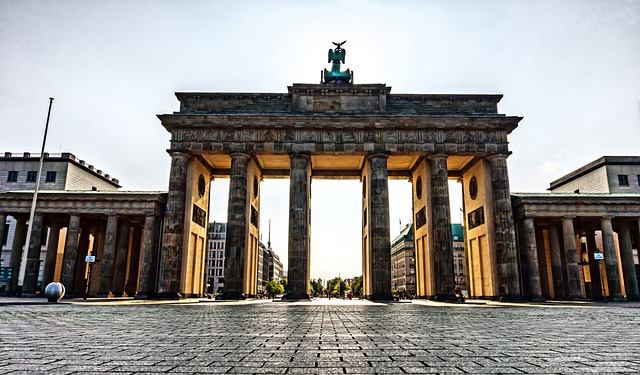
Brandenburg Gate
The Brandenburg Gate is one of Berlin's most iconic landmarks and a symbol of Germany's tumultuous history and unity. Originally commissioned by King Frederick William II in the 18th century , the gate has witnessed numerous historical events, including Napoleon's march into Berlin and the Cold War division symbolized by the Berlin Wall. Standing at the entrance to the famous Unter den Linden boulevard, this neoclassical structure boasts towering columns and a majestic quadriga sculpture atop it. Today, it represents peace and the reunification of Germany, drawing millions of tourists who marvel at its grand architecture and significance. The quadriga was stolen by Napoleon in 1806 but returned after his defeat. During New Year's Eve, the gate becomes the focal point for Berlin's celebrations with spectacular light shows.
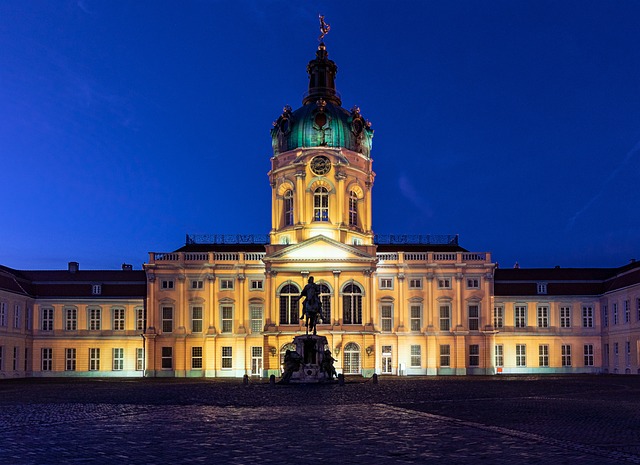
Charlottenburg Palace
Charlottenburg Palace is the largest palace in Berlin and a testament to the grandeur of the Hohenzollern dynasty . Built in the late 17th century as a summer residence for Sophie Charlotte, the first queen consort of Prussia, the palace is a fine example of baroque and rococo architecture. Its lavishly decorated rooms, including the Golden Gallery and Porcelain Cabinet, showcase royal opulence. The surrounding gardens, designed in French and English styles, offer a serene escape with sculptures, fountains, and the Belvedere Tea House. The palace also hosts concerts and cultural events, making it a cultural highlight in Berlin. The palace chapel contains the world's largest collection of 18th-century French porcelain outside France. Secret passageways in the palace were used by royalty to avoid public encounters.
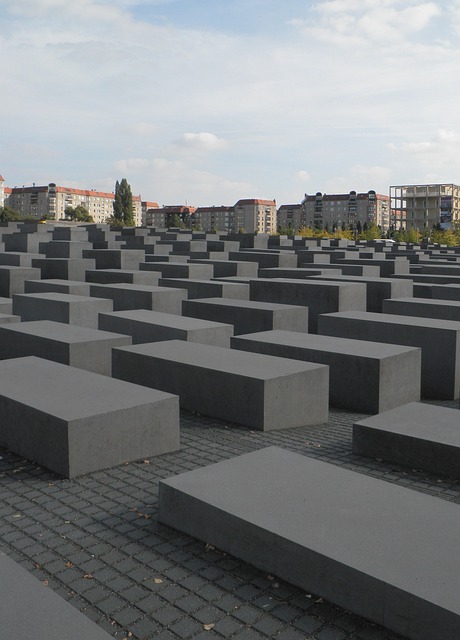
Holocaust Memorial
The Holocaust Memorial, officially known as the Memorial to the Murdered Jews of Europe, is a poignant and solemn site in the heart of Berlin. Designed by architect Peter Eisenman , it consists of 2,711 concrete slabs of varying heights arranged in a grid pattern over an undulating field. This stark and powerful installation invites reflection and contemplation on the unimaginable suffering of Holocaust victims. Visitors can also explore the underground information center, which provides personal stories and historical context. The memorial serves as a reminder of the importance of remembrance and humanity in the face of tragedy. Eisenman intentionally avoided symbolic interpretations, stating the slabs represent "a supposedly ordered system losing touch with human reason." The underground archive contains letters from Anne Frank's father Otto.
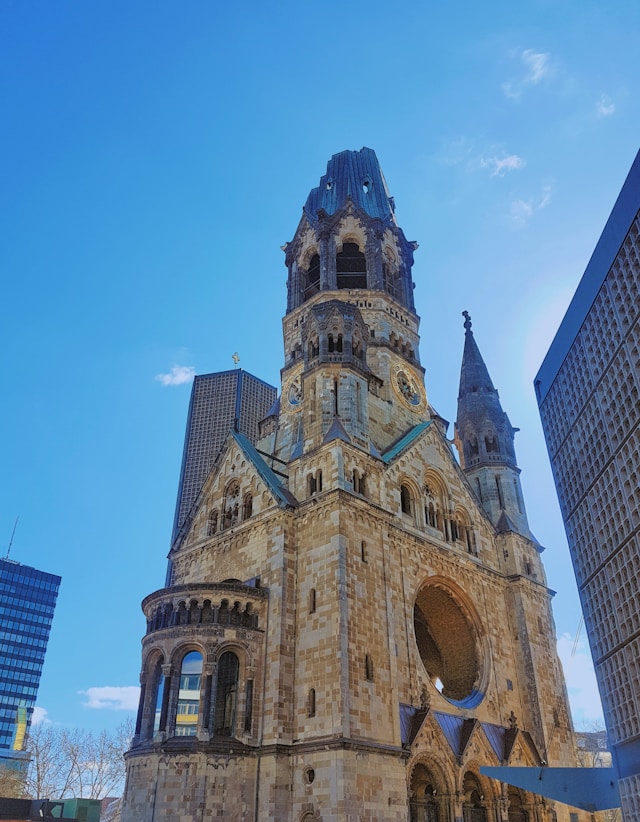
Kaiser Wilhelm Memorial Church
The Kaiser Wilhelm Memorial Church is a striking landmark in Berlin, located on Breitscheidplatz in the city's western center. Originally constructed in the late 19th century , the church was heavily damaged during World War II. Today, the ruins of the original spire stand as a reminder of the destruction of war and the resilience of the city. A modern church with a distinctive blue-glass design was built adjacent to it, creating a unique juxtaposition of old and new. Visitors can explore the memorial hall inside, which exhibits photographs and information about the church's history and reconstruction. The damaged tower is nicknamed "Der Hohle Zahn" (The Hollow Tooth), and the new church contains a surviving mosaic of Christ from the original altar.
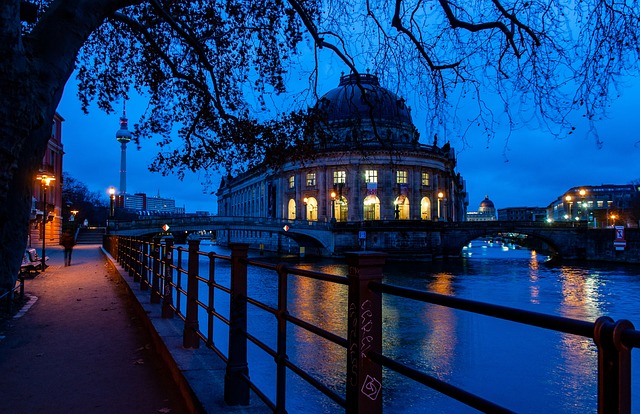
Museum Island
Museum Island is an extraordinary UNESCO World Heritage site in Berlin, home to five world-renowned museums. These include the Pergamon Museum , the Altes Museum, the Neues Museum, the Alte Nationalgalerie, and the Bode Museum. The island showcases an impressive range of art and cultural artifacts from ancient civilizations to 19th-century European art. The Pergamon Museum, known for its monumental reconstructions, is a particular highlight. Museum Island's combination of architecture and collections attracts art and history enthusiasts from around the globe, offering a journey through time and culture. It is an essential stop for anyone exploring Berlin's rich heritage.
Reichstag Building
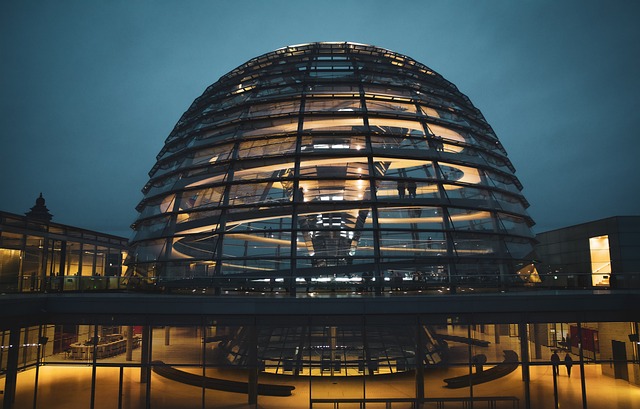
The Reichstag Building is a historic and politically significant structure in Berlin that houses the German Bundestag (Parliament). Originally completed in 1894 , the building has witnessed key moments in German history, including the infamous fire in 1933 and the reunification of Germany. After extensive renovations led by architect Norman Foster , it now features a modern glass dome that symbolizes transparency in government. Visitors can tour the dome and rooftop terrace to enjoy panoramic views of Berlin while learning about the country's legislative processes. The blend of historic and contemporary architecture makes the Reichstag a must-visit landmark. Soviet soldiers left graffiti on its walls in 1945, some preserved as historical artifacts. The dome's mirror funnel uses 360 solar panels to power the building.
Treptower Park
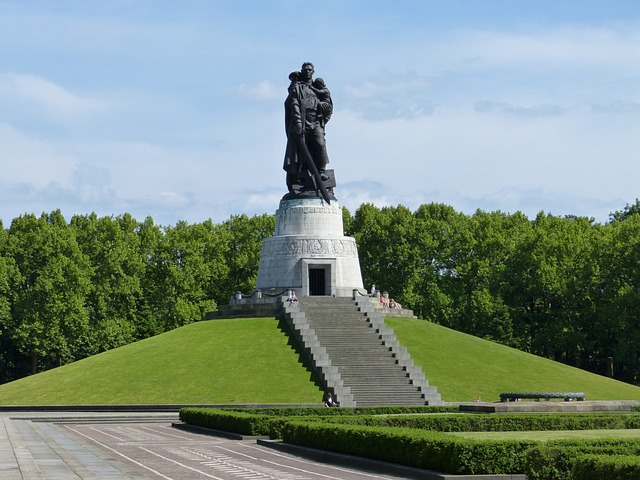
Treptower Park is a large public park in Berlin that offers scenic views of the Spree River and ample green space for relaxation and activities. One of the park's most notable features is the Soviet War Memorial , a grand monument dedicated to the Soviet soldiers who fell during the Battle of Berlin in World War II. The park is also home to the Insel der Jugend (Island of Youth), which is connected by a historic pedestrian bridge. Treptower Park is popular for picnics, leisurely boat rides, and walks along its tree-lined paths, providing a tranquil retreat from the city's hustle and bustle. The Soviet Memorial features a 12-meter bronze statue of a soldier cradling a child, symbolizing liberation. The park hosted the 1896 Great Industrial Exposition, showcasing Germany's technological advancements.