
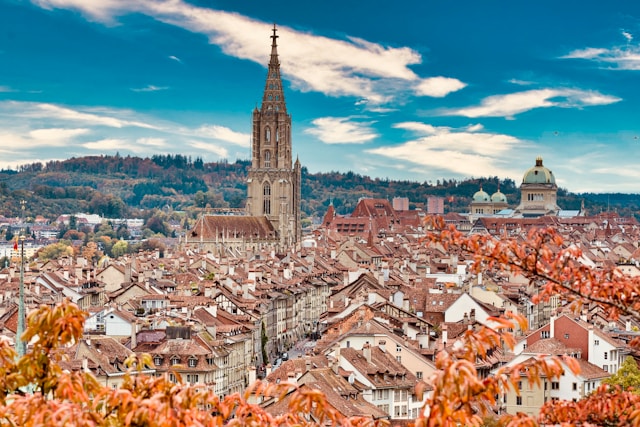
Bern Cathedral Munster Terrace
In Bern, Switzerland .
More places to visit in Bern
Discover more attractions and things to do in Bern.
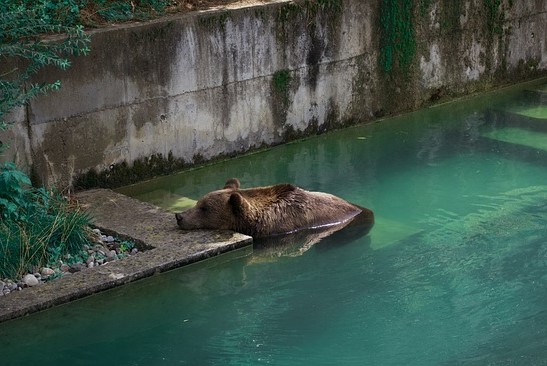
Bear Park Baerenpark
On the slope above the river bend, Bear Park gives a contemporary home to animals that have long been symbols of the city. Instead of small cages, you now see a broad, terraced enclosure where brown bears can move between grassy slopes , rock ledges and river access . From paths and viewing platforms you might watch them bathing, scratching against tree trunks or searching for food hidden by keepers. Transparent barriers keep you comfortably close while still respecting distance. Above, the former Bear Pit has been reworked with exhibits explaining the history of this tradition and changing ideas about animal care. The setting also offers fine views of the Aare River gorge and old town facades on the opposite bank. Families appreciate the mixture of animals, scenery and nearby kiosks, while photographers find interesting angles between the bears, water and city skyline. A riverside path links the park with bridges and lower neighbourhoods, turning a short visit into a longer, pleasant stroll.
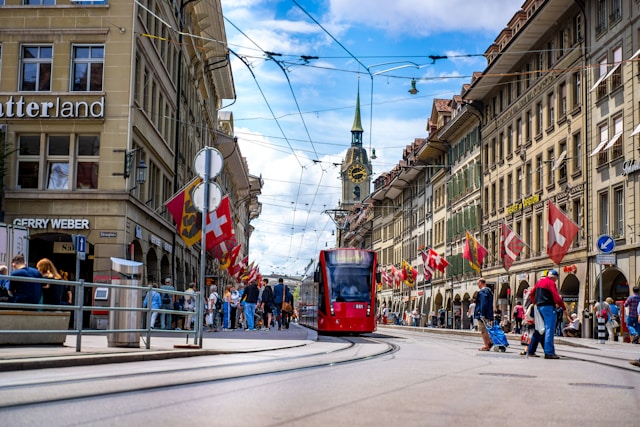
Bern Old Town Arcades
Bern Old Town Arcades stretch for kilometres along sandstone streets, sheltering you from sun, rain and snow as you move between shops, cafes and doorways. Walking here feels almost cinematic: a steady rhythm of arches on one side, tram tracks on the other, with fountains, towers and flags punctuating the view. Under the arches you find independent bookshops, cheese sellers and small galleries, each tucked behind heavy doors and cellar stairs. Many visitors soon realise that these covered arcades make it easy to explore in almost any weather. Look out for decorated fountains topped with historic figures, painted shutters and stone details on sandstone facades . In side alleys, you may discover cellar bars or tiny studios hidden below street level. Officially recognised as a UNESCO World Heritage ensemble, the old town still functions as a working city centre rather than a museum, so you share the pavements with locals on their daily routines, delivery carts and students heading toward the river.
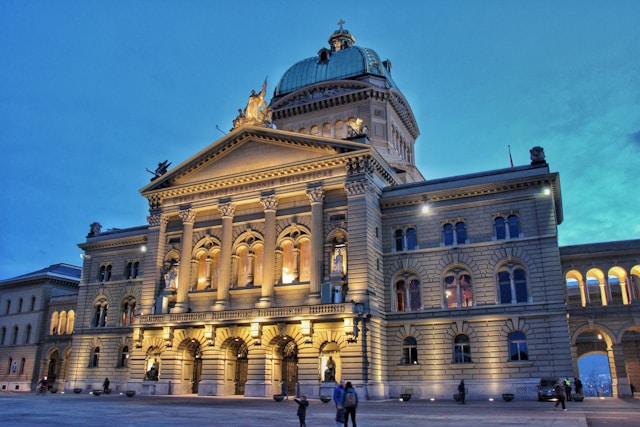
Federal Palace of Switzerland
Above Bundesplatz, the domes and wings of the Federal Palace house the country’s parliament and parts of the national administration. Even from the outside you sense the building’s role within Switzerland , with statues, coats of arms and inscriptions facing the square. In front, children play among the ground level fountains that switch on and off in patterns, while office workers sit on steps with takeaway lunches. When parliament is not in session, you can usually join guided tours that lead through historic chambers , staircases and paintings explaining how the federal system works. At the back of the building, a terrace offers wide views over the Aare River valley , bridges and distant ridges, especially appealing in clear afternoon light. In the evening, subtle illumination and occasional light shows on the facade turn this seat of government into a quiet backdrop for social life on the square, where markets, demonstrations and seasonal events rotate through the calendar.
Kirchenfeld Bridge Viewpoint
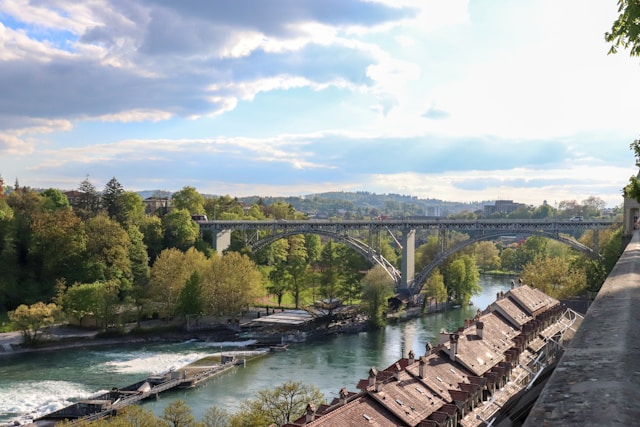
Kirchenfeld Bridge spans the Aare on high pillars, linking the old town with museum districts and residential streets. Walking along its pedestrian path, you look down at the river gorge , with trees, footpaths and swimmers far below, while the skyline of towers, roofs and domes rises on the opposite side. On clear days, the bridge frames a distant line of Alpine peaks beyond rooftops, especially striking at sunrise or sunset. Trams pass close by, adding a gentle hum and occasional bell to the soundscape. Simple railings and viewing points encourage you to pause briefly without blocking others. Many visitors cross in one direction at street level and return later along riverside paths, experiencing both high and low perspectives on the same scene. The bridge also connects conveniently to major museums, making it a natural part of a longer city walk that ties together culture, architecture and landscape in a single loop.
Matte Quarter Riverside Lanes
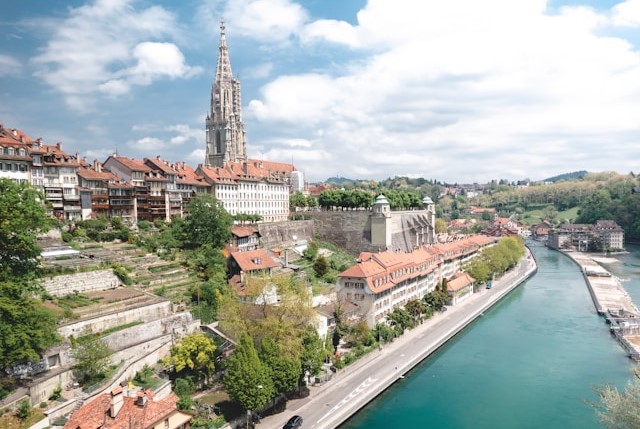
Below the old town cliffs, the Matte quarter feels like a quieter village pressed between rock and river. Narrow riverside lanes run parallel to the water, lined with former workshops, simple houses and small studios where artists and craftspeople work. Wooden shutters, low doors and outside stairways hint at centuries of modest labour, contrasting with the grander facades above. You can follow cobbled alleys toward small jetties, listen to the rush of the Aare River and watch kayakers or rafts pass by. Cafes and bars with outdoor seating give the quarter a softly bohemian note, especially on summer evenings when locals gather at informal terraces . The area connects to the old town via steep stairways and lifts , so you can descend quickly from arcades to the riverside world below. Exploring the Matte quarter reveals a more everyday, slightly rougher texture of city life than the postcard views above.
Paul Klee Center
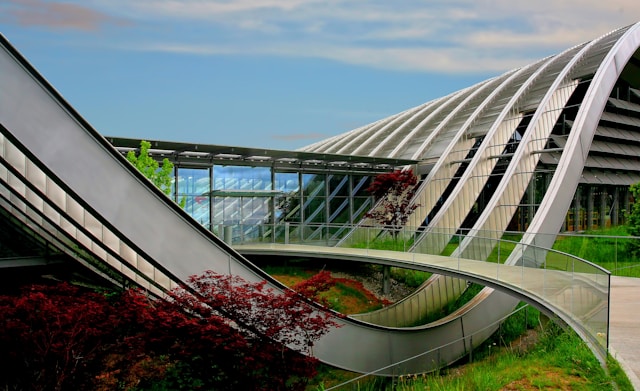
On the eastern edge of the city, the Paul Klee Center combines striking architecture with one of the most important collections of the artist’s work in Switzerland . Designed by Renzo Piano, the building’s wave shaped roof rises and falls like gentle hills, echoing the surrounding landscape. Inside, light controlled galleries display drawings, paintings and documents that reveal different phases of Klee’s career, rotated regularly to protect the works. Clear texts and interactive stations help both newcomers and enthusiasts engage with the art. Beyond the exhibition rooms, you find education spaces , a small auditorium and a cafe opening onto lawns where children play. Paths around the complex offer views back toward the city and out to fields, making the centre feel part of a wider cultural park. Visiting the Paul Klee Center is as much about the building and setting as about individual artworks, and it rewards both quick overview visits and long, reflective afternoons.
Rosengarten Rose Garden
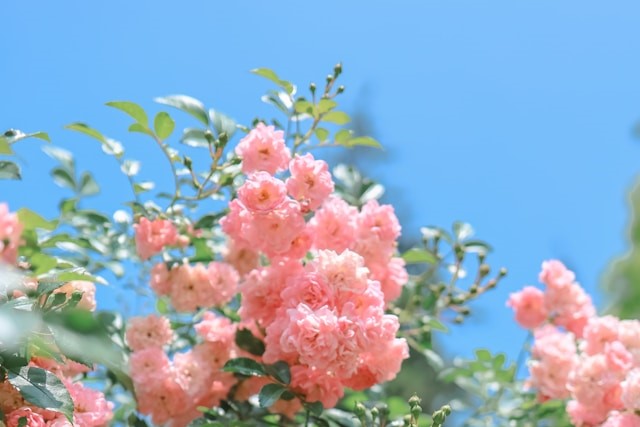
High on a hill opposite the old town, Rosengarten offers one of the most generous viewpoints in Bern . Terraces planted with rose beds , perennials and trees step gently down toward the edge, where low walls frame the river bend and arcades below. In spring and summer, hundreds of rose varieties add colour and scent, while in autumn the foliage and distant hills shift to warmer tones. Paths and benches encourage you to wander slowly, pausing to read plant labels or simply look across the city. Children enjoy the small playground , and there is a popular restaurant and cafe with outdoor seating. Early morning visits deliver soft light and relative quiet, while evenings often bring locals with picnic blankets watching the sun set behind distant ridges . Even on busy days the mix of formal plantings , open lawns and big sky helps the garden feel spacious, making it a favourite place to reset between museums and shopping streets.
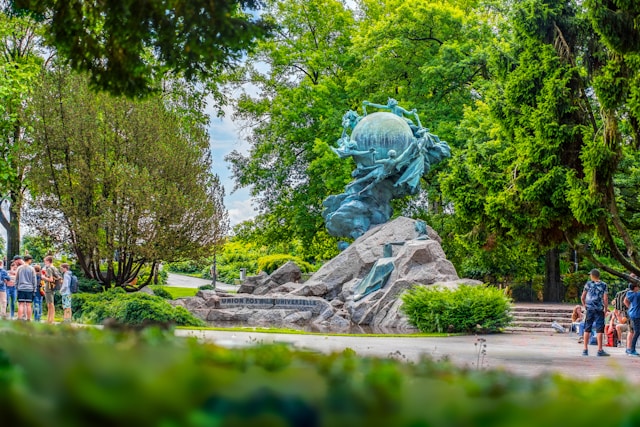
Weltpostdenkmal
At the edge of a quiet park above the river, the Weltpostdenkmal stands as an expressive tribute to global communication. Created in 1909 by the French sculptor René de Saint-Marceaux, the monument features a dynamic circle of bronze messenger figures who appear to move in unison around a symbolic globe. Their flowing drapery and extended arms convey a sense of continuous movement , echoing the idea of messages travelling across nations. When you walk around the base, you notice fine detailing on faces, limbs and garments that highlights the artist’s understanding of expressive sculpture . Panels on nearby signs explain its connection to the Universal Postal Union , founded in Bern and still headquartered in the city. The monument’s raised position offers gentle views of park lawns and rooftops, making it a pleasant stop during a longer stroll between museums and the old town. Early mornings or late afternoons bring softer light, which enhances the textures of the bronze surfaces and encourages you to pause a little longer.
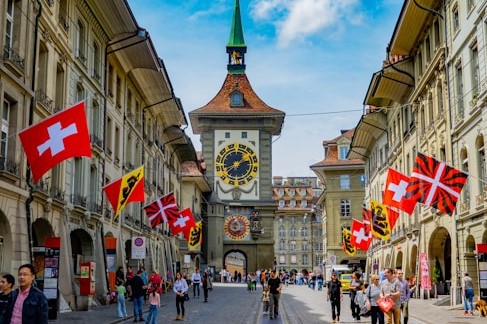
Zytglogge Clock Tower
In the centre of Bern, the Zytglogge Clock Tower marks the point where trams, shoppers and sightseers constantly cross paths. You usually notice it first by the painted astronomical dial and the slight lean of its stone walls above the street. A few minutes before the hour, small crowds gather to watch the Zytglogge Clock Tower perform its brief mechanical show of figures, bells and rotating wheels. Afterwards, you can walk slowly around the tower to study the astronomical clock face , old passages and traces of former city gates. Nearby, narrow lanes reveal medieval facades , arcaded walkways and glimpses of distant hills between roofs. Guided visits sometimes lead inside to the historic clockwork , where gears and weights still drive the outside display. Even if you stay only at street level, this intersection neatly combines everyday public transport, UNESCO World Heritage streets and layered history in one compact, constantly moving corner of the city.