
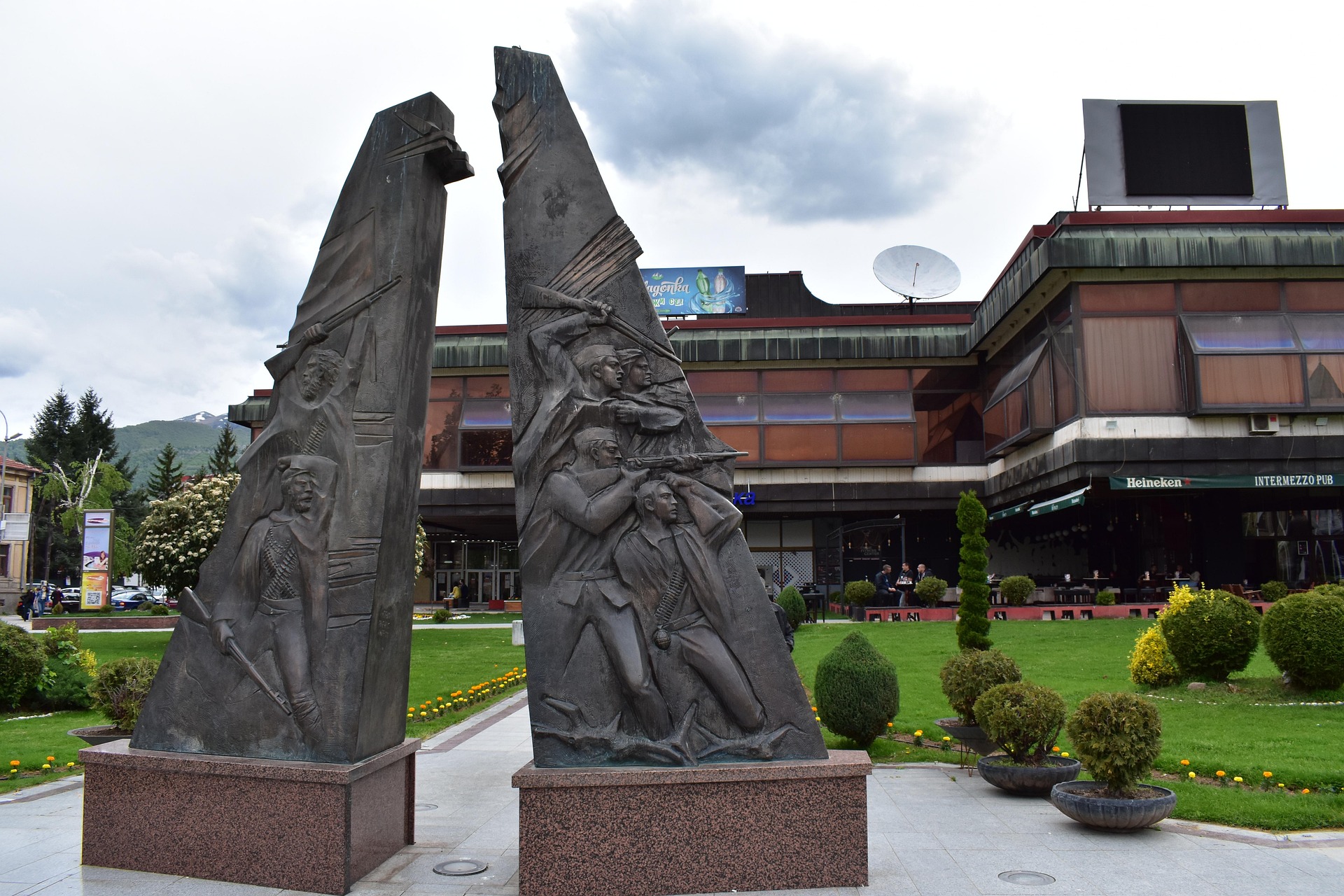
City view of Bitola, North Macedonia

Bitola

Bitola moves with diplomatic grace, a memory of its years as the City of Consuls. Shirok Sokak provides the runway with Austro Hungarian facades, strong coffee, and a steady parade of strollers under plane trees. Nearby Heraclea Lyncestis reveals Roman mosaics of vines and dolphins and the patience of engineers. Markets stack peppers and cheeses with competitive pride, while ovens deliver bourek designed for second helpings. Students fill galleries with bold ideas, and brass bands rehearse like thunder on a leash. Menus feature tavce gravce, shopska salad, and grilled meats that welcome long conversations. Chapels on nearby hills watch the valley like patient guardians. Cyclists chase orange skies along quiet lanes, and winter brings a handsome hush to streets. Order boza or salep when evenings turn cold and watch conversations knit the boulevard together. Bitola stays elegant and welcoming, a place where history shakes your hand, then sends you for another coffee.

Top attractions & things to do in Bitola

If you’re searching for the best things to do in Bitola, this guide brings together the top attractions and must-see places to visit in Bitola. The top picks below highlight the most visited sights for first-time visitors, plus a few local favorites worth adding.

Bitola Clock Tower in Bitola, North Macedonia

Bitola Clock Tower

Rising above the city’s old quarter, the Clock Tower is one of Bitola’s proudest landmarks. Built in the 16th century during the Ottoman period, it has kept time for centuries, its bells marking the hours for generations of traders, soldiers, and schoolchildren. Local lore claims it was constructed using stones from nearby monasteries and even from Heraclea Lyncestis. Standing over 30 meters tall, it offers sweeping views from its upper levels, revealing the red rooftops and the distant Baba Mountain. At night, soft illumination gives the tower a gentle glow that can be seen from across the city. Visitors are often surprised by the mechanism’s precision, a testament to the craftsmanship of its builders. In spring, the surrounding gardens bloom, creating a postcard-perfect scene. Today, it serves not only as a timekeeper but as a symbol of Bitola’s endurance and the city’s blend of old-world charm and modern energy.
Ads place
Ads place
Ads place
Ads place
Ads place
Heraclea Lyncestis in Bitola, North Macedonia

Heraclea Lyncestis

South of modern Bitola, the stones of an ancient city hold their ground against time. Founded by Philip II of Macedon in the 4th century BC, Heraclea Lyncestis was a key stop on the Via Egnatia, the great Roman road that connected the Adriatic to Byzantium. The site is famed for its intricate mosaics, many still bright with geometric patterns and peacocks frozen mid-strut. Visitors can wander past the remains of a basilica, a Roman theatre, and bathhouses where steam once curled in the air. In summer, concerts and plays breathe life back into the ancient stage. Archaeologists have uncovered coins, amphorae, and jewelry that tell stories of trade and daily life here. Standing on the theatre steps as the wind moves through the hills, you feel the centuries condense into a single moment of connection. The surrounding olive groves whisper of the city’s long relationship with the land and its enduring beauty.
Ads place
Ads place
Ads place
Ads place
Ads place
Pelister National Park in Bitola, North Macedonia

Pelister National Park

A short drive from Bitola, Pelister National Park unfolds across the slopes of Baba Mountain, a landscape of alpine meadows, glacial lakes, and ancient forests. Established in 1948, it is North Macedonia’s oldest national park and a sanctuary for the rare Molika pine, a species dating back to the tertiary period. Hikers can explore trails that wind past the shimmering Pelister Eyes lakes, where wildflowers bloom in a riot of color during spring. In winter, the park becomes a playground for skiers, while summer invites birdwatchers and nature lovers. The air here feels especially crisp, and on clear days, views stretch to Greece and Albania. Wildlife includes bears, wolves, and golden eagles, making every trek a potential adventure. Local guides share stories of wartime hideouts and shepherd traditions that still shape the region’s identity. Pelister remains a place where nature and heritage intertwine seamlessly, offering visitors a deep sense of connection to the land.
Ads place
Ads place
Ads place
Ads place
Ads place
Shirok Sokak Street in Bitola, North Macedonia

Shirok Sokak Street

Stretching through the city like a ribbon of light, Shirok Sokak is Bitola’s beating heart. Flanked by neoclassical facades from the late 19th century, it hums with cafes, shops, and the warm chatter of locals on evening strolls. Once a promenade for Ottoman officers and foreign diplomats, it still carries a sense of elegance and occasion. Balconies drip with flowers, and wrought-iron railings frame views down to the Magnolia Square. Street musicians and open-air art stalls bring constant change to its atmosphere. In winter, fairy lights crisscross the sky, while summer invites terrace dining until midnight. Locals insist the best coffee in the Balkans is served here, alongside pastries that rival any European capital. The street is also home to cultural landmarks, including the City Museum, where you can learn about Bitola’s Ottoman and Yugoslav chapters. Walking its length feels like turning the pages of a living history book that never stops being written.
Ads place
Ads place
Ads place
Ads place
Ads place
St. Dimitrija Church in Bitola, North Macedonia

St. Dimitrija Church

Tucked away just off Shirok Sokak, St. Dimitrija Church holds one of the most impressive iconostases in the Balkans. Built in 1830 during the late Ottoman era, its exterior is modest, almost austere, but inside bursts with gilded carvings, rich colors, and intricate details. The towering iconostasis, crafted by master woodcarvers, glows in the candlelight, each panel telling a biblical story with remarkable skill. During religious holidays, the church fills with choral music that resonates in its high dome, creating an atmosphere both intimate and grand. The stone floor has been worn smooth by generations of worshippers, and the faint scent of incense lingers in the air. Frescoes depict saints in vibrant hues that have survived nearly two centuries. The courtyard offers a quiet retreat, shaded by old trees and bordered by flower beds. It is a place where faith, art, and history meet in a setting that still feels deeply alive.
Ads place
Ads place
Ads place
Ads place
Ads place