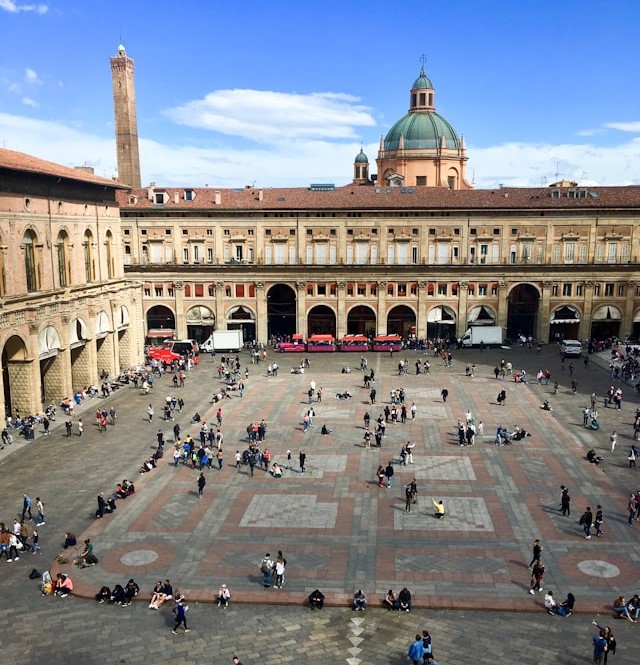
City view of Bologna, Italy

Bologna

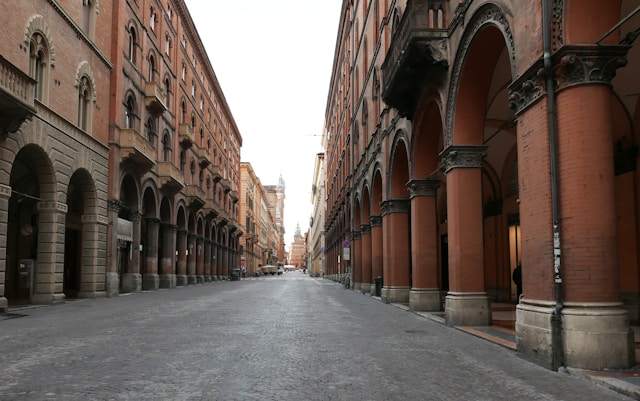
Bologna, the culinary capital of Italy, is a city that delights food lovers and history enthusiasts alike. Renowned for its traditional dishes such as tagliatelle al ragù (Bolognese sauce), tortellini, and mortadella, Bologna is a gastronomic haven. Its historic center is characterized by medieval towers, such as the iconic Asinelli and Garisenda Towers, and the stunning Piazza Maggiore, surrounded by historical landmarks. The University of Bologna, founded in 1088, is the oldest in the world, adding a youthful energy to the city. Visitors can also enjoy the unique portico-lined streets, which offer shelter during both sunny and rainy days. Bologna's blend of rich history, vibrant culture, and exquisite cuisine makes it a must-visit destination.

Top attractions & things to do in Bologna

If you’re searching for the best things to do in Bologna, this guide brings together the top attractions and must-see places to visit in Bologna. The top picks below highlight the most visited sights for first-time visitors, plus a few local favorites worth adding.

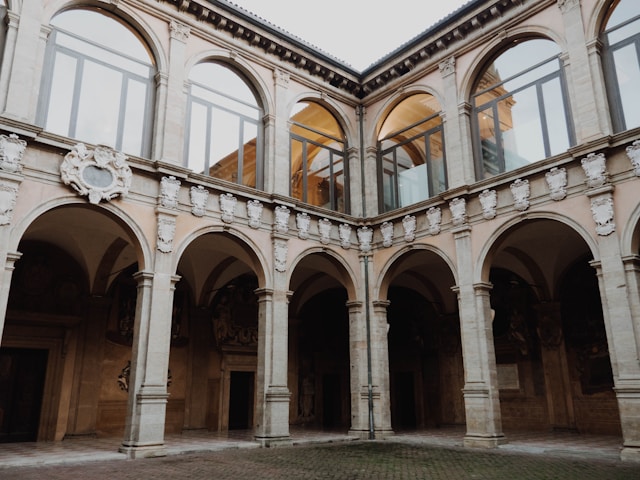
Archiginnasio of Bologna in Bologna, Italy

Archiginnasio of Bologna

The Archiginnasio of Bologna, once the main building of the University of Bologna, is a treasure trove of history and learning. Established in the 16th century, it features magnificent frescoes, ornate ceilings, and the famous Anatomical Theatre, where medical students studied human anatomy. The building also houses an extensive library with thousands of ancient manuscripts and books. Visitors can immerse themselves in the scholarly heritage of Bologna, experiencing one of the oldest universities in the world through this remarkable site. The wooden statues in the Anatomical Theatre were carved to honor early anatomists—one holds a nose peg to block the smell of cadavers. During WWII, the library's rarest manuscripts were hidden in a tunnel beneath the building to avoid destruction, and the tunnel remains sealed today.
Ads place
Ads place
Ads place
Ads place
Ads place
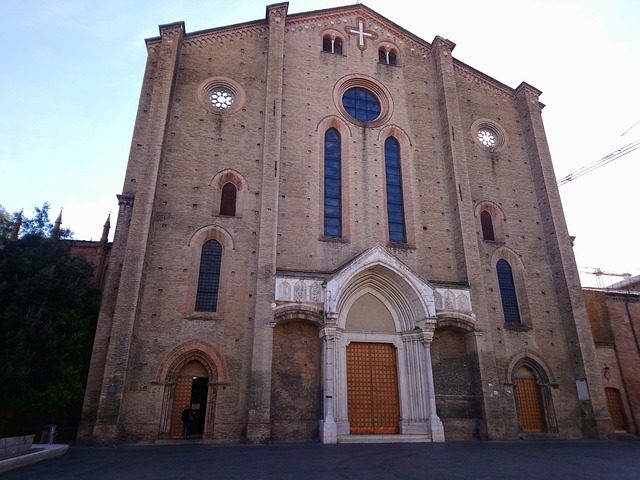
Basilica di San Francesco in Bologna, Italy

Basilica di San Francesco

The Basilica di San Francesco in Bologna is a remarkable example of Gothic and Romanesque architecture, drawing thousands of visitors annually. Constructed in the 13th century, this basilica is notable for its striking façade featuring intricate carvings and its unique blend of architectural styles. It holds a special place in Bologna's history as one of the first major Gothic churches in Italy. The church's interior showcases soaring arches, a majestic nave, and numerous chapels adorned with frescoes and religious artwork. Visitors are particularly drawn to the majestic tombs of the Glossatori, positioned prominently in the adjacent courtyard. These stone structures honor the scholars who contributed significantly to Bologna's medieval university, cementing the city's reputation as a center of learning. The church's bells were melted down during Napoleon's occupation to make cannons. Its cloister garden was once a cemetery for plague victims, rediscovered during renovations in the 1980s, with skeletons still arranged in concentric circles.
Ads place
Ads place
Ads place
Ads place
Ads place
Basilica di San Petronio in Bologna, Italy

Basilica di San Petronio

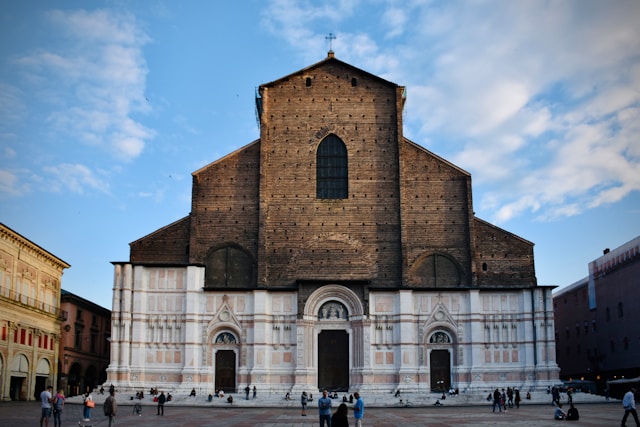
The Basilica di San Petronio is an architectural masterpiece and the largest church in Bologna. Located on Piazza Maggiore, its incomplete façade contrasts with the intricate Gothic interiors. Visitors are drawn to its impressive chapels, beautiful frescoes, and the longest sundial in the world, designed by Cassini in the 17th century. Dedicated to Saint Petronius, the city's patron saint, the basilica holds deep cultural and spiritual significance. It offers a serene and awe-inspiring atmosphere, making it a must-visit landmark. The church was intended to surpass St. Peter's in Rome, but the Pope halted construction to prevent it. The sundial's accuracy is so precise it helped recalculate the Gregorian calendar, and its line extends 66.8 meters through the nave.
Ads place
Ads place
Ads place
Ads place
Ads place
Fountain of Neptune in Bologna, Italy

Fountain of Neptune

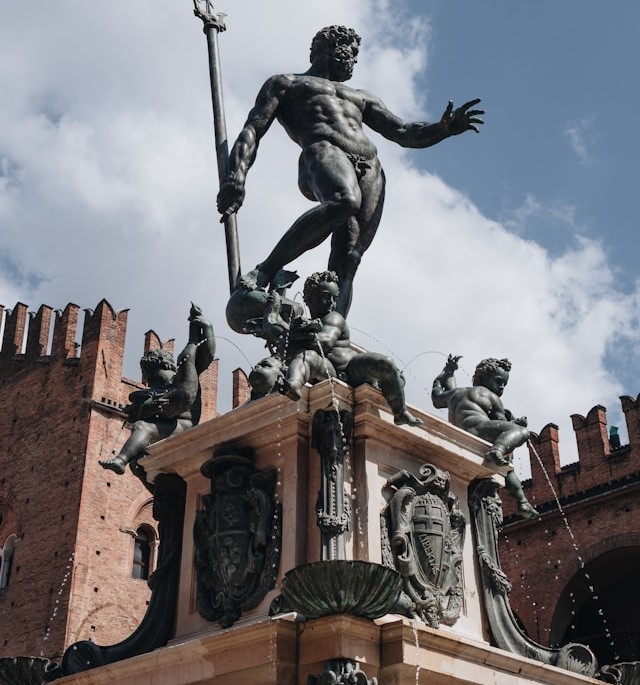
The Fountain of Neptune, located in Piazza del Nettuno, is one of Bologna's most beloved landmarks. Designed by Giambologna in the 16th century, this stunning bronze statue of Neptune stands atop a grand fountain adorned with cherubs and sea creatures. The fountain represents the city's maritime aspirations and is a symbol of power and vitality. Surrounded by history and culture, it is a favorite spot for photography and a central point for exploring the city. The sculptor enlarged Neptune's thumb to correct perspective flaws—locals call it "the thumb that rules the world". Hidden beneath the fountain is a reservoir that once supplied water to the entire square, and its pipes still function today.
Ads place
Ads place
Ads place
Ads place
Ads place
Piazza Maggiore in Bologna, Italy

Piazza Maggiore

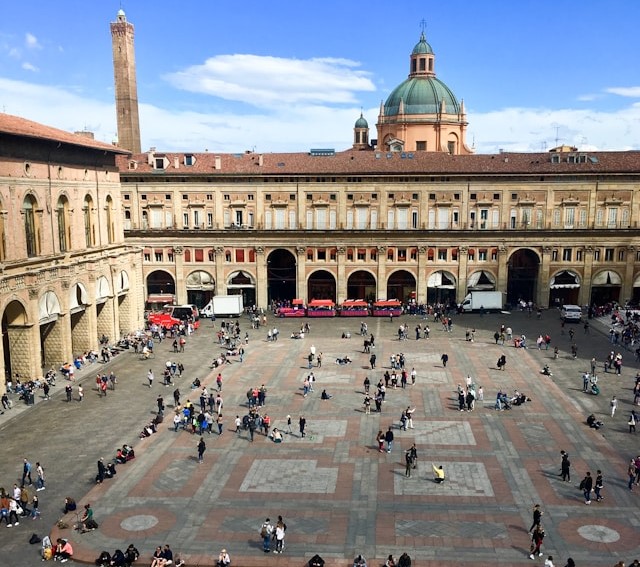
Piazza Maggiore is the heart of Bologna and one of its most iconic locations. Surrounded by historical landmarks like the Basilica di San Petronio, Palazzo d'Accursio, and Palazzo del Podestà, this grand square reflects centuries of history and architectural brilliance. The piazza serves as a lively gathering place for locals and tourists alike, hosting events, concerts, and public gatherings. The pedestrian-friendly area invites visitors to relax at one of the many cafes while soaking in the vibrant atmosphere and admiring the grandeur of the surrounding buildings. A visit to Piazza Maggiore offers an authentic taste of Bologna's cultural and social life. Beneath the square lies a network of medieval canals, once used for trade but now hidden underground. The crescent-shaped scars on the pavement near the fountain mark where a 13th-century rebellion led to the destruction of a noble family's palace.
Ads place
Ads place
Ads place
Ads place
Ads place
Portico di San Luca in Bologna, Italy

Portico di San Luca

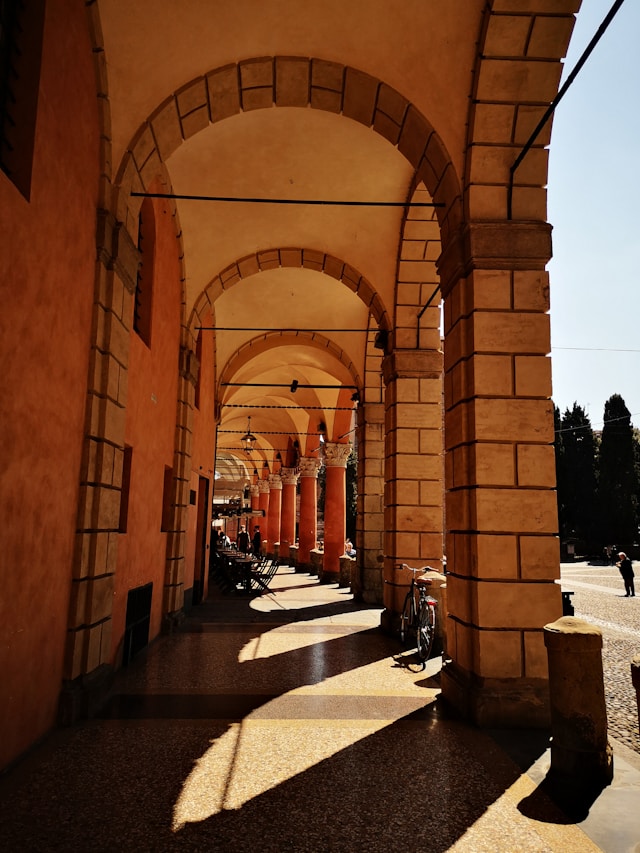
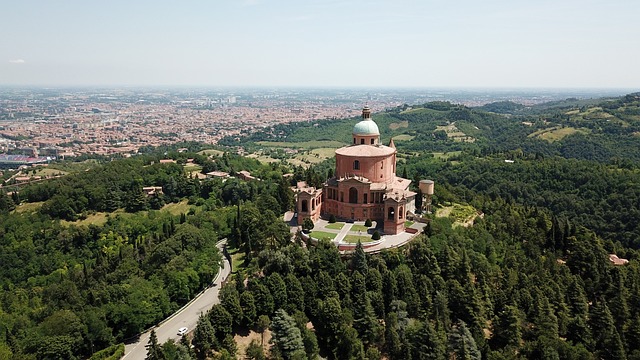
Portico di San Luca is a remarkable covered walkway that stretches nearly 4 kilometers, connecting the city center to the Sanctuary of the Madonna di San Luca on Colle della Guardia. With 666 arches, it is the longest portico in the world. The walk offers stunning views of the countryside and culminates in the sanctuary, a beloved pilgrimage site. The journey combines physical activity with spiritual and scenic rewards. The number 666 was intentional—meant to symbolize the serpent (temptation) crushed by the Madonna. A secret passage in the portico once allowed monks to transport the icon unseen during storms, and its entrance is still visible near the 300th arch.
Ads place
Ads place
Ads place
Ads place
Ads place
Sanctuary of the Madonna di San Luca in Bologna, Italy

Sanctuary of the Madonna di San Luca

The Sanctuary of the Madonna di San Luca is a revered pilgrimage site located atop Monte della Guardia, offering stunning views of Bologna and the surrounding countryside. Connected to the city by the world's longest portico, with 666 arches spanning nearly 4 kilometers, this baroque sanctuary is both a spiritual haven and an architectural masterpiece. The interior houses a cherished icon of the Virgin Mary, said to be of miraculous origin. Visitors can also climb to the dome for panoramic vistas. The sanctuary embodies Bologna's religious and cultural spirit, drawing countless pilgrims and tourists each year. The portico was designed so pilgrims could walk sheltered from rain—each arch corresponds to a Hail Mary prayer. During WWII, the icon was hidden in a nearby village to protect it from bombing, and its return in 1945 was celebrated with a procession of 100,000 people.
Ads place
Ads place
Ads place
Ads place
Ads place
Santo Stefano Basilica in Bologna, Italy

Santo Stefano Basilica

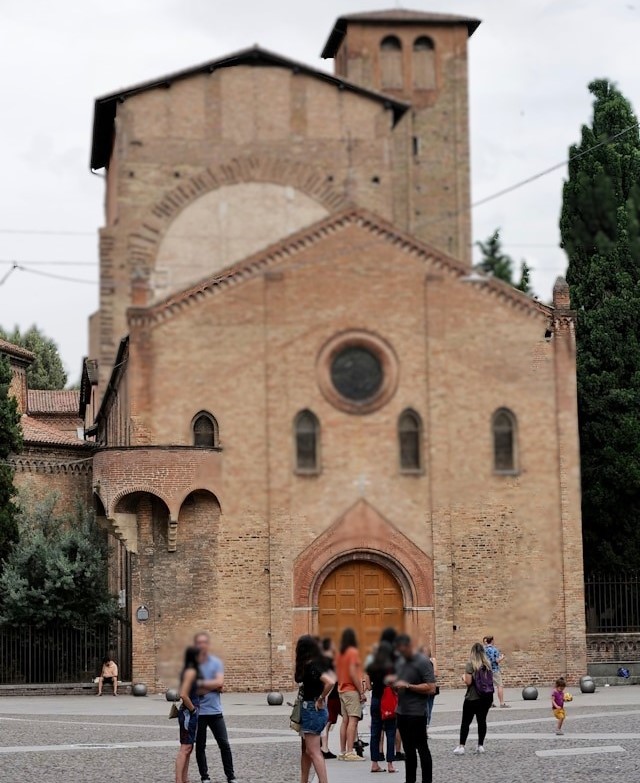
Santo Stefano Basilica, also known as the 'Seven Churches', is a unique complex of religious buildings with origins dating back to the 5th century. Its labyrinthine layout includes courtyards, chapels, and a monastery, offering a peaceful retreat from the bustling city. Each section of the basilica showcases different architectural styles and historical layers, reflecting Bologna's rich heritage. The atmosphere is both spiritual and historical, making it an enchanting destination for exploration and contemplation. The 'Pilate's Basin' in the courtyard is said to be the very bowl Pontius Pilate used to wash his hands after condemning Jesus. The church's oldest section, the Church of the Holy Sepulchre, mimics Jerusalem's original with uncanny precision, down to the dimensions of Christ's tomb.
Ads place
Ads place
Ads place
Ads place
Ads place
Two Towers in Bologna, Italy

Two Towers

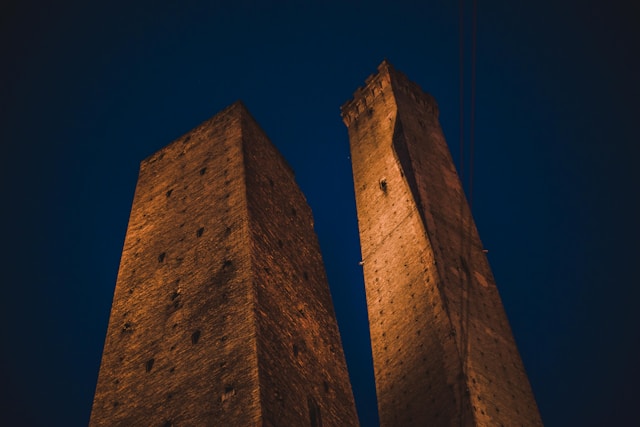
The Two Towers, Asinelli and Garisenda, are the most recognizable symbols of Bologna. These medieval structures once served as status symbols and defensive fortifications for noble families. Asinelli Tower, the taller of the two, is open to visitors who can climb its 498 steps for breathtaking panoramic views of the city. The leaning Garisenda Tower, though shorter, captivates with its dramatic tilt. Surrounded by legends and history, the towers are a testament to Bologna's medieval past and architectural ingenuity. The Asinelli Tower was struck by lightning in 1488, causing a fire that destroyed its wooden stairs—rebuilt only centuries later. Garisenda's tilt (4 degrees) is steeper than the Leaning Tower of Pisa, and Dante referenced it in his Divine Comedy as a metaphor for pride.
Ads place
Ads place
Ads place
Ads place
Ads place
Via Zamboni in Bologna, Italy

Via Zamboni

Via Zamboni is a vibrant street at the heart of Bologna's university district. Lined with historic buildings, cafes, and bookstores, it buzzes with student activity and intellectual energy. Highlights along this street include the University of Bologna, Teatro Comunale, and several academic museums. Walking along Via Zamboni offers a glimpse into the city's educational and cultural pulse, blending history with contemporary life. The street is named after Luigi Zamboni, a student revolutionary who fought against papal rule in the 18th century. The university's oldest building here still has lecture halls where Galileo once taught, and the original wooden benches bear carvings by bored students centuries ago.
Ads place
Ads place
Ads place
Ads place
Ads place