
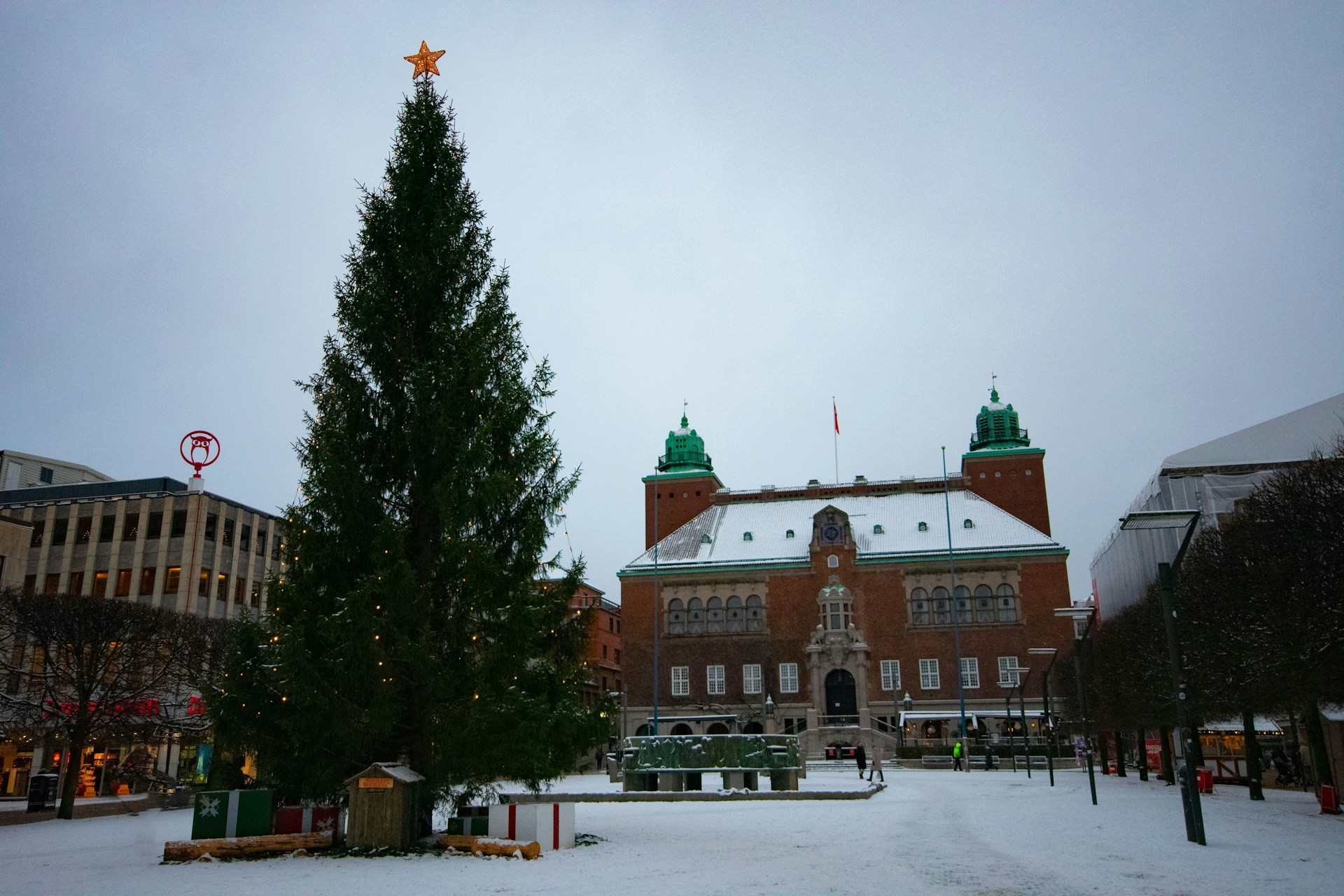
City view of Boras, Sweden

Boras

Known for textiles, Boras stitched its reputation from 19th century mail order companies and a knack for practical design. Today, street art splashes color across facades, and the Pinocchio statue titled Walking to Boras strides across a lawn with easy confidence. The Textile Fashion Center mixes labs, galleries, and conversations about recycled fibers. After coffee and a chokladboll, try venison or a vegetarian plate built around mushrooms and rye. In Knalleland, outlets sit beside skate parks and family cafes. Artists install pieces on rooftops during the No Limit festival, turning alleys into open galleries. Boras Djurpark adds family strolls, while old catalog brands live on in outlets and design studios around town. A quirky note: locals once staged a knitted graffiti project that wrapped benches in color during a rainy week. During downpours, a hidden drain near Pinocchio is said to play notes as water runs through tuned metal slats.

Top attractions & things to do in Boras

If you’re searching for the best things to do in Boras, this guide brings together the top attractions and must-see places to visit in Boras. The top picks below highlight the most visited sights for first-time visitors, plus a few local favorites worth adding.

Boras Konstmuseum and Cultural Center in Boras, Sweden

Boras Konstmuseum and Cultural Center

Boras Konstmuseum sits beside the river in a concrete and glass volume that feels purposely neutral so the art can speak first. Inside, collections focus on Nordic contemporary art from the 1950s onward, with strong holdings of painting, sculpture and video that track how artists responded to industry, welfare politics and new media. Temporary exhibitions might pair a classic Swedish modernist with a younger installation artist who uses textiles or sound, a nod to the city's textile heritage. Across the square, the Cultural Center gathers library, theater and concert spaces under one roof, meaning a single visit can shift from quiet reading to an evening performance without changing address. Staff are used to visitors who claim not to "understand" contemporary art and answer with clear introductions and practical details about each show. Large windows keep views of the Viskan present, reminding you that this is a working town where culture is woven into everyday routines rather than tucked away here.
Ads place
Ads place
Ads place
Ads place
Ads place
Boras Street Art and Sculpture Walk in Boras, Sweden

Boras Street Art and Sculpture Walk

Exploring central Boras you soon notice that many blank walls have been claimed by color, a legacy of the No Limit Street Art festival that began in 2014. Murals by artists such as DALeast, Inti and the duo behind the poetic piece Last Embrace Before Departure turn side streets into an open air gallery that rewards detours. At the same time, older bronze and stone works from the city's deliberate sculpture program stand in squares and by the river, including the much photographed walking bears outside the textile district. Tourist maps mark many pieces, yet some of the best discoveries come from simply following a glimpse of color down an alley. In fading light, spray painted figures and polished metal share the same soft reflections from shop windows and traffic lights. The result is that everyday errands pass through art whether you planned it or not, and visitors often leave with a privately curated route of favorites saved on their phones.
Ads place
Ads place
Ads place
Ads place
Ads place
Boras Zoo in Boras, Sweden

Boras Zoo

You meet Boras Zoo where city streets give way to tall pines and the sound of the Viskan muted behind enclosures. Founded in 1962, the Boras Djurpark quickly became known for African savannah exhibits that let giraffes, zebras and antelopes share one broad valley. Today more than 80 species live here, from Nordic lynx and brown bear to lions whose roars carry clearly in autumn air. A raised walkway gives long views over plains and wetlands, while the children's farm explains everyday animals with the same care as the predators. Panels describe participation in EEP breeding programs that coordinate healthy populations across European zoos and stress how each individual is tracked by studbook rather than show value. Picnic lawns, a small train and play areas keep visits flexible for mixed age groups. Come on a cool weekday and you notice keepers trading quiet observations at the fences, evidence that this is a working animal park as much as an attraction.
Ads place
Ads place
Ads place
Ads place
Ads place
Textile Museum of Sweden in Boras, Sweden

Textile Museum of Sweden

At the Textile Museum of Sweden you step into long factory halls preserved from Boras's boom years in cloth and mail order. The building once housed the AB Svenskt Konstsilke mill, and exhibitions now trace how, from the late 1800s, spinning frames, looms and dye vats shaped this town's skyline and social life. You can walk past Jacquard looms whose punched cards anticipated computing logic, watch demonstrations of pattern design on modern screens and handle sample books that still smell faintly of oil and dye. A section on workwear explains how brands from this region dressed factory floors and football terraces across northern Europe. Temporary shows highlight Swedish fashion designers experimenting with recycled fibers and digital printing, proving the story did not end when smokestacks fell silent. The museum shop focuses on well made basics rather than souvenirs, and leaving through the glazed entrance you read the cluster of nearby brick buildings differently, as part of one long textile experiment.
Ads place
Ads place
Ads place
Ads place
Ads place
Viskan Riverside Promenade and Ramnaslatt in Boras, Sweden

Viskan Riverside Promenade and Ramnaslatt

If you want to see how Boras lives between mills and forest, follow the Viskan along the riverside promenade and out toward Ramnaslatt. Close to the center, old factory facades reflected in the water recall the 19th century boom years when textiles made this one of Sweden's busiest inland towns, while newer apartments show how former industrial plots have been recycled. Footbridges, low weirs and carefully placed lights turn the river into a sequence of smaller scenes rather than one long corridor. Past the main streets, paths lead into Ramnaslatt nature area, with mixed woodland, running tracks and a small lake where winter ice is checked by local sports clubs before skaters venture out. Bird boxes, information boards and occasional outdoor gyms mark this as everyday infrastructure, not wilderness. Walkers, prams and cyclists share the same route yet rarely feel crowded, and at dusk the combination of river noise, distant traffic and wind in the trees explains much of Boras's appeal without needing many words.
Ads place
Ads place
Ads place
Ads place
Ads place