
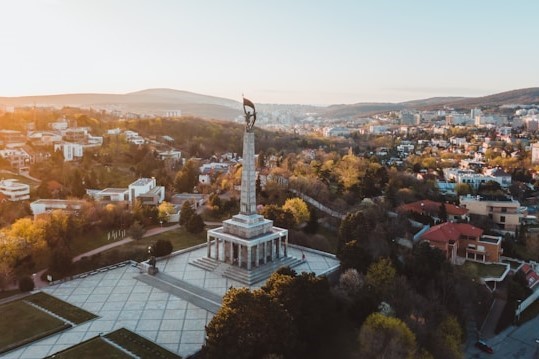
Slavin Memorial
In Bratislava, Slovakia .
More places to visit in Bratislava
Discover more attractions and things to do in Bratislava.
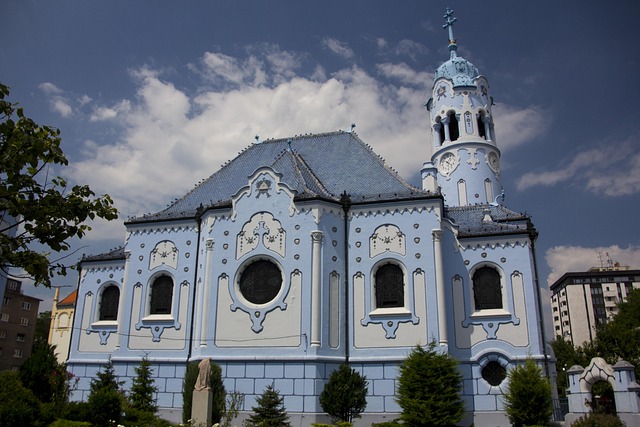
Blue Church of St Elizabeth
Around a residential corner, a pastel ellipse appears like a friendly apparition, all curves and mosaic sparkle. Consecrated in 1913 and designed by Odon Lechner , the church translates Hungarian Secession into a liturgical smile, with glazed tiles and a round tower that seems to exhale music even when silent. Inside, light arrives filtered and kind, washing over stucco patterns of lilies and small crosses. Locals send postcards of the building the way others send flowers, because it cheers even the hurried. Weddings here feel as if animation might burst from the walls at any moment. The school next door was designed in the same language, a gentle urban duet. When you step back to the street the color returns to ordinary reality, and you understand how architecture can bless a neighborhood simply by choosing joy as a serious design principle. Evening illumination makes the church shimmer like a jewel box unexpectedly left open to the night.
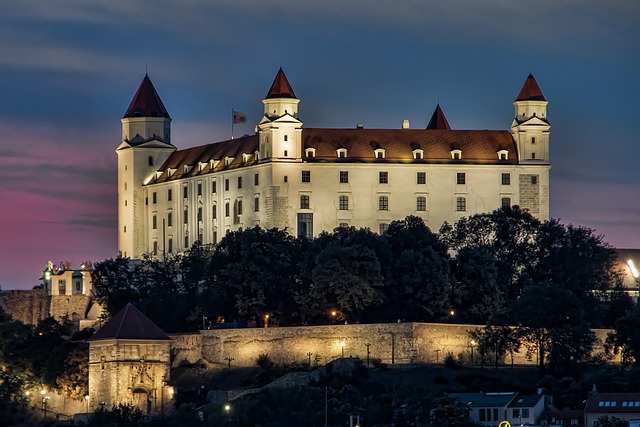
Bratislava Castle
High above the Danube, the castle keeps watch over rooftops and river traffic while courtyards frame an easy lesson in power and geography. Within the walls you meet coins and chronicles that track rulers from the Habsburg era to the birth of modern Slovakia in 1993 . Guides point to the fire of 1811 , when the fortress burned and slept in ruin until careful restorations returned its clear silhouette. From the terraces the view aligns the Carpathians , the Danube, and the old trade road toward Vienna, a tidy map drawn by air. Exhibitions explain how coronations at nearby St Martin linked this hill to wider politics. A favorite surprise is the tiny Hall of Mirrors where diplomacy practiced its stagecraft under glittering ceilings. Walk the garden and you feel how strategy softens into ceremony when borders are visible but distant, and the city below answers with trams and café chatter as if to confirm the lesson. Visitors often remark that the night illumination makes the entire fortress glow like a lantern guiding the river itself.
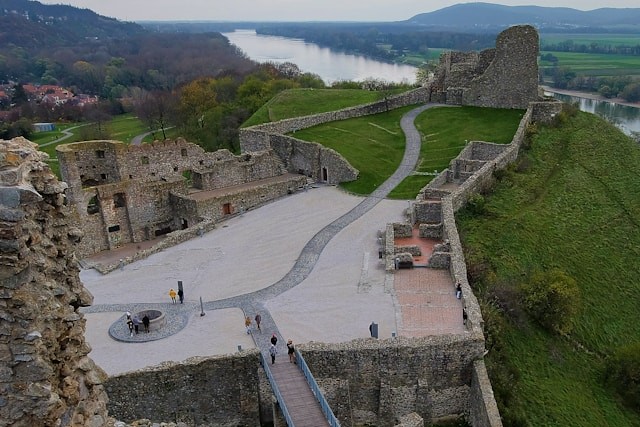
Devin Castle
At the confluence of the Danube and the Morava, a cliff carries a broken crown of walls that remember empires and river customs. The site appears in records from the 9th century , later passing under Hungarian nobles before the explosion of 1809 when Napoleon troops shattered its keep. Trails lead past a watchtower called the Maiden, a romantic name for a position that once read every boat as data. Panels mark the Cold War fence line and the nearby Gate of Freedom memorial honors those who tried to cross into Austria before 1989 . Archaeology cases show trade goods that drifted here long before passports, proof that the river teaches exchange. Bring bread for the steady wind and let kites and ferries share the sky. From the ramparts Bratislava Castle looks close yet properly separate, like a colleague across a conference table with years of experience and excellent posture. Evening concerts sometimes echo within the ruins, transforming history into an open-air stage with haunting acoustics.
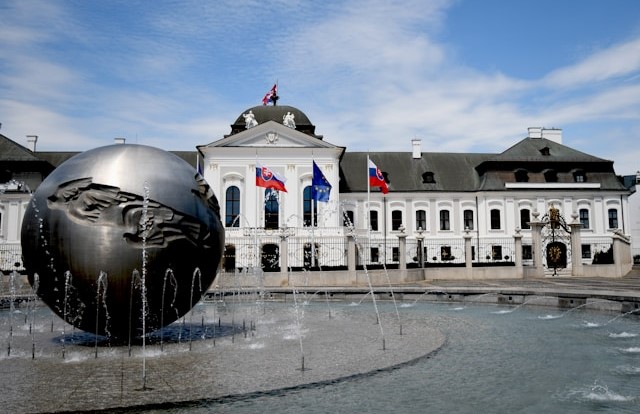
Grassalkovich Palace and Gardens
A white palace sits behind an iron fence as if it has just taken a breath before answering a difficult question. Built in the 1760s for Antal Grassalkovich , it hosted musical evenings where Haydn reportedly performed for aristocratic audiences. Today it serves as the residence of the Slovak president, and the gardens behind are open to anyone who needs shade and roses. Children chase pigeons around a modern fountain while office workers read news on benches. The facade photographs best in morning light when stucco details behave like crisp handwriting. A small alley of trees honors visiting heads of state with plaques that turn protocol into a polite stroll. The building’s calm proportions make politics look almost reasonable, and the park proves that power can be neighborly when it remembers to share its backyard with the city. During autumn the gardens glow with golden leaves, turning diplomacy into a seasonal backdrop of warmth.
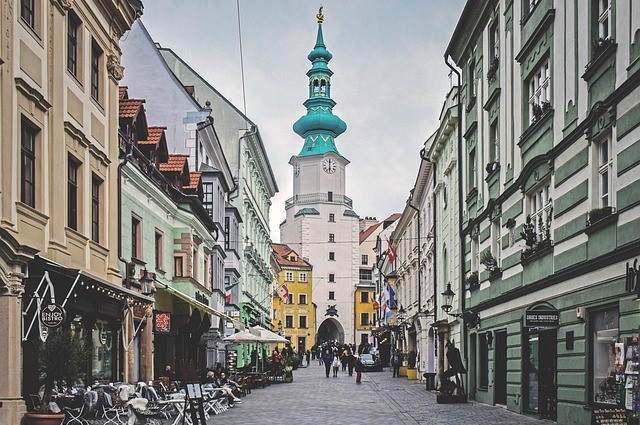
Michaels Gate
A narrow street gathers under the last surviving medieval gate, its copper roof a green arrow that points directly into the old town. Built in the 14th century and later crowned with baroque ease in the 18th century , the tower shelters a small museum of historical weapons that tells the story of watchmen with practical dignity. A line in the pavement marks countries by distance, a playful geography lesson that reads like poetry in numbers. From the balcony you can trace fortifications that disappeared as trade and comfort replaced fear. Writers favor the alley at night when lamps make the stucco glow like a stage. The statue of St Michael wrestles the dragon above, reminding passersby that security once looked upward as often as outward. Step down to the street and shops resume their chatter, a modern market wrapped in a gateway that knows how to share the spotlight politely. In spring the scent of blooming linden trees nearby adds a quiet charm to the medieval drama.
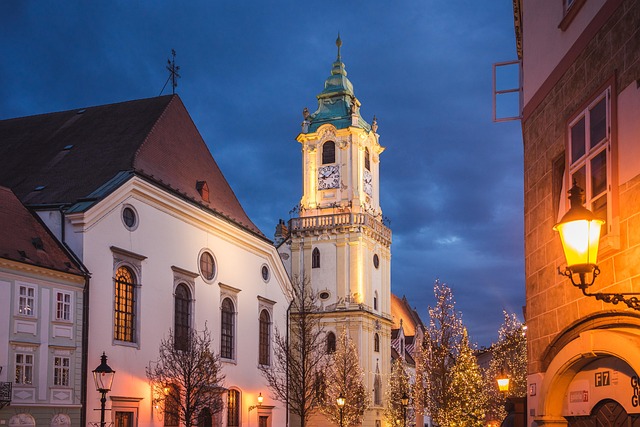
Old Town Hall and City Museum
In a cluster of gables and courtyards, the city keeps its diary open for visitors who like footnotes. The oldest parts date to the 14th century and later mayors added wings with Renaissance bravado and Baroque patience. Inside, rooms follow the civic life cycle from guild privileges to fire brigades and festival masks. The museum’s favorite anecdote involves the cannonball from the 1809 bombardment, now sitting indoors like a retired employee. Climb the tower for a view that fits the river and castle into one sensible sentence. The courtyard hosts summer concerts that sound best after ice cream from the corner window. What begins as a timeline ends as an introduction to everyday government, the modest hero of any functioning city. Walk back to the square and the clock resumes its honest duty while the museum keeps time in stories rather than minutes. Seasonal fairs often enliven the square, weaving tradition into the rhythm of civic memory.
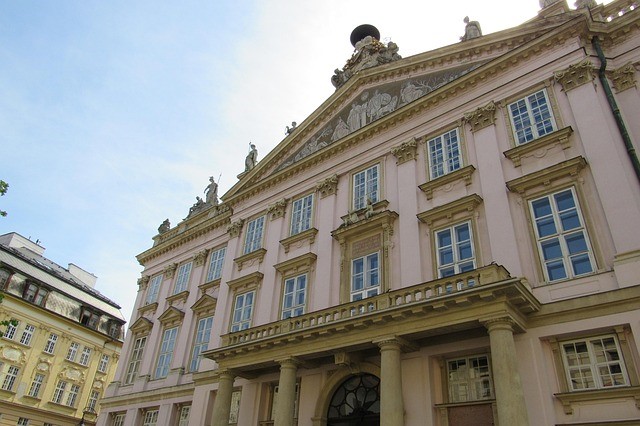
Primatial Palace
Behind a pink facade a palace delivers cool marble and diplomatic stories with excellent manners. Built for Jozsef Batthyany in the 18th century , it later hosted the 1805 signing of the Pressburg Peace after Napoleon victory at Austerlitz. The star attraction is a set of English tapestries discovered behind walls during renovation, a museum plot twist that would sound invented if it were not documented. In the Hall of Mirrors city concerts polish evenings until they shine. Courtyards hide a fountain where time idles like a civil servant on a good day. Portraits look down with measured approval as new couples take wedding photos, folding their own chapter into diplomatic decor. Step back outside to the square and you will notice how the palace refuses to bully the town with power, choosing elegance and patience as its preferred instruments of persuasion. Occasionally art exhibitions spill into the halls, proving diplomacy and culture remain natural companions here.
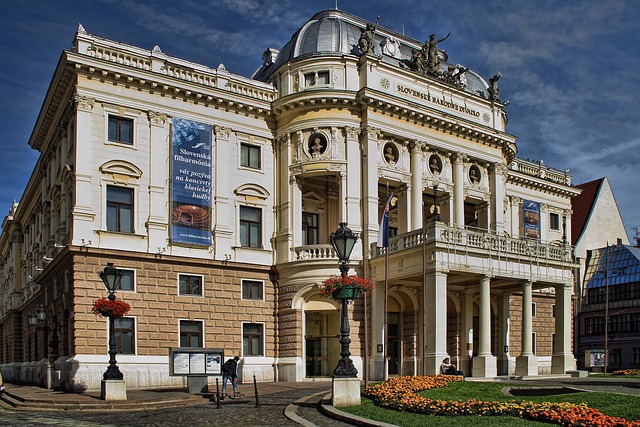
Slovak National Theatre Historical Building
A curving facade with masks and columns announces that stories have a proper address in this town. Opened in 1886 by architects Fellner and Helmer , the theater hosted opera stars who arrived by train with trunks and rumors. The chandelier inside falls like a bright pause before the overture. Program boards range from Verdi loyalties to new Slovak drama that gets arguments humming at intermission. Outside, the Ganymede fountain attracts children who treat mythology as a splash zone. The house survived political costume changes with professional grace and continues to practice the craft of rehearsal that makes magic look casual. Step into the square after the curtain and the city feels tuned a half step higher. The building proves that culture is an everyday service as necessary as trams and bakeries, only louder in applause and kinder in its ambition. Even backstage tours reveal secrets that make the stage feel even more alive.
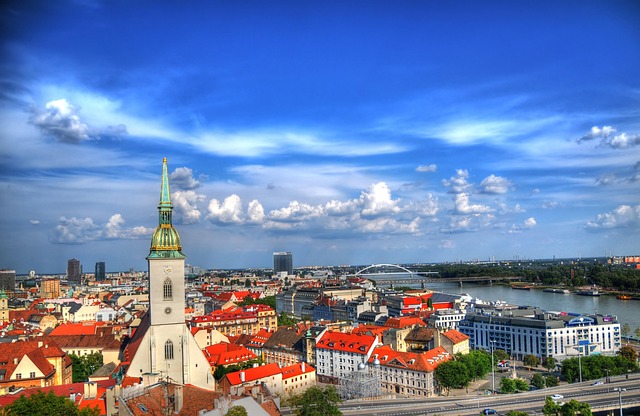
St Martins Cathedral
Traffic slows at the base of the spire where coronation blues still echo inside stone. Between 1563 and 1830 nineteen rulers of the Habsburg realm received their crowns here, and a gilded cushion on the tower remembers the weight of St Stephen crown. The interior balances late Gothic ribs with baroque side chapels that gathered guild offerings and quiet ambitions. In the crypt you meet tombs of canons who kept accounts and ceremonies aligned, a bureaucracy that made splendor punctual. Outside, tram rails glance off the apse like respectful commas. The cathedral’s music program is a local loyalty test, organ recitals drawing both believers and skeptics who simply trust good acoustics. When the bell rings toward the river you understand why coronations chose this room, the sound is both civic and intimate and it makes the surrounding streets behave for a moment as if in procession. On winter evenings the glow of candles during Advent creates an atmosphere that feels timeless and deeply rooted.