City view of Brest, Belarus

Brest

Brest, a city near the Polish border, is famous for its strategic location and historical significance. The Brest Fortress, a key World War II battle site, stands as a symbol of Soviet resistance against Nazi Germany. The fortress has a dedicated memorial complex and museum honoring the heroism of Soviet soldiers. Besides its war history, Brest is a gateway to the scenic Belovezhskaya Pushcha Forest, one of Europe's last primeval forests and a UNESCO World Heritage site. Brest's pedestrian street, Sovetskaya Street, is a vibrant hub filled with cafes, shops, and cultural landmarks. The city's position at a crossroads of East and West has given it a unique cultural blend, making it a key destination for history and nature lovers.

Top attractions & things to do in Brest

If you’re searching for the best things to do in Brest, this guide brings together the top attractions and must-see places to visit in Brest. The top picks below highlight the most visited sights for first-time visitors, plus a few local favorites worth adding.

Belavezhskaya Pushcha National Park in Brest, Belarus

Belavezhskaya Pushcha National Park

Belavezhskaya Pushcha National Park, located near Brest, is one of Europe's oldest and most important forests. This UNESCO World Heritage Site is home to the European bison (wisent), the continent's heaviest land animal, along with a wide variety of other wildlife. The park offers a unique opportunity to explore ancient forests, some of which are over 600 years old, and is a haven for nature lovers and wildlife enthusiasts. Visitors can enjoy guided tours, bike rides, and nature walks while learning about the park's rich biodiversity. The park also features a museum and a residence where Ded Moroz (the Slavic Santa Claus) greets visitors during the winter season. Scientists recently identified a 1,200-year-old oak in the park, nicknamed "King of Pushcha." The park's bison herd includes rare albino wisents, considered sacred in ancient Slavic folklore.
Ads place
Ads place
Ads place
Ads place
Ads place
Berestye Archaeological Museum in Brest, Belarus

Berestye Archaeological Museum

The Berestye Archaeological Museum is an archaeological site and museum located within Brest Fortress. The museum is built over the remains of a 13th-century Slavic settlement, offering a unique window into medieval life. Visitors can see the well-preserved wooden structures of houses, streets, and artifacts from everyday life, such as tools and pottery. The museum's exhibits provide insight into the lifestyle, craftsmanship, and culture of the early inhabitants of Brest. Berestye is the only museum of its kind in Belarus, making it a fascinating destination for anyone interested in archaeology and history. In 2023, archaeologists uncovered a Viking sword in the settlement, proving Norse trade links. The museum's "smell station" lets visitors experience medieval aromas like birch tar and smoked fish.
Ads place
Ads place
Ads place
Ads place
Ads place
Brest City Park (May 1st Park) in Brest, Belarus

Brest City Park (May 1st Park)

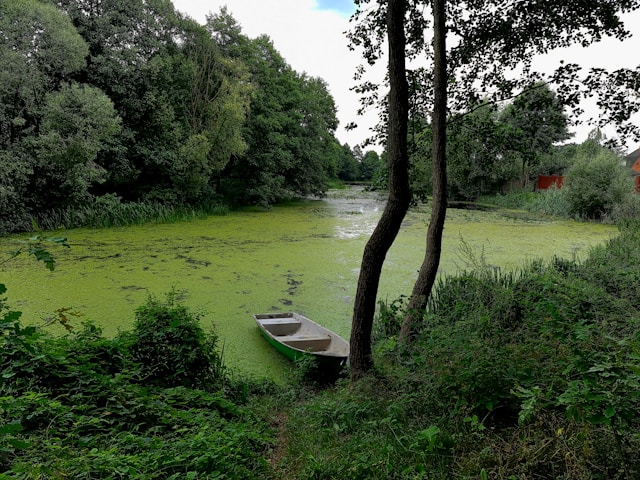
Brest City Park, also known as May 1st Park, is one of the oldest parks in the city, offering a green oasis for relaxation and recreation. Established in the early 20th century, the park features well-maintained walking paths, playgrounds, and a picturesque lake. The park is especially popular with families and outdoor enthusiasts, with facilities for sports, boat rentals, and seasonal events. The park's peaceful atmosphere, combined with its proximity to the city center, makes it an ideal spot for a leisurely walk or a picnic. In the summer, the park hosts cultural performances and outdoor concerts, contributing to Brest's vibrant community life. The park's lake contains a submerged WWII tank, visible during droughts, left by retreating German forces. A century-old carousel, hand-carved by Belarusian artisans, still operates using its original mechanical system.
Ads place
Ads place
Ads place
Ads place
Ads place
Brest Fortress in Brest, Belarus

Brest Fortress

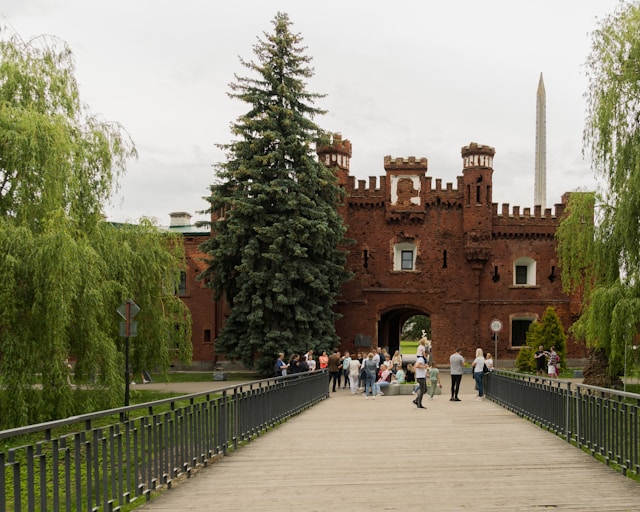
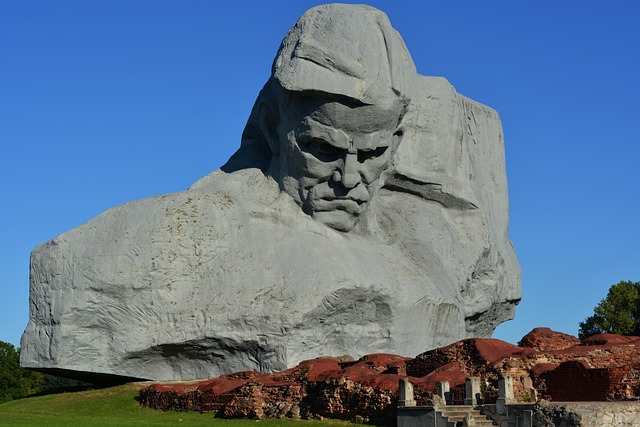
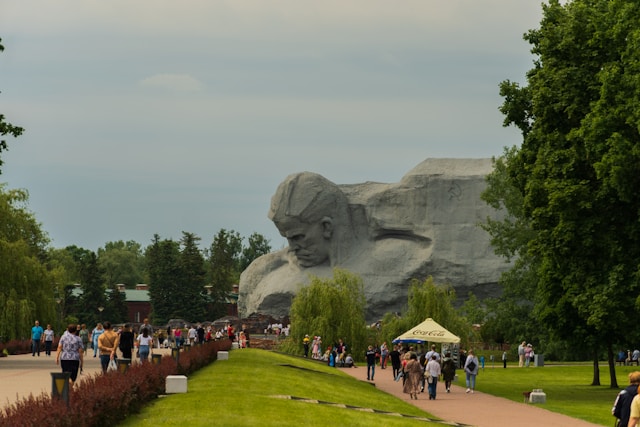
Brest Fortress is one of the most iconic landmarks in Belarus, symbolizing heroism and resistance during World War II. The fortress, originally built in the 19th century as a defensive structure, became famous for its defense against the German invasion in June 1941. The site is now a massive memorial complex, with the central monument, the Courage statue, representing the defenders' resilience. Visitors can explore the ruins, museums, and exhibits that tell the story of the siege. The eternal flame and numerous memorial plaques commemorate the soldiers and civilians who fought and died here. Brest Fortress remains a powerful symbol of Belarusian patriotism and sacrifice. In 2021, archaeologists discovered a network of underground tunnels beneath the fortress, used by defenders to ambush Nazi troops. A recently unearthed 1942 diary from a Soviet soldier revealed coded messages about resistance efforts.
Ads place
Ads place
Ads place
Ads place
Ads place
Brest Millennium Monument in Brest, Belarus

Brest Millennium Monument

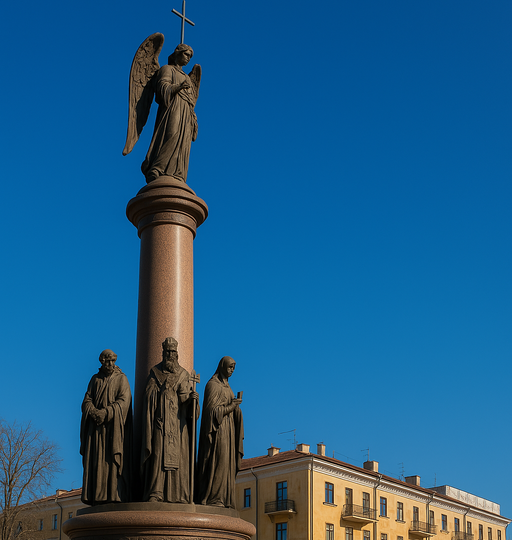
The Brest Millennium Monument, located at the end of Sovetskaya Street, was unveiled in 2009 to celebrate the 1,000th anniversary of the city's founding. The monument features a central column topped by a statue of the city's guardian angel, with various figures from Brest's history depicted at the base. These figures include notable religious, political, and military leaders who shaped the city's development. The monument is a popular gathering place for both locals and visitors, offering a striking visual representation of Brest's long and storied history. It serves as a reminder of the city's resilience and cultural significance over the centuries. The monument's foundation contains a time capsule with letters from citizens to be opened in 3009. The angel statue's wingspan measures exactly 10 meters, symbolizing Brest's 10 centuries of existence.
Ads place
Ads place
Ads place
Ads place
Ads place
Brest Railway Museum in Brest, Belarus

Brest Railway Museum

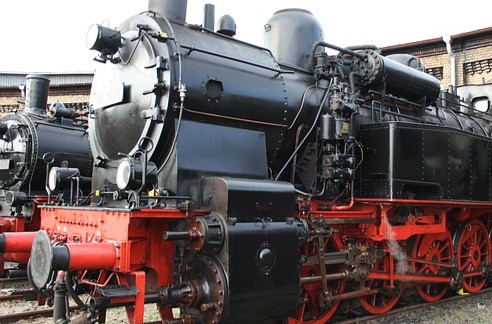
The Brest Railway Museum, an open-air museum near Brest Fortress, is a paradise for train enthusiasts and history buffs. Established in 2002, the museum showcases a wide collection of locomotives and railway equipment from different periods. Visitors can explore steam engines, diesel locomotives, and various passenger and freight cars. Many of the exhibits are interactive, allowing visitors to climb inside the trains and experience the interiors. The museum highlights the significance of the railway in Brest's development, given its historical role as a transportation hub connecting Eastern and Western Europe. It's a great spot for families and anyone interested in industrial history. One locomotive displayed, the TS-52 "Stalinets", transported Soviet spies into Nazi Germany in 1944. The museum recently added a VR simulator letting visitors "drive" a 19th-century steam train.
Ads place
Ads place
Ads place
Ads place
Ads place
Church of St. Joseph in Brest, Belarus

Church of St. Joseph

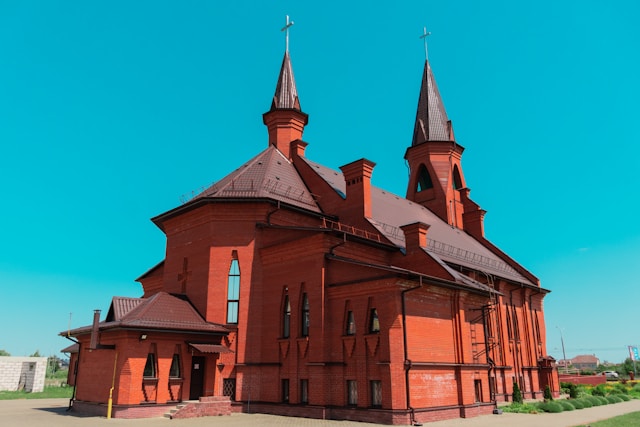
Kostel Svyatogo Iosifa (Church of St. Joseph) in Brest, Belarus, is one of the city's most beautiful and historically significant Roman Catholic churches. Constructed in the early 19th century, this elegant Neoclassical church served the local Catholic community for generations. The architecture of the church is notable for its simplicity and grace, with a white façade adorned with pilasters and arched windows, topped by a modest bell tower. Inside, the church features a tranquil atmosphere, with beautiful altars, religious statues, and traditional Catholic iconography. Throughout its history, Kostel Svyatogo Iosifa has witnessed significant events and changes, particularly during the Soviet era, when many religious institutions were closed or repurposed. A hidden pipe organ, sealed during Soviet anti-religious campaigns, was rediscovered in 2015 and restored to working condition. The church's crypt holds the remains of a 16th-century bishop who mediated peace between Poland and Lithuania.
Ads place
Ads place
Ads place
Ads place
Ads place
Holy Resurrection Cathedral in Brest, Belarus

Holy Resurrection Cathedral

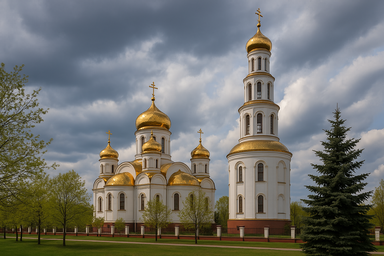
The Holy Resurrection Cathedral is one of the largest and most important Orthodox churches in Brest. Built in the late 1990s, this modern cathedral is known for its grand size and impressive architecture, featuring five golden domes that dominate the skyline. The interior is adorned with beautiful frescoes, mosaics, and icons, offering a serene and spiritual atmosphere. The cathedral is a significant place of worship for the Orthodox community and regularly hosts important religious services and celebrations. Its striking design and peaceful setting make it a popular site for visitors seeking to experience the religious culture of Brest. The cathedral's central mosaic incorporates soil from 72 Belarusian towns affected by WWII. A hidden acoustic chamber amplifies choir voices to mimic the sound of angels.
Ads place
Ads place
Ads place
Ads place
Ads place
Sovetskaya Street in Brest, Belarus

Sovetskaya Street

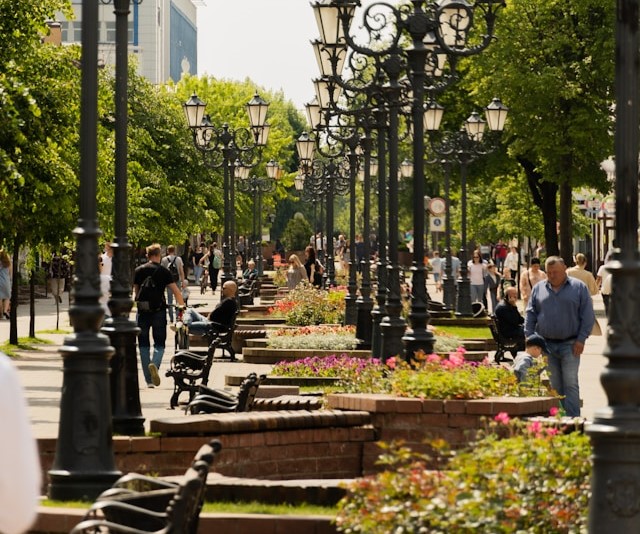
Sovetskaya Street is Brest's central pedestrian street and the heart of the city's social life. Lined with cafes, restaurants, and shops, it's the perfect place for a leisurely stroll. The street is known for its charming architecture, featuring both pre-revolutionary and Soviet-era buildings. In the evening, Sovetskaya Street becomes especially lively, with illuminated streetlights creating a romantic atmosphere. The street hosts various cultural events, festivals, and open-air concerts throughout the year, making it a vibrant cultural hub. At the end of the street, visitors can find the Millennium Monument, celebrating the city's 1,000-year history. Beneath the street lies a 19th-century merchant's tunnel, once used to smuggle goods across the Russian-Polish border. The street's cobblestones include embedded musical plates that play traditional folk tunes when stepped on.
Ads place
Ads place
Ads place
Ads place
Ads place
St. Nicholas Garrison Church in Brest, Belarus

St. Nicholas Garrison Church

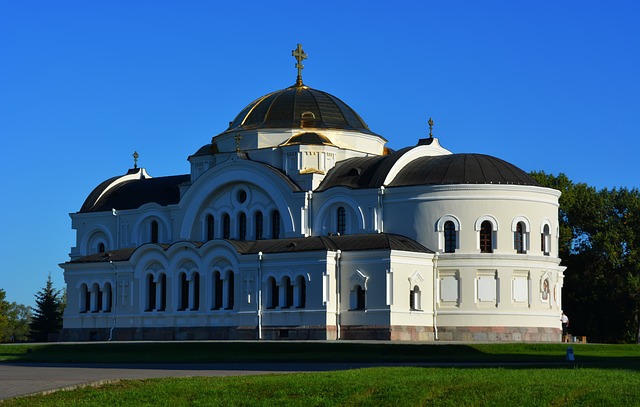
St. Nicholas Garrison Church is a striking Orthodox church located within Brest Fortress. Built in the late 19th century, the church was originally intended to serve the fortress garrison. The building is a prime example of Byzantine Revival architecture, with a golden dome that shines brightly against the sky. Despite being heavily damaged during World War II, the church has been meticulously restored and now stands as a symbol of peace and spiritual resilience. The interior features beautiful icons and religious art, creating a serene atmosphere for visitors. St. Nicholas Church is an important religious site for both locals and tourists. During restoration, workers found a hidden chamber containing WWII-era Orthodox relics buried to protect them from looters. The church's dome was secretly painted with radiation-resistant gold leaf during the Cold War to withstand nuclear fallout.
Ads place
Ads place
Ads place
Ads place
Ads place