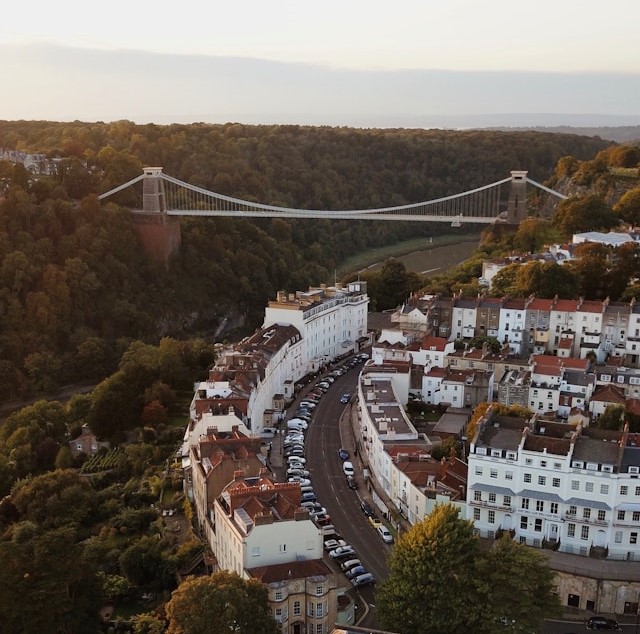
City view of Bristol, United Kingdom

Bristol

Bristol, a city in southwest England, is known for its maritime heritage and creative spirit. The Clifton Suspension Bridge, designed by Isambard Kingdom Brunel, is an iconic landmark offering breathtaking views of the Avon Gorge. The city's harborside area is a hub of activity, with museums, restaurants, and the SS Great Britain, a historic ship turned museum. Bristol is also famous for its street art, with works by the elusive artist Banksy scattered throughout the city. The Bristol Balloon Fiesta, held annually, is one of the largest hot air balloon events in Europe. The city's independent spirit is reflected in its thriving music and arts scene, with venues like the Bristol Old Vic and the Arnolfini showcasing local talent.

Top attractions & things to do in Bristol

If you’re searching for the best things to do in Bristol, this guide brings together the top attractions and must-see places to visit in Bristol. The top picks below highlight the most visited sights for first-time visitors, plus a few local favorites worth adding.

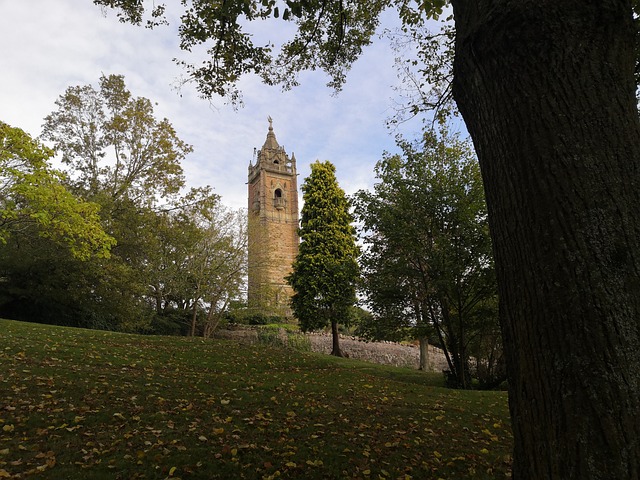
Brandon Hill and Cabot Tower in Bristol, United Kingdom

Brandon Hill and Cabot Tower

Brandon Hill is Bristol's oldest public park, offering breathtaking panoramic views of the city and the harbor. Nestled between the bustling neighborhoods of Clifton and Hotwells, it is a haven of greenery, wildlife, and history. The park is dominated by the iconic Cabot Tower, a 32-meter tall structure built in 1897 to commemorate John Cabot's voyage from Bristol to North America in 1497. Visitors can climb the spiral staircase to the top of the tower for spectacular vistas of Bristol's cityscape and the surrounding countryside. Brandon Hill is known for its beautiful landscapes, featuring ornamental gardens, wildflower meadows, and tranquil ponds. It is also a designated nature reserve, home to an array of wildlife, including foxes, squirrels, and over 40 species of birds. The park's network of winding paths and shaded benches makes it a perfect spot for leisurely walks, picnics, and relaxation. Historically, Brandon Hill has served various purposes, from being a grazing area in the Middle Ages to a military encampment during the English Civil War. In the 19th century, it was transformed into a public park, becoming a popular gathering place for locals. Cabot Tower, designed by architect William Venn Gough in the Gothic Revival style, is built from red sandstone with creamy Bath stone detailing, reflecting Bristol's architectural heritage.
Ads place
Ads place
Ads place
Ads place
Ads place
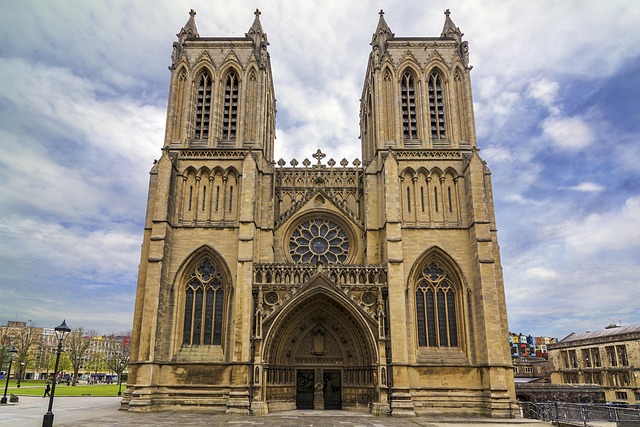
Bristol Cathedral in Bristol, United Kingdom

Bristol Cathedral

The majestic Bristol Cathedral is an architectural masterpiece with a history spanning over 900 years. Located on College Green, it was originally founded as St. Augustine's Abbey in 1140 and became a cathedral following the dissolution of monasteries by Henry VIII in 1542. Its stunning blend of Gothic, Norman, and Victorian architecture showcases the evolution of ecclesiastical design. The choir features a rare 'hall church' style, allowing light to fill the interior, creating an ethereal ambiance. The cathedral is known for its exquisite stained glass windows, intricate stone carvings, and the majestic Elder Lady Chapel, which dates back to the 13th century. The nave and choir boast spectacular fan-vaulted ceilings, demonstrating remarkable medieval craftsmanship. The tombs of prominent historical figures, including Edward II's illegitimate son, provide a glimpse into Bristol's noble past. An interesting fact about Bristol Cathedral is its connection to the city's maritime history. It once housed the port's religious orders and played a role in blessing sailors before their voyages. The cathedral's choir is internationally acclaimed, contributing to its reputation as a cultural hub. It also hosts concerts, art exhibitions, and community events throughout the year.
Ads place
Ads place
Ads place
Ads place
Ads place
Bristol Zoo Gardens in Bristol, United Kingdom

Bristol Zoo Gardens

Bristol Zoo Gardens is one of the world's oldest zoos, established in 1836, and a leading center for wildlife conservation and education. Nestled in the leafy suburb of Clifton, it spans 12 acres and is home to over 300 species of animals, ranging from majestic gorillas to exotic reptiles. The zoo is renowned for its beautifully landscaped gardens and innovative enclosures that mimic the animals' natural habitats. The zoo has a remarkable history of pioneering animal welfare and breeding programs. It was the first to breed okapis in captivity and played a crucial role in saving endangered species such as the Socorro dove and the Livingstone's fruit bat. Its dedication to conservation is showcased through the Bristol Zoological Society, which conducts research and supports international wildlife projects. Among its most popular attractions is the Gorilla Island, a spacious enclosure that houses a family of western lowland gorillas. The Reptile House, Butterfly Forest, and Aquarium offer fascinating experiences, while the Adventure Playground and interactive exhibits engage younger visitors. An interesting fact about Bristol Zoo Gardens is its connection to cinema history. It inspired scenes in the 1967 film 'Doctor Dolittle' starring Rex Harrison.
Ads place
Ads place
Ads place
Ads place
Ads place
British Empire and Commonwealth Museum in Bristol, United Kingdom

British Empire and Commonwealth Museum

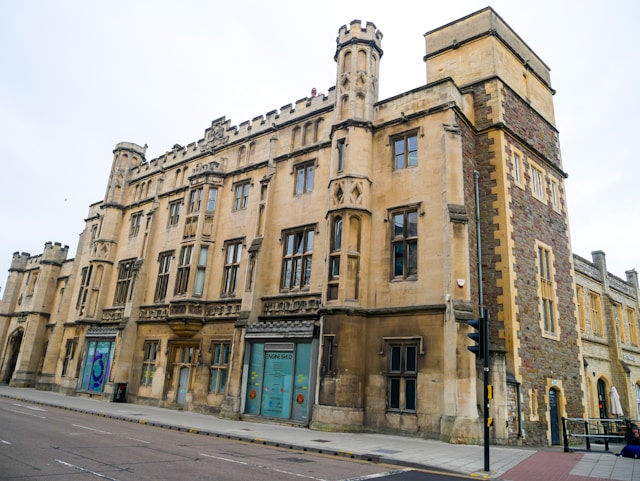
The British Empire and Commonwealth Museum, once located in Bristol's historic Temple Meads railway station, was dedicated to exploring the complex history of the British Empire and its impact on former colonies. Established in 2002, the museum aimed to provide a balanced perspective on the empire's legacy, highlighting cultural exchanges, economic influences, and the struggles for independence. Although it closed in 2008, its collections remain significant, and discussions about its relocation continue. The museum's exhibitions were renowned for their thought-provoking approach to history. They showcased artifacts, documents, and personal stories that traced the development of the British Empire from the 16th century to the post-colonial era. Visitors could explore detailed narratives about trade, migration, and cultural integration, offering insights into how the empire shaped societies across Asia, Africa, the Caribbean, and the Pacific. One of the museum's most impactful exhibits was 'Breaking the Chains,' which focused on the transatlantic slave trade, detailing Bristol's role as a port city involved in this dark chapter of history. An architectural highlight of the museum was its location within the original station building designed by Isambard Kingdom Brunel.
Ads place
Ads place
Ads place
Ads place
Ads place
Clifton Suspension Bridge in Bristol, United Kingdom

Clifton Suspension Bridge

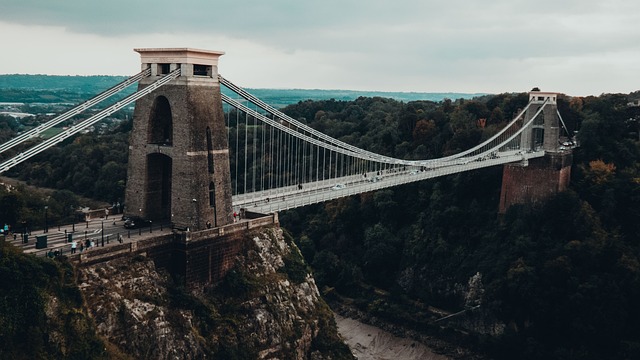
The Clifton Suspension Bridge is an architectural marvel and a symbol of Bristol's ingenuity, spanning the picturesque Avon Gorge since its completion in 1864. Designed by the visionary engineer Isambard Kingdom Brunel, the bridge stands 245 feet above the river, with a total span of 702 feet. Brunel's ambition to create a bridge that combined functionality and beauty faced numerous challenges, including financial difficulties and his untimely death in 1859. Despite these setbacks, his design was realized as a tribute to his engineering genius. The bridge's construction involved groundbreaking techniques for its time, including the use of wrought iron chains and innovative suspension methods. Its majestic towers, inspired by Egyptian architecture, complement the rugged landscape of the gorge. The panoramic views from the bridge are breathtaking, attracting photographers, walkers, and sightseers year-round. At night, its elegant illuminations create a stunning silhouette against the Bristol skyline. A lesser-known fact about the Clifton Suspension Bridge is its historical connection to modern extreme sports. In 1979, members of the Oxford University Dangerous Sports Club performed the world's first bungee jump from this bridge, marking the beginning of a global adventure phenomenon.
Ads place
Ads place
Ads place
Ads place
Ads place
Millennium Square in Bristol, United Kingdom

Millennium Square

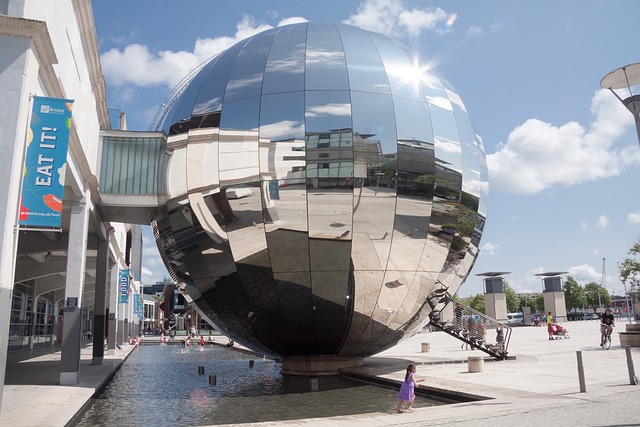
Millennium Square is one of Bristol's most vibrant public spaces, located in the heart of the Harbourside area. Developed as part of the city's regeneration project in 2000, the square is known for its modern design, interactive attractions, and bustling atmosphere. It is surrounded by cultural landmarks such as the We The Curious science center, Bristol Aquarium, and the Watershed Media Centre, making it a hub of activity and creativity. The square is distinguished by its striking architectural features, including the giant reflective sphere that houses the We The Curious planetarium. This iconic structure, with its mirror-like surface, creates mesmerizing reflections of the surrounding cityscape, attracting photographers and visitors alike. The square also features interactive fountains, water jets, and illuminated sculptures, creating a dynamic and playful environment, especially in the evening when the area lights up with colorful displays. A notable highlight of Millennium Square is the series of life-sized bronze statues honoring famous Bristolians. These include Cary Grant, the Hollywood film star who was born in Bristol, and William Penn, the founder of Pennsylvania.
Ads place
Ads place
Ads place
Ads place
Ads place
SS Great Britain in Bristol, United Kingdom

SS Great Britain

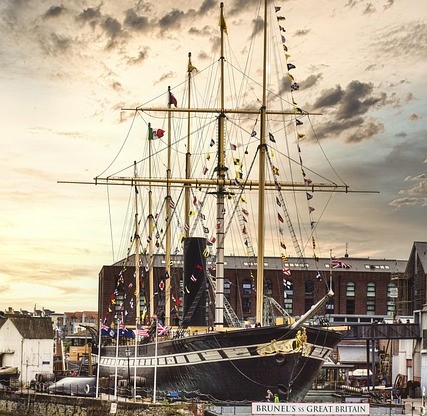
The SS Great Britain is one of Bristol's most celebrated landmarks, a pioneering vessel designed by Isambard Kingdom Brunel that revolutionized maritime engineering. Launched in 1843, it was the world's first iron-hulled, screw-propelled passenger liner, setting new standards in shipbuilding. At 322 feet long, it was the largest ship afloat at the time and combined luxury with technological innovation. The ship was initially built to serve the transatlantic route between Bristol and New York, making 32 voyages and carrying thousands of emigrants to Australia. Its design included a powerful steam engine, complemented by sails, enabling it to navigate challenging weather conditions. The SS Great Britain also featured advanced safety measures, including a double iron hull for enhanced durability. Despite a successful career, the ship faced difficulties, including a grounding incident in Dundrum Bay, Ireland. It was eventually converted into a cargo ship before being abandoned in the Falkland Islands in 1886. In 1970, a remarkable rescue mission brought the decaying vessel back to Bristol, where it was meticulously restored and transformed into an award-winning museum. Today, visitors can explore its opulent cabins, engine rooms, and the immersive Dockyard Museum.
Ads place
Ads place
Ads place
Ads place
Ads place
St. Nicholas Market in Bristol, United Kingdom

St. Nicholas Market

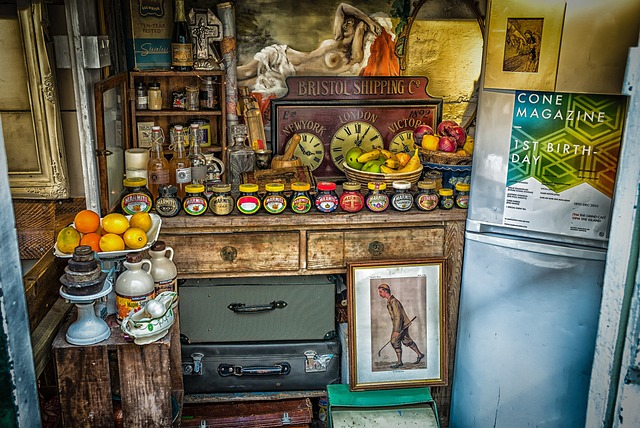
St. Nicholas Market, known locally as 'St Nick's Market', is a bustling hub of culture, cuisine, and commerce located in the heart of Bristol's Old City. Established in 1743, it is the city's oldest market and is housed within the beautiful Georgian architecture of the Exchange building. The market's unique blend of independent retailers, artisan stalls, and global street food vendors make it one of the most vibrant shopping destinations in Bristol. The market is divided into themed sections, including the Glass Arcade, where food lovers can indulge in diverse culinary delights, from Caribbean jerk chicken to authentic falafel wraps. The Covered Market showcases local crafts, vintage clothing, and unique antiques, attracting treasure hunters and tourists alike. St. Nicholas Market is also famous for its bookshops, which house rare editions and literary gems. One of the most fascinating aspects of the market is its historical significance. It was a key trading hub during Bristol's maritime era, supplying sailors and merchants with essential goods. The Exchange building itself was designed by architect John Wood the Elder, who played a significant role in shaping Georgian Bristol.
Ads place
Ads place
Ads place
Ads place
Ads place
Tyntesfield in Bristol, United Kingdom

Tyntesfield

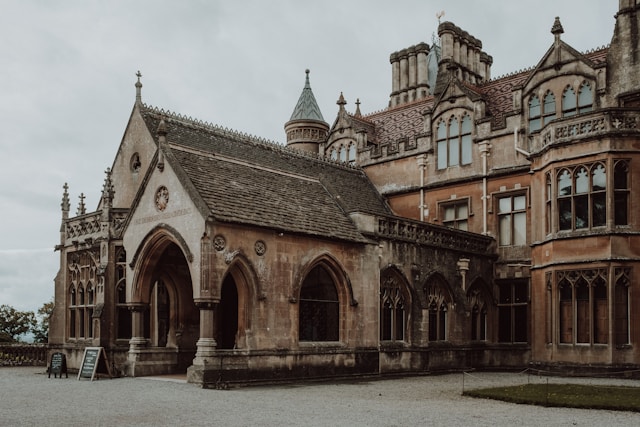
Tyntesfield is a magnificent Victorian Gothic Revival house and estate located just outside Bristol. Built in the 1860s by William Gibbs, a wealthy merchant who made his fortune from guano trade, it is now managed by the National Trust. The house is renowned for its intricate architecture, lavish interiors, and expansive gardens, offering a glimpse into the opulent lifestyle of the Victorian elite. The mansion is adorned with elaborate stone carvings, stained glass windows, and ornate woodwork, reflecting the Gothic Revival style. Its grand staircase, richly decorated chapel, and vast library housing over 2,000 books showcase the family's wealth and cultural interests. Unlike many preserved estates, Tyntesfield retains its authentic Victorian ambiance, with rooms set as they were left by the Gibbs family, creating an immersive historical experience. The 540-acre estate is equally captivating, featuring beautifully landscaped gardens, ancient woodlands, and a productive walled garden. Visitors can explore the formal terraces, lush lawns, and winding woodland paths, encountering diverse flora and fauna.
Ads place
Ads place
Ads place
Ads place
Ads place
Victoria Rooms in Bristol, United Kingdom

Victoria Rooms

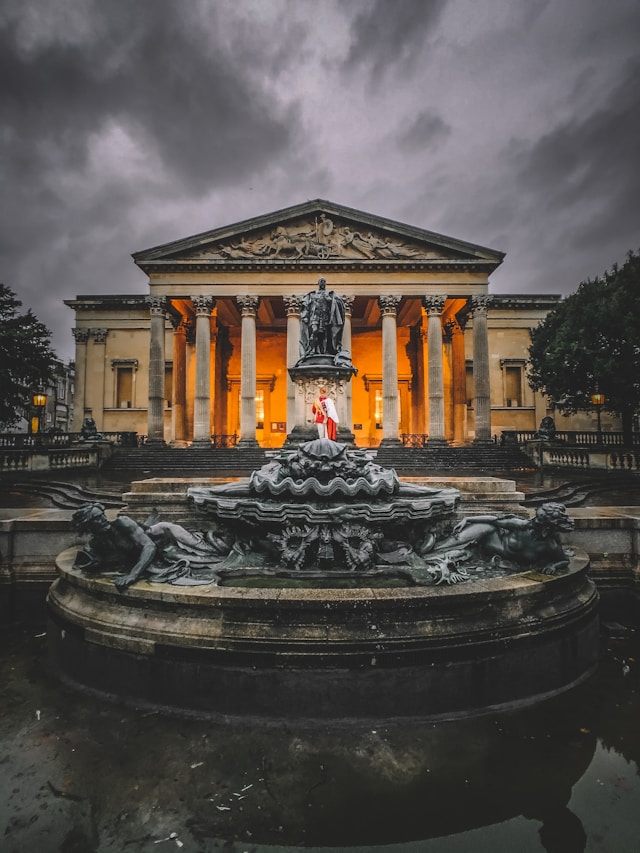
The Victoria Rooms, an iconic landmark in Bristol, stands as a testament to the city's cultural and architectural heritage. Built in 1842 in the Greek Revival style, this grand building features an imposing portico with Corinthian columns, intricate friezes, and a stunning pediment depicting Britannia. Located in the vibrant Clifton area, it is now part of the University of Bristol, serving as the home for its Department of Music. Originally constructed as an assembly hall, the Victoria Rooms were designed to host concerts, lectures, and social events for Bristol's high society. Over the years, it has welcomed illustrious figures such as Charles Dickens and Oscar Wilde. Its rich history as a cultural hub continues, with the venue hosting classical music concerts, theatrical performances, and public lectures. The grand auditorium, renowned for its excellent acoustics, seats over 800 people and boasts a magnificent pipe organ, frequently used in recitals and ceremonies. The exterior of the building is equally captivating, with a majestic bronze fountain featuring sea horses and nymphs, symbolizing the city's maritime heritage. This fountain, designed by architect Alfred Drury, was added in 1905 and remains a popular spot for photographs and relaxation.
Ads place
Ads place
Ads place
Ads place
Ads place