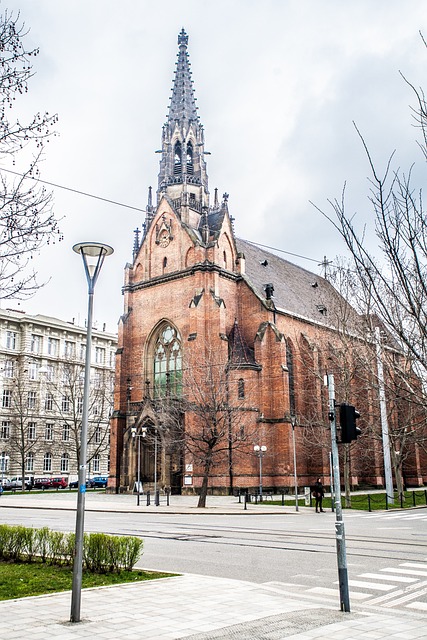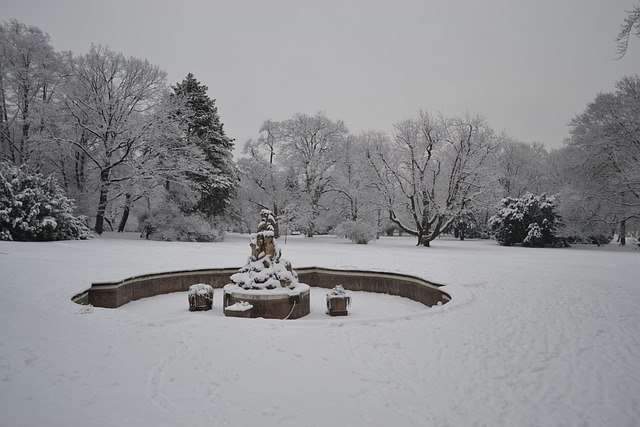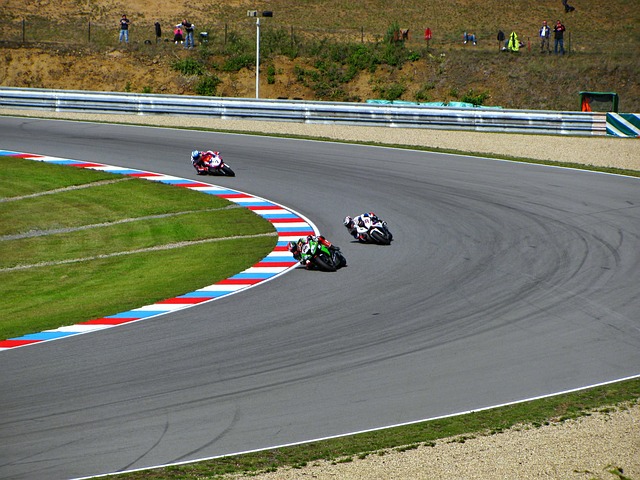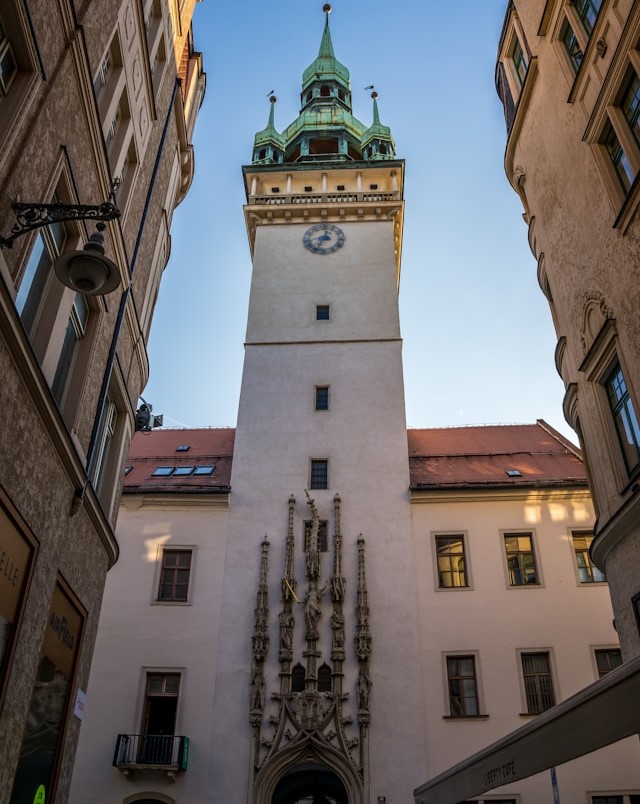
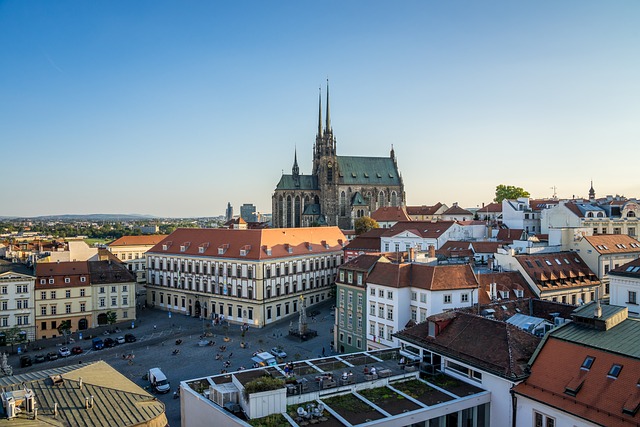
City view of Brno, Czech Republic

Brno

Brno, the second-largest city in the Czech Republic, is known for its vibrant cultural scene and youthful atmosphere, thanks to its large student population. The city boasts a rich architectural heritage, with landmarks like Špilberk Castle and the Cathedral of St. Peter and Paul. Brno is also an important center for science and technology, hosting several research institutions and universities. Visitors can explore its thriving cafe culture, historic squares, and museums that showcase its rich Moravian history. With its lively events, including festivals and markets, Brno is a city that offers something for everyone.

Top attractions & things to do in Brno

If you’re searching for the best things to do in Brno, this guide brings together the top attractions and must-see places to visit in Brno. The top picks below highlight the most visited sights for first-time visitors, plus a few local favorites worth adding.

Brno Zoo in Brno, Czech Republic

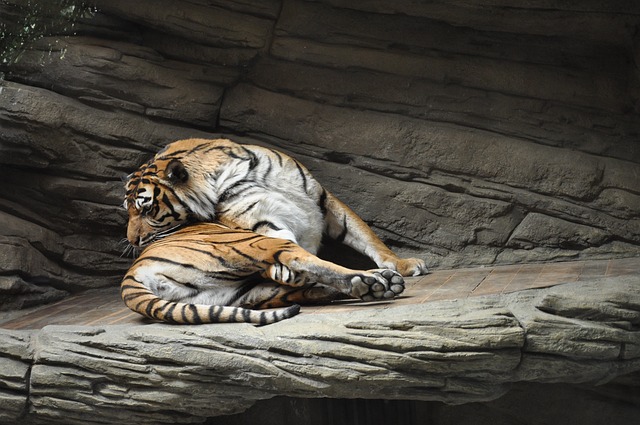
Brno Zoo

Established in 1953 on Mniší Mountain, Brno Zoo spans 60 hectares of hillside terrain and is renowned for its pioneering biotope enclosures. The Indonesian Jungle exhibit immerses visitors among free-roaming gibbons, while the African Savannah pavilion shelters giraffes, zebras, and rhinos on open grasslands. A dedicated Przewalski’s horse program has successfully bred and reintroduced over 150 horses to the Mongolian steppe. The Madagascar island habitat features ring-tailed lemurs bounding among baobab trees, and a nocturnal house reveals elusive owls and bats under red lighting. Daily feeding sessions and keeper talks energize curious crowds, while elevated canopy walkways offer panoramic views of terraced enclosures. Conservation partnerships support more than 40 global species-survival programs. A scenic train ride winds through forested valleys, and mountain spring water cascades through the aquatic pavilion for otters and seals. Family zones include a petting zoo and rope courses, blending education with adventure. Brno Zoo’s blend of innovation, conservation, and immersive design makes it one of Europe’s top zoological destinations.
Ads place
Ads place
Ads place
Ads place
Ads place
Cathedral of St. Peter and Paul in Brno, Czech Republic

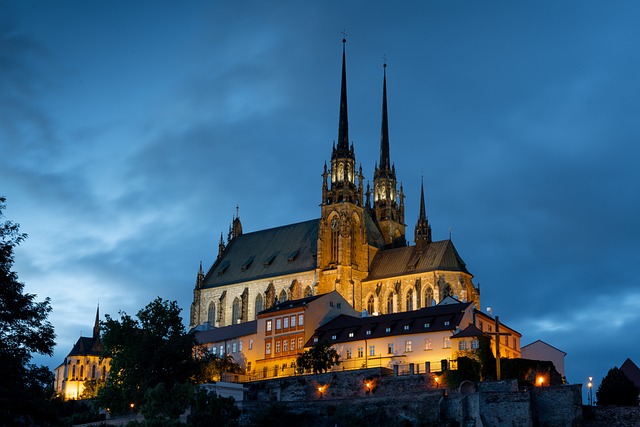
Cathedral of St. Peter and Paul

Perched atop Petrov Hill, the Cathedral of St. Peter and Paul is Brno’s iconic Gothic Revival masterpiece. Its twin 84-metre towers, crowned with green copper spires, dominate the skyline and house a set of five historic bells, the largest ringing at over 6,000 kilograms. Originally recorded in the 11th century, the current 19th-century makeover by architect August Kirstein introduced soaring ribbed vaults and intricate stained glass windows that flood the nave with jewel-toned light. The baroque high altar, carved from white Carrara marble, frames a precious painting of the Assumption of Mary. Beneath the floor lies a crypt holding the remains of 15th-century bishops and local nobles. Pilgrims climb the winding staircase to the observation gallery, where sweeping vistas span the Moravian countryside. Legend claims that the cathedral’s bells once paused mid-ring in 1645 to spare the city during the Swedish siege. Annual orga­n concerts in the cavernous interior draw music lovers, while guided tours reveal hidden side chapels adorned with Renaissance fresco fragments. The Cathedral of St. Peter and Paul stands as both a spiritual beacon and a testament to Brno’s resilient faith and artistry.
Ads place
Ads place
Ads place
Ads place
Ads place
Jan Amos Comenius Church in Brno, Czech Republic

Jan Amos Comenius Church

Dedicated to the “father of modern education,” Jan Amos Comenius Church is a shining example of contemporary religious architecture in Brno. Completed in 1985, its sculptural concrete roof and soaring glass façade evoke an open book, honoring Comenius’s legacy of learning. Inside, an abstract stained-glass installation by Czech artist Jan Kotík bathes the nave in multicolored light reflecting pedagogical diversity. The main altar features an icon of Comenius holding his “Orbis Pictus” textbook, and the ambulatory displays quotes from his educational writings etched into stone. The adjoining lecture hall hosts cultural events and scholarly seminars on philosophy, linguistics, and pedagogical science. A small memorial garden outside invites quiet contemplation amid benches engraved with Comenius’s aphorisms. Each November, the church hosts an international education symposium attracting academics worldwide. As both a place of worship and a cultural landmark, Jan Amos Comenius Church embodies the spirit of inquiry and the transformative power of knowledge.
Ads place
Ads place
Ads place
Ads place
Ads place
Luzanky Park in Brno, Czech Republic

Luzanky Park

Luzanky Park, Brno’s oldest public green space founded in 1786, unfolds across 22 hectares of landscaped gardens, meandering walking paths, and ornamental lakes. Originally a private aristocratic estate, it was opened to the public in 1840, becoming a model of English landscape design. Towering plane and lime trees create shaded promenades, while rose beds and tulip borders burst into color each spring. A restored classicist pavilion hosts open-air concerts and community gatherings beneath its domed roof. Children delight in the adventure playground carved into a natural stone outcrop, and fitness enthusiasts use the outdoor exercise circuits lining the park’s perimeter. Birdwatchers record sightings of kingfishers along the park’s small tributary, and a hidden herb garden showcases traditional Moravian medicinal plants. Annual events—from Czech folk dance festivals to international kite fairs—animate the lawns and pathways. At dusk, lantern-lit concerts in the pavilion blend music and twilight, making Luzanky Park a serene retreat and cultural hub in the heart of Brno.
Ads place
Ads place
Ads place
Ads place
Ads place
MotoGP in Brno, Czech Republic

MotoGP

Each summer, Brno hosts the Czech Grand Prix at the historic Masaryk Circuit, drawing over 200,000 motor racing fans. Laid out on public roads in 1930, the undulating 5.4-kilometer track winds through rolling hills and forests, featuring fast straights, tight bends, and a legendary decline through Brooklands Corner. The circuit’s elevation changes of 73 meters test the world’s top riders on high-powered prototypes. Annual additions like the Spa chicane and modern safety runs keep pace with technological evolution. Off-track, fan zones buzz with live concerts, autograph sessions, and pit-lane parades. Local food stalls serve Moravian specialties alongside beer festivals, and grandstand access offers up-close views of wheel-to-wheel battles. The Brno MotoGP weekend also features support races for Moto2 and Moto3, thrilling emerging talents. A dedicated Museum of Motorcycling nearby chronicles decades of racing triumphs and Czech riders’ achievements. The Czech Grand Prix remains a highlight of the global MotoGP calendar, combining sporting spectacle with regional hospitality.
Ads place
Ads place
Ads place
Ads place
Ads place
Old Town Hall in Brno, Czech Republic

Old Town Hall

The Old Town Hall, Brno’s oldest secular building dating to the mid-13th century, stands as a testament to the city’s civic evolution. Its crooked tower—tilted by centuries of uneven foundation—hides two levels of secret cellars and a labyrinth of tunnels once used for medieval defense. Legend tells of a rebellious craftsman who twisted the tower in protest of unfair taxes. Inside, Gothic vaults and Renaissance murals line the council chambers, while 19th-century additions showcase ornate Baroque decor. In the main courtyard, the Brno Dragon—actually a crocodile preserved in local spirits—guards the entrance, and the symbolic Brno Wheel commemorates a local baker’s cunning feat. Visitors can climb the tower’s narrow staircase for sweeping city views over Zelný trh market stalls and spired rooftops. Seasonal chamber concerts echo through the vaulted halls, and guided tours explore the building’s role as seat of government, prison, and mint. The Old Town Hall remains a vibrant emblem of Brno’s layered history and folklore.
Ads place
Ads place
Ads place
Ads place
Ads place
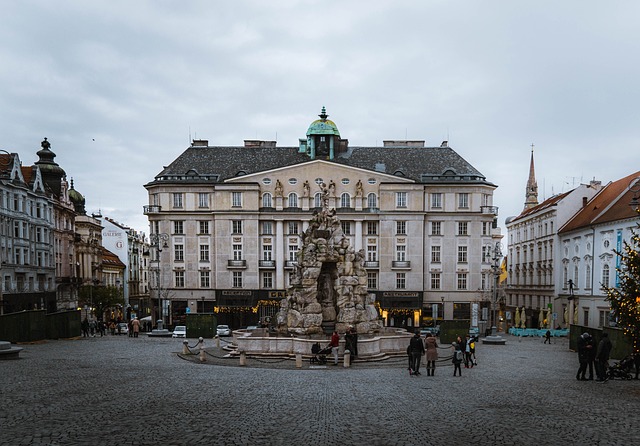
Parnassus Fountain in Brno, Czech Republic

Parnassus Fountain

At the heart of Zelny trh stands the Parnassus Fountain, a late-17th-century Baroque spectacle designed by Johann Bernhard Fischer von Erlach. Three dynamic figures—Hercules, Vulcan, and Mercury—circle a rocky obelisk symbolizing Mount Parnassus, their muscular forms carved in white sandstone and set against the red facade of historic merchants’ houses. The fountain’s intricate grotesque masks and flowing water channels once supplied the market’s vendors, while an underground cistern system ensured year-round operation. According to local lore, emptying a goblet into the fountain grants poetic inspiration, a nod to the muses of ancient Greece. Seasonal floral displays spill over the basin, and daily produce stalls encircle the fountain with vibrant color and fragrance. Beneath its surface, a hidden time capsule from 1883 was discovered during recent renovations, containing coins and spa town memorabilia. At dusk, subtle lighting accentuates the Baroque curves, making the Parnassus Fountain both a living work of art and a bustling focal point of Brno’s marketplace gatherings.
Ads place
Ads place
Ads place
Ads place
Ads place
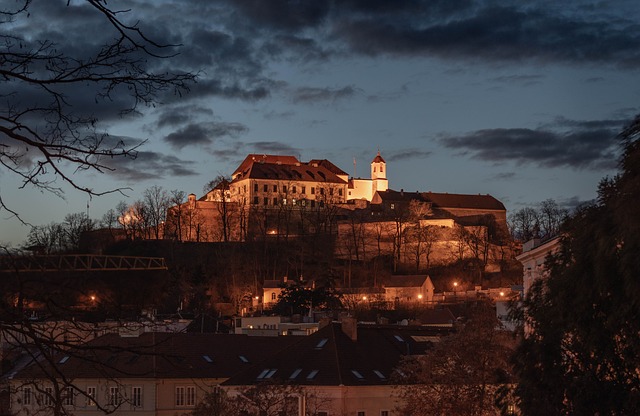
Spilberk Castle in Brno, Czech Republic

Spilberk Castle

Spilberk Castle towers over Brno as a 13th-century royal fortress turned notorious prison complex. Built by King Przhemysl Otakar II around 1270, its sturdy Gothic walls were later adapted into grim cells where political detainees languished under Habsburg rule. Today, the castle houses the Brno City Museum, featuring immersive exhibits on medieval warfare, 18th-century incarceration, and baroque court life. Visitors descend into the dark dungeons, where graffiti by fearless inmates still marks the stone, then climb narrow staircases to the prison cells recreated with authentic iron shackles and clay drinking vessels. From the castle ramparts, sweeping panoramic views reveal Brno’s red-tiled roofs, the Cathedral spires, and the meandering Svratka River. A hidden baroque chapel tucked into the north tower once offered brief solace to condemned prisoners. Seasonal light-and-sound shows project historic battle scenes onto the courtyard walls, while annual medieval festivals bring knights and artisans back to life. Carefully restored battlements and newly discovered Romanesque foundations underscore Spilberk’s layered past and enduring place as Brno’s most evocative landmark.
Ads place
Ads place
Ads place
Ads place
Ads place
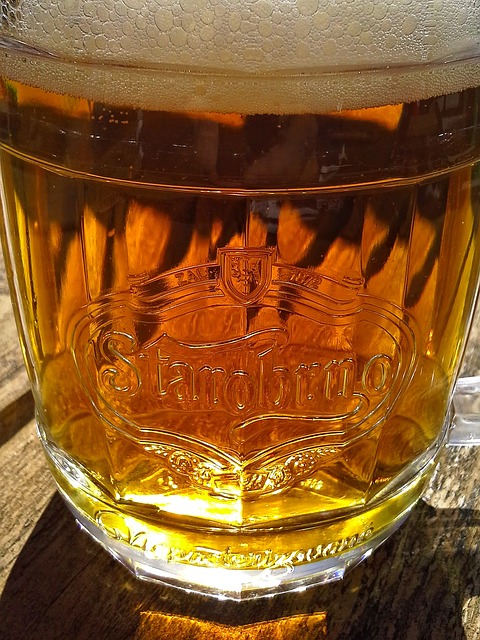
Starobrno Brewery in Brno, Czech Republic

Starobrno Brewery

Founded in 1872 by Georg Leicht, Starobrno Brewery is a pillar of Brno’s brewing heritage. Its original neo-Renaissance brewery hall houses gleaming copper vats and the world’s oldest continuously operating artesian well, tapped in 1885 to supply pure underground water. Guided tours unveil the bottom-fermentation process and the proprietary strain of lager yeast that lends Starobrno its signature crispness. The on-site Brewery Museum displays antique bottling equipment and original advertising posters. Visitors sample flagship beers—Legendární 10 and Dark Lager—paired with freshly baked Štramberk buns in the atmospheric brewpub. Seasonal releases like the Oktoberfest Märzen and Imperial Stout showcase experimental hops and barrel-aging techniques. Annual beer spa treatments use spent grains for exfoliating scrubs and thermal wort baths to highlight local wellness traditions. With over 150 years of continuous operation, Starobrno Brewery remains a living testament to Moravian brewing artistry and innovation.
Ads place
Ads place
Ads place
Ads place
Ads place
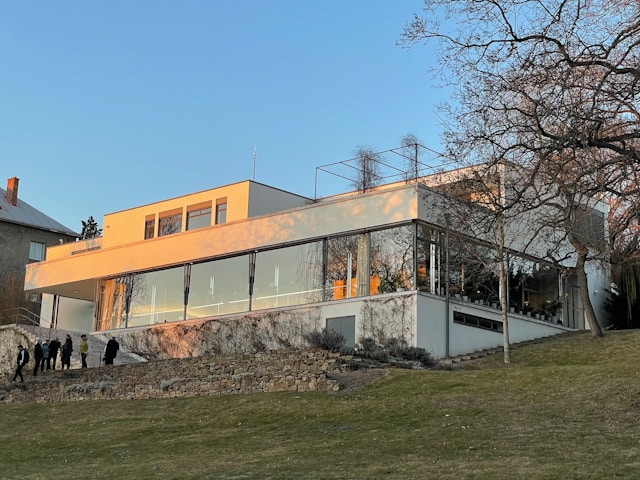
Villa Tugendhat in Brno, Czech Republic

Villa Tugendhat

Villa Tugendhat, completed in 1930 by Ludwig Mies van der Rohe, stands as a UNESCO World Heritage icon of modernist architecture. Commissioned by the Tugendhat family, its steel frame and expansive glass walls blur the line between interior and garden, while the celebrated open-plan living space flows seamlessly into the surrounding landscape. Original Barcelona chairs and bespoke onix partitions highlight Mies’s minimalist aesthetic, and a pioneering sliding façade system generates natural ventilation. A subterranean bunker—once a family refuge during wartime—has been restored to reveal period furnishings and painted murals. The villa’s postwar history includes decades of neglect until a meticulous three-year restoration returned it to its 1930s glory. Guided tours showcase the tension-free roof design and the interplay of luxury materials: macassar ebony, onyx, and marble. Today, Villa Tugendhat offers guided insights into functionalist innovation, Jewish patronage in prewar Czechoslovakia, and the resilience of architectural heritage.
Ads place
Ads place
Ads place
Ads place
Ads place