
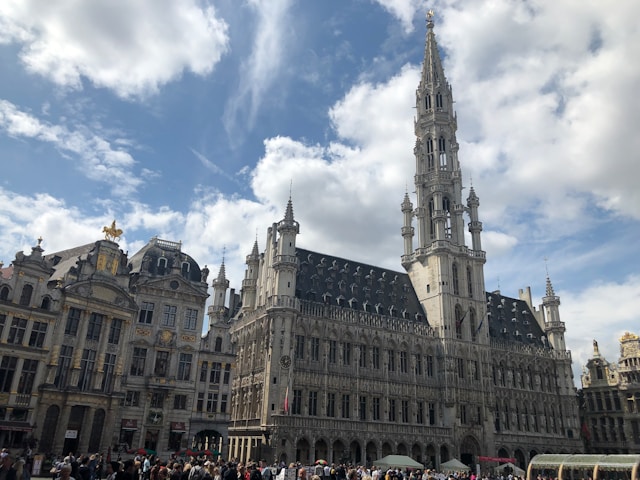
Grand Place
In Brussels, Belgium .
More places to visit in Brussels
Discover more attractions and things to do in Brussels.
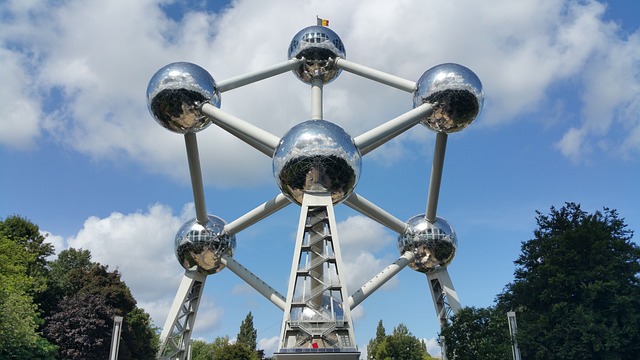
Atomium
The Atomium is one of Brussels' most iconic landmarks, built for the 1958 World Expo (Expo 58). Designed by engineer André Waterkeyn , the structure represents an iron crystal magnified 165 billion times . It consists of nine large stainless steel spheres connected by tubes, creating a futuristic appearance that symbolizes progress and science. The Atomium stands 102 meters tall, and visitors can explore several of its spheres, which house exhibitions on science, design, and Belgium's history. The top sphere offers panoramic views of Brussels and beyond, with a restaurant serving traditional Belgian dishes. The structure is a blend of artistic vision and scientific curiosity, making it a unique attraction. The Atomium also includes temporary exhibitions on art and architecture, emphasizing its role as both a cultural and historical monument. The Atomium is a representation of post-war optimism and remains one of Brussels' top tourist destinations.
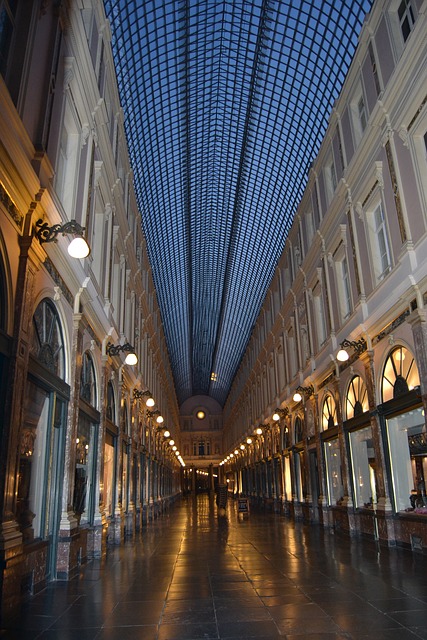
Galeries Royales Saint-Hubert
The Galeries Royales Saint-Hubert is one of Europe's oldest shopping arcades , a luxurious glass-roofed gallery built in 1847 . Located near the Grand Place, this elegant shopping arcade features stunning Renaissance Revival architecture , with its high arched ceilings, intricate ironwork, and classical columns. The Galeries are divided into three sections: the Galerie du Roi, Galerie de la Reine, and Galerie des Princes, each lined with high-end boutiques, jewelers, cafes, and chocolate shops. The galleries are known for housing some of Brussels' most prestigious chocolatiers, including Neuhaus and Pierre Marcolini, making it a prime destination for chocolate lovers. In addition to shopping, visitors can enjoy a variety of cultural events held in the gallery, including art exhibitions and performances at the Théâtre des Galeries. Its prime location and luxurious atmosphere make the Galeries Royales Saint-Hubert a perfect place for leisurely shopping, indulging in fine chocolates, or simply admiring the architectural beauty. It's also a favorite spot for photography, with its perfect blend of historical charm and modern luxury. Whether you're shopping or just taking in the sights, the Galeries offer a refined, elegant experience that highlights Brussels' rich cultural heritage.
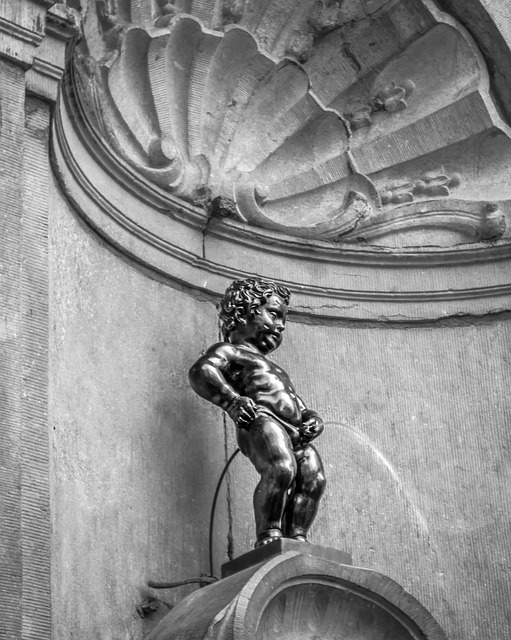
Manneken Pis
Manneken Pis is one of Brussels' most famous landmarks, a small bronze statue of a little boy urinating into a fountain. Despite its diminutive size, the statue has become a symbol of the city's playful and irreverent spirit. Located near the Grand Place, Manneken Pis dates back to the early 17th century , though its origins are surrounded by various local legends. One popular story suggests the statue commemorates a young boy who saved Brussels from a fire by urinating on it, while another myth claims it represents a child who urinated on invading troops. The statue is often dressed in different costumes, and a nearby museum, GardeRobe MannekenPis , displays over 1,000 outfits worn by the figure. The tradition of dressing Manneken Pis began in the 18th century and continues today, with costumes reflecting international events, holidays, and notable visitors. Tourists flock to see this quirky piece of Brussels' history, which reflects the city's humorous and light-hearted character.
Mini-Europe
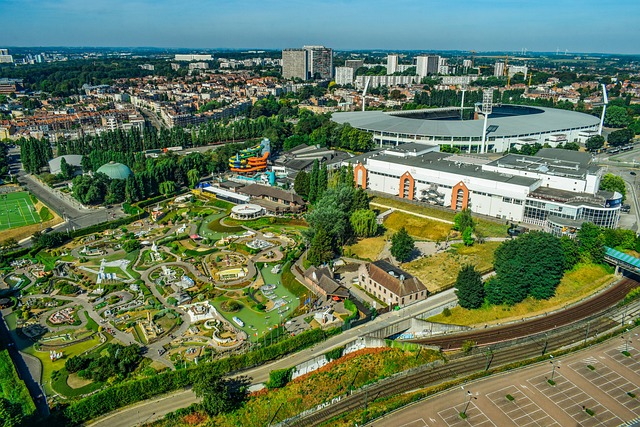
Mini-Europe is a unique and family-friendly attraction located near the Atomium in the Bruparck complex. It showcases over 350 miniature models of famous landmarks from across the European Union, scaled down to 1/25th of their original size. Visitors can stroll through replicas of iconic structures like the Eiffel Tower , Big Ben , Venice's Grand Canal, and Berlin's Brandenburg Gate, all beautifully detailed and set in a charming landscaped garden. Mini-Europe offers an interactive experience, with many models featuring mechanical elements—such as trains, boats, and even erupting Mount Vesuvius. The park provides an educational yet entertaining journey through Europe's architectural and cultural heritage. Each country is represented with its most significant monuments, offering a quick "tour" of Europe in just a few hours. Informational panels and multimedia presentations offer insights into the history, geography, and culture of each country. Mini-Europe is especially popular with families, as it combines entertainment with learning in a visually engaging format.
Mont des Arts
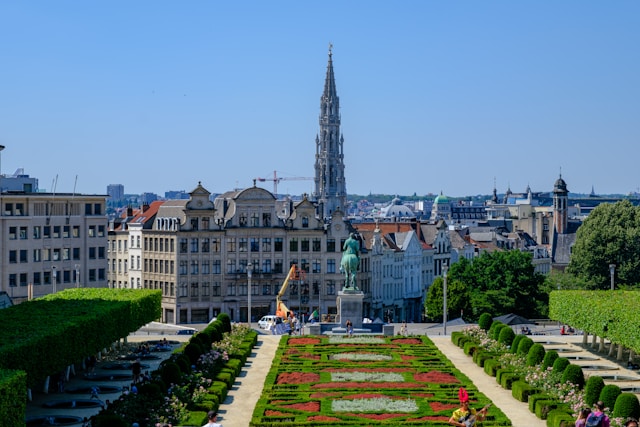
The Mont des Arts (Hill of the Arts) is a cultural and historic area in Brussels, offering one of the best panoramic views of the city. The area was developed in the early 20th century and is home to some of Brussels' most important cultural institutions, including the Royal Library of Belgium , the Musical Instrument Museum , and the Royal Museums of Fine Arts. The Mont des Arts' beautiful terraced garden, lined with fountains and statues, leads down toward the Grand Place, making it a popular spot for a leisurely stroll. The Carillon Clock, with its twelve figures representing key figures from Brussels' history, is another striking feature. Mont des Arts is also a hub for public events and festivals. The combination of its cultural institutions, peaceful gardens, and stunning views makes Mont des Arts a perfect place for tourists to explore the artistic and historic heart of Brussels.
Parc du Cinquantenaire
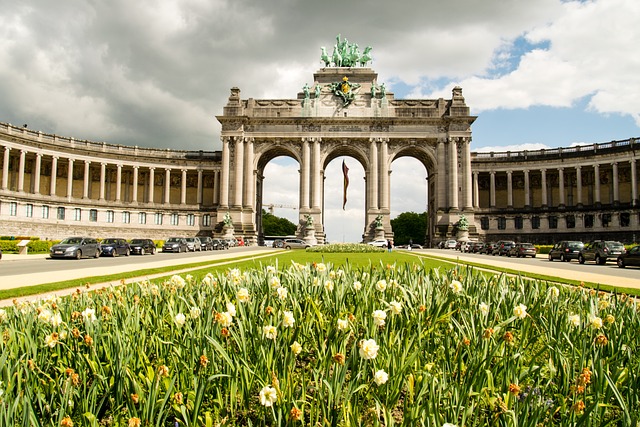
The Parc du Cinquantenaire is a sprawling park built to commemorate Belgium's 50th anniversary of independence in 1880. Located in the European Quarter, the park features a stunning triumphal arch flanked by colonnades and is home to several important museums, including the Royal Museum of the Armed Forces , the Art & History Museum , and Autoworld, an impressive collection of vintage cars. The park's name, meaning “Park of the Fiftieth Anniversary,” reflects its historical significance, as it was created to showcase Belgium's progress. The triumphal arch, completed in 1905, offers panoramic views of Brussels from its top. The park is a popular spot for locals and tourists alike, offering large green spaces for picnics, jogging, and relaxation. Its serene environment contrasts with the urban surroundings, making it a peaceful retreat. The combination of natural beauty, historical significance, and cultural institutions makes Parc du Cinquantenaire one of Brussels' top attractions.
Royal Palace of Brussels
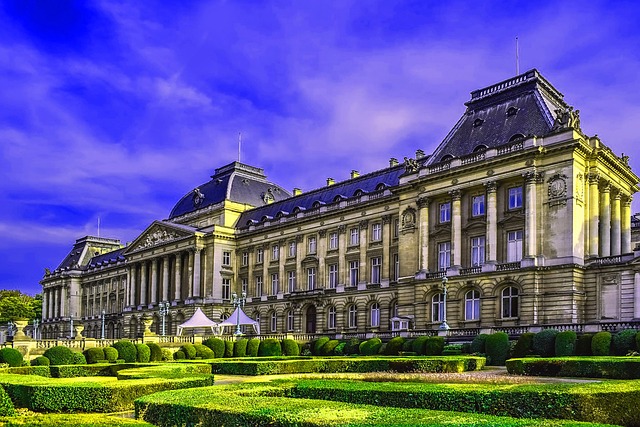
The Royal Palace of Brussels is the official palace of the Belgian monarch, though it is not a royal residence. Located in front of Parc de Bruxelles, this grand neoclassical building is used for state functions and ceremonial purposes. Each summer, the palace opens its doors to the public, allowing visitors to explore its lavish interior. Highlights include the Mirror Room , with its intricate ceiling adorned with thousands of scarab beetle wings, creating a dazzling green and gold effect. The Throne Room and Empire Room showcase the grandeur of royal life, with chandeliers, gilded details, and luxurious decor. The palace's art collection, including works from the Belgian Royal Collection, is also on display. The building's architecture, which combines classical elegance with modern touches, reflects Belgium's monarchical and political history. The Royal Palace is an important symbol of Belgium's constitutional monarchy, and its majestic presence in the city center makes it a must-see for visitors.
Sablon District
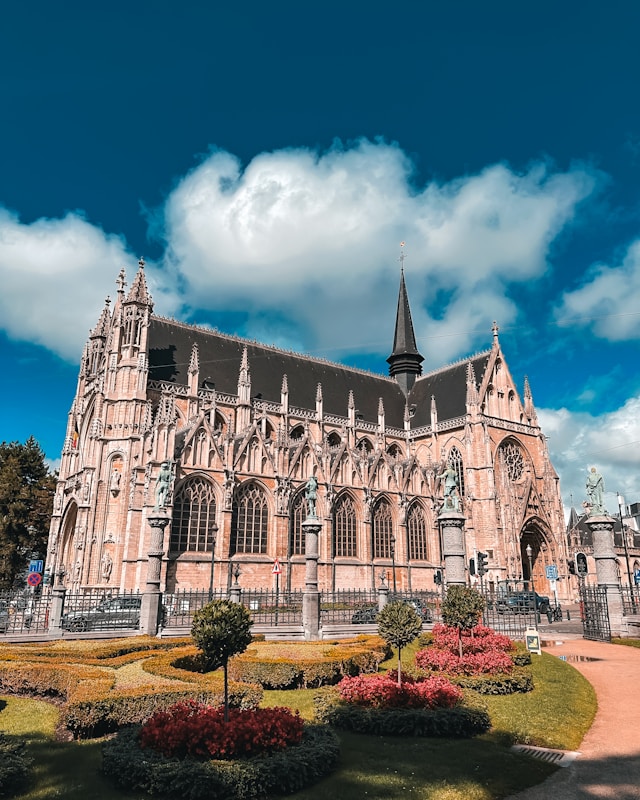
The Sablon District is one of Brussels' most elegant and historic neighborhoods, known for its art galleries, antique shops, and famous chocolatiers. The district is divided into two squares: the Grand Sablon , known for its weekend antique market , and the Petit Sablon, a picturesque park adorned with statues representing Brussels' medieval guilds. The Church of Our Blessed Lady of the Sablon is a stunning example of Brabantine Gothic architecture , famous for its stained glass windows and richly decorated chapels. The Sablon area is a hub for Brussels' artistic and culinary culture, with some of the city's finest restaurants and patisseries located here. It's also home to renowned chocolatiers like Pierre Marcolini and Wittamer, making it a haven for chocolate lovers. The combination of history, culture, and luxury makes the Sablon District a must-visit for those looking to experience the finer side of Brussels.
Saint Michael and Saint Gudula Cathedral
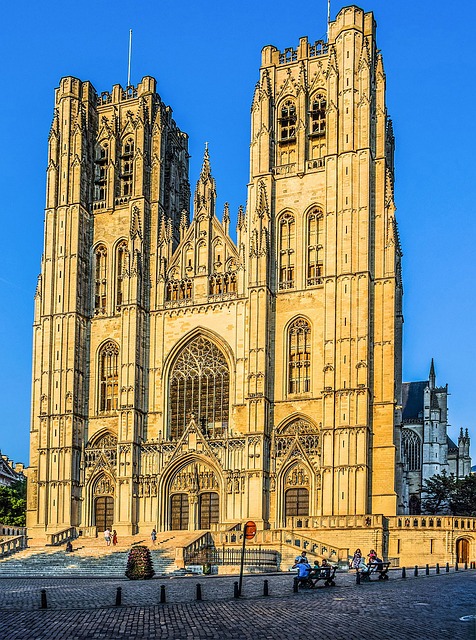
The Saint Michael and Saint Gudula Cathedral is Brussels' main Roman Catholic church and a masterpiece of Gothic architecture . Located on Treurenberg Hill, the cathedral was built between the 13th and 16th centuries and is dedicated to the city's patron saints, Michael and Gudula. Its twin towers dominate the Brussels skyline, and the intricate facade, featuring detailed sculptures, is a testament to the city's medieval craftsmanship. Inside, the cathedral boasts magnificent stained glass windows , a carved wooden pulpit, and impressive stone vaults. The cathedral has witnessed many significant events, including royal weddings and state ceremonies. Visitors can explore its crypt, where archaeological remains of earlier churches are displayed, providing a glimpse into the site's long history. The cathedral is also known for its organ concerts, which attract music lovers from around the world. Its combination of historical, religious, and architectural significance makes it a must-visit for anyone in Brussels.