
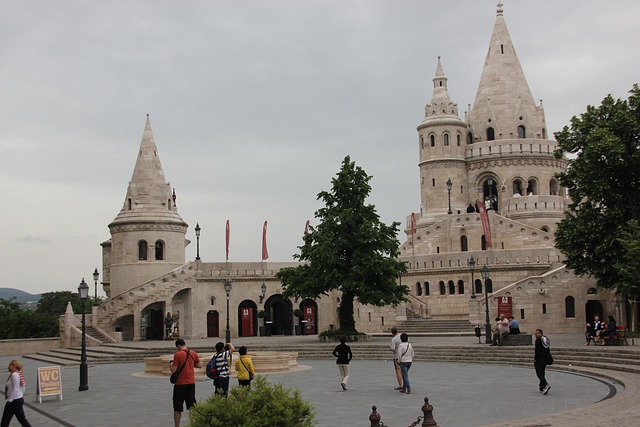
Fisherman's Bastion
In Budapest, Hungary .
More places to visit in Budapest
Discover more attractions and things to do in Budapest.
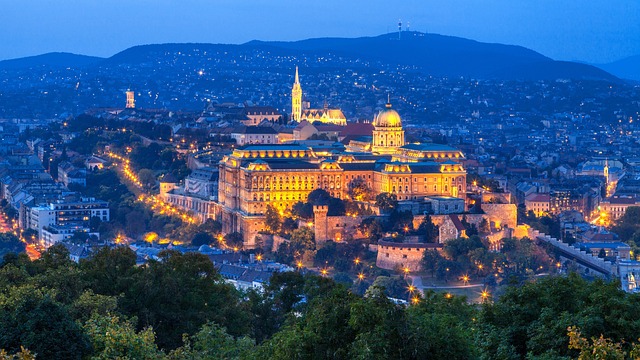
Buda Castle
Buda Castle crowns Castle Hill as a symbol of Hungary's royal heritage, standing over the city since the 13th century . Rebuilt many times, the present Baroque palace dates to the 18th century and now houses the Hungarian National Gallery and Budapest History Museum. Its richly decorated halls and panoramic terraces invite exploration, while underground labyrinths reveal stories of sieges and secret wine cellars. The castle survived the Ottoman occupation , Habsburg rule, and fierce World War II battles. Each autumn, the grounds host the Buda Castle Wine Festival, drawing locals and tourists for tastings and music. At sunset, the castle glows golden, offering breathtaking views of the Danube. Less known is that the medieval foundations are still visible in some areas. Illuminated at night, Buda Castle’s majestic silhouette is the centerpiece of Budapest’s skyline, a testament to resilience, artistry, and centuries of dramatic history.
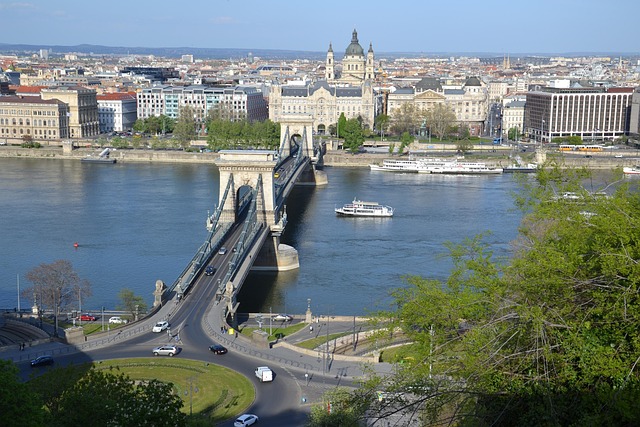
Chain Bridge
The Chain Bridge, opened in 1849 , was the first permanent link between Buda and Pest, transforming the two towns into a single thriving city. Engineered by William Tierney Clark and constructed under Istvan Szechenyi —the “Greatest Hungarian”—it boasts impressive cast-iron chains and grand stone lions guarding each entrance. During World War II , the bridge was severely damaged but rebuilt by 1949, symbolizing Budapest’s resilience. The bridge is central to city festivals and is closed to cars on summer weekends, becoming a bustling promenade. Its nightly illumination creates breathtaking reflections in the Danube. One legend claims the lions have no tongues, inspiring many local tales. The bridge has witnessed revolutions, royal visits, and countless city celebrations. Few realize the original construction materials came from England. Today, it stands as an enduring symbol of unity and the city’s vibrant spirit.
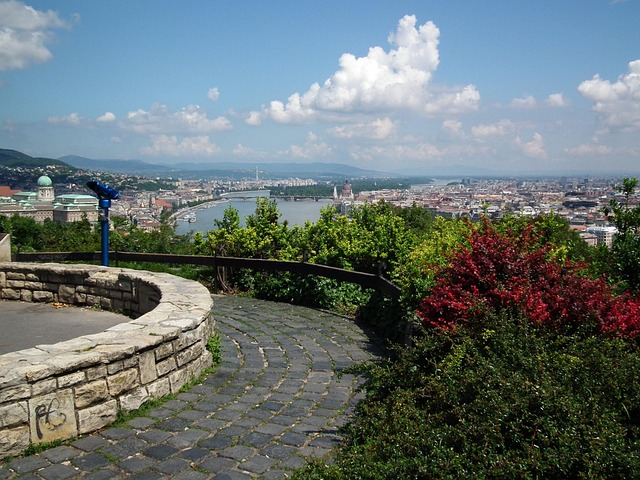
Gellert Hill and Citadel
Gellert Hill rises above Budapest with dramatic cliffs and lush forest trails, crowned by the Citadel , a fortress built by the Habsburgs in 1854 to control the rebellious city. The hill is named after Bishop Gellert , martyred by pagan Magyars in the 11th century and commemorated by a towering statue. The Citadel has witnessed revolutions, sieges, and secret wartime bunkers. From the terraces, visitors enjoy sweeping views across Budapest and the winding Danube. The Liberty Statue , erected in 1947, honors Hungary’s liberation after World War II. Hidden caves beneath the hill have been used for everything from religious hermitages to a secret military hospital. In spring, cherry blossoms fill the hill with color. The Citadel and its panoramic walkways are a favorite spot for both sunrise and sunset, inviting reflection on the city’s turbulent and triumphant history.
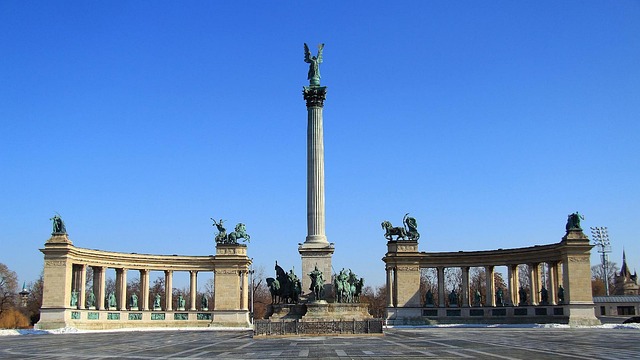
Heroes' Square
Heroes' Square is Budapest’s grandest plaza, created in 1896 for Hungary's Millennium celebrations. The centerpiece is the Millennium Monument with statues of the seven Magyar chieftains who founded the nation, led by Arpad . The colonnades feature leaders and kings from Hungary’s storied past. The square is flanked by the Museum of Fine Arts and Hall of Art, housing world-class exhibitions. Every national holiday, the square hosts ceremonies and parades, drawing thousands. Beneath the surface, an underground station from the world’s second-oldest metro line adds another layer of history. Few visitors realize that the entire monument was constructed over a former swamp. Heroes' Square is a powerful symbol of national pride, memory, and the cultural heartbeat of modern Budapest. Even at night, the statues are beautifully illuminated, attracting photographers and romantics alike.
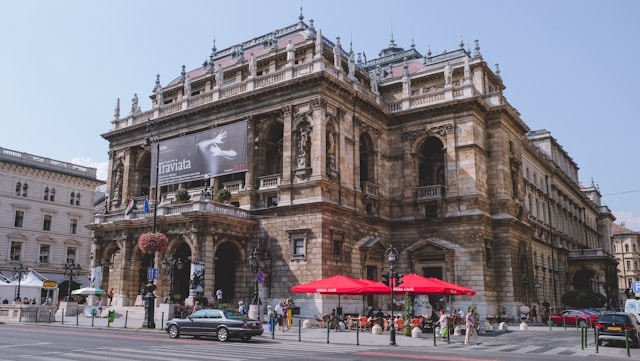
Hungarian State Opera House
Built in 1884 , the Hungarian State Opera House is a jewel of neo-Renaissance design by architect Miklos Ybl . The auditorium is famed for its gilded balconies, marble staircases, and frescoed ceilings. Operas, ballets, and concerts performed here have drawn the world's greatest artists. The building survived wars, political upheaval, and extensive renovations. Its stage technology, once cutting-edge, still impresses today. A highlight is the annual Budapest Opera Ball, a glamorous event attracting the elite of Central Europe. Few realize the theater’s horseshoe shape ensures perfect acoustics. Behind the curtain, intricate backstage machinery and costume workshops keep productions running smoothly. The Opera House offers daily guided tours, including a glimpse of Franz Liszt’s own box. The facade, adorned with statues of great composers, glows at night, making it one of Budapest’s most beautiful and enduring cultural landmarks.
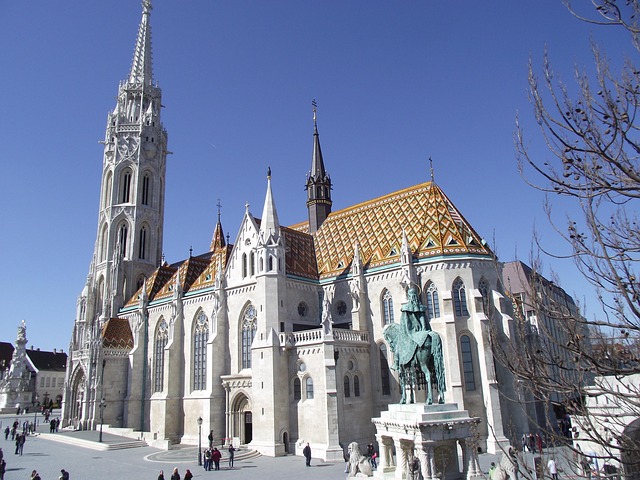
Matthias Church
Matthias Church, with its striking multicolored tiled roof, is a masterpiece of Gothic architecture and spiritual center of Buda. Rebuilt in the 14th century and restored by Frigyes Schulek in the late 1800s, the church has hosted royal coronations and weddings for centuries. Its interior is adorned with medieval frescoes, gilded altars, and an impressive rose window. The church's crypt holds the tomb of King Bela III, one of Hungary’s most important rulers. During the Ottoman occupation , it served as a mosque, with elements of Islamic design still visible in the minaret. The church is famous for its acoustics and regular classical concerts. A lesser-known treasure is the small museum of ecclesiastical art within the tower. Its bells ring out across the city, carrying centuries of history with every chime.
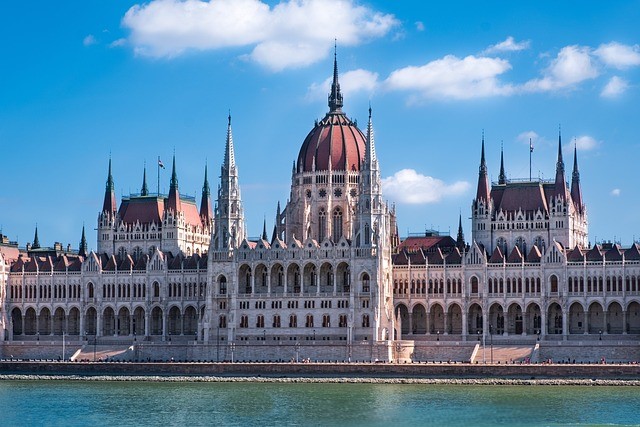
Parliament Building
Towering over the Danube, this magnificent seat of government is celebrated for its neo-Gothic architecture and is one of the world's largest parliaments. Completed in 1904 after nearly two decades of construction, its architect Imre Steindl incorporated 691 rooms, elaborate staircases, and a stunning dome that rises 96 meters, echoing Hungary's 896 founding. Inside, visitors marvel at the Hungarian Crown Jewels , guarded with immense ceremony. Illuminated by thousands of lights at night, the building shimmers in the cityscape. Statues of Kossuth Lajos and historic Hungarian leaders stand outside. Few realize the Parliament is symmetrical in design but only one side is used for business—another for visitors and tours. Each August, it serves as the backdrop for St. Stephen’s Day celebrations, with fireworks illuminating the sky. Guided tours reveal hidden passageways, artistic details, and a fascinating history of political intrigue and resilience.
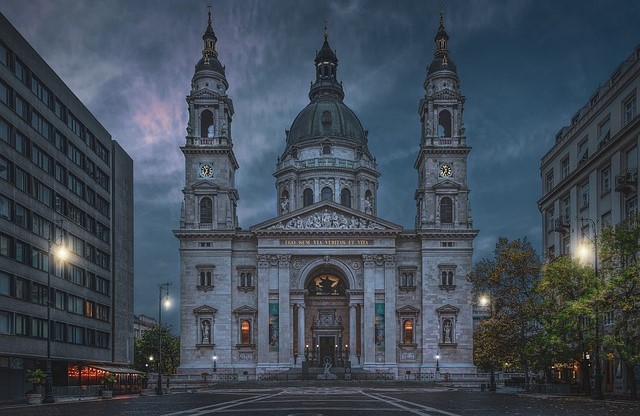
St. Stephen's Basilica
This monumental church honors Stephen I , Hungary's first Christian king, whose mummified right hand, the Holy Right , is displayed in a lavish golden reliquary. Finished in 1905 , the basilica blends neoclassical and Renaissance styles. Its grand dome rises 96 meters, matching the Parliament and symbolizing national unity. Visitors climb to the observation terrace for sweeping city views, while the interior dazzles with marble, mosaics, and gold-leaf. Renowned for its exceptional acoustics, the basilica hosts world-class organ concerts . A unique tradition is the annual blessing of bread each August. Lesser-known are the crypts beneath the church, accessible by special tours, and the fact that the dome collapsed during construction and had to be rebuilt. During Christmas, the square outside transforms into a sparkling market. The basilica is a living monument to faith, perseverance, and the enduring spirit of Budapest.
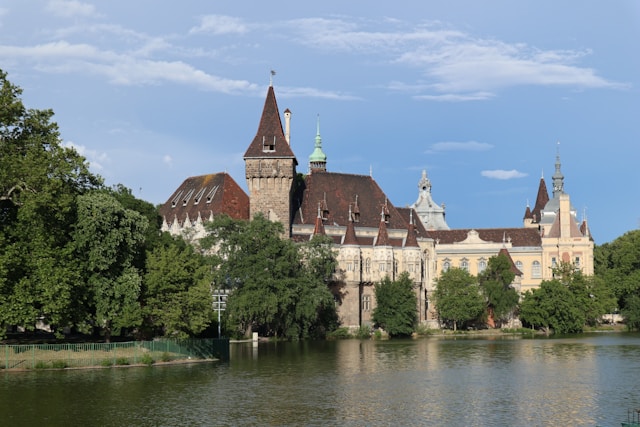
Vajdahunyad Castle
Vajdahunyad Castle stands in City Park as a whimsical architectural showcase, designed in 1896 for the Millennium Exhibition. The castle fuses styles from Romanesque to Gothic, Renaissance, and Baroque, reflecting Hungary's diverse past. It was inspired by the Transylvanian castle of the same name, yet incorporates elements from across the country. Today, it houses the Hungarian Agricultural Museum , the world’s largest of its kind. The castle’s picturesque courtyards are the scene of festivals, concerts, and open-air ice skating in winter. A statue of Anonymous , the mysterious chronicler of Hungarian history, sits in the gardens. Few realize that some sections were originally built from cardboard and wood and only later made permanent. Vajdahunyad Castle is beloved for its fairy-tale setting, attracting photographers and dreamers all year.