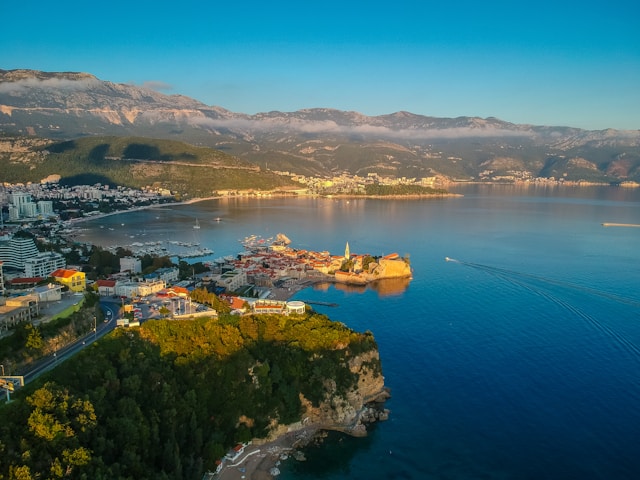
City view of Budva, Montenegro

Budva

Budva is the sparkling diva of the Adriatic, balancing ancient intrigue and wild summer nights. The Old Town’s sun-bleached walls guard a maze of boutiques, galleries, and bars where jazz spills out onto the cobblestones. By day, golden beaches buzz with sunseekers and paddleboarders; by night, Budva transforms into a party capital where DJs and folk dancers share the same stage. Try the fresh seafood straight from the market or linger over a sunset with a rakija in hand. Fortress walks, hidden gardens, and theatrical festivals will tempt you to extend your stay. Budva’s spirit is bright, bold, and impossible to forget—every evening ends with fireworks, either in the sky or in your soul.

Top attractions & things to do in Budva

If you’re searching for the best things to do in Budva, this guide brings together the top attractions and must-see places to visit in Budva. The top picks below highlight the most visited sights for first-time visitors, plus a few local favorites worth adding.

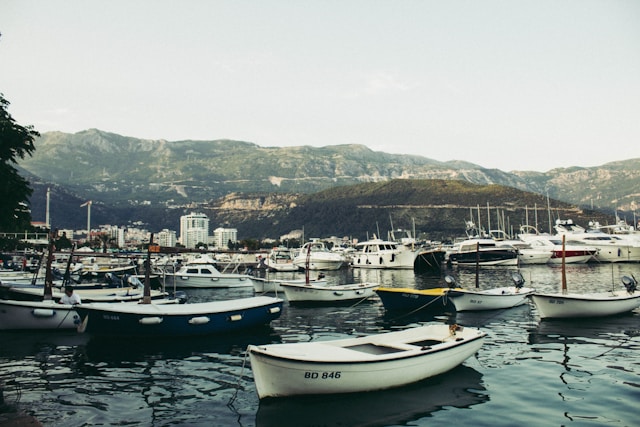
Budva Marina in Budva, Montenegro

Budva Marina

Budva Marina buzzes with cosmopolitan energy, where sleek yachts and colorful fishing boats jostle for space beneath waving palm trees. Opened in 1988, it quickly became Montenegro’s nautical capital and a magnet for seafaring adventurers. The waterfront promenade is lined with chic cafes, ice cream parlors, and seafood bistros—each offering prime views of bobbing masts and turquoise waves. At night, the marina glows with lanterns and live music, creating a festive ambiance for visitors and locals alike. Many celebrities have moored here, turning heads with their luxury vessels. The marina’s annual regatta draws sailors from across the Mediterranean, making it a hub of competition and camaraderie. Whether you’re sipping espresso at dawn or dancing until midnight, Budva Marina promises the perfect blend of relaxation and excitement on the Montenegrin coast. The marina is now recognized as a key entry point for international yachting, cementing Budva’s status as a premier coastal destination.
Ads place
Ads place
Ads place
Ads place
Ads place
Citadel in Budva, Montenegro

Citadel

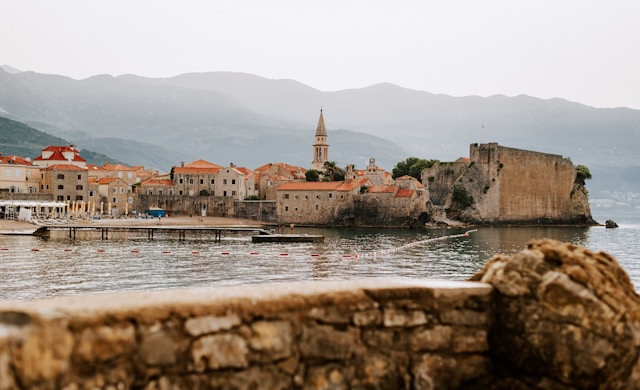
The Citadel of Budva crowns the Old Town with formidable walls and panoramic Adriatic views that make hearts skip a beat. Built in the 15th century by Venetian rulers, this fortress guarded against pirates and invaders, its stone ramparts still echoing with centuries of secrets. Today, the Citadel is home to a naval museum showcasing rare maritime relics, while its tower offers vistas that capture both rooftops and sea in a single breathtaking sweep. In summer, the ancient courtyard transforms into an open-air stage for music and drama festivals, enchanting visitors with art and starry skies. Lovers often carve their initials on the battlements—a romantic tradition said to ensure everlasting affection. Within its walls, you’ll also find a quirky library filled with nautical maps and manuscripts. The Citadel was a key strategic point during many historical battles, shaping Budva’s destiny. No trip to Budva is complete without pausing here to feel the pulse of history beneath your feet.
Ads place
Ads place
Ads place
Ads place
Ads place
Dancing Girl Statue in Budva, Montenegro

Dancing Girl Statue

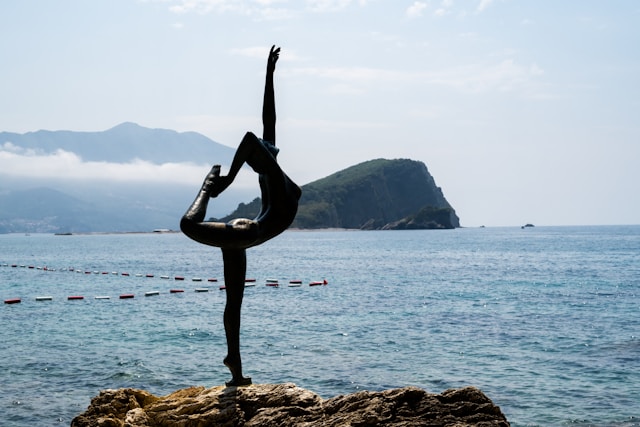
Standing gracefully at the edge of a coastal path, the Dancing Girl Statue has become an unofficial symbol of Budva. Sculpted by Gradimir Aleksic in 1965, this bronze figure captures the spirit of youth and freedom, one leg extended in perfect balance against the sea breeze. Local legend suggests the statue honors a young woman who once waited here for her sailor to return, embodying hope and devotion. The statue’s delicate lines and windswept hair have inspired poets and countless proposals on the nearby rocks. It’s a favorite spot for sunset photos, with the Old Town’s silhouette in the background. Some believe touching her foot brings good luck and love, so don’t be surprised to see visitors queuing for a quick wish. From her perch above Mogren Beach, the Dancing Girl invites all who pass to pause and celebrate the beauty of the moment. The statue is now featured in many postcards and travel guides as a symbol of Budva’s vibrant coastal spirit.
Ads place
Ads place
Ads place
Ads place
Ads place
Holy Trinity Church in Budva, Montenegro

Holy Trinity Church

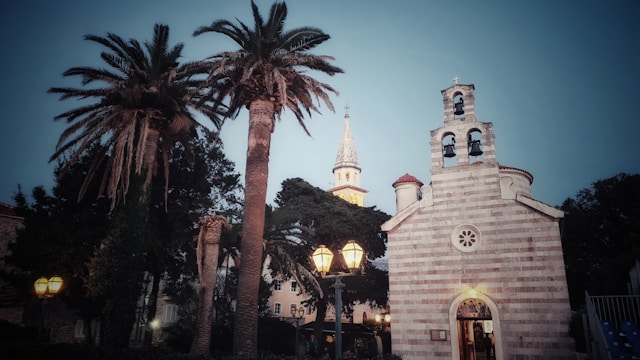
The Holy Trinity Church is a serene sanctuary in Budva’s Old Town, built in 1804 and known for its elegant Byzantine-style architecture. Its twin bell towers and checkered façade stand out among the Venetian walls, inviting worshippers and wanderers alike. Inside, sunlight pours through stained glass, illuminating intricate iconostasis and frescoes. The church was consecrated by Metropolitan Petar I Petrovic, who is celebrated for fostering religious unity in Montenegro. Bells from the Holy Trinity chime during festivals, echoing across rooftops and out to sea. Its small courtyard is often filled with the scent of incense and the gentle murmur of prayer. Weddings here are especially joyous, with traditions handed down through generations. The church’s archives preserve centuries-old manuscripts and records, making it a treasure for history lovers. Restoration projects in the 21st century have ensured that the church remains a vibrant center of faith for locals and visitors alike.
Ads place
Ads place
Ads place
Ads place
Ads place
Island of St. Nikola in Budva, Montenegro

Island of St. Nikola

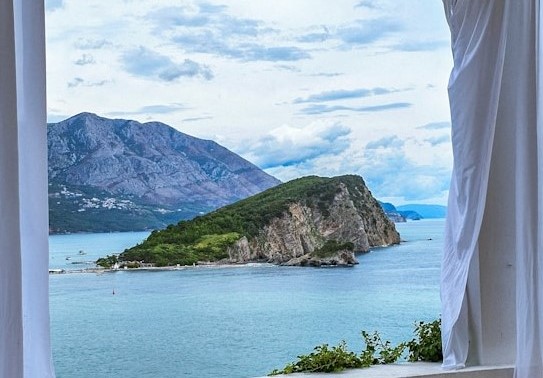
The Island of St. Nikola, affectionately called “Montenegro’s Hawaii”, floats just off Budva’s coast and tempts adventurers with pristine beaches and hidden coves. The island is more than 2 kilometers long, its pine forests sheltering deer and rare birds. Crystal-clear waters beckon swimmers and snorkelers, while a 16th-century chapel hints at centuries of seafaring lore. Ferries shuttle visitors from Budva’s marina, and those who stay late are rewarded with sunsets that ignite the sea. Some say the island’s caves once sheltered pirates, though today you’re more likely to find dolphins dancing offshore. In summer, open-air bars and seafood grills keep the atmosphere festive. From the island’s highest hill, you can spot Budva’s terracotta rooftops sparkling in the sun. The island’s blend of wilderness and whimsy captures Montenegro’s Adriatic magic in miniature. St. Nicholas Day is celebrated each year with special events, drawing both locals and tourists for music and feasting.
Ads place
Ads place
Ads place
Ads place
Ads place
Mogren Beach in Budva, Montenegro

Mogren Beach

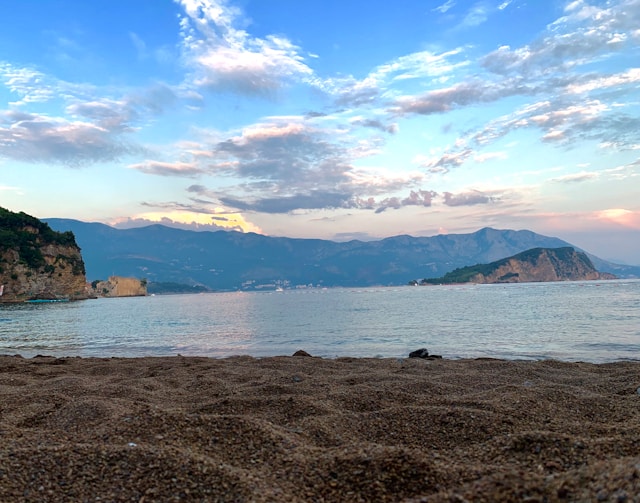
Mogren Beach is Budva’s shimmering gem, just a short stroll from the Old Town, hidden by rocky cliffs and wild fig trees. Its two crescent-shaped coves, connected by a tunnel, boast fine golden sand and dazzling turquoise waters that entice both locals and visitors. Legend says the beach was named after a Spanish sailor shipwrecked here in the 16th century, who made Mogren his sanctuary. During summer, the scent of grilled seafood mingles with laughter and music from beachfront cafes. Mogren’s clear waters are ideal for snorkeling, revealing colorful marine life in every direction. Early mornings offer serene solitude, while evenings bring a vibrant energy as sunbathers become dancers. The dramatic cliffs provide a spectacular backdrop for sunset photography, making every moment feel cinematic. If you listen closely, the waves still carry tales of shipwrecks and hidden treasures just waiting to be discovered. The beach is also known for hosting local music festivals that bring a lively Montenegrin spirit to the shoreline.
Ads place
Ads place
Ads place
Ads place
Ads place
Old Town Budva in Budva, Montenegro

Old Town Budva

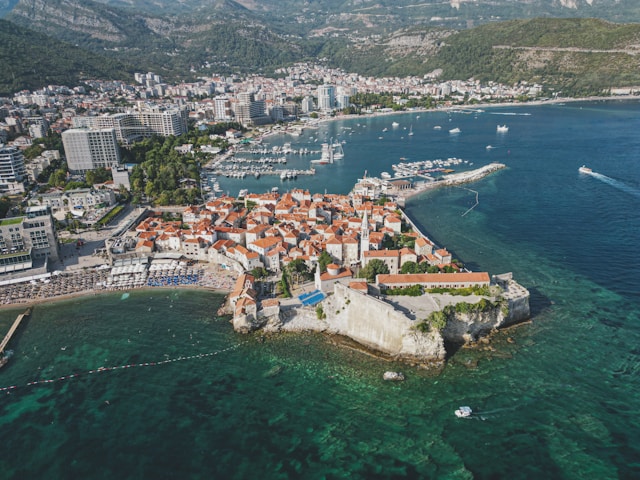
Encircled by ancient stone walls, Budva’s Old Town is a labyrinth of sunlit alleys and charming squares where history dances with the Adriatic breeze. Founded by the Greeks in the 4th century BC, this fortified enclave has witnessed the rise and fall of empires, each leaving its mark on the cobbled streets and ochre rooftops. Venetian rule brought ornate balconies and arched windows, whispering tales of intrigue and trade. The Old Town’s hidden courtyards house artisan boutiques, wine cellars, and galleries brimming with local color. As dusk settles, music drifts from medieval churches, blending tradition and modernity. A UNESCO candidate, Budva’s core offers sweeping views from the Citadel and the best gelato in Montenegro at sunset. Its annual theatre festival, drawing artists from across Europe, keeps the spirit of culture alive year after year. Exploring here feels like walking through a living museum, full of surprises at every turn. The heart of Old Town has survived centuries of earthquakes and sieges, making its preservation all the more remarkable.
Ads place
Ads place
Ads place
Ads place
Ads place
Podmaine Monastery in Budva, Montenegro

Podmaine Monastery

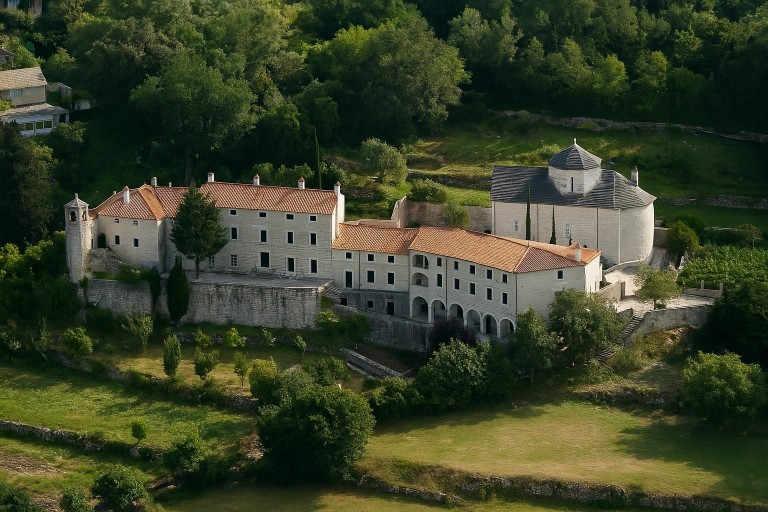
Nestled in pine forests just outside Budva, Podmaine Monastery is a tranquil haven with a storied past. Founded in the 15th century, it served as a refuge for poets and princes during turbulent times. The monastery’s frescoes, painted by famous artist Vasilije Ostroski, glow with vivid color, depicting saints and scenes from local legend. Ancient cypress trees shade the stone courtyard, where monks still tend gardens and beehives. The sound of chanting drifts through arched halls during morning prayers, creating an atmosphere of peace and reflection. Travelers are welcome to sample homemade honey and traditional herb teas, connecting with centuries of monastic tradition. Podmaine’s rich library holds priceless manuscripts, some dating back five hundred years. This sanctuary is the perfect retreat for anyone seeking beauty, history, and a true taste of Montenegro’s spiritual heart. The monastery’s annual celebration of Saint John draws hundreds of pilgrims, keeping its vibrant legacy alive.
Ads place
Ads place
Ads place
Ads place
Ads place
Sveti Stefan in Budva, Montenegro

Sveti Stefan

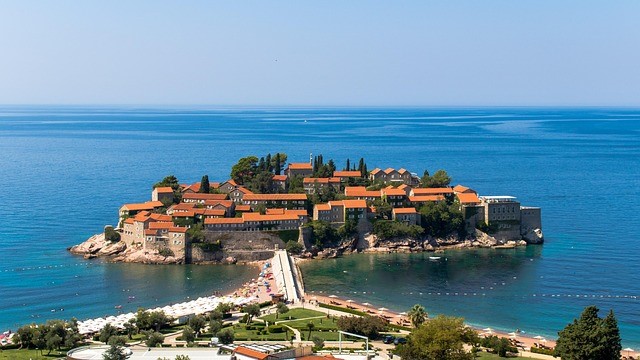
Gleaming like a pink-hued mirage just off the Budva coast, Sveti Stefan is Montenegro's most iconic islet, seamlessly blending fairy-tale charm and celebrity allure. Originally a fortified 15th-century fishing village, this rocky isle is now a world-famous resort, connected to the mainland by a narrow, rose-gold sand causeway. Its historic stone cottages have hosted everyone from Queen Elizabeth II to Hollywood stars, each drawn by the promise of privacy and Adriatic sunsets. The islet’s winding alleys and red-tiled roofs guard a treasure trove of stories—from pirates and poets to glamorous jet-setters. While access is reserved for hotel guests, the public beach nearby boasts dazzling views and the chance to sip espresso where royals once walked. Photographers flock here for sunrise, when the whole island glows with an ethereal light. Sveti Stefan remains a symbol of timeless luxury and Montenegrin magic, enchanting all who gaze upon its shores. Even today, the island's silhouette is recognized as a national symbol of Montenegro, featured in countless travel magazines and postcards.
Ads place
Ads place
Ads place
Ads place
Ads place
The Library in the Citadel in Budva, Montenegro

The Library in the Citadel

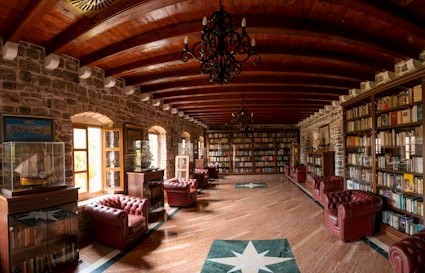
Within the venerable walls of Budva’s Citadel, the Library offers a hidden sanctuary of quiet reflection and maritime heritage. Housed in a former Austro-Hungarian barracks built around 1836, this intimate space features antique books, old maps, and model ships that echo centuries of Adriatic lore. Comfortable leather armchairs and wooden shelves invite visitors to pause amid texts on Balkan history, regional travel, and naval architecture. A display case holds a rare first edition of Rebecca West’s Black Lamb and Grey Falcon, among other treasured volumes. From the upper room, sunlight filters through small windows onto stone floors, lending an atmosphere of hushed reverence. The Library is known for being one of the most atmospheric cultural spots in Budva’s Old Town, offering both locals and travelers a moment of tranquility. It may be small—just two cozy rooms—but every detail speaks of craftsmanship and regional character. The Library occasionally hosts literary evenings and book launches, making it a cultural gem for bibliophiles.
Ads place
Ads place
Ads place
Ads place
Ads place