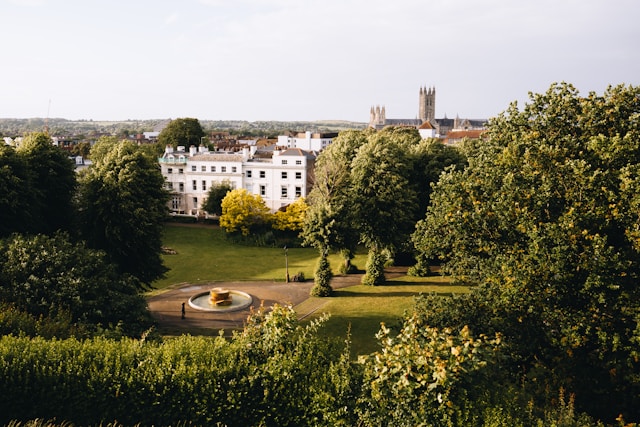
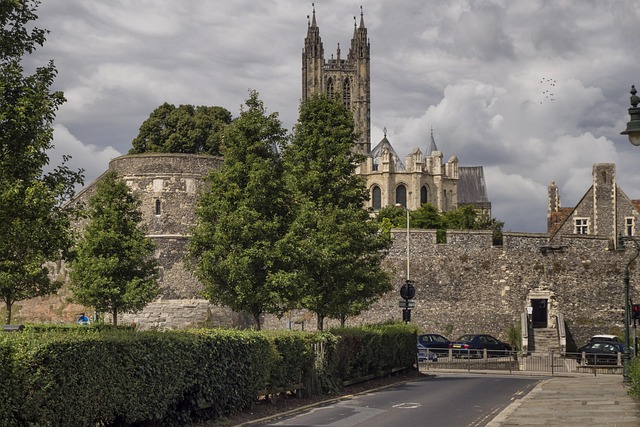
City view of Canterbury, United Kingdom

Canterbury

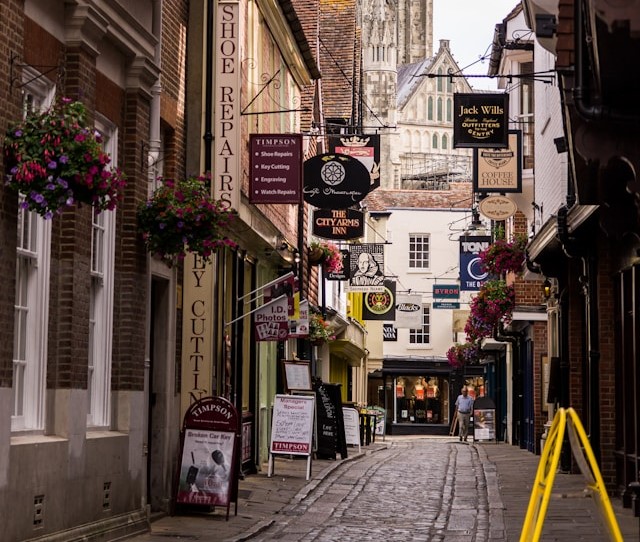
Canterbury, a city in Kent, is known for its historic cathedral and medieval architecture. The city's cathedral, a UNESCO World Heritage Site, is a major attraction and a place of pilgrimage. Canterbury's historic streets, such as the Buttermarket and the King's Mile, are lined with independent shops and cafes. The city's River Stour, with its scenic punting tours, is a popular destination for visitors. Canterbury's green spaces, such as the Westgate Gardens and the Canterbury Tales attraction, provide a peaceful retreat. The city's diverse culinary scene, from traditional pubs to modern restaurants, is a highlight for food lovers. Canterbury's rich history and cultural attractions make it a fascinating destination for visitors.

Top attractions & things to do in Canterbury

If you’re searching for the best things to do in Canterbury, this guide brings together the top attractions and must-see places to visit in Canterbury. The top picks below highlight the most visited sights for first-time visitors, plus a few local favorites worth adding.

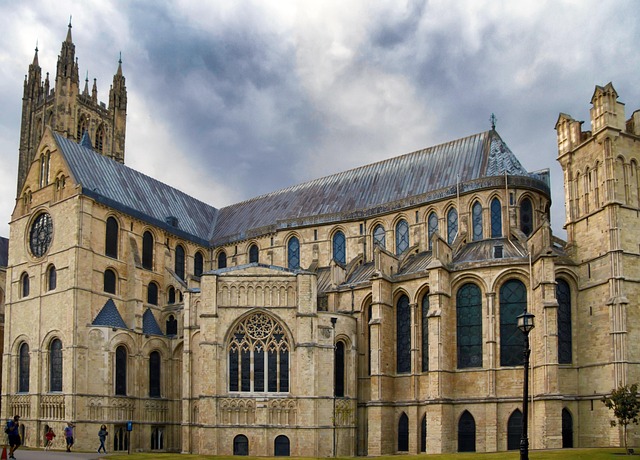
Canterbury Cathedral in Canterbury, United Kingdom

Canterbury Cathedral

Canterbury Cathedral, a UNESCO World Heritage Site, is the mother church of the Anglican Communion and a masterpiece of Gothic architecture. Founded in 597 AD, the cathedral's soaring vaulted ceilings, stained-glass windows, and intricate stone carvings reflect its role as a center of medieval pilgrimage. The site is most famously linked to the martyrdom of Thomas Becket in 1170, whose shrine attracted pilgrims for centuries. Visitors can explore the crypt's Romanesque arches, the Bell Harry Tower's panoramic views, and the Chapter House's medieval frescoes. The cathedral also houses rare manuscripts in its archives, including illuminated Bibles and royal charters. Ongoing preservation efforts highlight its 12th-century craftsmanship, while Evensong services echo its enduring spiritual legacy.
Ads place
Ads place
Ads place
Ads place
Ads place
Canterbury Heritage Trail in Canterbury, United Kingdom

Canterbury Heritage Trail

This self-guided walking tour connects Canterbury's most iconic sites, from the Roman Queningate to the Medieval Weavers' Houses along the River Stour. Highlights include the Old Synagogue (England's oldest), the Crooked House with its tilted 17th-century façade, and the Blackfriars Priory ruins. Informational plaques detail events like the Peasants' Revolt of 1381 and the impact of the Huguenot refugees on the city's textile trade. The trail culminates at the King's Bridge, offering views of the cathedral's Bell Harry Tower.
Ads place
Ads place
Ads place
Ads place
Ads place
Dane John Gardens in Canterbury, United Kingdom

Dane John Gardens

Dane John Gardens, a serene green space atop a Roman burial mound, blends Georgian landscaping with ancient history. The gardens feature a Norman motte-and-bailey earthwork, part of Canterbury's medieval defenses, and a 19th-century memorial column honoring Mayor Simmons. Visitors stroll through rose gardens, a sensory trail, and a Victorian bandstand hosting summer concerts. Hidden beneath the lawns are remnants of a Roman watchtower, discovered during excavations. The site also marks the start of the Canterbury Heritage Trail, linking key landmarks like the city walls and King's Mile.
Ads place
Ads place
Ads place
Ads place
Ads place
Eastbridge Hospital of St. Thomas in Canterbury, United Kingdom

Eastbridge Hospital of St. Thomas

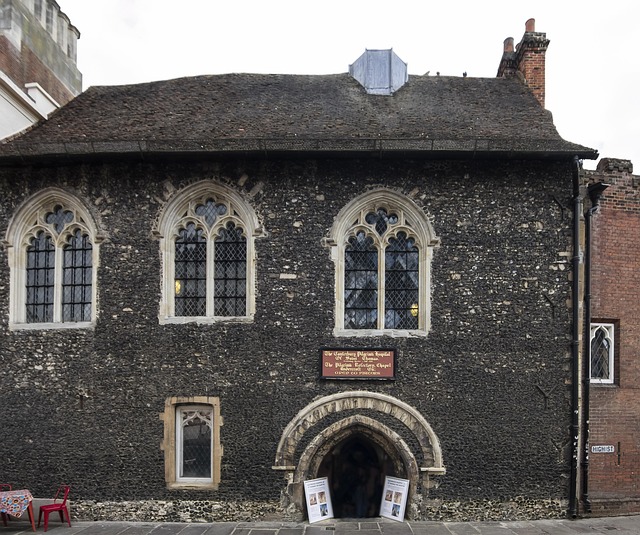
Founded in 1190, Eastbridge Hospital is a surviving medieval pilgrim hospice offering rare insights into Canterbury's religious heritage. Its vaulted undercroft and chapel retain original Norman stonework, while 13th-century frescoes depict scenes from Becket's life. The hospital's almshouse tradition continues today, providing sheltered housing. Visitors can view the medieval refectory, a pilgrim's dormitory with original oak beams, and a crypt displaying artifacts like pilgrim badges and seal matrices. The tranquil courtyard garden, planted with herbs mentioned in Chaucer's tales, serves as a quiet retreat.
Ads place
Ads place
Ads place
Ads place
Ads place
St. Augustine's Abbey in Canterbury, United Kingdom

St. Augustine's Abbey

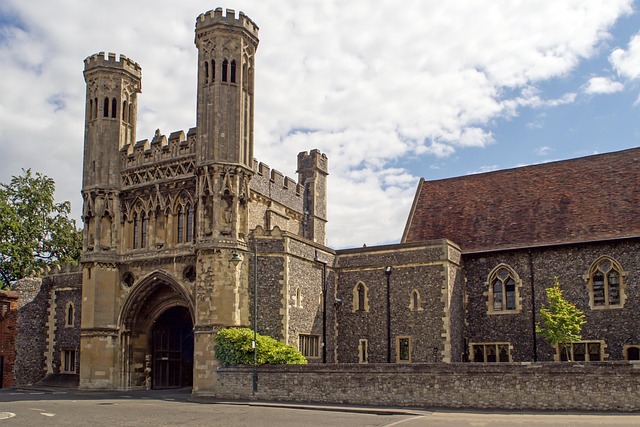
St. Augustine's Abbey, part of the Canterbury UNESCO World Heritage trio, marks the birthplace of Christianity in England. Established in 598 AD by Augustine, the missionary sent by Pope Gregory, the abbey's ruins reveal Saxon and Norman foundations alongside later medieval additions. Interactive displays reconstruct its original layout, including the cloisters, scriptorium, and royal burial site of Anglo-Saxon kings. The site's herb garden, cultivated using medieval techniques, showcases plants once used for medicine and rituals. Archaeologists have uncovered artifacts like 7th-century coins and monastic seals, now displayed in the on-site museum. The abbey's pilgrimage route to the cathedral remains a symbolic path for modern visitors.
Ads place
Ads place
Ads place
Ads place
Ads place
The Beaney House of Art & Knowledge in Canterbury, United Kingdom

The Beaney House of Art & Knowledge

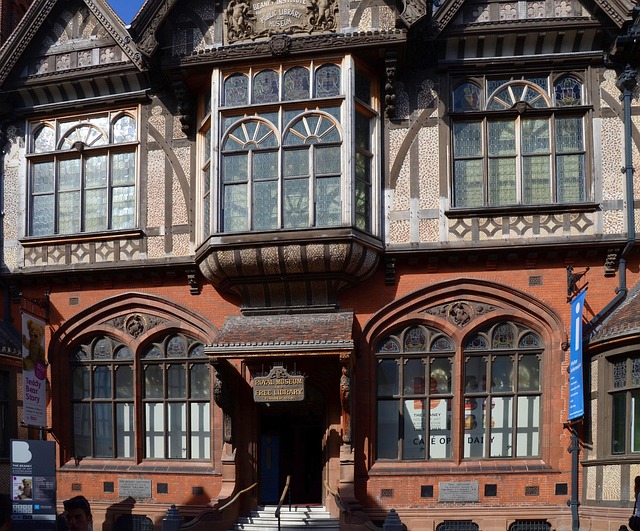
This combined museum, library, and gallery occupies a Tudor Revival building on Canterbury's High Street. Exhibits range from Egyptian mummies to Anglo-Saxon jewelry, including the Milton Shield, a 2,500-year-old Bronze Age artifact. The art gallery showcases works by local artists like Thomas Sidney Cooper and Pre-Raphaelite sketches. A reconstructed Victorian study displays rare books, while interactive screens detail Canterbury's role in the World Wars. The Beaney also houses the city's oldest public library, with a collection of medieval charters and maps.
Ads place
Ads place
Ads place
Ads place
Ads place
The Historic City of Canterbury in Canterbury, United Kingdom

The Historic City of Canterbury

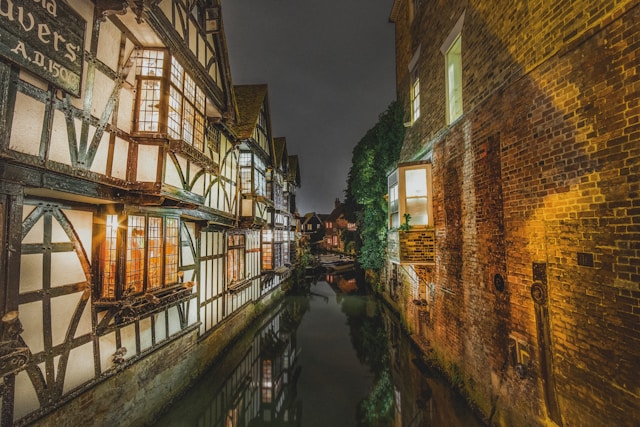
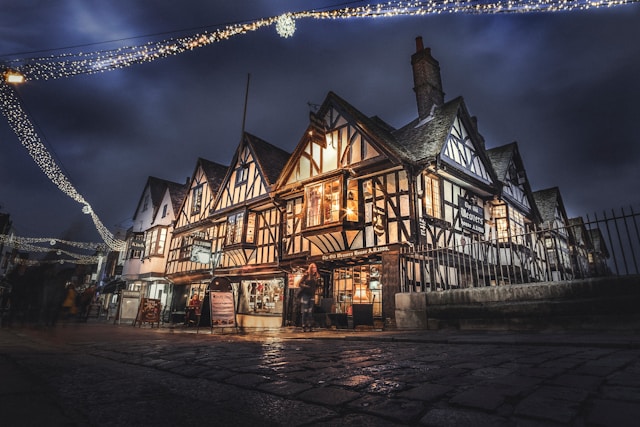
The Historic City of Canterbury, a living chronicle of over 2,000 years of British history, seamlessly intertwines Roman foundations, medieval spirituality, and modern preservation. At its core lies the Canterbury Cathedral, a UNESCO World Heritage Site and spiritual heart of Anglicanism, where the martyrdom of Thomas Becket in 1170 transformed the city into Europe's premier pilgrimage destination. The cathedral's Gothic spires dominate a skyline dotted with remnants of Roman walls, Saxon churches, and Tudor timber-framed houses, such as the iconic Old Weavers House along the River Stour.
Ads place
Ads place
Ads place
Ads place
Ads place
The Marlowe Theatre in Canterbury, United Kingdom

The Marlowe Theatre

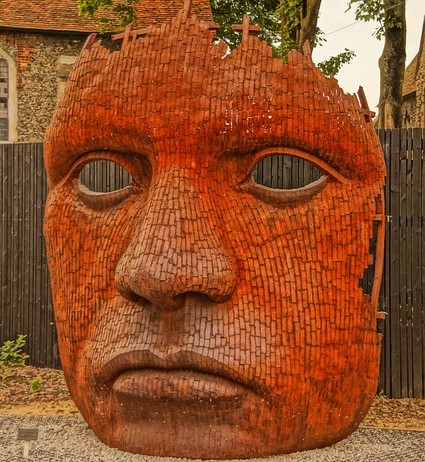
The Marlowe Theatre, named after Canterbury's Elizabethan playwright Christopher Marlowe, is a modern cultural hub housed in a striking glass-fronted building. Opened in 2011, the theatre hosts West End productions, classical concerts, and experimental performances. Its design pays homage to Canterbury's medieval heritage with a façade inspired by Gothic tracery, while the 1,200-seat auditorium boasts state-of-the-art acoustics. Backstage tours reveal Victorian-era artifacts uncovered during construction, including pottery and theatre bills. The venue also runs workshops on Shakespearean drama and collaborates with local schools to nurture emerging talent. A rooftop terrace offers sunset views over the cathedral spires, linking past and present artistry.
Ads place
Ads place
Ads place
Ads place
Ads place
The Old Weavers House in Canterbury, United Kingdom

The Old Weavers House

Nestled along the River Stour, The Old Weavers House is a Tudor timber-framed structure dating to the 16th century, once central to Canterbury's thriving medieval wool trade. Originally occupied by Flemish and Huguenot weavers fleeing religious persecution, the building retains its original oak beams, crooked floors, and mullioned windows, offering a tangible link to Canterbury's industrial past. The riverside garden, shaded by ancient willows, features a restored waterwheel that once powered looms, while the interior's exposed wattle-and-daub walls reveal fragments of 16th-century frescoes depicting biblical scenes. Renowned for its ghostly lore, the house is said to harbor the spirit of a Huguenot weaver, with visitors reporting whispers near the original loom pits.
Ads place
Ads place
Ads place
Ads place
Ads place
Westgate Gardens in Canterbury, United Kingdom

Westgate Gardens

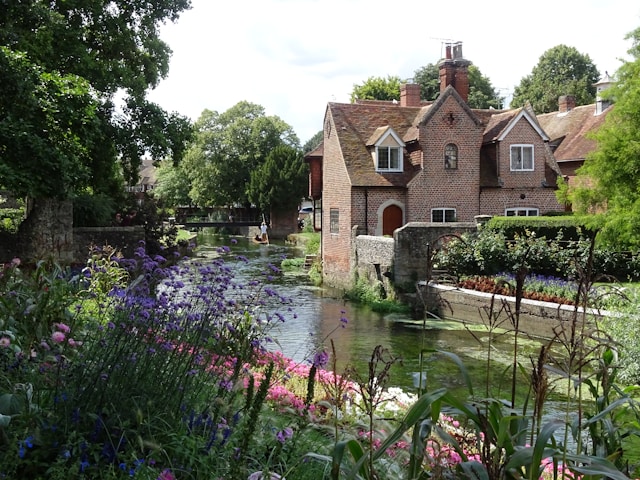
Westgate Gardens, nestled along the River Stour, blends Edwardian horticulture with remnants of Canterbury's medieval past. The gardens feature a 14th-century Westgate Tower, the city's last surviving gatehouse, and a preserved section of the city walls. Visitors stroll through herbaceous borders, a medicinal plant garden, and a Tudor-era duck pond. Hidden within the grounds is the Old Priests' House, a 15th-century timber-framed building once used by cathedral clergy. The gardens also serve as the starting point for river tours aboard historic punts, offering views of Canterbury's landmarks from the water. Seasonal events, like open-air theatre performances, highlight its role as a cultural green space.
Ads place
Ads place
Ads place
Ads place
Ads place