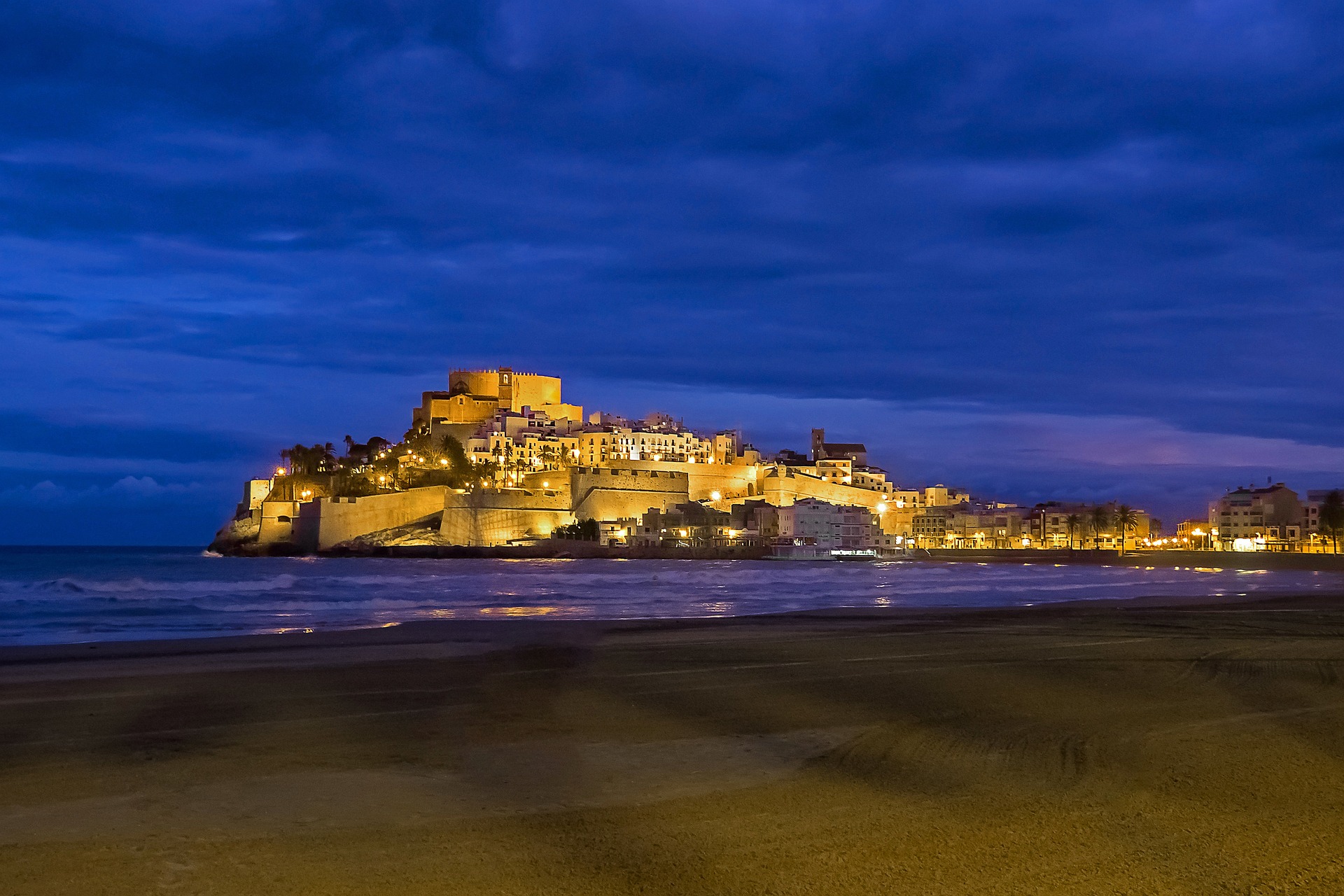

City view of Castellón de la Plana, Spain

Castellón de la Plana

Castellón de la Plana, located on Spain's eastern coast, is a city that seamlessly blends history, culture, and seaside charm. The city is known for its historic Old Town, where landmarks such as the Fadrí bell tower and the Gothic Concatedral de Santa María stand as testaments to its rich heritage. The nearby El Grao district serves as the city's port area, offering access to beautiful beaches like Gurugú and Pinar. Nature enthusiasts can explore the Columbretes Islands, a marine reserve off the coast that is perfect for diving and bird-watching. Castellón's cultural scene includes events like the Magdalena Festival, which features parades, concerts, and traditional ceremonies. With its mix of urban sophistication and coastal allure, Castellón de la Plana is an ideal destination for travelers seeking a diverse experience.

Top attractions & things to do in Castellón de la Plana

If you’re searching for the best things to do in Castellón de la Plana, this guide brings together the top attractions and must-see places to visit in Castellón de la Plana. The top picks below highlight the most visited sights for first-time visitors, plus a few local favorites worth adding.

Basílica de Nuestra Señora del Lledó in Castellón de la Plana, Spain

Basílica de Nuestra Señora del Lledó

The Basílica de Nuestra Señora del Lledó is one of Castellón's most sacred sites, dedicated to its patron saint, the Virgin of Lledó. This Baroque-style church, located just outside the city center, was built on the site of a small medieval chapel that housed the original statue of the Virgin. The statue itself, which dates back to the 12th century, was miraculously discovered by a farmer while plowing his field. Over the centuries, the basilica has been a place of pilgrimage, with thousands of visitors coming to pay homage every year. What makes this church unique is that it still preserves centuries-old votive offerings, including handwritten letters and antique jewelry, left by those who claimed to have been healed through the Virgin's intercession. A lesser-known fact is that the basilica's foundation contains crypts where some of Castellón's most influential figures were buried. Visitors who come on a clear day can also enjoy stunning views of the surrounding countryside from the church's garden.
Ads place
Ads place
Ads place
Ads place
Ads place
Desert de les Palmes in Castellón de la Plana, Spain

Desert de les Palmes

The Desert de les Palmes is a natural park known for its rugged landscapes, diverse wildlife, and Carmelite monastery ruins. Despite its name, this area is not a desert, it was named by the Carmelite monks who settled here in the 17th century for its remote and peaceful nature. The park covers over 3,000 hectares and is home to native Mediterranean plants, including rare species of palms. One of its biggest hidden treasures is the ruins of the Old Monastery, abandoned after a devastating fire. Hikers often discover centuries-old wells and stone walls, remnants of the early settlers. Another lesser-known fact is that the park contains watchtowers built in medieval times to spot pirate invasions. If you visit during sunrise, you might be lucky enough to witness a sea of clouds covering the valley, creating an otherworldly landscape. Local legends say that hidden within the caves are secret tunnels once used by smugglers. A visit to this park offers not only spectacular panoramic views but also a step back into a fascinating past.
Ads place
Ads place
Ads place
Ads place
Ads place
El Fadrí Tower in Castellón de la Plana, Spain

El Fadrí Tower

The El Fadrí Tower is the emblematic bell tower of Castellón, standing independently from the nearby Co-Cathedral of Santa María. Built in the 16th century, its name, which translates to 'The Bachelor,' comes from the fact that it stands alone, unlike most church towers attached to cathedrals. This square-based octagonal tower rises to a height of 58 meters and is home to the city's historical bells. Many don't realize that the tower once housed a bell-ringer who lived inside to maintain the clock and bells. Visitors who climb to the top are rewarded with breathtaking views of Castellón and the surrounding coastline. The internal structure contains an original wooden staircase, which has been preserved for centuries. Another fascinating detail is that during the Spanish Civil War, the tower was at risk of destruction, but local efforts saved it as a symbol of the city's heritage. The bells still chime on traditional festivals, creating a nostalgic atmosphere in the Plaza Mayor.
Ads place
Ads place
Ads place
Ads place
Ads place
Planetarium of Castellón in Castellón de la Plana, Spain

Planetarium of Castellón

The Planetarium of Castellón is a hidden treasure for science and astronomy lovers. Overlooking the Mediterranean Sea, this futuristic-looking building was the first planetarium built in the Valencian Community and remains a top attraction for visitors of all ages. The planetarium features a 15-meter-wide dome, where visitors can enjoy immersive space projections, simulating the movement of stars, planets, and galaxies. Many don't realize that this observatory also conducts real-time solar observations, allowing visitors to safely view the Sun's surface through special telescopes. The surrounding area features archaeological ruins, suggesting that this spot has been a place of observation for thousands of years. One of the most fascinating exhibits inside is a replica of the Antikythera Mechanism, an ancient Greek device often called the world's first analog computer. A visit to this planetarium offers an unforgettable cosmic journey, combining history, science, and breathtaking seaside views.
Ads place
Ads place
Ads place
Ads place
Ads place
Plaza Mayor in Castellón de la Plana, Spain

Plaza Mayor

The Plaza Mayor in Valladolid is the heart of the city and one of the most iconic landmarks in Spain. This grand square, built in the 16th century, is surrounded by stunning architecture, including the City Hall and the Church of San Benito. The plaza has witnessed countless historical events, from royal proclamations to lively markets. Today, it is a bustling hub of activity, filled with cafes, shops, and street performers. The Plaza Mayor is also famous for its vibrant festivals, such as the Semana Santa processions, which attract visitors from all over the world. The square's unique blend of history and modernity makes it a must-visit destination for anyone exploring Valladolid. Few know that beneath the plaza lies a network of underground tunnels once used to store goods and supplies during medieval markets. Additionally, the original square was partially destroyed by a fire in 1561, leading to its symmetrical redesign inspired by Renaissance ideals.
Ads place
Ads place
Ads place
Ads place
Ads place