
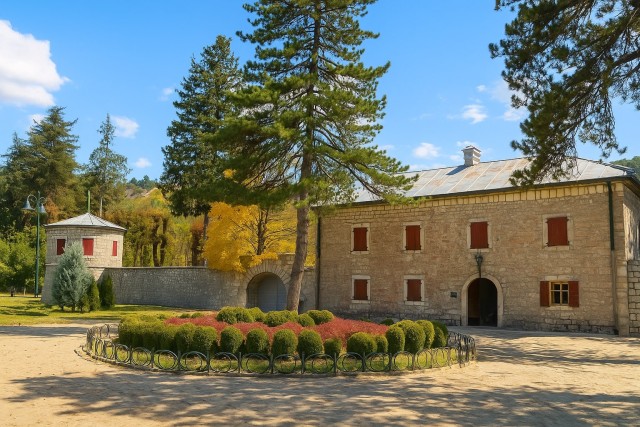
Biljarda
In Cetinje, Montenegro .
More places to visit in Cetinje
Discover more attractions and things to do in Cetinje.
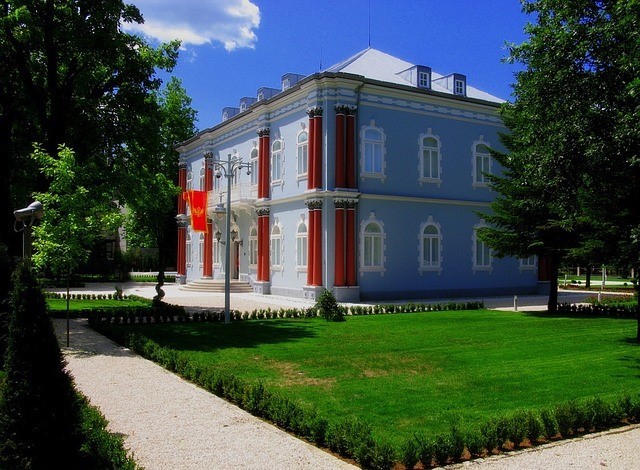
Blue Palace
The Blue Palace is Cetinje’s elegant sapphire-hued landmark, originally built in 1895 as a royal residence for Crown Prince Danilo . Its neoclassical columns and ornate balconies reflect the optimism of a young Montenegro on the rise. Today, the palace is the official home of Montenegro’s president, yet its pastel façade and manicured gardens remain an icon of national pride. During open days, visitors can glimpse regal salons, sparkling chandeliers, and a collection of antique Montenegrin uniforms. The palace is especially beautiful in spring, when wisteria and roses tumble over its fences. Stories abound of royal celebrations and secret midnight balls, where intrigue and romance often intertwined. Locals say the gardens hold the sweetest air in Cetinje. The Blue Palace is a symbol of the city’s historic charm and ongoing leadership, captivating anyone who admires both architectural grace and political heritage.
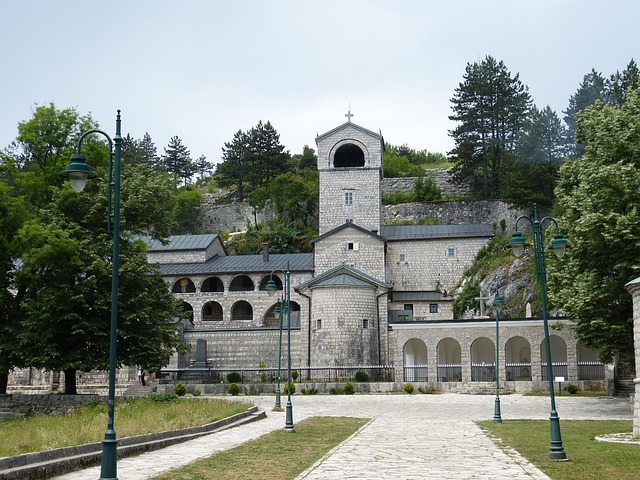
Cetinje Monastery
Set at the foot of Mount Lovcen, Cetinje Monastery radiates with spiritual and historical significance, drawing pilgrims from across the Balkans. Built in 1701 , it houses sacred relics such as the right hand of Saint John the Baptist and fragments of the True Cross . The monastery’s stone arches and vivid frescoes are testaments to centuries of devotion and Montenegro’s resilience. It was once the seat of Montenegrin princes and bishops , and echoes of royal processions linger in the cloisters. Every year, thousands gather on major Orthodox holidays, filling the air with incense and hymns. Local legend claims a hidden tunnel once linked the monastery to Lovcen’s slopes, adding a hint of intrigue to every visit. The courtyard, shaded by ancient chestnuts, invites quiet contemplation and a deep connection to Montenegro’s living soul. Visitors often describe a unique serenity here, saying that the spiritual energy of Cetinje Monastery stays with them long after they leave, making it a must-visit destination for anyone interested in Balkan heritage.
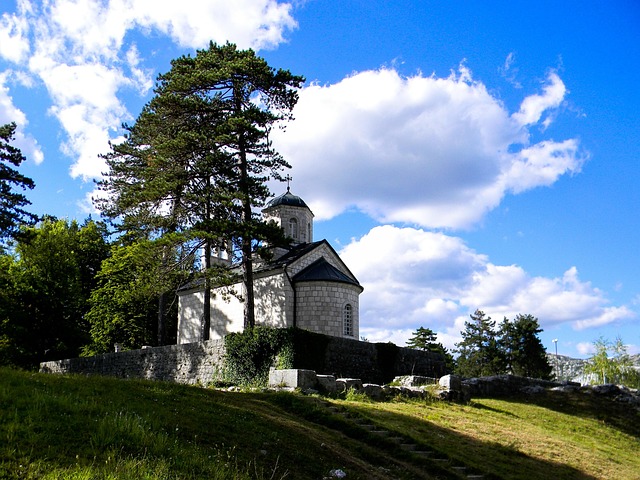
Court Church on Cipur
Tucked into a leafy glade, the Court Church on Cipur is a pocket-sized sanctuary with an outsize role in Montenegro’s royal saga. Built in 1890 atop the ruins of an older monastery, it contains the tomb of King Nikola and the heart of Princess Milena . Its modest stone exterior belies a luminous interior adorned with icons and golden candlesticks. The church was the site of royal weddings and baptisms, its bells ringing through pivotal moments in the nation’s history. A hidden crypt holds the remains of the Petrovic dynasty , adding gravitas to every prayer. The scent of pine drifts through open doors in summer, while the church glows with candlelight during Orthodox festivals. Visitors often speak of a hush that settles over Cipur, a quiet reminder of faith and family ties that shaped Montenegro. This site remains a living testament to Montenegro’s spiritual traditions and enduring royal legacy.
King Nikola's Palace
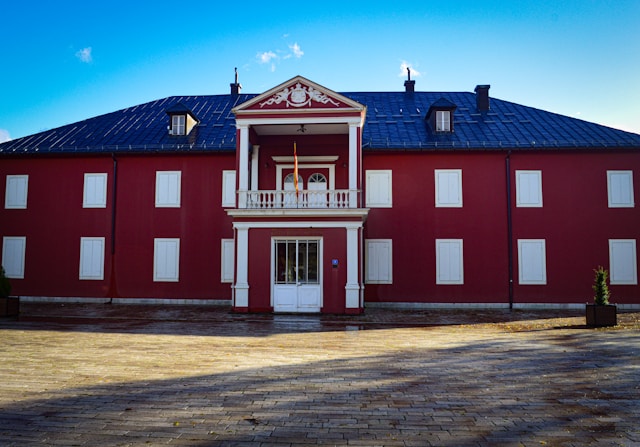
King Nikola's Palace stands in the heart of Cetinje, an elegant pink mansion built in 1867 for King Nikola I , Montenegro’s last monarch. Its architecture blends neoclassical grace with hints of Oriental luxury, reflecting the court’s cosmopolitan tastes and Montenegro’s ties with European royalty. Inside, you’ll find royal portraits and lavishly decorated salons where Europe’s dignitaries once danced. The palace gardens, shaded by cypress and magnolia, were the setting for epic banquets and diplomatic intrigue. King Nikola was known for his poetry and collection of rare firearms, many of which are now on display. Each room whispers tales of royal drama, secret alliances, and the country’s path to independence. The palace museum today offers a window into a world of velvet gowns and military medals, where every artifact tells a chapter of Montenegro’s regal saga. For history buffs, guided tours end with panoramic views of Lovcen , ensuring the spirit of the kingdom is never far away.
Lovcen National Park
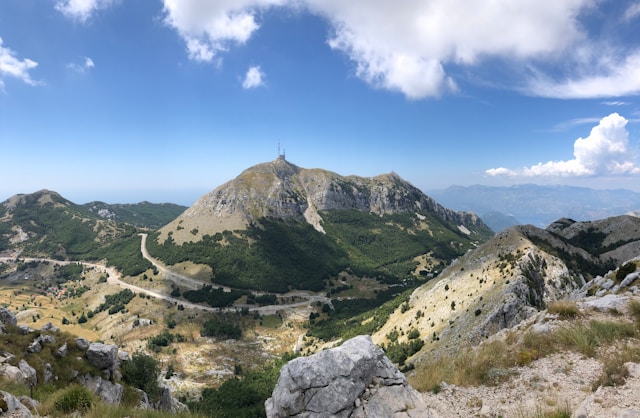
Lovcen National Park unfurls around Cetinje, a realm of craggy peaks, wildflowers, and legendary eagles. Established in 1952 , the park is famous for its black pine forests and the spectacular vista from Jezerski Vrh . Hikers traverse ancient shepherds’ trails, picnic by clear mountain springs, and marvel at rare alpine orchids. Local guides tell tales of the park’s mythical origins and Montenegro’s battles for freedom. Traditional stone katuns dot the meadows, offering hearty cheese and stories for every traveler. Lovcen’s fierce beauty inspired generations of poets—including Njegos —who saw the mountains as the soul of the nation. In spring, the slopes come alive with butterflies and songbirds. The park’s natural wonders and historic sites combine to make it a true sanctuary for nature lovers and adventure seekers alike.
Njegos Mausoleum
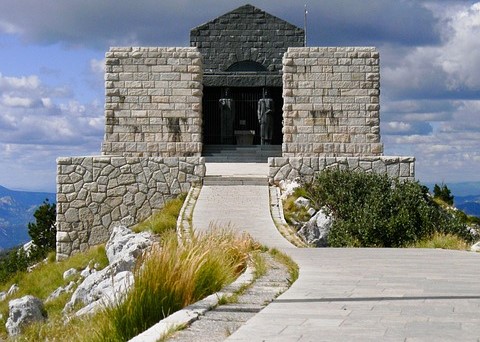
Perched atop the windswept summit of Mount Lovcen , the Njegos Mausoleum is a marvel of Montenegrin pride and poetic ambition. Completed in 1974 , it honors Petar II Petrovic-Njegos , Montenegro’s legendary ruler, philosopher, and poet. Visitors climb over 461 stone steps , each turn revealing breathtaking views stretching from alpine ridges to the Adriatic. Inside, a 28-ton granite statue guards Njegos’s tomb, while mosaics glitter with golden light. The mausoleum’s architect, Ivan Mestrovic , drew inspiration from both Slavic folklore and ancient myth, making the structure itself an artistic masterpiece. Local tradition says a whisper inside the crypt echoes through the mountain, enhancing the site’s mystical aura. On clear days, the panorama is so vast it’s said you can see half of Montenegro—and perhaps even catch a flash of inspiration from Njegos’s immortal verses. The terrace at sunset becomes one of the most awe-inspiring spots in the Balkans.
Rijeka Crnojevica
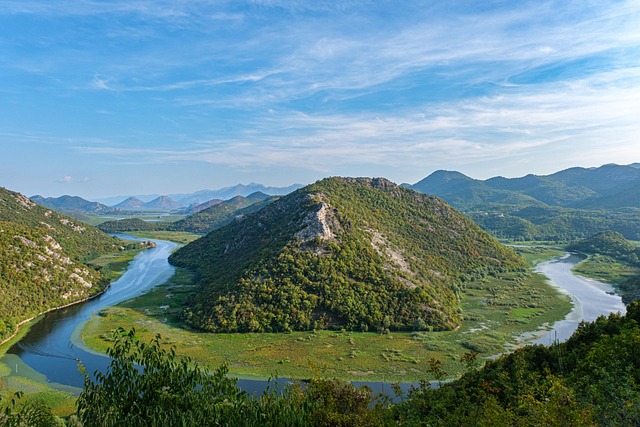
Winding gently through emerald valleys just a short drive from Cetinje, Rijeka Crnojevica is Montenegro’s most poetic river, renowned for its serene beauty and rich history. The river’s iconic stone bridge, built in 1853 , is a beloved symbol—arching gracefully over turquoise water, reflecting the tranquil pace of local life. Once the capital of Montenegro’s first printing press under Ivan Crnojevic , the town at the river’s bend buzzed with culture, commerce, and intrigue in the 15th century . Today, fishermen still cast lines from weathered boats, and herons glide silently above the lilies. The area is famous for smoked carp and local wines, inviting you to picnic along the riverbanks where wildflowers bloom. Kayaking and boat tours reveal hidden coves and secret springs. Rijeka Crnojevica is not just a scenic detour; it’s a living postcard of Montenegro’s soul, where every curve tells a story and the light at sunset feels downright magical. Nature lovers, photographers, and romantics alike find endless inspiration on its peaceful banks.
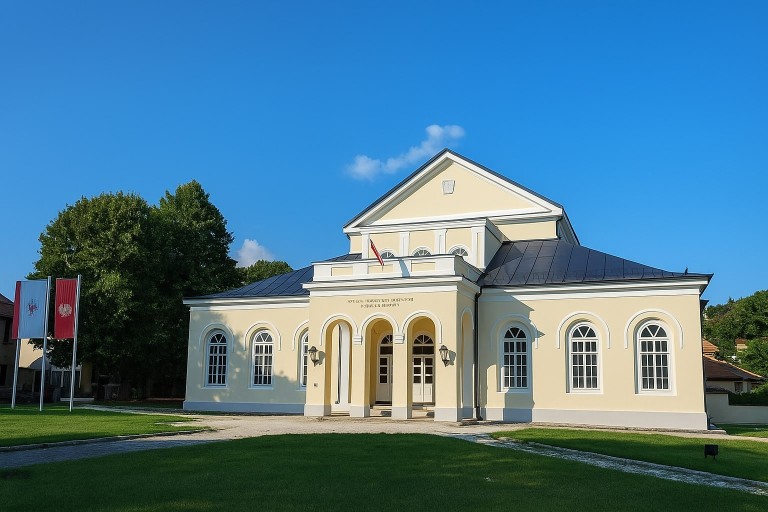
Royal Theater Zetski Dom
The Royal Theater Zetski Dom, founded in 1884 , is the grand dame of Montenegrin performance art. Its elegant neoclassical façade hides a world of passion—plays, ballets, and concerts have animated its stage for well over a century. Directors from across Europe have graced the boards here, and the audience is just as likely to include royalty as students. The theater’s golden auditorium has survived earthquakes, revolutions, and radical new art forms. Today, festivals fill its halls with contemporary drama and classical music, while the old chandelier gleams on opening nights. Zetski Dom is a pillar of Cetinje’s creative life, inspiring new generations to dream, laugh, and rebel. The velvet seats have hosted more standing ovations than anyone can count. A show here is a rite of passage for culture lovers visiting Montenegro and an unmissable cultural gem.
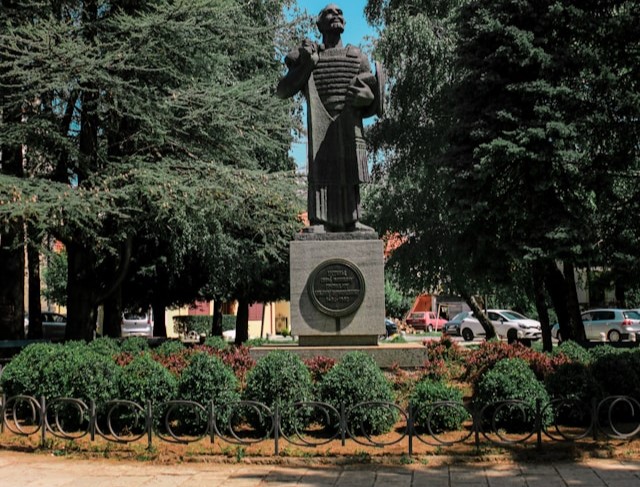
Statue of Ivan Crnojevic
On Cetinje’s main square, the Statue of Ivan Crnojevic stands as a proud tribute to the founder of both the city and Montenegro’s royal spirit. Erected in 1982 , the monument honors this visionary ruler who established Cetinje as the capital in 1482 after fierce resistance against the Ottoman Empire. The statue’s commanding pose and sharp gaze capture Ivan’s determination to preserve Montenegrin independence and culture. He is celebrated for building the original monastery and introducing the first Cyrillic printing press to this mountainous land. Locals still call him the “father of the nation,” and students gather around his likeness for luck before big exams. The base of the monument reveals stunning views toward Lovcen, tying Ivan’s legacy to the wild landscape he loved. For visitors, the statue is more than bronze—it’s a gateway to Montenegro’s proud, resilient heart and the fascinating story of its legendary founder. It’s a favorite meeting spot and photo opportunity for every traveler discovering Cetinje.