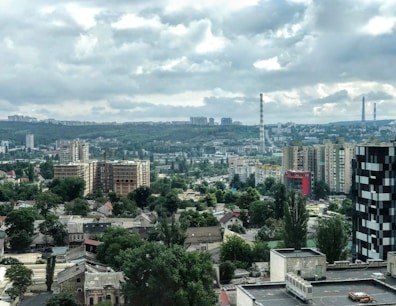
City view of Chisinau, Moldova

Chisinau

Chisinau is the surprise capital you never saw coming—a riot of leafy boulevards, pastel mansions, and spontaneous wine toasts in every park. History buffs geek out over the Soviet relics and the monumental Triumphal Arch, while artists find their muse in street murals and the National Art Museum. Sample placinta pastries at sunrise or get lost in the Central Market's maze of fresh fruit, spices, and loud laughter. Chisinau's nightlife? Expect live jazz, underground clubs, and legendary wine cellars—Moldova's vino is the real local celebrity! Quirky fact: The city has more green space per capita than almost any European capital, making it perfect for picnics and pondering life under a chestnut tree. Every visit feels like you've discovered a secret—and you kind of have. Whether you crave energy or calm, Chisinau adapts to your mood and always leaves you longing for more.

Top attractions & things to do in Chisinau

If you’re searching for the best things to do in Chisinau, this guide brings together the top attractions and must-see places to visit in Chisinau. The top picks below highlight the most visited sights for first-time visitors, plus a few local favorites worth adding.

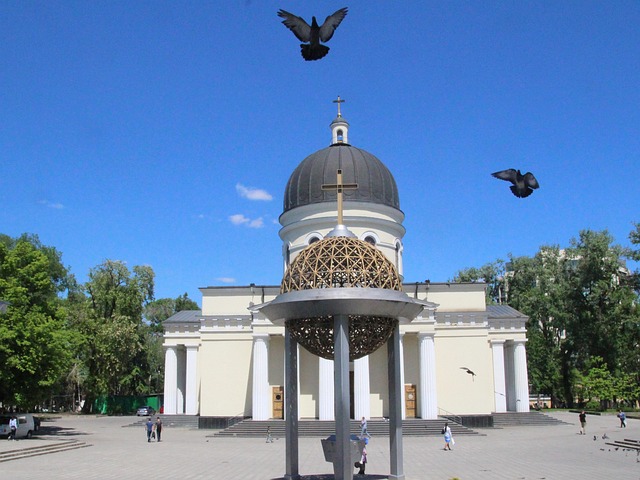
Cathedral Park and Nativity Cathedral in Chisinau, Moldova

Cathedral Park and Nativity Cathedral

Cathedral Park in Chisinau invites you to step into a landscape shaped by Tsar Nicholas I and enriched by Russian neoclassical architecture. The majestic Nativity Cathedral, built in 1836, dazzles with its white columns and iconic bell tower, standing as a beacon of spiritual life. Inside, brilliant frescoes and the luminous dome capture visitors’ imaginations, while the gentle ring of bells adds a calming soundtrack to city life. Legend has it the cathedral survived both war and Soviet-era transformation, even serving as an art gallery for decades. Today, it’s a place of contemplation, where couples exchange vows, children feed pigeons, and musicians play beneath spreading trees. Every corner brims with history, faith, and everyday magic, making it a cherished centerpiece in Chisinau’s story.
Ads place
Ads place
Ads place
Ads place
Ads place
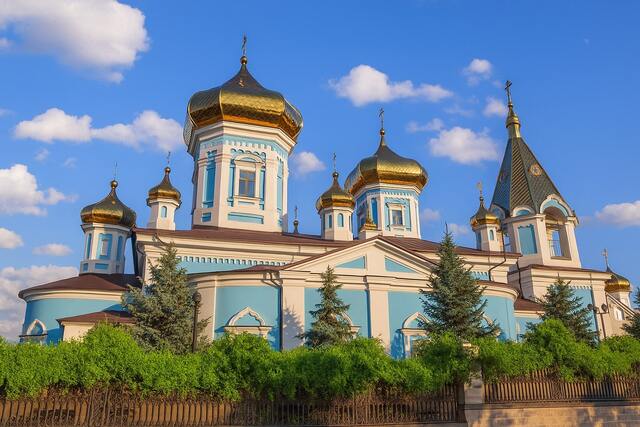
Ciuflea Monastery in Chisinau, Moldova

Ciuflea Monastery

The Ciuflea Monastery, with its turquoise domes and gilded iconostasis, is a spiritual gem in the heart of Chisinau. Built in 1858 by the Ciufli brothers, wealthy merchants of Greek descent, the monastery endured wars and communist suppression, only to emerge as a thriving religious center. Inside, sunlight pours through stained glass, casting colorful mosaics across hand-painted walls. Worshippers light candles before the relics of Saint Theodore, said to grant miracles to the faithful. The surrounding gardens burst with lilacs in spring, providing a peaceful haven just steps from busy city avenues. Every visit feels timeless, a blend of history, faith, and enduring Moldovan resilience.
Ads place
Ads place
Ads place
Ads place
Ads place
Milestii Mici Wine Cellars in Chisinau, Moldova

Milestii Mici Wine Cellars

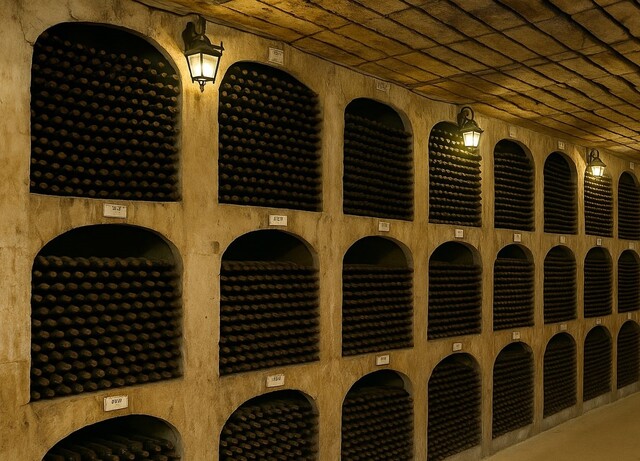
The legendary Milestii Mici Wine Cellars hold the world record for the largest wine collection, stretching over 200 kilometers underground. Founded in 1969, this labyrinth houses more than 1.5 million bottles, many of them prized vintages reserved for heads of state and royalty. Guided tours let visitors drive through the cool, candle-lit tunnels while sampling award-winning wines, learning about ancient winemaking traditions along the way. The cellars’ unique microclimate preserves every bottle to perfection, and connoisseurs rave about the robust reds and sparkling whites. No Moldovan adventure is complete without a toast in these underground halls, where history and hospitality are always on the menu. Even the Guinness World Records team was wowed when they certified this wine wonderland!
Ads place
Ads place
Ads place
Ads place
Ads place
National Museum of History of Fine Arts in Chisinau, Moldova

National Museum of History of Fine Arts

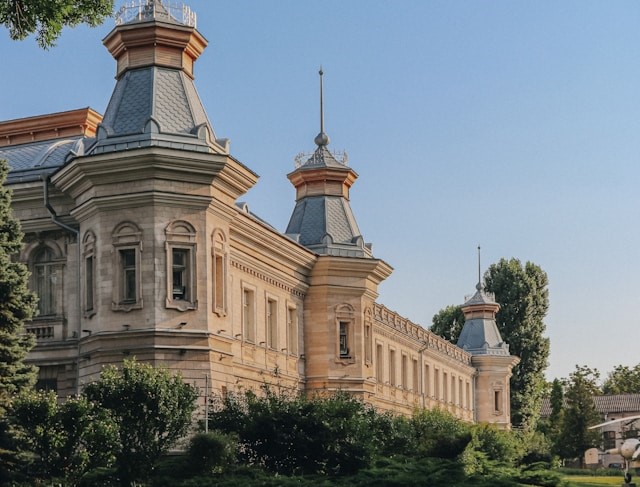
The National Museum of History of Fine Arts in Chisinau is a masterpiece in itself, occupying an elegant neoclassical building that has charmed art lovers since 1939. Inside, the collection spans over 39,000 works, from delicate icons and medieval frescoes to contemporary installations that challenge the imagination. The museum is especially renowned for its national collection of Moldovan artists, many of whom have shaped the country's creative identity through tumultuous eras. One gallery is dedicated to famous Bessarabian painters, whose vibrant canvases bring Moldova’s landscapes to life. Periodically, the museum hosts international exhibitions and workshops, making it a hub for cultural exchange in the region. The grand marble staircases and stained-glass windows lend a sense of timelessness to each visit. For anyone seeking inspiration or a glimpse into Moldova’s artistic soul, this museum is simply unmissable.
Ads place
Ads place
Ads place
Ads place
Ads place
National Museum of History of Moldova in Chisinau, Moldova

National Museum of History of Moldova

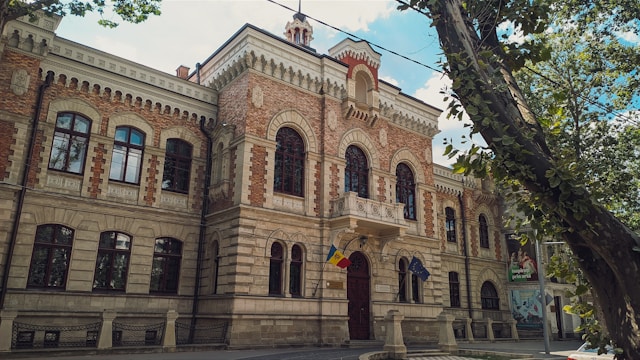
The National Museum of History of Moldova is a treasure trove for anyone fascinated by ancient Dacian artifacts, World War II memorabilia, and the evolution of Moldovan identity. Founded in 1983, the museum’s grand halls house more than 265,000 exhibits, from medieval weaponry to the intricate folk costumes worn at traditional weddings. A highlight is the detailed diorama of the Jassy–Kishinev Offensive, which brings to life one of the defining moments in Moldova’s 20th-century history. Families with children love the reconstructed ancient huts and chariots, while scholars pore over old manuscripts in the reading room. Every visit uncovers new layers, with interactive displays and rotating exhibitions that breathe life into Moldova’s complex and resilient past.
Ads place
Ads place
Ads place
Ads place
Ads place
National Opera and Ballet Theatre in Chisinau, Moldova

National Opera and Ballet Theatre

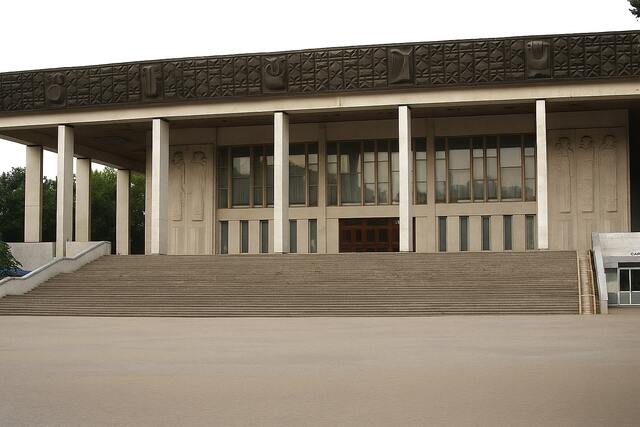
The National Opera and Ballet Theatre of Moldova has dazzled audiences since 1957, earning accolades across Europe for its world-class productions and stunning Art Deco interiors. Located in a striking building in the city center, the theatre is home to internationally renowned performers and hosts a full calendar of operas, ballets, and symphonic concerts. A visit here is a feast for the senses, with elaborate costumes and powerful arias reverberating beneath gilded ceilings. Notably, the annual “Maria Biesu International Opera and Ballet Festival” attracts stars from around the globe, transforming Chisinau into a true cultural capital. Whether you’re a fan of Tchaikovsky or just want to marvel at Moldova’s artistic ambition, this theatre is a must-experience.
Ads place
Ads place
Ads place
Ads place
Ads place
Pushkin Museum in Chisinau, Moldova

Pushkin Museum

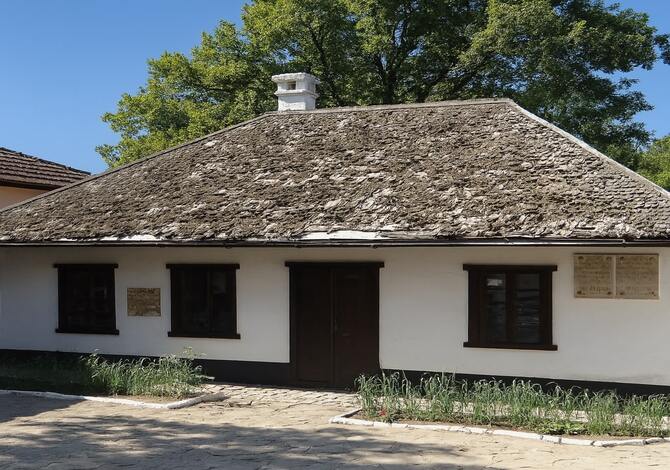
The Pushkin Museum in Chisinau is a literary pilgrimage site, nestled in the modest cottage where Alexander Pushkin spent three years of exile from 1820 to 1823. Behind its blue shutters, the poet wrote some of his most passionate verses and fell in love with the Moldovan landscape. Inside, you’ll find original manuscripts, his feather quill, and even a chess set used for games with local friends. The garden, with its ancient walnut tree, is said to have inspired his writings. Though small, the museum radiates a quiet charisma, reminding visitors that genius can flourish anywhere. It’s a place where Russian literature buffs meet curious travelers, and where history, heartbreak, and creativity mingle in every sun-dappled corner.
Ads place
Ads place
Ads place
Ads place
Ads place
Stefan cel Mare Central Park in Chisinau, Moldova

Stefan cel Mare Central Park

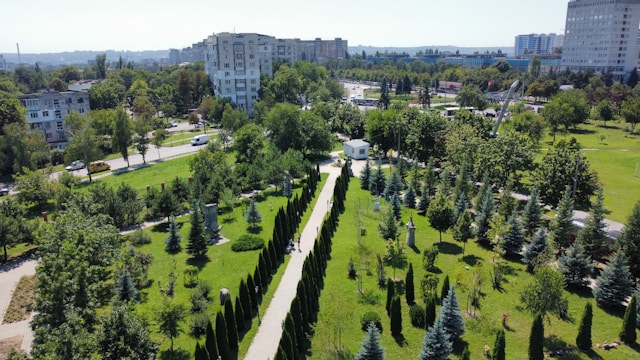
Stefan cel Mare Central Park is the green soul of Chisinau, drawing visitors since 1818 with its ancient chestnut trees and tranquil atmosphere. Within these leafy paths, you'll discover busts of Moldova's literary greats and an iconic monument to Stefan the Great, the national hero whose influence still shapes Moldova today. This is where locals gather for chess, open-air concerts, and the occasional poetry reading under a canopy of branches that have witnessed over 200 years of city history. Nearby, elegant lampposts cast a golden glow at dusk, making evening strolls especially enchanting. Curiously, the park's original design was the work of a Prussian landscape architect, and the symmetrical layout remains largely unchanged. Few places offer such a seamless blend of urban life and serene retreat, making it both a cultural hub and a breath of fresh air for generations.
Ads place
Ads place
Ads place
Ads place
Ads place
Triumphal Arch in Chisinau, Moldova

Triumphal Arch

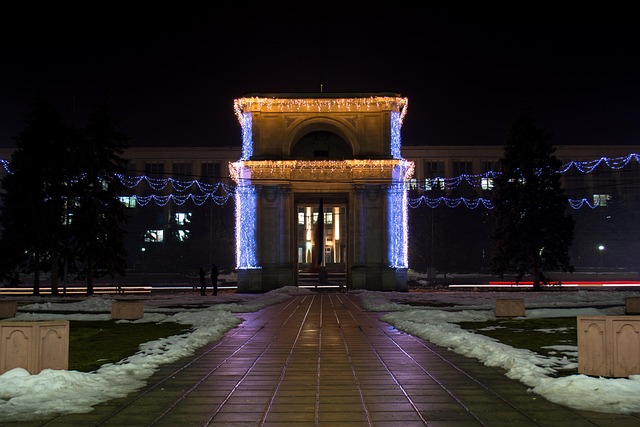
Chisinau’s Triumphal Arch is far more than a stone gateway—it’s a symbol of victory and national pride. Built in 1840 to commemorate the Russian victory over the Ottoman Empire, its elegant Corinthian columns and perfect proportions mark the heart of the city. Surprisingly, the arch was designed to house the massive 6.4-ton bell from the Nativity Cathedral, which still rings on special occasions. Locals affectionately call it “The Holy Gates,” and every national parade passes beneath its arch, connecting past and present. On sunny days, the nearby flowerbeds explode with color, framing the monument in a painterly scene. The arch’s survival through wars and political upheaval is a testament to the resilience of Chisinau’s spirit, and every evening, it gleams beneath the golden city lights.
Ads place
Ads place
Ads place
Ads place
Ads place
Valea Morilor Park in Chisinau, Moldova

Valea Morilor Park

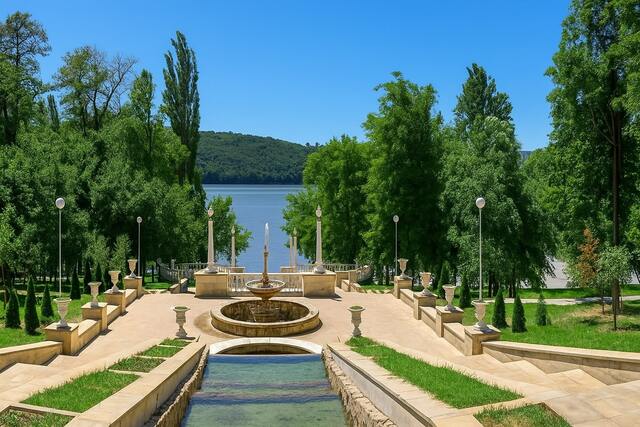
Valea Morilor Park, created in 1952 by the vision of Soviet architect Robert Kurtz, is a beloved escape right in the heart of Chisinau. The expansive lake, with its 1.5-kilometer promenade, invites joggers, strollers, and sun-seekers to savor every season, from springtime blossom festivals to autumn’s golden reflections. The grand staircase—some say it’s the city’s answer to Odessa’s famous steps—leads down to the water's edge, where families gather for paddle boating and spontaneous picnics. If you listen carefully, you’ll hear the melodies of open-air concerts floating across the park, a tradition since the park’s earliest days. Locals joke that no summer is complete without an ice cream here, and it’s a favorite spot for wedding photo shoots thanks to its magical sunsets and sweeping views.
Ads place
Ads place
Ads place
Ads place
Ads place