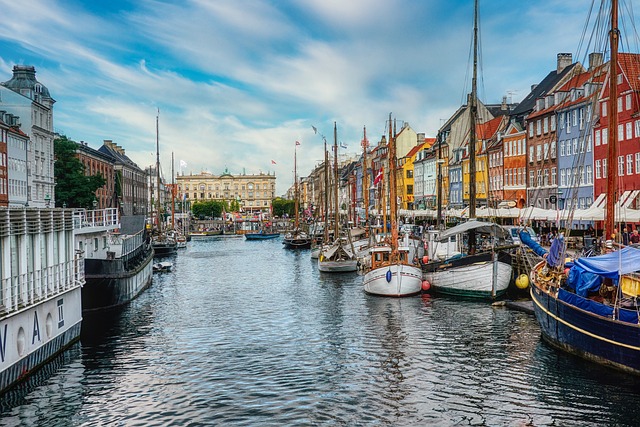
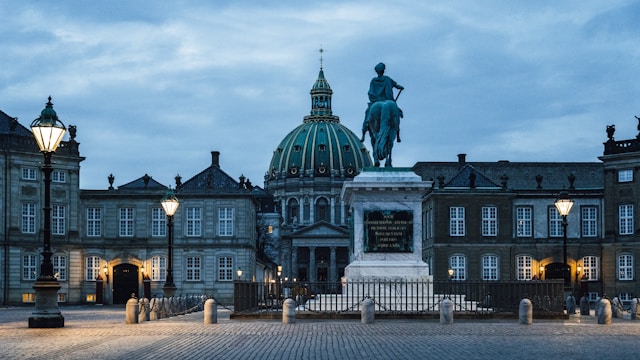
City view of Copenhagen, Denmark

Copenhagen

Copenhagen, the capital city of Denmark, is renowned for its unique blend of modern architecture and historic charm. As a hub of culture and design, Copenhagen offers an array of experiences for travelers. Visitors can explore the colorful waterfront houses of Nyhavn, the iconic Little Mermaid statue, and the royal Amalienborg Palace. The Tivoli Gardens, one of the world's oldest amusement parks, is a must-visit destination for families. Copenhagen is also famous for its bicycle-friendly streets, making it easy to explore the city like a local. The city is a paradise for food lovers, with a growing number of Michelin-starred restaurants, including the world-famous Noma. With its rich history and contemporary vibe, Copenhagen promises an unforgettable experience.

Top attractions & things to do in Copenhagen

If you’re searching for the best things to do in Copenhagen, this guide brings together the top attractions and must-see places to visit in Copenhagen. The top picks below highlight the most visited sights for first-time visitors, plus a few local favorites worth adding.

Amalienborg Palace in Copenhagen, Denmark

Amalienborg Palace

Amalienborg Palace is the official winter residence of the Danish royal family and a masterclass in neoclassical design. Four identical palatial mansions, originally built for elite noble families in 1750, encircle an octagonal courtyard at the heart of Copenhagen. Each facade is trimmed with Ionic columns and topped by sculpted pediments bearing the Danish coat of arms. At noon each day, the royal Changing of the Guard unfolds: more than 40 soldiers in bearskin hats march in tight formation to stately drum rolls, drawing crowds to the square. Two of the palaces now house museums—Christian VII’s Palace displays original furnishings and court portraiture, while Moltke’s Palace highlights royal ceremonial objects and the personal belongings of Queen Elizabeth II during her 1994 visit. Nearby stands the rococo Marble Church, its majestic dome visible from the courtyards. Taking tea at the palace cafe, you gaze out over the cobbles where history has played out for more than 250 years, a living monument to Denmark’s steadfast monarchy and elegant restraint.
Ads place
Ads place
Ads place
Ads place
Ads place
Christiansborg Palace in Copenhagen, Denmark

Christiansborg Palace

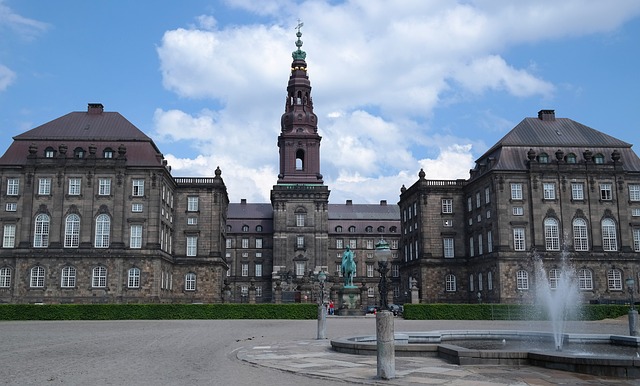
Rising on the island of Slotsholmen, Christiansborg Palace is the only building worldwide to house the executive, legislative, and judicial branches under one roof—Denmark’s Parliament (Folketing), the Supreme Court, and the Prime Minister's Office. Its origins date to the 12th century, with the current Baroque-style incarnation completed in 1928 after two prior castles succumbed to fire. Visitors explore the opulent Royal Reception Rooms, resplendent with gilded walls, crystal chandeliers, and silk-draped furniture used for state banquets. The adjacent Tower Observation Deck, at 106 meters, offers 360° vistas over the city’s rooftops, canals, and royal gardens. Below, the Ruins under Christiansborg reveal foundations of medieval bishop’s palaces and Renaissance stables, accessible via guided archaeological tours. The palace’s Royal Stables host the famed Royal Horse Guards, whose sleek black stallions are fixtures in ceremonial parades. Private operas are staged in the intimate Chapel; a short row across the moat brings you to the Thorvaldsens Museum, showcasing the neoclassical sculptor's masterpieces. Christiansborg epitomizes Copenhagen’s seamless blend of heritage, governance, and public access.
Ads place
Ads place
Ads place
Ads place
Ads place
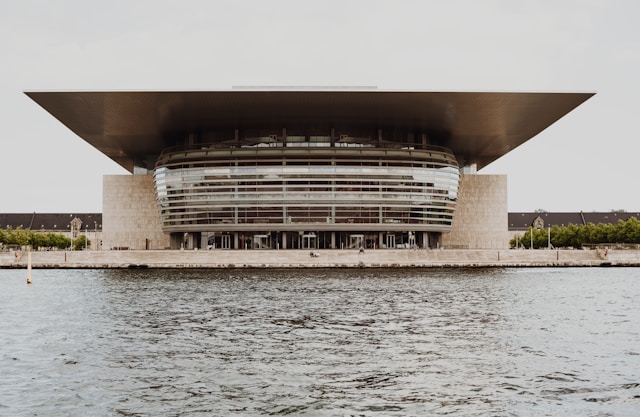
Copenhagen Opera House in Copenhagen, Denmark

Copenhagen Opera House

Perched majestically on the island of Holmen, the Copenhagen Opera House is one of the world’s most expensive and architecturally bold opera venues. Designed by Henning Larsen and completed in 2004, its floating roof cantilevers over the harbor, creating a striking silhouette by day and a luminous beacon by night. Inside, the main auditorium seats 1 400 in terraced horseshoe formation, all angled toward a stage framed by the world’s largest set of motorized stage lifts, enabling rapid scene changes. The acoustics—engineered with adjustable wood panels—ensure clarity whether for Puccini’s sweeping arias or modern Danish compositions. Guided tours reveal backstage rehearsal studios, the claustrophobic fly tower, and the private royal box reserved for the Queen. Public foyers boast panoramic views of Amalienborg and the Langelinie promenade, while the in-house bar and restaurant serve gourmet Nordic fare. Year-round, the Opera House hosts opera, ballet, and symphonic concerts, cementing its status as a cultural crown jewel on Copenhagen’s waterside.
Ads place
Ads place
Ads place
Ads place
Ads place
National Museum of Denmark in Copenhagen, Denmark

National Museum of Denmark

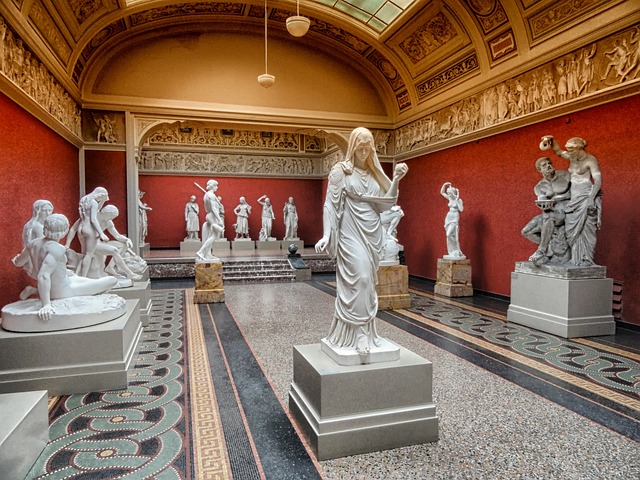
Housed in a grand 18th-century manor on Copenhagen’s Frederiksholms Canal, the National Museum of Denmark is the country’s foremost repository of cultural history. Its permanent collections span prehistoric artifacts—including the famed Trundholm Sun Chariot—with Viking treasures of runestones, weaponry, and ship-burial relics. Medieval halls feature exquisite renaissance silver and tapestries, while the Ethnographic Section presents world cultures via textiles, ceramics, and interactive dioramas. The Museum’s Children’s Museum allows youngsters to don Iron Age costumes and build Viking tools, fostering hands-on discovery. Each season, special exhibitions illuminate topics from Danish design icons to international loaned masterpieces. Architecturally, the building’s neoclassical portico and courtyard reflect its dual role as both educational hub and elegant city landmark. Guided tours delve into royal burials, theological artifacts, and the origins of the Danish state. The onsite café overlooks canals, offering a tranquil break amid centuries of human story.
Ads place
Ads place
Ads place
Ads place
Ads place
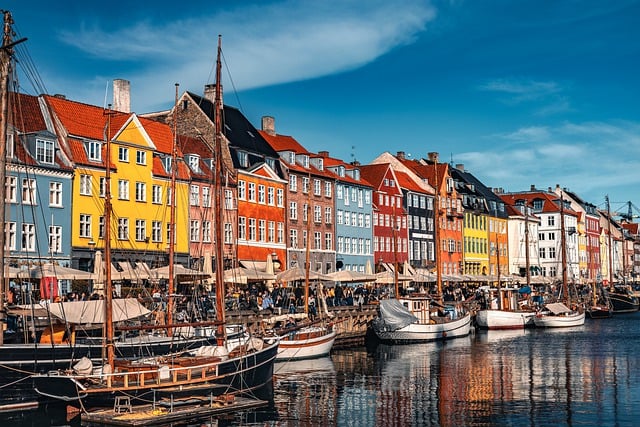
Nyhavn in Copenhagen, Denmark

Nyhavn

Nyhavn is the quintessential 17th-century waterfront canal district in Copenhagen, where a kaleidoscope of 17th- and 18th-century townhouses stands shoulder to shoulder along the harbor's edge. Originally dug out by King Christian V in the 1670s to serve as the city’s new harbor, it quickly became a bustling commercial port filled with sailors, merchants, and alehouses. Today, Nyhavn’s five hundred meters of cobblestone quay are lined with vibrant facades painted in reds, blues, yellows, and greens. Historic wooden ships—many lovingly restored snows and skonnerts—ride at anchor in the canal, creating a living tableau of Denmark's seafaring past. Hans Christian Andersen, Denmark's most beloved storyteller, lived at No. 20 and No. 67, penning fairy tales in the very rooms you now dine beside. Modern visitors flock to the al-fresco cafes and bistros, where you can sample open-faced smørrebrød and enduring Danish pastries under strings of lanterns. In summer, the atmosphere buzzes with live jazz and street performers; in winter, a cozy Christmas market fills the air with the scent of gløgg and roasted almonds. No visit to Copenhagen is complete without lingering at Nyhavn’s edge, where the interplay of color, history, and conviviality feels effortlessly Danish.
Ads place
Ads place
Ads place
Ads place
Ads place
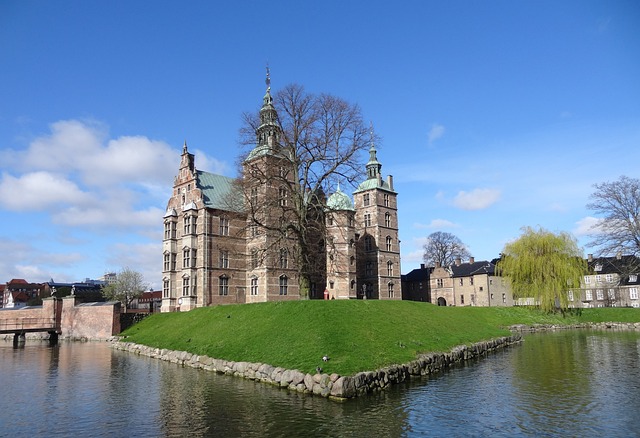
Rosenborg Castle in Copenhagen, Denmark

Rosenborg Castle

Tucked within the lush expanse of the King’s Garden, Rosenborg Castle is the summer residence built by King Christian IV in 1606, its facade an intricate tapestry of Dutch Renaissance brick gables and copper spires. Inside, a labyrinth of 17 rooms unfolds: the Long Hall displays opulent royal furnishings and tapestry-covered walls; the Knight's Hall once hosted banquets beneath vaulted ceilings lined with rose-stenciled motifs. The crown jewels—made for the coronation of Margrethe II in 1972—gleam behind glass in the Rosenborg Vault, alongside glittering crowns, orbs, and sceptres dating back to the 17th century. Portraits of monarchs and knighthood regalia convey Denmark’s dynastic continuity. Outside, the King’s Garden was Europe’s first public park, with tree-lined promenades, flowerbeds, and a statue of Christian IV enjoying a midday stroll. In summer, the grounds host open-air chamber music; in winter, the castle’s ramparts wear a dusting of snow, evoking a fairytale silhouette.
Ads place
Ads place
Ads place
Ads place
Ads place
Stroget in Copenhagen, Denmark

Stroget

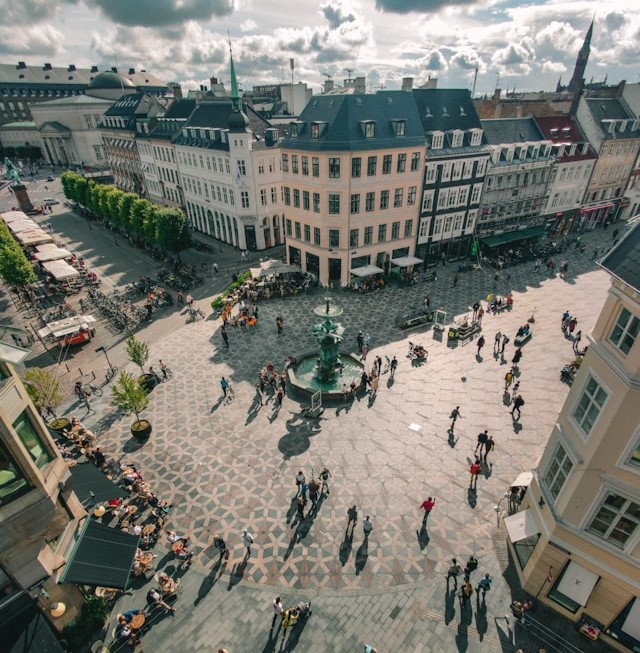
Stroget stretches over 1.1 kilometers from City Hall Square to Kongens Nytorv as one of Europe’s longest pedestrian thoroughfares. Laid out in the 1960s to prioritize foot traffic, it threads through the heart of Copenhagen’s historic core, passing medieval courtyards, Baroque facades, and quiet side alleys. Here you’ll find a curated mix of luxury boutiques, design shops, and bustling cafés. Street performers—from violinists under archways to jugglers at open squares—add spontaneous delight. Landmarks along Stroget include the Church of Our Lady and, within sight, the Round Tower. Seasonal Christmas markets and Strøget Jazz Nights transform the street into a vibrant stage. More than a shopping destination, Stroget remains Copenhagen’s social spine, where locals and visitors mingle amid centuries of urban evolution.
Ads place
Ads place
Ads place
Ads place
Ads place
The Little Mermaid in Copenhagen, Denmark

The Little Mermaid

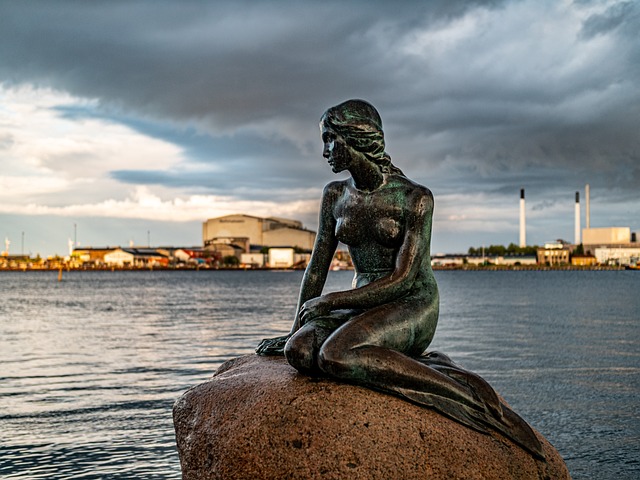
Perched on a granite outcrop at the Langelinie promenade, The Little Mermaid statue is Copenhagen’s most enduring icon. Commissioned in 1909 by brewer Carl Jacobsen in tribute to Hans Christian Andersen's beloved fairy tale, the 1.25-meter bronze figure was sculpted by Edvard Eriksen and sits gazing wistfully toward the city. Though smaller than many expect, her subtle patina and unfussy pose convey a poignant blend of melancholy and grace. Millions flock each year to step onto the rocks, capturing the perfect travel photograph against the harbor’s backdrop. Over the decades, she has endured vandalism—decapitated several times, spray-painted, and even blown off-site—but each restoration reaffirms her place in Danish hearts. The statue’s location near the Kastellet fortress and the Gefion Fountain invites a scenic walk through one of Copenhagen's most picturesque waterfront areas. Guided boat tours often pause here for commentary on Andersen's life and legacy. The Little Mermaid stands not just as a tribute to a fairy-tale heroine but as a testament to Copenhagen’s resilience, storytelling tradition, and enduring link between art and everyday life.
Ads place
Ads place
Ads place
Ads place
Ads place
The Round Tower in Copenhagen, Denmark

The Round Tower

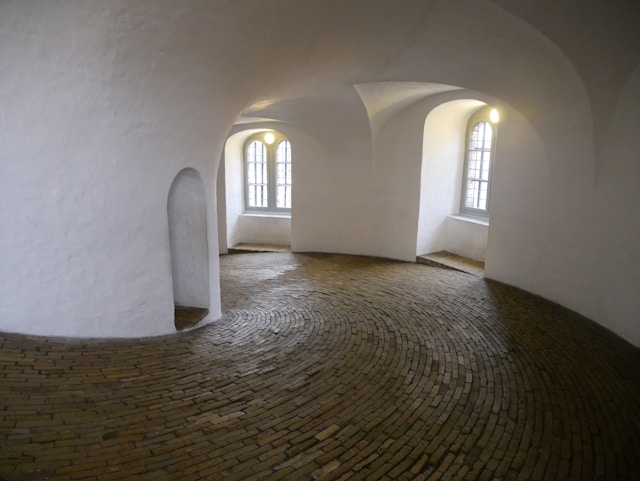
Europe’s oldest functioning observatory, the Round Tower was built in 1642 by King Christian IV as part of the Trinitatis Complex. Its hallmark is a 209-meter-long spiral ramp that gently winds eight-and-a-half turns to the 34-meter-high platform, allowing horses and carriages to reach the summit. Along the climb, visitors pass the original Library Hall, a vaulted chamber once home to university collections and now used for art exhibitions and chamber music concerts. At the top, a 360° viewing gallery overlooks Copenhagen’s iconic rooftops, canals, and urban sprawl. The tower houses a functioning historic telescope and free guided sessions on clear evenings. Beneath, a small museum details 17th-century astronomy and Christian IV’s vision to unite worship, learning, and science within one architectural complex. The Round Tower blends academic purpose with public accessibility, offering both a gentle ascent and a lofty reward.
Ads place
Ads place
Ads place
Ads place
Ads place
Tivoli Gardens in Copenhagen, Denmark

Tivoli Gardens

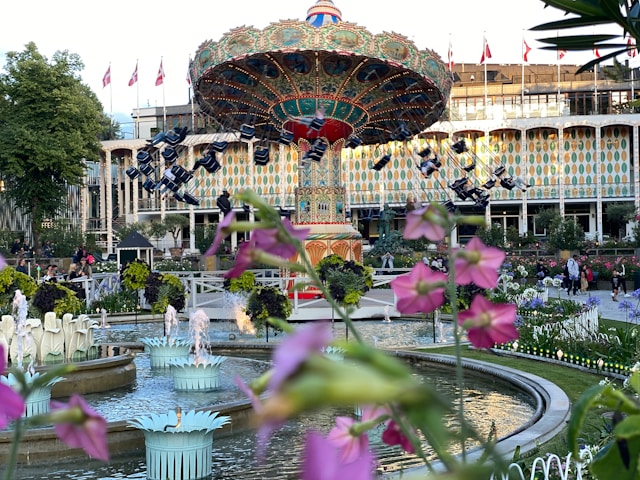
Opened in 1843, Tivoli Gardens is one of the world’s oldest amusement parks and Copenhagen’s beloved blend of romantic charm and modern thrills. Occupying 82 000 square meters in the city center, Tivoli’s winding flowerbeds, fairy-lit pavilions, and leafy promenades recall a bygone era even as its roller coasters and drop towers race into the sky. The park’s hallmark is the timber-framed Rutschebanen, one of Europe’s last operating wooden roller coasters—each rattle and creak part of its enduring appeal. Gardens of magnolia, lilac, and hydrangea surround the central lake, where swan boats glide beneath a canopy of fairy lights. By day, families flock to puppet theaters and aquatic shows; by night, thousands of lights create a storybook backdrop for live concerts in the Tivoli Concert Hall. Seasonal Halloween and Christmas markets transform the grounds—carved pumpkins and autumnal produce give way to snow-capped stalls and brass bands playing carols. Walt Disney himself visited in the 1950s, drawing inspiration for Disneyland’s Main Street. Today, Tivoli remains a living canvas of leisure, culture, and enchantment that delights every generation.
Ads place
Ads place
Ads place
Ads place
Ads place