City view of Cordoba, Spain

Cordoba

Córdoba, a UNESCO World Heritage city in southern Spain, is famous for its blend of Moorish, Christian, and Jewish cultures. The Mezquita, or Mosque-Cathedral of Córdoba, is the city's most renowned attraction, a stunning example of Islamic architecture with its iconic red and white arches and a Christian cathedral built inside. The Jewish Quarter, with its narrow alleys and whitewashed houses, offers a glimpse into Córdoba's past as a center of religious and intellectual exchange. The Alcázar de los Reyes Cristianos, a fortress with beautiful gardens, and the Roman Bridge are other historical landmarks worth exploring. Córdoba is also known for its patios, particularly during the annual Patio Festival, when locals open their stunning courtyards to the public. The city's warm climate, rich history, and diverse architectural styles make it a fascinating destination.

Top attractions & things to do in Cordoba

If you’re searching for the best things to do in Cordoba, this guide brings together the top attractions and must-see places to visit in Cordoba. The top picks below highlight the most visited sights for first-time visitors, plus a few local favorites worth adding.

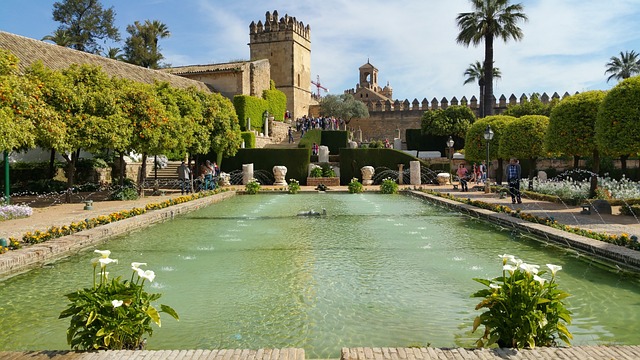
Alcazar de los Reyes Cristianos in Cordoba, Spain

Alcazar de los Reyes Cristianos

The Alcazar de los Reyes Cristianos, or the Fortress of the Christian Monarchs, is a must-visit historical site in Cordoba. This fortress was originally constructed in the 14th century under King Alfonso XI and played a pivotal role in Spain's history, serving as a residence for Catholic Monarchs Ferdinand and Isabella during the Reconquista. The Alcazar boasts an impressive combination of architectural styles, including Gothic, Mudejar, and Renaissance influences, reflecting the various periods of its history. The highlight of the Alcazar is its stunning gardens, a series of meticulously manicured spaces adorned with fountains, ponds, and colorful flowers. The gardens offer a tranquil escape and are particularly beautiful in the spring when the flowers are in full bloom. Visitors can wander through the terraces, taking in the scent of jasmine and orange blossoms while enjoying views of the fortress's imposing towers and walls. Inside, the Alcazar houses historical artifacts and Roman mosaics, including a well-preserved floor mosaic discovered during excavations. The fortress also served as the site of the Spanish Inquisition, adding a darker chapter to its rich history.
Ads place
Ads place
Ads place
Ads place
Ads place
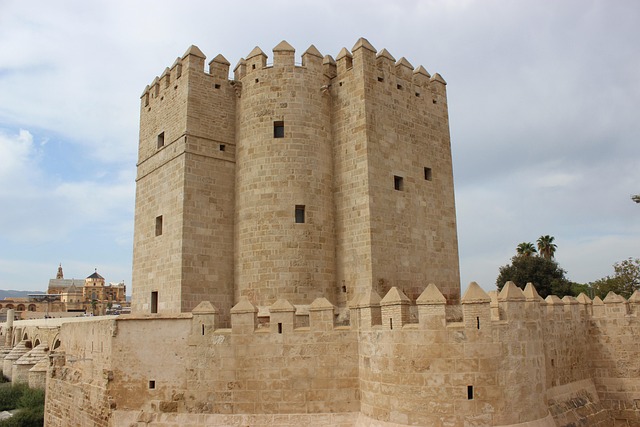
Calahorra Tower in Cordoba, Spain

Calahorra Tower

The Calahorra Tower, or Torre de la Calahorra, is a historic monument that stands as a sentinel over Cordoba's iconic Roman Bridge. Originally built during the Islamic era to protect the city from invasions, this impressive structure has evolved into one of Cordoba's most visited landmarks. Its strategic location at the southern end of the Roman Bridge offers breathtaking views of the city, including the Mezquita and the Guadalquivir River. Today, the tower houses the Museum of Al-Andalus Life, an exhibition dedicated to the harmonious coexistence of Muslim, Christian, and Jewish cultures in medieval Cordoba. Visitors can explore interactive displays, audiovisual presentations, and artifacts that vividly bring the history of Al-Andalus to life. The museum provides a fascinating look into Cordoba's golden age, a period marked by intellectual and cultural achievements. The tower itself is a marvel of medieval military architecture, with thick walls, crenellated battlements, and fortified chambers. Its interior layout and historical significance provide a window into the city's defense mechanisms during turbulent times.
Ads place
Ads place
Ads place
Ads place
Ads place
Medina Azahara in Cordoba, Spain

Medina Azahara

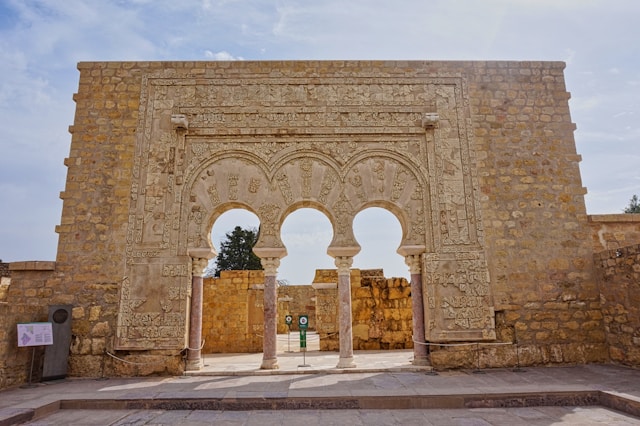
The Medina Azahara is one of Cordoba's most remarkable archaeological sites and a window into the grandeur of the Caliphate of Cordoba during the 10th century. Constructed by Caliph Abd al-Rahman III as a symbol of his power and prosperity, this vast palace-city is located just outside Cordoba and spans an area of 112 hectares. The Medina Azahara was designed to be a luxurious residence and administrative hub, complete with grand halls, gardens, mosques, and living quarters. Today, its ruins offer a fascinating glimpse into its opulent past. Visitors can explore remnants of intricate archways, columns, and mosaics that hint at the sophistication of Islamic art and architecture during this period. The site's elevated position provides panoramic views of the surrounding countryside, adding to its allure. A modern visitor center and museum near the site house a wealth of artifacts recovered during excavations, including pottery, tools, and decorative elements. The museum also provides a multimedia experience that helps bring the palace-city back to life, showcasing how it would have looked in its heyday.
Ads place
Ads place
Ads place
Ads place
Ads place
Mezquita-Catedral de Cordoba in Cordoba, Spain

Mezquita-Catedral de Cordoba

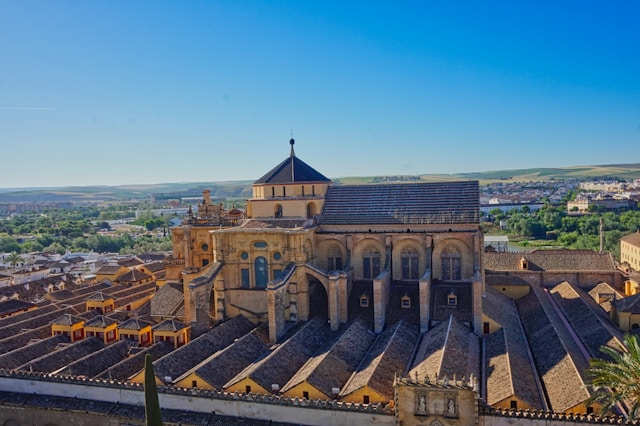
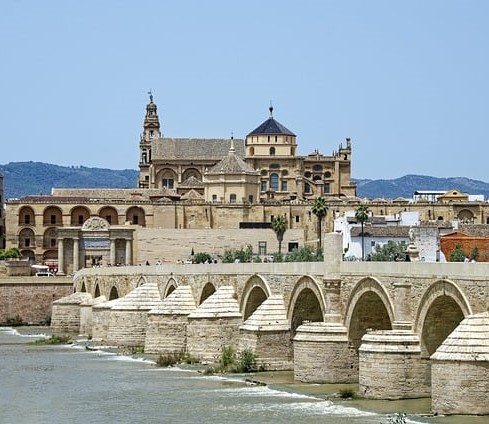
The Mezquita-Catedral de Cordoba is one of the most iconic landmarks in Spain, a UNESCO World Heritage Site, and an extraordinary example of the convergence of Islamic and Christian architecture. Originally built as a mosque during the 8th century under the Umayyad Caliphate, it was later converted into a cathedral after the Reconquista in the 13th century. The result is a breathtaking blend of two architectural styles, seamlessly fused together over centuries. The expansive prayer hall, supported by rows of intricately designed horseshoe arches, is one of its most stunning features. Visitors are often awestruck by the mesmerizing red-and-white pattern created by the alternating stone and brick construction of these arches. The central nave, added during the cathedral's construction, boasts a dramatic contrast with its Gothic, Renaissance, and Baroque elements. The opulent decoration, grand altarpiece, and stunning dome are a testament to the ingenuity of the craftsmen who worked on it over the years. The Patio de los Naranjos, an open courtyard filled with orange trees, offers a peaceful respite and a glimpse into the mosque's original design.
Ads place
Ads place
Ads place
Ads place
Ads place
Patios de Cordoba in Cordoba, Spain

Patios de Cordoba

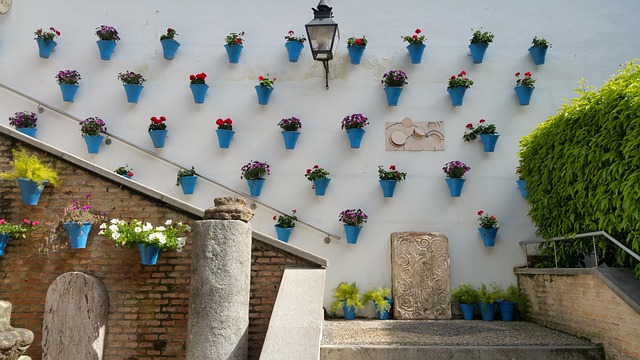
The Patios de Cordoba is a unique and enchanting experience that showcases the vibrant cultural heritage of Cordoba. These patios, often hidden behind unassuming doors, are beautifully adorned with flowers, plants, and intricate tiles. The tradition of decorating patios dates back to Roman and Moorish times when homes were designed around central courtyards to provide shade and ventilation. Today, this tradition is celebrated every May during the Festival of the Patios, a UNESCO-recognized event where homeowners open their patios to the public. Visitors can wander through these stunning courtyards, marveling at the colorful arrangements of geraniums, carnations, and other blooms. The creativity and effort put into these patios make them living works of art. Even outside of the festival, guided tours offer access to some of the city's most beautiful patios, located in the San Basilio and Alcázar Viejo neighborhoods. These tours provide insight into the history, architecture, and gardening techniques that make the patios so special.
Ads place
Ads place
Ads place
Ads place
Ads place
Plaza de la Corredera in Cordoba, Spain

Plaza de la Corredera

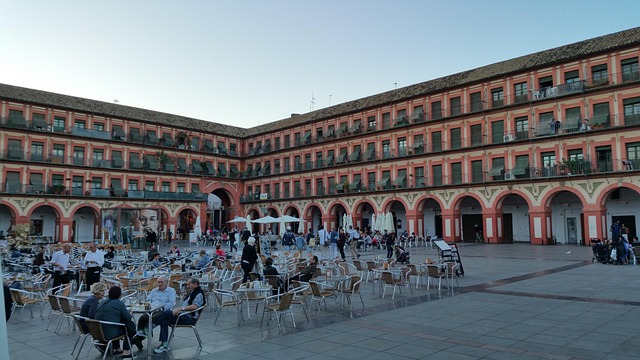
Plaza de la Corredera is one of Cordoba's most vibrant and historically significant squares, located in the heart of the city. This rectangular plaza stands out for its unique Castilian design, a rarity in Andalusia, and is often compared to Madrid's Plaza Mayor due to its similar layout. Enclosed by striking arcaded buildings painted in warm ochre and terracotta tones, it is a hub of activity and a beloved gathering spot for locals and visitors alike. Dating back to the 17th century, Plaza de la Corredera has a fascinating history. It was originally built as a marketplace and venue for public events, including festivals, bullfights, and even executions during the Inquisition. Over time, the square evolved, becoming a central meeting place for trade and commerce. Today, it retains its historic charm while hosting a lively mix of modern-day attractions. Plaza de la Corredera is also home to several noteworthy landmarks, including the Casa de Doña Ana Jacinta and the nearby Mercado de la Corredera, where you can sample delicious local delicacies. Whether you're seeking history, culture, or simply a beautiful spot to unwind, this iconic plaza is a must-see destination in Cordoba.
Ads place
Ads place
Ads place
Ads place
Ads place
Roman Bridge of Cordoba in Cordoba, Spain

Roman Bridge of Cordoba

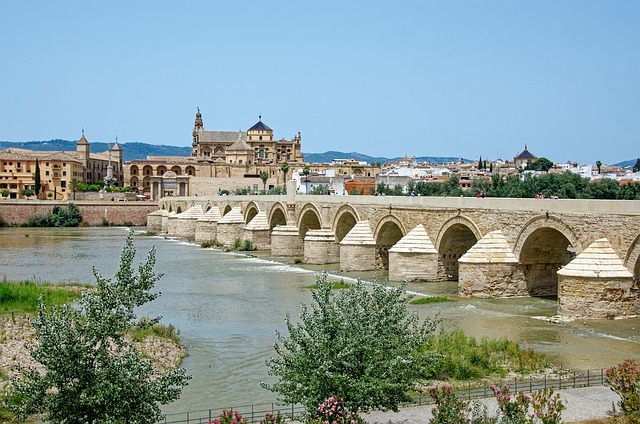
The Roman Bridge of Cordoba, known locally as Puente Romano, is a historical landmark that has spanned the Guadalquivir River since the 1st century BC. Originally built by the Romans, the bridge underwent several reconstructions during the Moorish and Christian periods, giving it the unique character it has today. Stretching 247 meters with 16 arches, this stone bridge is a testament to the city's long and layered history. Walking across the Roman Bridge is a magical experience, offering stunning views of the city's skyline, including the Mezquita-Catedral and the medieval city walls. The bridge also features the Calahorra Tower at one end, a Moorish defensive structure that now houses the Museo Vivo de Al-Andalus. On the other side, the Puerta del Puente, a grand Renaissance gate, welcomes visitors into the historic center of Cordoba. The Roman Bridge is not just a passageway but a cultural hub. During the day, it is lively with street musicians, artists, and vendors adding to its charm. At night, the bridge is beautifully illuminated, creating a romantic atmosphere that draws both locals and tourists. The bridge has also appeared in popular culture, including its use as a filming location for the famous TV series Game of Thrones.
Ads place
Ads place
Ads place
Ads place
Ads place
Roman Temple of Cordoba in Cordoba, Spain

Roman Temple of Cordoba

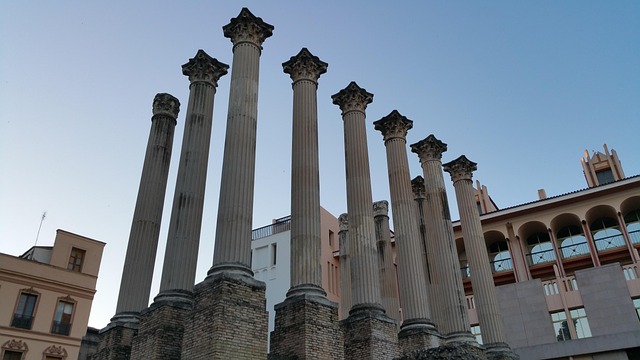
The Roman Temple of Cordoba is a stunning remnant of the city's ancient past and a testament to its historical significance as a Roman provincial capital. Located near the City Hall, this archaeological site was discovered in the 1950s during construction work, revealing a grand structure believed to date back to the 1st century AD. The temple was dedicated to the imperial cult, honoring Roman emperors as deities. Its impressive Corinthian columns, some of which have been reconstructed, tower over the site and provide a glimpse of its former grandeur. The temple's layout and scale suggest that it was one of the most important public buildings of its time, serving as a focal point for religious and civic activities. Visitors to the Roman Temple can admire its surviving architectural elements, including fragments of columns, capitals, and pediments. Informative plaques provide historical context, helping visitors imagine how the temple would have looked in its prime.
Ads place
Ads place
Ads place
Ads place
Ads place
Torre Campanario in Cordoba, Spain

Torre Campanario

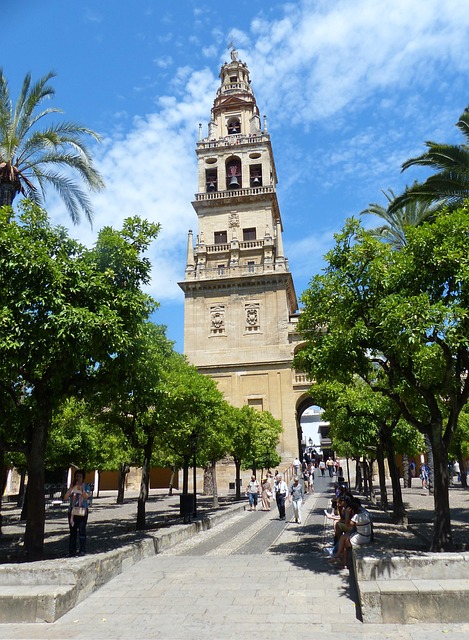
The Torre Campanario, or Bell Tower, is an iconic landmark in Cordoba that offers breathtaking views and a fascinating glimpse into the city's history. Situated within the famous Mezquita-Catedral complex, this majestic tower rises above the historic center and has become one of the most recognizable symbols of Cordoba. The tower is a striking blend of architectural styles, reflecting its evolution through centuries of cultural change. Originally built during the Moorish period as a minaret for the Great Mosque, the structure underwent significant transformations after the Christian reconquest of Cordoba in the 13th century. It was repurposed into a bell tower for the cathedral, with additional elements added in subsequent centuries, including Renaissance and Baroque features. Today, its multi-layered design serves as a testament to the city's rich and diverse heritage. Visitors to the Torre Campanario can climb to the top via a series of well-preserved staircases. Along the way, you can admire intricately designed interiors and pause to take in the details of the bells, some of which date back several centuries.
Ads place
Ads place
Ads place
Ads place
Ads place