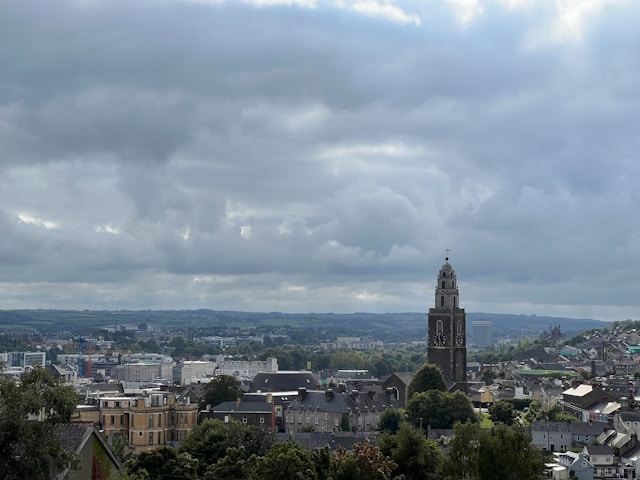
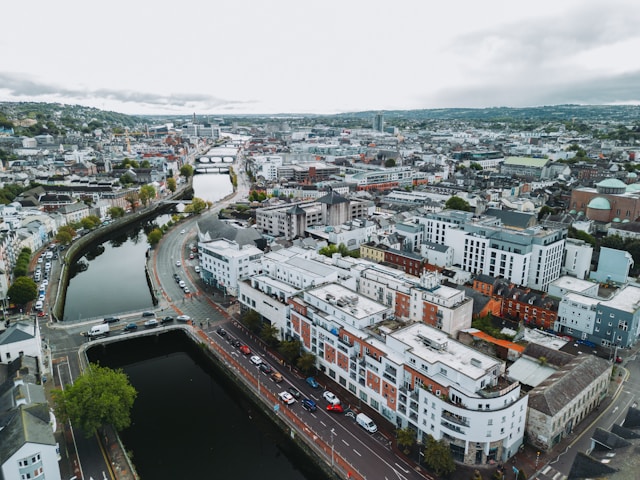
City view of Cork, Ireland

Cork

Cork, Ireland's southern gem, is a city defined by its independent spirit, riverside charm, and cultural vibrancy. The city centre, set on an island in the River Lee, boasts bustling quays, historic churches, and colorful lanes. The English Market, operating since 1788, is a paradise for food lovers, offering local cheese, seafood, and artisanal treats. St. Fin Barre's Cathedral rises majestically, while the Butter Museum recalls Cork's trading heritage. The city's thriving art scene is reflected in galleries, public sculptures, and lively music venues, with the annual jazz festival drawing international stars. Cork is also a gateway to scenic West Cork, renowned for its rugged coastline and gourmet delights. Less known are the hidden medieval laneways and tranquil parks like Fitzgerald’s Park, which provide a retreat from urban bustle. A strong student population and flourishing start-ups inject fresh energy. Cork’s blend of tradition, creativity, and welcoming locals ensures an unforgettable experience for every visitor.

Top attractions & things to do in Cork

If you’re searching for the best things to do in Cork, this guide brings together the top attractions and must-see places to visit in Cork. The top picks below highlight the most visited sights for first-time visitors, plus a few local favorites worth adding.

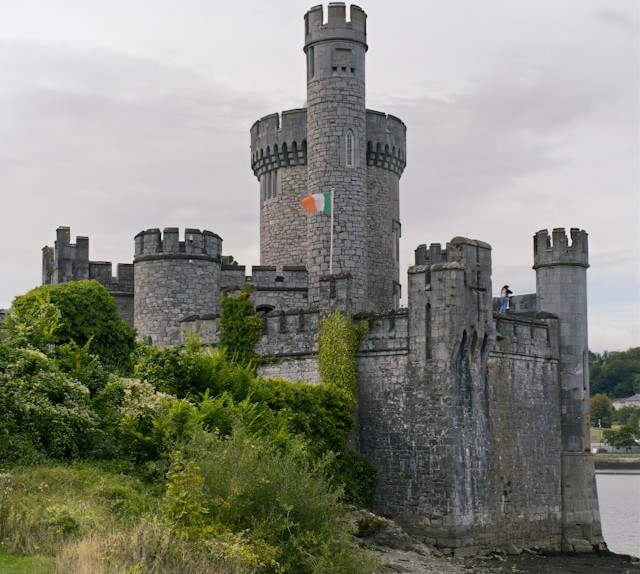
Blackrock Castle Observatory in Cork, Ireland

Blackrock Castle Observatory

Blackrock Castle has guarded the River Lee since the late 16th century, originally built to protect against pirates and foreign invaders. Today, its imposing battlements and fairy-tale turrets house an innovative astronomy center and science exhibition. The observatory features interactive exhibits about space exploration, cosmic phenomena, and Ireland’s historic role in astronomy. Less known is the castle’s medieval dungeon, which can be explored on guided tours. The “Comet Chaser” experience lets visitors send messages into space. Blackrock Castle is also a popular wedding and event venue, offering romantic river views. The on-site café serves up local flavors in a unique setting. Special astronomy nights invite the public to stargaze through high-powered telescopes. The castle’s blend of heritage, science, and scenic beauty ensures its place as a favorite Cork attraction for all ages.
Ads place
Ads place
Ads place
Ads place
Ads place
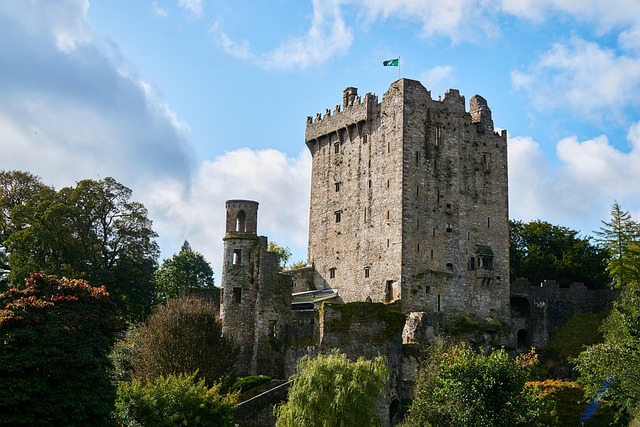
Blarney Castle & Gardens in Cork, Ireland

Blarney Castle & Gardens

Just outside Cork, Blarney Castle is one of Ireland’s most legendary sites, drawing visitors eager to kiss the world-famous Blarney Stone. Built nearly 600 years ago, the castle is steeped in stories of MacCarthy chieftains, daring sieges, and mysterious hidden chambers. The surrounding gardens are equally enchanting, featuring the Poison Garden, lush fern collections, and tranquil streams. Less known is the Wishing Steps, said to grant heartfelt wishes to those who climb them backward with closed eyes. The castle hosts seasonal medieval festivals and outdoor concerts, bringing history to life for families and adventurers alike. Guided tours share tales of local folklore and the science behind the Blarney Stone’s supposed gift of eloquence. From the castle’s battlements, visitors enjoy sweeping views of the lush Cork countryside, making Blarney Castle a truly magical experience.
Ads place
Ads place
Ads place
Ads place
Ads place
Cobh Heritage Centre in Cork, Ireland

Cobh Heritage Centre

Cobh Heritage Centre tells the dramatic story of Irish emigration from Cork’s historic port, the last stop for millions bound for new lives overseas. The center is located in the beautifully restored Victorian railway station and features immersive exhibitions on Titanic, the Lusitania, and the coffin ships of the Great Famine. Personal stories, ship models, and archival photos bring history to life. Less known is the center’s extensive genealogical database, helping visitors trace their Irish ancestry. Audio guides, temporary exhibits, and children’s activities make it a compelling experience for all ages. Cobh Heritage Centre is a poignant reminder of Cork’s role in global history, but also celebrates the strength and spirit of those who departed from these shores. The adjacent waterfront park offers a peaceful place to reflect on the journeys that began here.
Ads place
Ads place
Ads place
Ads place
Ads place
Cork City Gaol in Cork, Ireland

Cork City Gaol

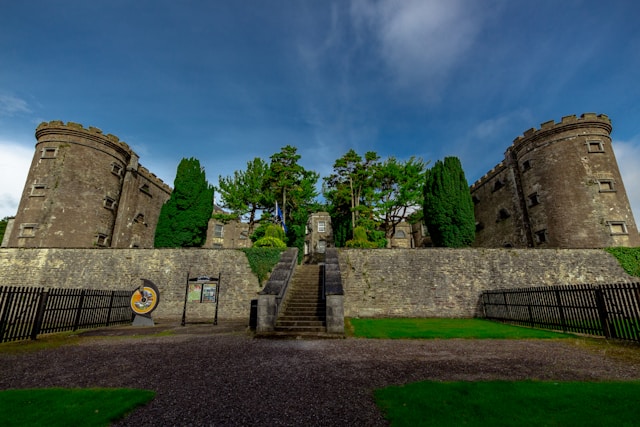
Built in 1824, Cork City Gaol is a striking example of early Gothic Revival prison architecture, now transformed into a compelling museum. The gaol housed men and women until 1923 and once held notable prisoners including Constance Markievicz, a leader in the Irish revolutionary movement. Waxwork figures, sound effects, and multimedia displays recreate the harsh realities of 19th-century prison life. The Governor's House, with its ornate windows and historic furnishings, adds a unique dimension. Less known is the radio station that operated from the building in the 1920s, pioneering Irish broadcasts. Night tours offer a glimpse of the gaol’s reputed ghosts and untold stories. Visitors often marvel at the panoramic city views from the old exercise yards. Cork City Gaol’s blend of drama, history, and architecture makes it an unforgettable stop for those seeking to understand Cork’s past.
Ads place
Ads place
Ads place
Ads place
Ads place
Cork Opera House in Cork, Ireland

Cork Opera House

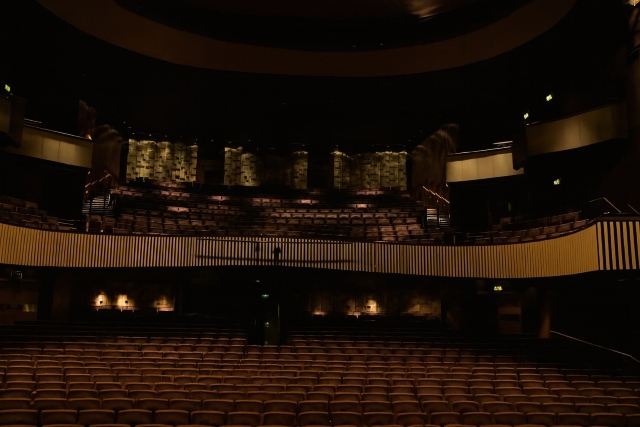
At the heart of Cork’s cultural life stands the Cork Opera House, originally opened in 1855 and rebuilt in 1965 after a devastating fire. The striking modernist façade and state-of-the-art auditorium welcome audiences to a packed calendar of opera, ballet, drama, and popular music. International stars and local talents grace the stage, making it one of Ireland’s premier performance venues. Less known is the venue’s role in hosting the annual Guinness Jazz Festival, drawing world-class musicians. The Opera House’s lively bar and rooftop terrace are popular meeting spots before and after shows. Backstage tours offer a glimpse behind the curtain at technical wizardry and theatrical tradition. The house also nurtures youth talent through educational workshops and drama camps. Cork Opera House’s electric energy and rich legacy resonate with both residents and visitors.
Ads place
Ads place
Ads place
Ads place
Ads place
Fitzgerald Park in Cork, Ireland

Fitzgerald Park

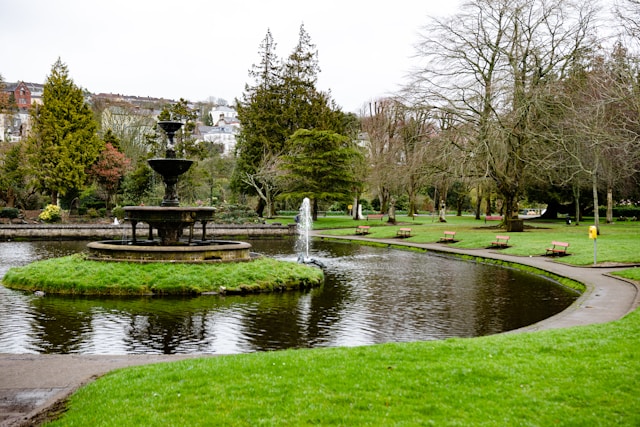
Spanning over eighteen acres along the River Lee, Fitzgerald Park is Cork’s premier green oasis, beloved for its Edwardian bandstand, lush flower beds, and tranquil lakes. The park was named after Edward Fitzgerald, Lord Mayor of Cork during the 1902 International Exhibition. It is home to the Cork Public Museum, which traces local history from prehistoric times to the present. Less known is the park’s sculpture trail, featuring contemporary Irish art and hidden gems. Children enjoy the modern playground and tree-lined walkways, while adults relax with riverside views and open-air cafés. Fitzgerald Park hosts music festivals, yoga sessions, and outdoor art events throughout the year. The famous “Shakey Bridge” connects the park to Sunday’s Well and is a favorite photo spot. Its peaceful lawns and seasonal blooms offer respite from urban life, making it a cherished destination for both locals and visitors.
Ads place
Ads place
Ads place
Ads place
Ads place
Shandon Bells & St. Anne's Church in Cork, Ireland

Shandon Bells & St. Anne's Church

Rising above the city skyline, the Shandon Bells and St. Anne's Church are among Cork's most distinctive landmarks. The church, completed in 1722, features a unique two-toned clock tower often called the “Four Faced Liar” for its differing clock faces. The eight Shandon Bells can be rung by visitors, offering a memorable hands-on experience and panoramic city views from the top. The red sandstone and white limestone façade reflect Cork’s diverse geology and history. Less known are the church’s beautiful 18th-century interior and the collection of ancient silver. St. Anne’s is a center for local music and seasonal festivities. The journey up the narrow, winding steps is rewarded by spectacular views of the River Lee. Stories of the area’s vibrant community life are woven through every stone, making it an authentic Cork experience.
Ads place
Ads place
Ads place
Ads place
Ads place
St. Fin Barre's Cathedral in Cork, Ireland

St. Fin Barre's Cathedral

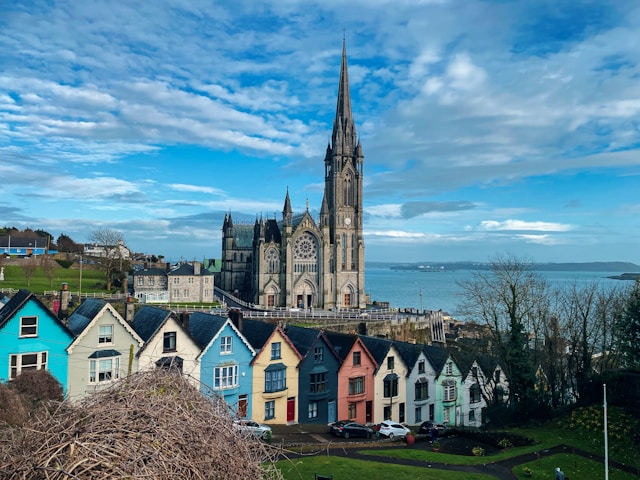
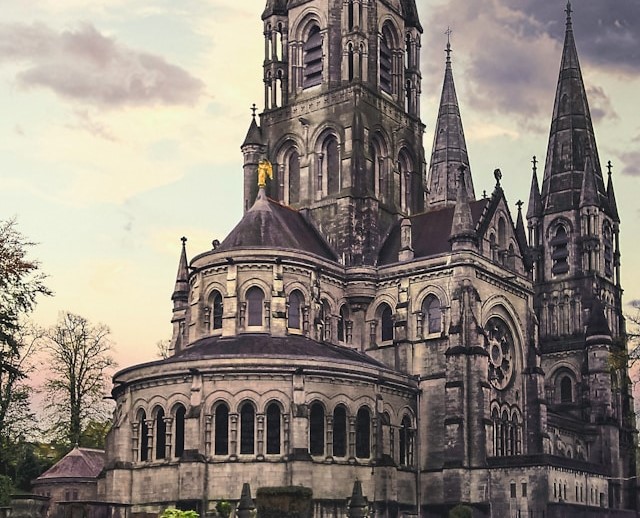
Dedicated in 1870 and designed by renowned architect William Burges, St. Fin Barre's Cathedral is a masterpiece of French Gothic Revival architecture. Its three soaring spires, more than 1,260 ornate sculptures, and radiant stained-glass windows tell a visual story of Cork's spiritual and civic history. The cathedral is named for Saint Finbarr, the city's patron, who is believed to have founded a monastery on this very site in the 7th century. Less known is the presence of a golden angel with a trumpet atop the roof, said by locals to herald major events. Inside, the elaborate mosaic floors and historic pipe organ enhance the sense of grandeur. St. Fin Barre's is a vibrant venue for choral concerts and seasonal celebrations, connecting ancient tradition to modern city life. Guided tours share tales of the site's turbulent history, including periods of Viking and Norman occupation. Its gardens offer a peaceful respite amid the urban buzz, making it a must-see for architecture and history enthusiasts alike.
Ads place
Ads place
Ads place
Ads place
Ads place
The English Market in Cork, Ireland

The English Market

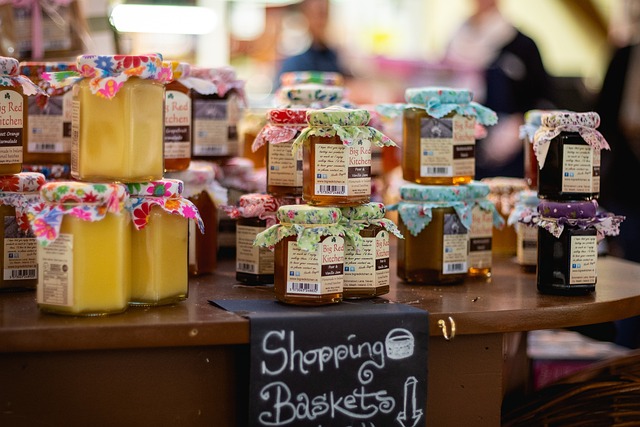
Operating since 1788, The English Market is one of Europe's oldest covered food markets and a centerpiece of Cork's culinary heritage. Beneath its distinctive vaulted ceiling, stalls overflow with artisanal cheeses, fresh seafood, local meats, and handmade pastries. Generations of traders have sold their wares here, creating a lively, friendly atmosphere. The market is famed for delicacies like drisheen and tripe, reflecting Cork's unique food traditions. Less known is the market's role during historical famines, when it became a vital lifeline for the city. Celebrity chefs and royalty have visited, but the real stars are the vendors whose stories echo through the bustling aisles. Regular tasting events and cookery demos attract food lovers from around the world. The English Market is celebrated for its resilience, having survived fires and floods across the centuries. Its café, perched above the stalls, offers a perfect view of the vibrant scene below.
Ads place
Ads place
Ads place
Ads place
Ads place
University College Cork in Cork, Ireland

University College Cork

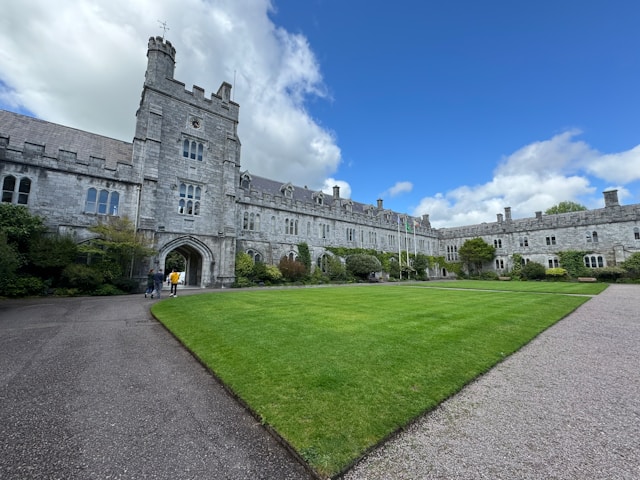
Founded in 1845 as one of the original Queen's Colleges, University College Cork (UCC) is an academic and cultural landmark. Its Quadrangle, surrounded by neo-Gothic stone buildings and ancient trees, is beloved by students and visitors alike. The campus is home to the Ogham Stone Corridor, featuring ancient Irish inscriptions, and the acclaimed Glucksman Gallery. Less known is the university’s award-winning green campus initiatives and the secret garden known as the President’s Garden. UCC has nurtured Nobel laureates, poets, and political leaders. Throughout the year, the campus buzzes with music, art exhibitions, and open lectures. Guided tours reveal tales of haunted halls and legendary professors. University College Cork’s library is a hub for researchers and the curious, holding medieval manuscripts and rare books. The nearby riverbanks offer a serene escape after exploring the dynamic campus.
Ads place
Ads place
Ads place
Ads place
Ads place