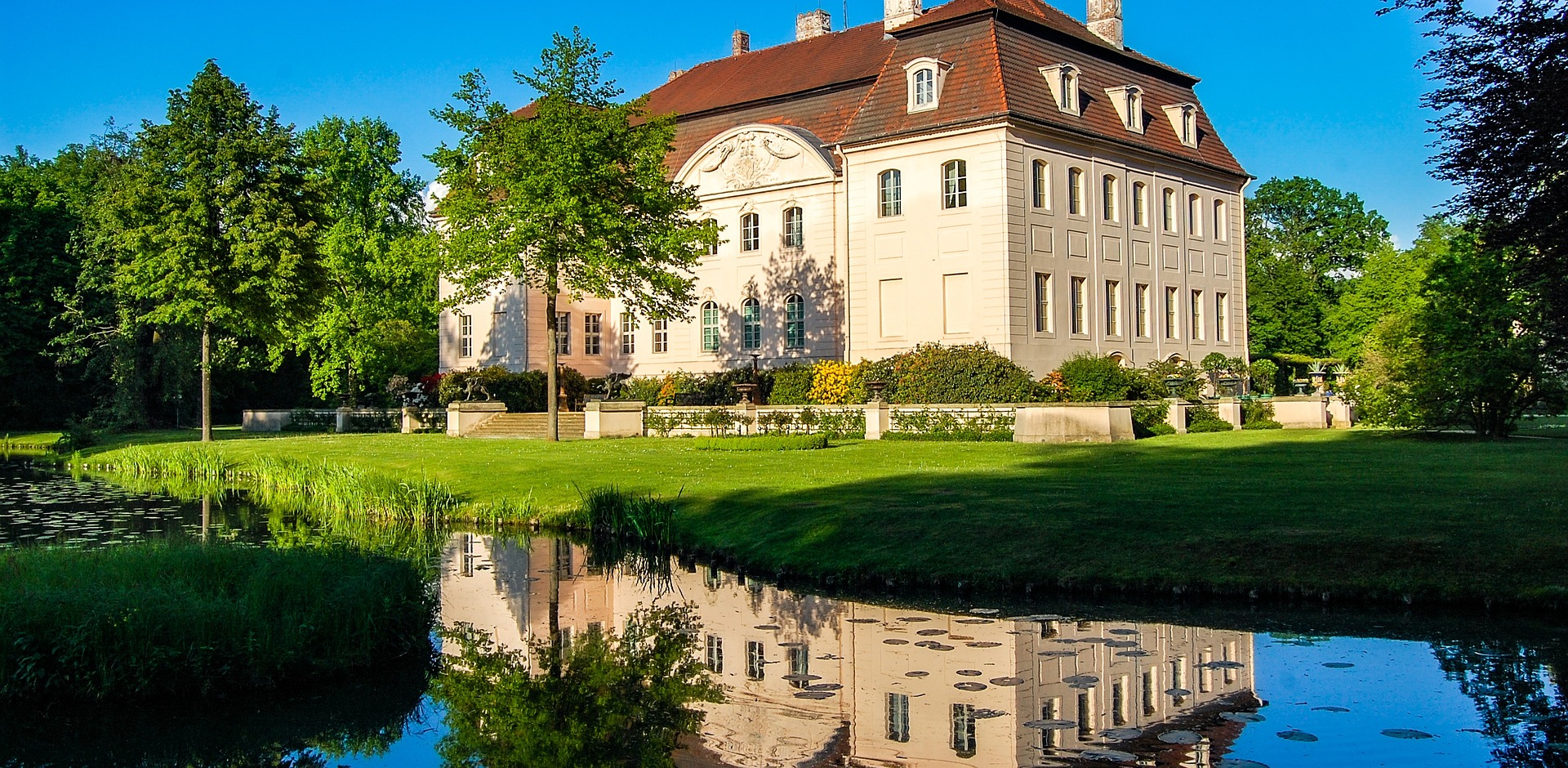

City view of Cottbus, Germany

Cottbus

Cottbus, located in Brandenburg, is known for its blend of German and Sorbian cultures. The city's old town features historical landmarks such as the Spremberger Tower and the State Theater. Cottbus is also home to Branitz Park, designed by Prince Hermann von Pückler-Muskau, which includes a unique pyramid structure on a lake. The city's cultural diversity is celebrated through events and festivals. Cottbus's location near the Spree Forest provides opportunities for outdoor activities such as canoeing and cycling. The city's mix of history, nature, and culture offers a unique experience for visitors.

Top attractions & things to do in Cottbus

If you’re searching for the best things to do in Cottbus, this guide brings together the top attractions and must-see places to visit in Cottbus. The top picks below highlight the most visited sights for first-time visitors, plus a few local favorites worth adding.

Branitz Park in Cottbus, Germany

Branitz Park

Branitz Park, Prince Pückler-Muskau's final masterpiece, revolutionized landscape design with its "visual axes" technique aligning vistas to celestial events. The park's Earth Pyramid mausoleum contains soil from all Pückler's estates and aligns with the winter solstice sunrise. Its Blue Ocean lake was hand-dug by 1,200 workers using medieval tools in 1846. Rare flora includes a 250-year-old Tulip Tree planted by the prince himself. The park pioneered "borrowed landscapes," incorporating distant Spreewald wetlands into its design. Conservationists recently discovered WWII-era bunkers disguised as hills using original planting plans. Night tours reveal hidden moon gardens that bloom exclusively under lunar light.
Ads place
Ads place
Ads place
Ads place
Ads place
Cottbus City Park in Cottbus, Germany

Cottbus City Park

Cottbus City Park's 1899 design by Gustav Meyer features a hidden Medicinal Garden with 200 healing plants used by local apothecaries until 1945. The park's central pond contains a submerged 1920s Art Nouveau fountain rediscovered during 2018 dredging. Its 300-year-old Dragon Oak inspired local Sorbian legends about forest spirits. The concrete Peace Column near the rose garden incorporates fragments of the Berlin Wall. During summer solstice, 10,000 LED lights transform walking paths into a "Luminous Meadow" installation. Winter visitors can skate on a secret pond frozen using 19th-century ice-harvesting techniques.
Ads place
Ads place
Ads place
Ads place
Ads place
Spremberger Tower in Cottbus, Germany

Spremberger Tower

The Spremberger Tower's 19th-century neo-Gothic design camouflages a 15th-century dungeon where knights held prisoners until ransom payments. Climb 137 steps to the observation deck for views extending to Spreewald Biosphere Reserve on clear days. The tower's 3-meter-thick walls contain stones from Cottbus' demolished medieval synagogue. During WWII, anti-aircraft spotters used its balcony until a 1945 shell left visible pockmarks on the east face. The original 1823 weather vane crowns the spire, shaped like a Wendish sun cross symbolizing local Slavic heritage. Recent restoration uncovered 19th-century graffiti from Napoleonic soldiers in the stairwell. Night illumination uses LED patterns mimicking historic oil lamps.
Ads place
Ads place
Ads place
Ads place
Ads place
St. Nikolai Church in Cottbus, Germany

St. Nikolai Church

St. Nikolai Church's 78-meter spire leans 0.87m due to unstable medieval foundations - a tilt visible from the Oberkircheplatz vantage point. The 1517 Passion Altar hides a secret compartment holding 17th-century plague prayers. Its 1741 Silbermann organ inspired Bach's visit in 1742; preserved hand-written tuning notes remain in the church archive. During 1989 protests, the spire's bell served as a secret dissident communication tool. The Astronomical Clock in the north transept tracks Lusatian folk festival dates using medieval zodiac symbols. Recent laser scans revealed 14th-century frescoes beneath whitewash applied during Reformation iconoclasm.
Ads place
Ads place
Ads place
Ads place
Ads place
Theatre of Cottbus in Cottbus, Germany

Theatre of Cottbus

The Theatre of Cottbus boasts Europe's largest revolving stage machinery, capable of shifting 40-ton sets in 12 seconds. Its 1908 Jugendstil facade hides a 1990s interior with acoustic panels shaped like Spreewald river reeds. The theatre's ghost light (left perpetually burning) honors a 1944 actor who used its glow to guide WWII air raid survivors. A secret passage connects the orchestra pit to the adjacent Wendish Museum for surprise performances. The ceiling mural depicts local Sorbian folklore scenes visible only under UV light during special shows. Backstage tours reveal century-old trapdoors once used for Faustian smoke effects.
Ads place
Ads place
Ads place
Ads place
Ads place