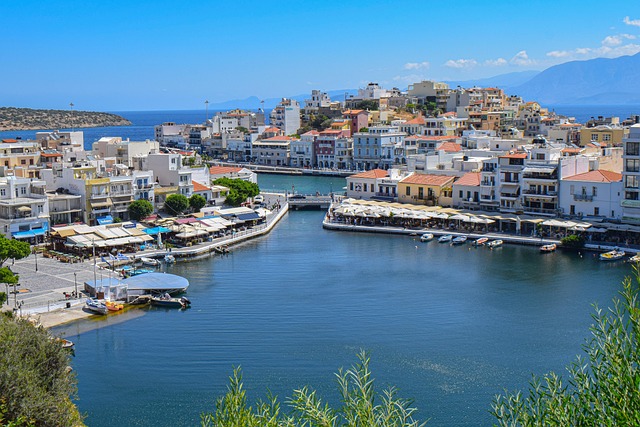
City view of Crete, Greece

Crete

Crete, Greece’s largest island and fifth-largest in the Mediterranean, unfolds from the snow-capped White Mountains to sun-bleached beaches and fertile plains. Its storied past spans Minoan palaces—like Knossos, where vibrant frescoes and the labyrinthine throne room date to 1700 BC—to Venetian fortresses and Ottoman minarets dotting seaside towns. In the west, the pink-sand shores of Elafonissi and the hidden coves of Balos Lagoon contrast with the rugged Samaria Gorge, where a 16 km hiking trail cuts through pine-clad ravines to the Libyan Sea. Inland, olive groves produce award-winning extra-virgin oil, and mountain villages such as Anogeia preserve Cretan song and dance traditions. Crete’s culinary heritage shines in fiery dakos salads, slow-simmered stifado, and sweet raki distilled in village stills. Coastal harbors—from Heraklion’s lively promenade to Chania’s Venetian-era quay—buzz with fishing boats and waterfront cafés. Each spring, the island’s wildflower-carpeted plateaus burst into color, while winter snowfall crowns highland monasteries in a serene hush. Crete’s blend of ancient history, diverse landscapes, and warm hospitality invites exploration at every turn.

Top attractions & things to do in Crete

If you’re searching for the best things to do in Crete, this guide brings together the top attractions and must-see places to visit in Crete. The top picks below highlight the most visited sights for first-time visitors, plus a few local favorites worth adding.

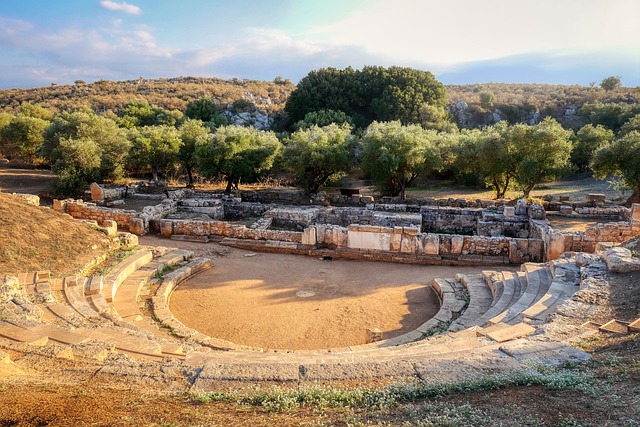
Ancient City of Aptera in Crete, Greece

Ancient City of Aptera

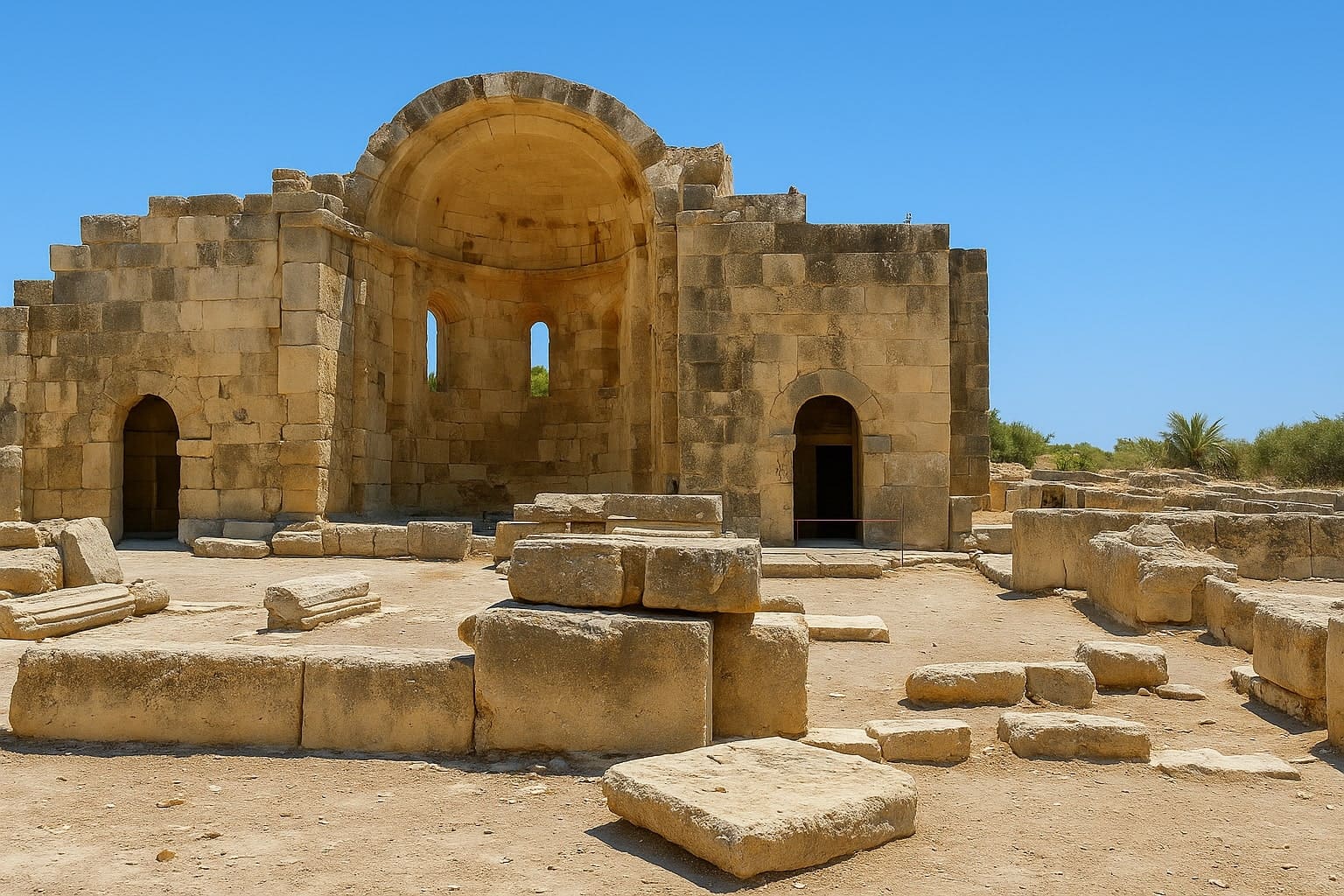
The Ancient City of Aptera, founded in the 7th century BC by the Dorian tribe, rose to prominence as a maritime and commercial hub controlling Souda Bay. In 1207, Venetian conquerors reinforced its acropolis with ramparts and cisterns, creating the fortress you see today. Excavations in 1897 uncovered a 3rd-century BC theater—carved into bedrock—and a Roman cistern carved from a single block of stone. Nearby, a Byzantine church from the 11th century preserves fresco fragments depicting saints and martyrs. A 2015 survey revealed traces of an ancient aqueduct system that once supplied water to workshops producing olive oil and wine amphorae. Panoramic viewpoints atop the hill offer sweeping vistas of the White Mountains and the olive-studded plains below. Aptera’s blend of Greek, Roman, Venetian and Byzantine layers makes it one of Crete’s most historically rich sites.
Ads place
Ads place
Ads place
Ads place
Ads place
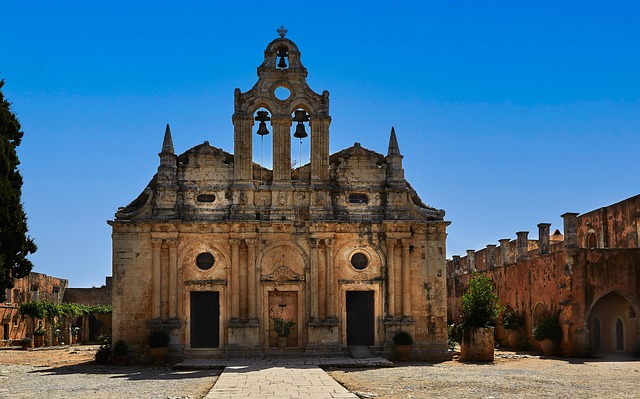
Arkadi Monastery in Crete, Greece

Arkadi Monastery

Arkadi Monastery, a poignant symbol of freedom, became world-renowned during the 1866–1869 Cretan Revolt against Ottoman rule. Nestled on a wooded hillside, its Renaissance-Baroque church—rebuilt in 1587—features soaring arches and a double-nave narthex supported by Ionic columns. In November 1866, hundreds of monks and refugees made a final stand inside its fortified walls, igniting powder stores in an act of defiance that echoed across Europe and galvanized philhellenic support. The Monastery Museum displays weapons recovered from the courtyard, 15th-century icons rescued from the flames, and handwritten diaries recounting the “Holocaust of Arkadi.” Marble plaques inscribed in both Greek and French commemorate those who perished. Each year on November 8, candles light the marble-paved courtyard as descendants and visitors gather for a solemn ceremony. Surrounded by olive groves and mountain air, Arkadi Monastery remains a testament to Cretan resilience and the universal longing for liberty.
Ads place
Ads place
Ads place
Ads place
Ads place
Balos Lagoon in Crete, Greece

Balos Lagoon

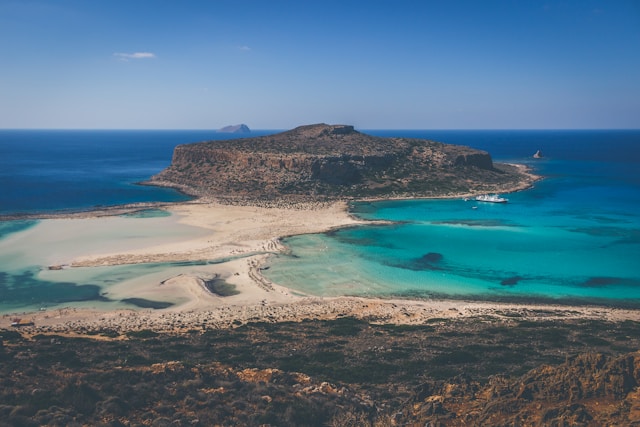
Balos Lagoon, near Kissamos, unfolds as a pastel amphitheater of white sand and shallows in hues of aquamarine and cobalt. Formed over 10,000 years by Gramvousa promontory’s erosion, its shallow waters nurture seagrass meadows (Posidonia oceanica), vital for Mediterranean biodiversity. On Gramvousa Island, a Venetian fortress built in 1579 watches over the lagoon from its crumbling ramparts. A 2010 marine survey recorded over 200 taxa of invertebrates in Balos’s reefs, underscoring its ecological significance. Accessible by boat or via a steep hiking trail, visitors traverse juniper-dotted paths before descending to the lagoon’s glass-like shallows. Balos’s ever-changing sandbars and panoramic vistas make it a geological and environmental wonder of Western Crete.
Ads place
Ads place
Ads place
Ads place
Ads place
Gortyna Ancient City in Crete, Greece

Gortyna Ancient City

Gortyna Ancient City, once capital of Roman Crete under Emperor Claudius in 69 AD, preserves Europe’s oldest surviving legal code. Carved into an 11-column basalt wall in the 5th century BC, the Gortyn Code outlines civil and criminal statutes in Doric Greek. Excavations since 1884 have unearthed the Basilica of St. Titus (founded 961), a 2nd-century theater, and the Asklepion sanctuary—dedicated to the healing god Asclepius—where votive offerings remain in situ. Visitors wander colonnaded streets and stand beside the marble-lined Odeon, imagining civic life under Roman rule. In 1961, archaeologists uncovered an intricate mosaic floor depicting mythic scenes, now protected under glass. Gortyna’s fusion of Hellenic law, Roman urban planning and early Christian architecture offers a profound window into Crete’s pivotal role in Mediterranean history.
Ads place
Ads place
Ads place
Ads place
Ads place
Heraklion Archaeological Museum in Crete, Greece

Heraklion Archaeological Museum

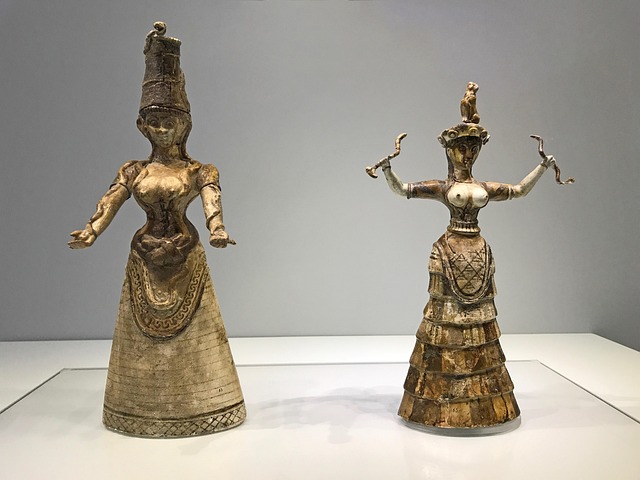
Heraklion Archaeological Museum, inaugurated in 1935 and extensively renovated in 2014, houses the world’s premier collection of Minoan artifacts. Its galleries display the vibrant Bull-Leaping Fresco, the enigmatic Snake Goddess statuette, and the intricately carved Harvester Vase—each dating from 1600–1450 BC. Interactive digital reconstructions allow visitors to visualize Knossos and Phaistos palaces in their original glory, while climate-controlled vaults safeguard over 10,000 objects spanning Neolithic pottery to Late Bronze Age jewelry. In 2020, researchers re-examined marine-life fresco fragments, confirming Crete’s extensive Bronze Age trade networks. The museum’s atrium, designed to mimic Cretan daylight, bathes artifacts in soft illumination, enhancing their vivid pigments. As a capstone to palace visits, Heraklion Archaeological Museum offers both context and fascination for anyone exploring Europe’s earliest advanced civilization.
Ads place
Ads place
Ads place
Ads place
Ads place
Knossos Palace in Crete, Greece

Knossos Palace

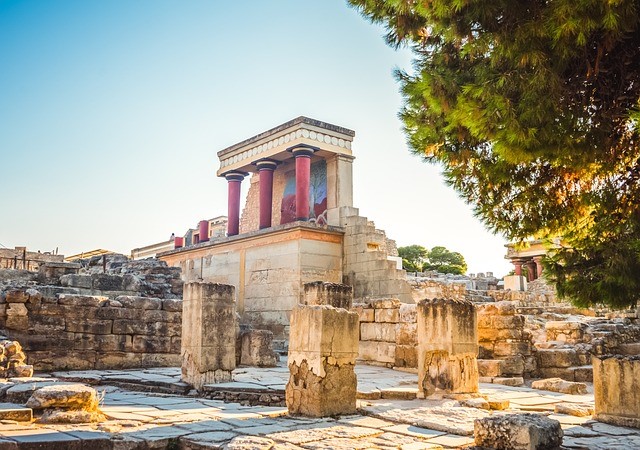
Knossos Palace, the ceremonial and political heart of Minoan Crete, flourished between 1900–1400 BC under the legendary King Minos. Rediscovered in 1900 by Sir Arthur Evans, its sprawling complex encompasses over 1,000 chambers, fresco-adorned corridors depicting bull-leaping rituals, and a grand central courtyard that once hosted sacred ceremonies and public gatherings. Ingenious clay drainage channels and terraced storage magazines—capable of holding more than 80,000 liters of oil and grain—testify to Bronze Age engineering prowess. The Throne Room’s alabaster seat and lustral basin hint at powerful priest-king rituals, while the so-called “Queen’s Megaron” reveals vibrant dolphin frescoes and faience tiles. Recent excavations in 2016 uncovered previously unknown marine-life fresco fragments, underlining Knossos’s extensive Aegean trade links. Today’s faithful reconstructions—guided by Evans’s visionary restorations—allow visitors to stroll restored staircases, peer into subterranean storage halls, and imagine daily life in Europe’s oldest urban palace, making Knossos an essential gateway to Crete’s prehistoric legacy.
Ads place
Ads place
Ads place
Ads place
Ads place
Lassithi Plateau & Diktaean Cave in Crete, Greece

Lassithi Plateau & Diktaean Cave

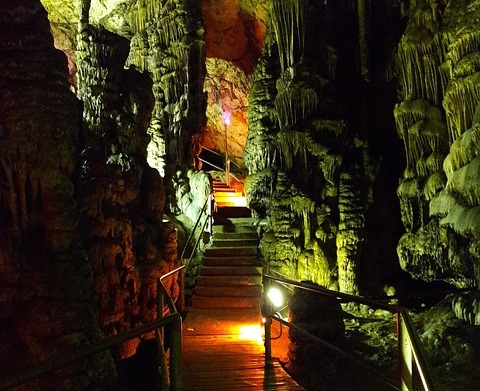
Lassithi Plateau, encircled by the Dikti Mountains at 840 m elevation, has sustained Crete’s agrarian life since Neolithic times. In the 1920s, over 10,000 windmills dotted its fields, pumping spring water to olive groves, cereals and vegetable plots. At the plateau’s eastern edge, Diktaean Cave—mythic birthplace of Zeus—reveals 500 m of illuminated passageways, stalactites and stalagmites. Early 20th-century digs in 1909 unearthed Minoan votive offerings, Roman ceramics and medieval fresco fragments. Each August 21, torchlit ceremonies reenact the god’s birth at the cave entrance, drawing pilgrims and tourists alike. Scenic walking trails lead from whitewashed villages to Byzantine chapels and salt-harvested springs, blending agrarian tradition, classical myth and karstic wonder in one elevated Crete experience.
Ads place
Ads place
Ads place
Ads place
Ads place
Rethymno Old Town & Fortezza in Crete, Greece

Rethymno Old Town & Fortezza

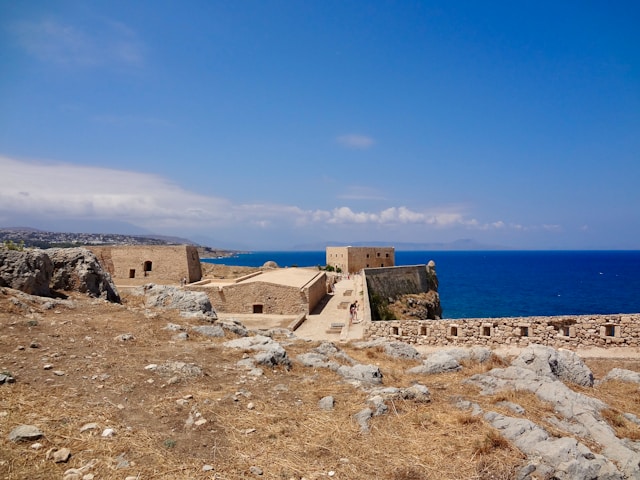
Rethymno Old Town, enclosed by the Venetian Fortezza built between 1573–1580, melds Gothic, Renaissance and Ottoman heritage in a compact labyrinth of narrow streets. The Fortezza’s bastions and ramparts—fashioned by renowned engineer Michele Sanmicheli—house a governor’s palace, Ottoman mosque and panoramic terraces. Within the walled city, the Rimondi Fountain (1626) and Nerantze Mosque (1657) stand as testaments to cultural fusion. 2009 excavations beneath the Loggia uncovered 16th-century mosaic floors, revealing layers of civic life. Today’s cobblestone lanes lead past kafeneia serving sfakiani pita and locally pressed olive oil. Each summer, the Rethymno Renaissance Festival fills the Fortezza with music, theater and dance under starlit skies. Rethymno’s blend of fortified grandeur and living tradition makes it a captivating snapshot of Crete’s multi-ethnic past.
Ads place
Ads place
Ads place
Ads place
Ads place
Samaria Gorge in Crete, Greece

Samaria Gorge

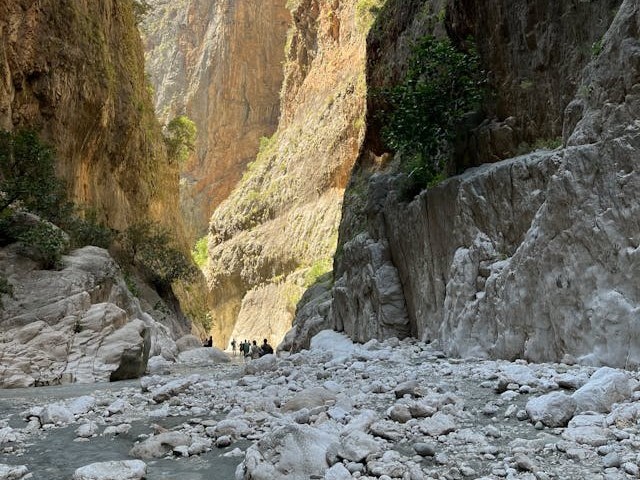
Samaria Gorge, carved over 1 million years by the River Tarra, stretches 16 km through Crete’s White Mountains, making it Europe’s longest national park gorge. Declared a protected reserve in 1962, it shelters the endemic kri-kri mountain goat and rare orchids like Ophrys cretica. The Iron Gates—just 4 m wide—tower 300 m overhead, forming a dramatic natural corridor. Neolithic tools and Bronze Age pottery surfaced in 1936 excavations, pointing to millennia of human passage. Hikers descend from the Omalos Plateau through pine forests, past the abandoned Samaria village, and emerge at Agia Roumeli’s Libyan Sea shore. Seasonal ferries return adventurers to Chora Sfakion, linking remote mountain wilderness with Cretan coastal life. Samaria Gorge’s geological drama, biodiversity and human history combine into Crete’s ultimate outdoor pilgrimage.
Ads place
Ads place
Ads place
Ads place
Ads place
Spinalonga Island in Crete, Greece

Spinalonga Island

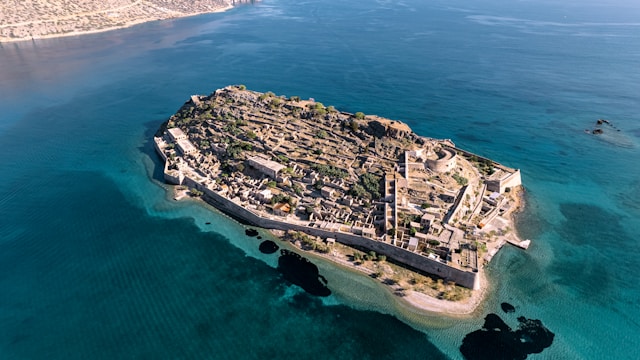
Spinalonga Island, famed for its star-shaped Venetian fortress built in 1579, took on a new, darker role as Europe’s last leper colony from 1903–1957. Surrounded by towering ramparts and moats, the island’s barracks, hospital wards and Greek Orthodox chapel bear silent witness to the 500–1,000 patients who lived in quarantine. Photographs from the 1930s capture daily routines: gardening in stone courtyards, children at makeshift schools, and secret church services. After abandonment, Spinalonga drifted into ruin until Victoria Hislop’s 2005 novel “The Island” rekindled global fascination and spurred restoration efforts. Today, guided tours traverse the dilapidated homes, museum exhibits display personal letters and medical records, and terraces offer sweeping views of Elounda Bay. Spinalonga’s layered history—Venetian power, Ottoman siege, and human endurance—makes it one of Crete’s most evocative and emotionally stirring heritage sites.
Ads place
Ads place
Ads place
Ads place
Ads place