
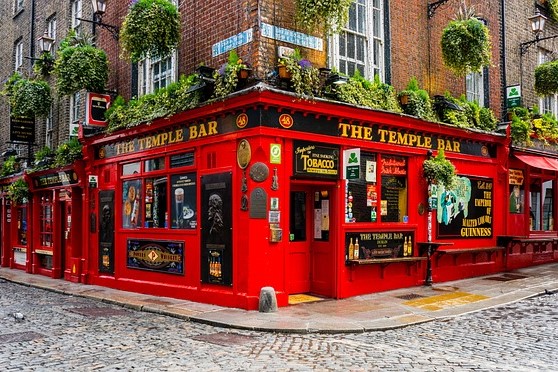
Temple Bar
In Dublin, Ireland .
More places to visit in Dublin
Discover more attractions and things to do in Dublin.
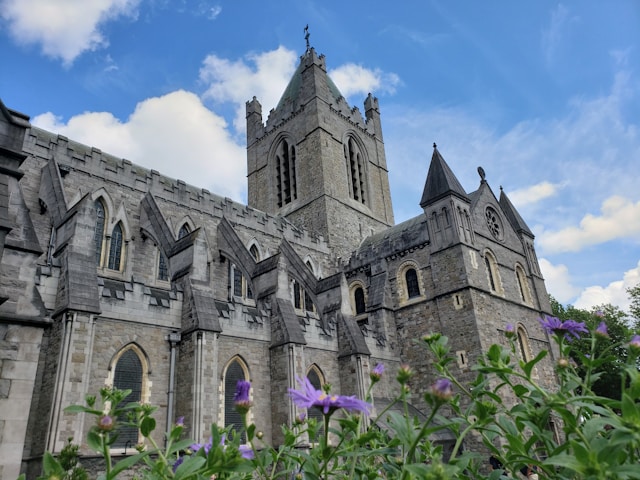
Christ Church Cathedral
Founded around 1030 by the Norse King Sitric Silkenbeard, Christ Church Cathedral is one of Dublin’s oldest and most significant buildings. Its soaring Gothic nave , crypt , and intricately carved stonework bear witness to a millennium of history. The cathedral houses the heart of St. Laurence O'Toole , Dublin’s patron saint, and features a unique mummified cat and rat in the crypt—an oddity beloved by visitors. Less known is the cathedral’s strong musical tradition, with regular choral performances and organ recitals. Christ Church played a role in both the Reformation and Ireland’s medieval politics. The cathedral’s bridge over Dame Street connects it to Dublinia, an interactive Viking museum. Its peaceful gardens offer a moment of reflection amid the city’s bustle. Christ Church’s timeless atmosphere and historical significance make it a true Dublin treasure.
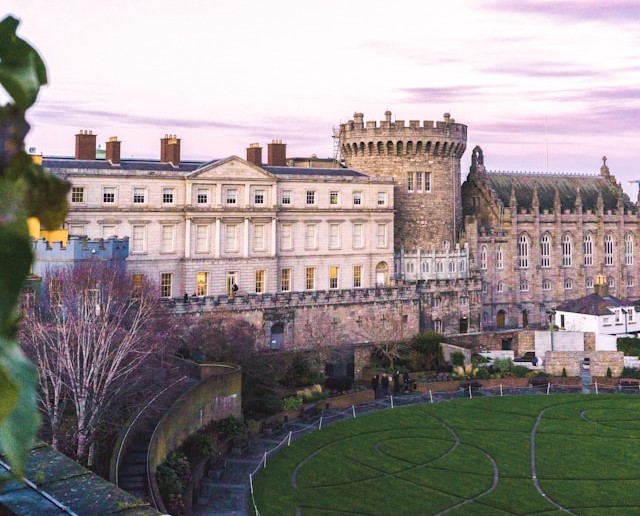
Dublin Castle
Originally established as a Viking fortress in the 10th century , Dublin Castle became the seat of British administration in Ireland for over 700 years. Its architecture blends medieval towers, Georgian courtyards , and ornate State Apartments , which now host official ceremonies and art exhibitions. The Chester Beatty Library , located within the castle grounds, houses rare manuscripts and artworks from across the globe. Less known is that the underground foundations reveal remnants of the original Viking and Norman structures. Dublin Castle’s gardens and guided tours provide insight into centuries of intrigue, rebellion, and renewal. The castle’s tower offers panoramic city views, and its Chapel Royal showcases intricate woodwork and stained glass. Seasonal markets and outdoor concerts animate the grounds, making Dublin Castle a living symbol of Irish heritage. Its layered history and elegant setting attract both scholars and tourists alike.
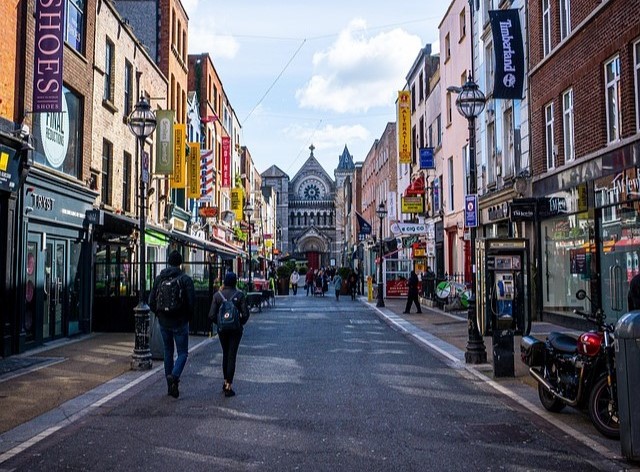
Grafton Street
Grafton Street is Dublin’s premier shopping and entertainment boulevard, lined with elegant Victorian facades , historic cafes , and luxury boutiques. It is famous for its vibrant busking scene—musicians, magicians, and street performers draw lively crowds daily. The iconic Bewley's Oriental Cafe is a must-visit for its art deco interior and literary history. Less known is the tradition of impromptu performances by global stars such as U2 and Ed Sheeran , who have graced the street unannounced. Seasonal flower stalls and street artists add to the color and charm. Grafton Street connects St. Stephen’s Green with Trinity College, making it a bustling thoroughfare for locals and tourists. The festive lights during the holidays transform it into a magical urban promenade. The street’s lively spirit and creative energy are a hallmark of Dublin’s cultural life.
Guinness Storehouse
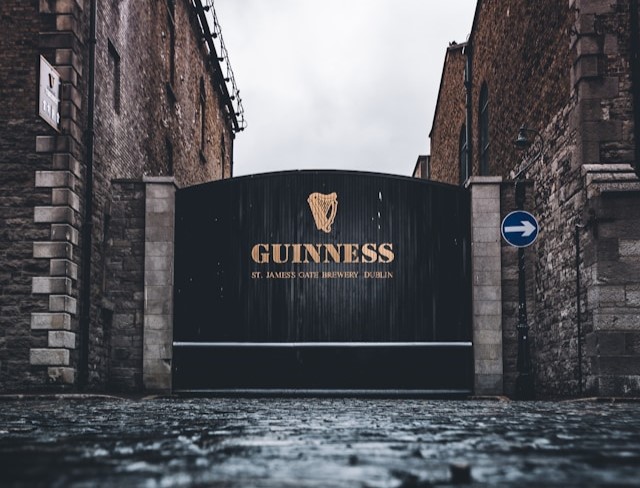
The Guinness Storehouse, located at St. James's Gate, is Ireland’s most-visited attraction and a true celebration of Irish brewing heritage . The building’s seven floors trace the story of Arthur Guinness , who signed a legendary 9,000-year lease in 1759 . Interactive exhibits showcase the science of brewing, the evolution of advertising, and the iconic Guinness brand. At the top, the Gravity Bar provides 360-degree views of Dublin and a perfect pint of Guinness. Less known is the Water of Life exhibit, highlighting the special role of Dublin’s water in creating Guinness’s unique flavor. The Storehouse also houses a rare collection of original brewing equipment and vintage posters. The immersive visitor experience connects tradition with innovation, making each tour unique. Seasonal events and limited-edition tastings draw beer enthusiasts year-round. The building itself is designed in the shape of a giant pint glass, a nod to the brand’s playful spirit.
Ha'penny Bridge
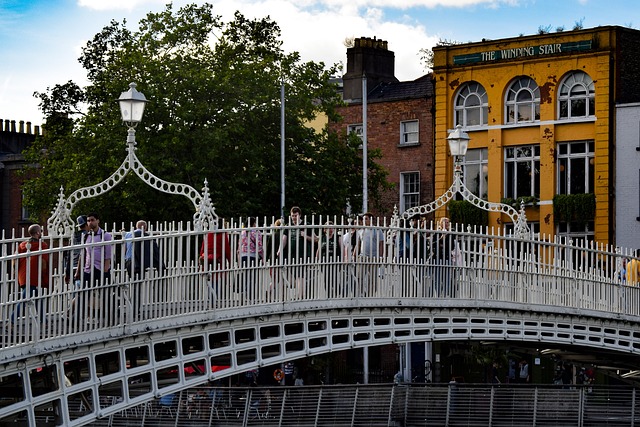
The Ha'penny Bridge , built in 1816 , is one of Dublin’s most iconic landmarks and the city’s oldest pedestrian bridge over the River Liffey. Its elegant cast-iron arches once required a half-penny toll, giving the bridge its name. The bridge’s graceful design and white paint make it a favorite for photos and romantic strolls. Less known is that the original toll booths still survive in local museums. The Ha'penny Bridge is often festooned with flowers and “love locks” left by couples. It connects the vibrant north and south sides of the city, linking Temple Bar with bustling shopping districts. Local musicians often play here, adding to its charm. The bridge is beautifully illuminated at night, creating a picturesque scene on the river. Its enduring popularity is a testament to Dublin’s mix of tradition and modernity.
Kilmainham Gaol
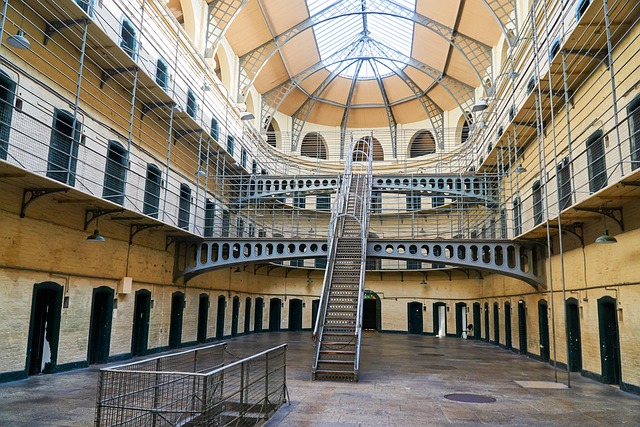
Kilmainham Gaol, opened in 1796 , stands as a powerful symbol of Ireland’s turbulent struggle for independence. The prison’s cold stone corridors once held revolutionary leaders like Charles Stewart Parnell and Padraig Pearse , many of whom were executed in the yard. Guided tours reveal haunting tales of hardship, resilience, and sacrifice, with restored Victorian wings and original graffiti still visible. Less known is the prison’s cinematic history, serving as a dramatic set for major films. Kilmainham’s museum explores the broader fight for civil rights and social change in Ireland. Audio guides, archival displays, and evocative memorials create a moving, immersive experience. The gaol’s stark atmosphere and layered history leave a lasting impression on all who visit. Today, it stands as a place of reflection, education, and remembrance for new generations.
Phoenix Park
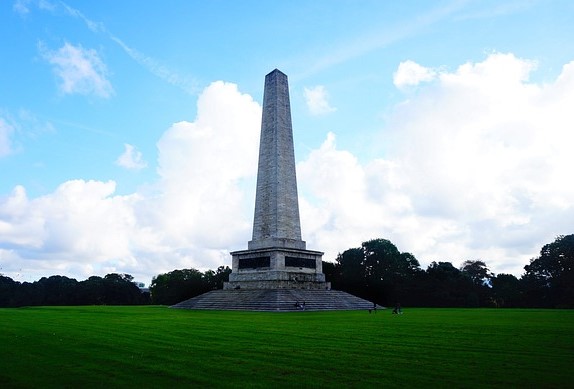
Phoenix Park, founded in 1662 , is one of Europe’s largest enclosed urban parks, sprawling over 1,750 acres . The park is home to a famous herd of fallow deer and the Aras an Uachtarain (President’s Residence), as well as historic monuments like the Wellington Monument . The park’s lush woodlands, gardens, and wildflower meadows are a favorite for picnics, jogging, and cycling. Less known are its Victorian People’s Flower Gardens and the peaceful Papal Cross, erected for Pope John Paul II’s 1979 visit. Phoenix Park also contains Dublin Zoo, founded in 1831 , one of the world’s oldest. Festivals, sports events, and open-air concerts fill the park’s calendar, drawing crowds year-round. The diversity of wildlife and tranquil lakes make it a sanctuary within the city. Its history and scale make Phoenix Park a living heart of Dublin.
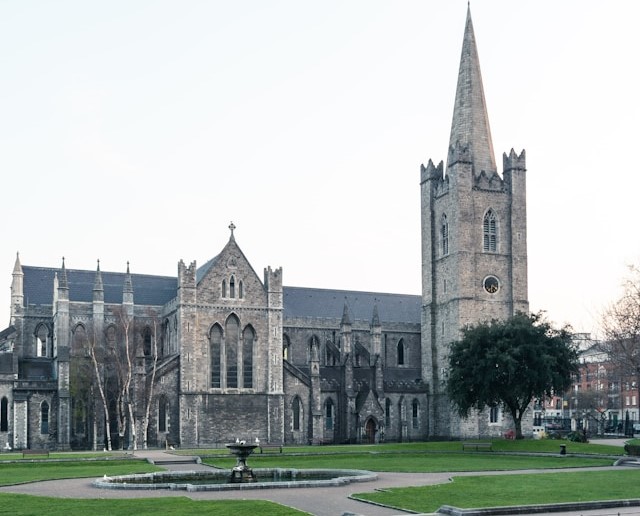
St. Patrick's Cathedral
St. Patrick's Cathedral, Ireland’s largest, was founded in 1191 and rebuilt in the 13th century . Its soaring Gothic nave and magnificent stained-glass windows bear witness to centuries of religious, political, and cultural life. The cathedral is closely associated with Jonathan Swift , author of Gulliver's Travels, who served as dean and is buried here. Less known is the Lady Chapel, restored after centuries of decline, and the ancient well where St. Patrick is said to have baptized converts. The cathedral hosts regular choral performances and major national ceremonies. Visitors can explore the Marsh's Library , Ireland’s oldest public library, just steps away. St. Patrick’s Cathedral is a vibrant center for music, learning, and community engagement in Dublin. The cathedral’s gardens are a peaceful oasis for contemplation and urban relaxation.

Trinity College and the Book of Kells
Founded in 1592 , Trinity College Dublin stands as Ireland's oldest and most prestigious university, renowned for its academic excellence and stunning neoclassical architecture . The college’s most famous treasure, the Book of Kells , is a lavishly illustrated 9th-century gospel manuscript that draws visitors from around the world. The Long Room of the Old Library, lined with ancient books and marble busts, is a true architectural wonder. Less known is that the library contains the oldest surviving Irish harp, the symbol of Ireland. Trinity’s leafy campus is a tranquil retreat amid Dublin’s busy streets, frequently used for film locations and cultural events. Famous alumni include writers like Samuel Beckett and Oscar Wilde . A visit here reveals both the intellectual spirit and layered history of Dublin. The college hosts thought-provoking exhibitions, making it a vibrant hub for learning and discovery.