
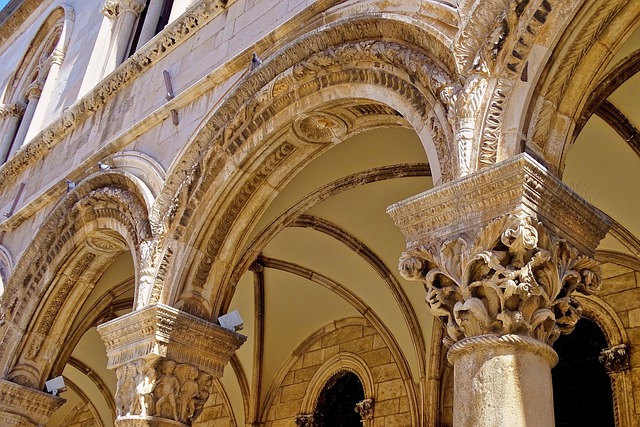
Rector's Palace
In Dubrovnik, Croatia .
More places to visit in Dubrovnik
Discover more attractions and things to do in Dubrovnik.
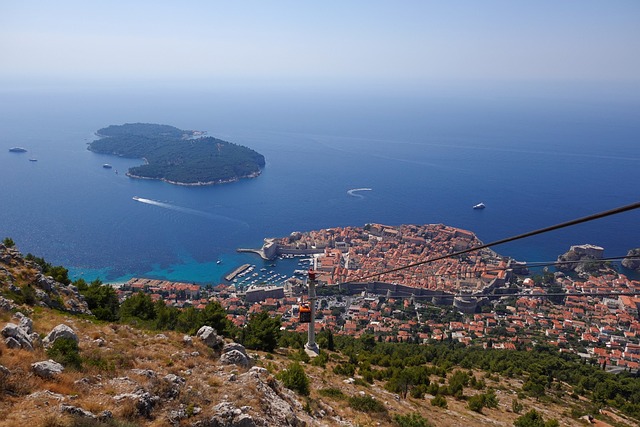
Dubrovnik Cable Car
The Dubrovnik Cable Car offers one of the best ways to experience the city's stunning coastline and views. Taking visitors from the city center to the top of Mount Srd , the cable car ride provides a bird's-eye view of Dubrovnik's iconic red roofs and the shimmering Adriatic Sea . Once at the summit, visitors can explore the Fort Imperial , a historic fortification that now hosts a museum about the Croatian War of Independence . The panoramic terrace also features a restaurant where guests can enjoy local cuisine while taking in the spectacular views. The cable car is an essential experience for those wishing to see Dubrovnik from a different perspective. The 4-minute ascent reaches 405 meters, offering glimpses of neighboring Bosnia and Herzegovina. Sunset rides are timed to coincide with the lowering of the Croatian flag at Fort Imperial. The museum's photo archive includes rare images of Dubrovnik's 1991-92 bombardment.
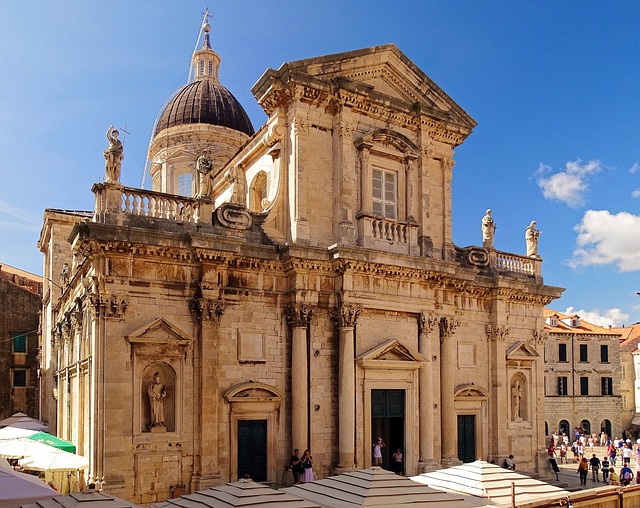
Dubrovnik Cathedral
Dubrovnik Cathedral, also known as the Assumption Cathedral, is an architectural and cultural gem located in the Old Town. The cathedral, built in the Baroque style , stands on the site of several previous churches, including one allegedly funded by England's King Richard the Lionheart . Its interior is adorned with beautiful artworks, including a polyptych by Titian . The cathedral also houses a treasury with an impressive collection of relics and liturgical objects. Its grandeur and historic significance make it a central place of worship and an important attraction for those exploring the rich heritage of Dubrovnik. The treasury's highlight is a fragment of the True Cross , gifted by Byzantine Emperor Constantine VII. A 17th-century organ accompanies choir performances during feast days. Excavations beneath the altar revealed Roman mosaics from the original 7th-century basilica.
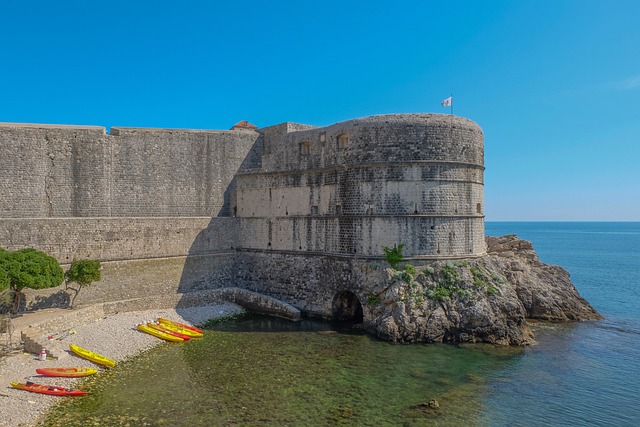
Fort Bokar
Fort Bokar is part of Dubrovnik's impressive city walls, standing as a symbol of the city's defense and resilience. Built in the 15th century , it is one of the oldest preserved forts in Europe and was designed to protect the western entrance to the city. Today, it offers visitors a panoramic view of the Adriatic Sea and the Old Town. The fort's cylindrical structure and thick walls reflect the city's strategic planning. Fort Bokar is also a venue for the Dubrovnik Summer Festival , where its historic setting enhances the performances held there. Visiting Fort Bokar provides a glimpse into the city's past and its commitment to preserving history. The fort's interior houses a small exhibit on medieval artillery, including replica bombards. Its acoustics amplify the sound of crashing waves, creating a natural soundtrack for performances. A moonlight tour reveals bats nesting in the fort's vaulted chambers.
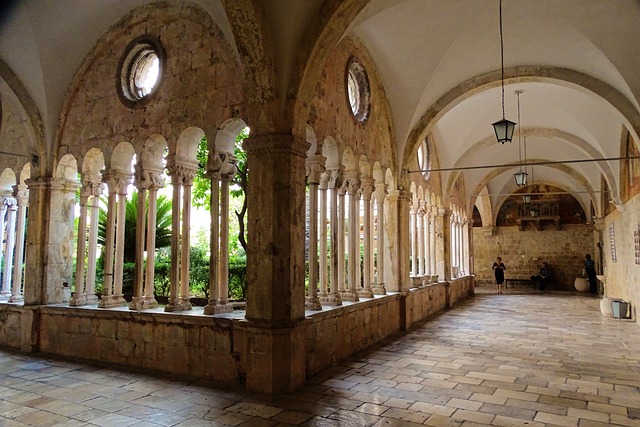
Franciscan Monastery
The Franciscan Monastery in Dubrovnik is a peaceful retreat within the bustling city, known for its historic pharmacy, one of the oldest in Europe. The monastery was established in the 14th century and features a beautiful cloister, adorned with stone columns and gardens that create a tranquil atmosphere. The monastery also houses a museum that showcases relics, ancient manuscripts, and artifacts from Dubrovnik's past. Visitors can explore the pharmacy, which still operates today, offering a glimpse into the city's medical history. The Franciscan Monastery is a serene spot, perfect for reflection and a deeper understanding of Dubrovnik's spiritual heritage. The pharmacy displays medical recipes from 1317, including remedies using rosemary and honey. The cloister's orange trees, planted in 1420, still bear fruit used in local liqueurs. Gregorian chants are performed during Sunday Mass by the resident friars.
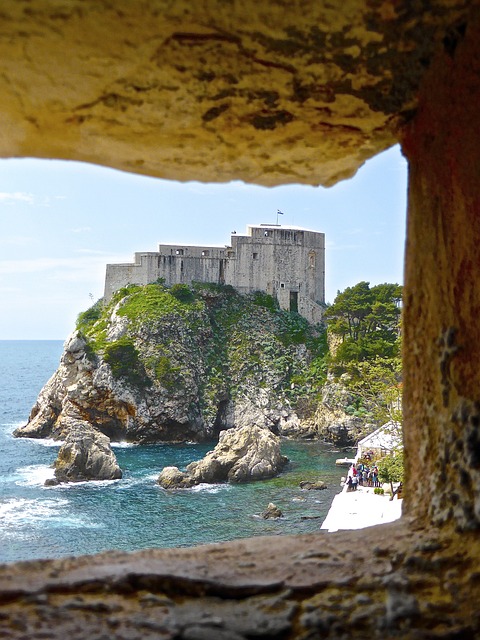
Lovrijenac Fortress
Lovrijenac Fortress, also known as 'Dubrovnik's Gibraltar', is perched on a cliff outside the western walls of the Old Town. Built in the 11th century , the fortress played a key role in defending Dubrovnik against invaders. Today, it offers a spectacular view of the Adriatic Sea and the city's fortifications. The fortress has become a popular venue for theatrical performances, including the renowned Dubrovnik Summer Festival , where Shakespeare's plays are often performed. Its impressive architecture and dramatic location make Lovrijenac Fortress a favorite spot for history enthusiasts and photographers, providing a glimpse into the city's military past and artistic present. The fortress walls are 12 meters thick on the seaward side to withstand cannon fire. A secret well inside provided fresh water during sieges. Visitors can climb to the rooftop terrace for unobstructed views of Lokrum Island.
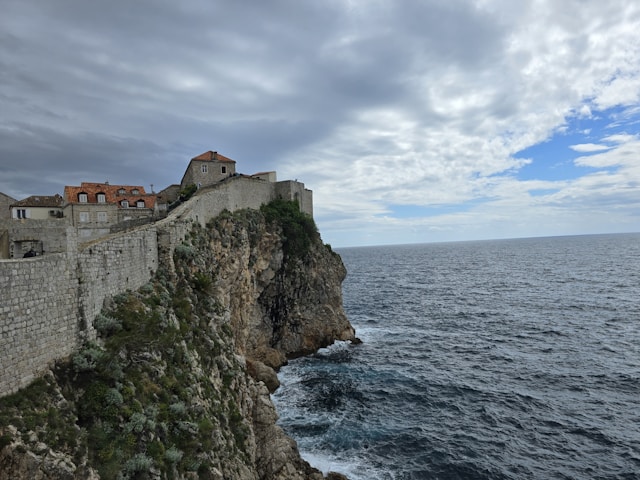
Old Town Walls
The Old Town Walls of Dubrovnik are one of the city's most iconic attractions, providing a stunning view of the Adriatic Sea and the historic city below. Built between the 12th and 17th centuries , these walls stretch nearly two kilometers and feature impressive towers, bastions, and forts . Walking along the walls offers a unique perspective of the city's terracotta rooftops, narrow streets, and medieval architecture . The walls have played a crucial role in protecting Dubrovnik from invaders throughout history and stand today as a symbol of the city's resilience. A tour along the walls is a must for anyone looking to experience Dubrovnik's rich history and breathtaking coastal views. The Minceta Tower , the highest point on the walls, offers a 360-degree panorama of the Elafiti Islands. Sections of the walls were used as filming locations for Game of Thrones' King's Landing. Evening walks reveal the walls illuminated by golden lights, casting a magical glow over the sea.
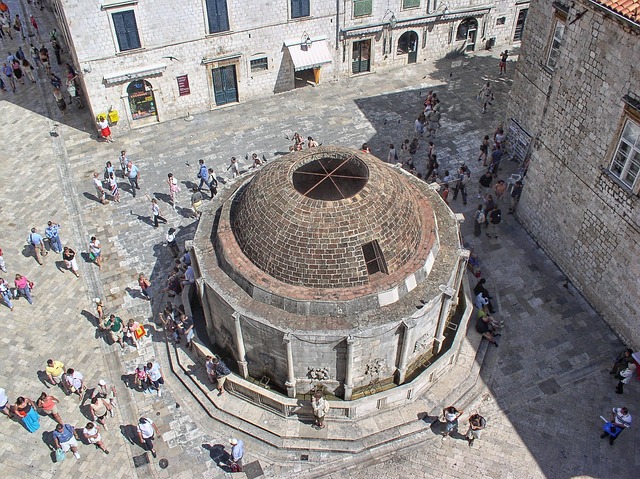
Onofrio's Fountain
Onofrio's Fountain is a well-known landmark located at the entrance of Dubrovnik's Old Town. Built in the 15th century by architect Onofrio della Cava, the fountain was part of the city's water supply system and is an example of Dubrovnik's advanced engineering skills. The fountain's large, circular structure is adorned with carved faces, from which water flows. It remains a gathering spot for visitors and locals alike, offering a refreshing place to rest while exploring the historic streets. Onofrio's Fountain is a reminder of the city's architectural heritage and the ingenuity of its builders in medieval times. The 16 carved faces represent allegories of health and prosperity. The fountain's water, sourced from a spring 12 kilometers away, is still drinkable. During the 1667 earthquake, the fountain was one of the few structures to remain intact.
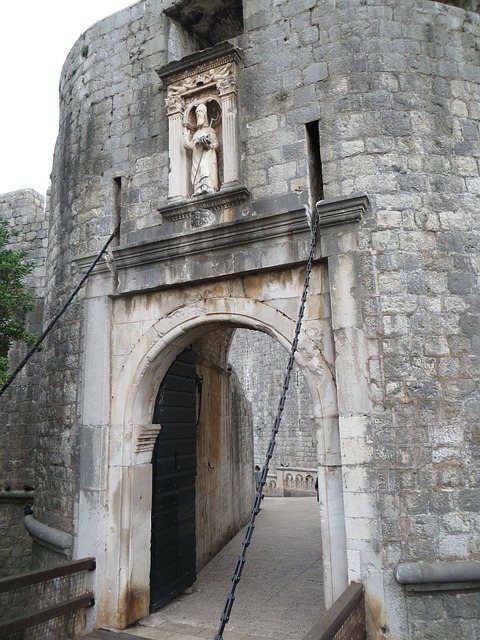
Pile Gate
Pile Gate is the main entrance to Dubrovnik's Old Town and one of the city's most photographed landmarks. Dating back to the 16th century , this grand stone gateway features a wooden drawbridge and statues of Saint Blaise , the city's patron saint. Walking through Pile Gate feels like stepping back in time as it leads visitors into the narrow, cobblestone streets and historic sites of the Old Town. The gate has witnessed centuries of history, serving as a defense point during wartime and a gathering place during festivals and celebrations. Its central location makes it a starting point for exploring Dubrovnik's treasures. The drawbridge mechanism, still functional, is demonstrated during the annual Feast of Saint Blaise . Etchings on the gate's arch commemorate the city's liberation from the 1991 siege. A nightly lantern-lighting ceremony recreates the ambiance of medieval Dubrovnik.
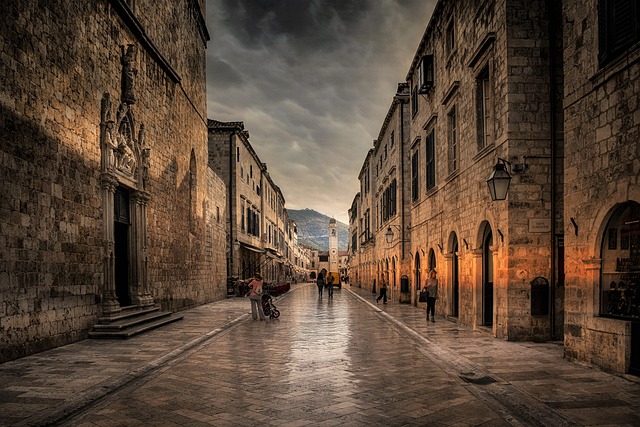
Stradun
Stradun, also known as Placa, is the main street of Dubrovnik's Old Town and a lively hub for both locals and visitors. Paved with polished limestone , this wide pedestrian avenue is lined with historic buildings, shops, and cafes. Stradun is the heart of the city's social life, where people gather to stroll, dine, and enjoy the atmosphere. It stretches from Pile Gate to the Old Port, offering stunning views of Dubrovnik's iconic bell tower and the surrounding architecture. Walking along Stradun provides a perfect opportunity to soak up the city's charm and explore its many side streets and hidden gems. The limestone paving stones, smoothed by centuries of foot traffic, gleam like marble after rain. On New Year's Eve, Stradun transforms into an open-air dance floor with live orchestras. The street's uniformity in design dates to a 1667 earthquake reconstruction law.