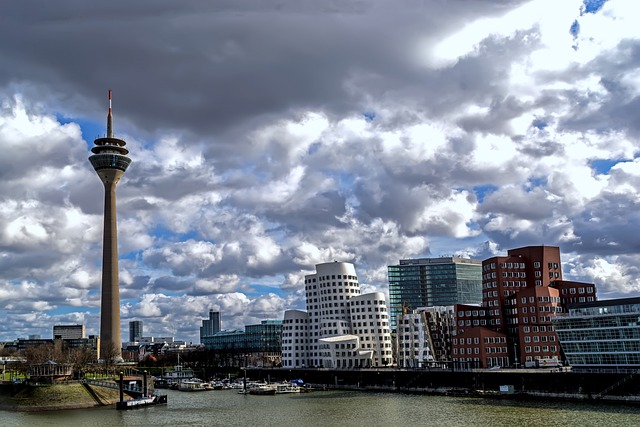
City view of Düsseldorf, Germany

Düsseldorf

Düsseldorf, located on the banks of the Rhine River, is known for its fashion industry and vibrant cultural scene. The city is home to the famous Königsallee, a boulevard lined with high-end boutiques and luxury stores. Düsseldorf's Altstadt, or Old Town, is affectionately called the “longest bar in the world” due to its many pubs and breweries serving the local Altbier. The city hosts numerous art galleries, including the K20 and K21, showcasing modern and contemporary works. Düsseldorf's Rhine embankment promenade offers scenic views and is popular for walks and bike rides. Annual events such as the Düsseldorf Carnival add to the city's lively atmosphere. The city's mix of modern architecture, such as the buildings in the Media Harbor designed by Frank Gehry, and historical landmarks make it a unique travel destination.

Top attractions & things to do in Düsseldorf

If you’re searching for the best things to do in Düsseldorf, this guide brings together the top attractions and must-see places to visit in Düsseldorf. The top picks below highlight the most visited sights for first-time visitors, plus a few local favorites worth adding.

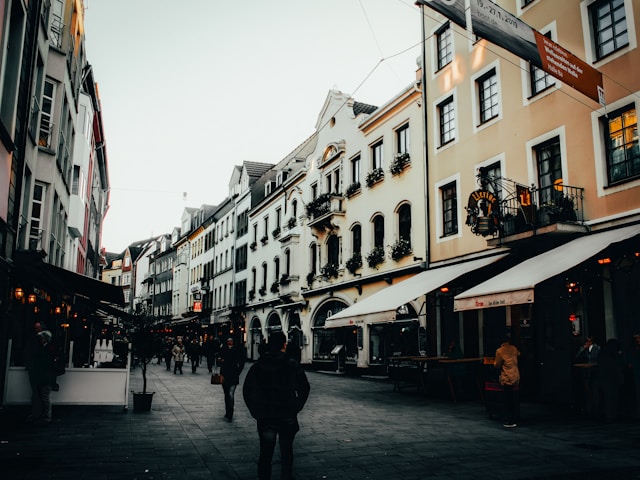
Altstadt in Düsseldorf, Germany

Altstadt

Düsseldorf's Altstadt, or Old Town, is a vibrant historical heart famed for its narrow cobblestone streets and lively atmosphere. Spanning just 0.5 km², this "longest bar in the world" boasts over 300 pubs and breweries serving Altbier, the city's signature top-fermented beer. Landmarks like the St. Lambertus Church (with its twisted spire) and the Renaissance-style Rathaus (town hall) anchor its heritage. Art lovers admire the K20 Kunstsammlung modern art collection, while foodies relish traditional dishes like Rheinischer Sauerbraten. The Schiffchen-Museum showcases local maritime history, and the annual Altstadtfest draws millions with live music and revelry. Riverside walks along the Rhine Promenade offer sunset views, while hidden courtyards reveal artisan workshops. This district masterfully blends Düsseldorf's medieval roots with contemporary nightlife, making it a cultural microcosm.
Ads place
Ads place
Ads place
Ads place
Ads place
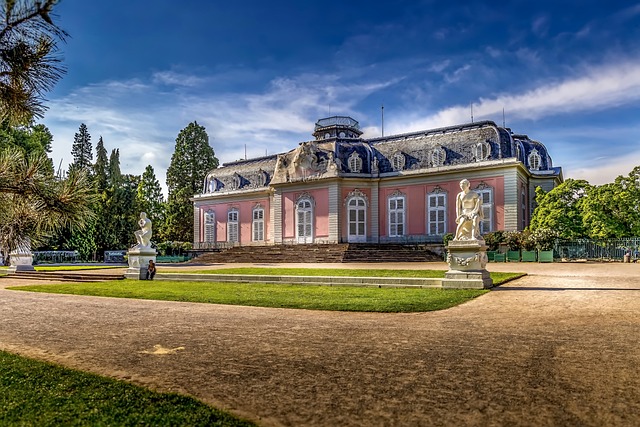
Benrath Palace in Düsseldorf, Germany

Benrath Palace

Benrath Palace, a UNESCO World Heritage Site contender, is an 18th-century Baroque masterpiece built between 1755–1770 for Elector Palatine Charles Theodore. Designed by Nicolas de Pigage, its pink-and-white facade harmonizes with French-style gardens featuring geometric hedges, reflective ponds, and a 60-hectare park. The palace houses the Museum of European Garden Art and the Natural History Museum, showcasing Rococo interiors with hand-painted ceilings. Seasonal highlights include summer concerts in the Orangery and winter ice-skating on the canal. The Corps de Logis central wing reveals aristocratic life through period furniture and porcelain collections. A hidden shell grotto in the gardens adds whimsy. This architectural gem offers a tranquil escape into Düsseldorf's regal past.
Ads place
Ads place
Ads place
Ads place
Ads place
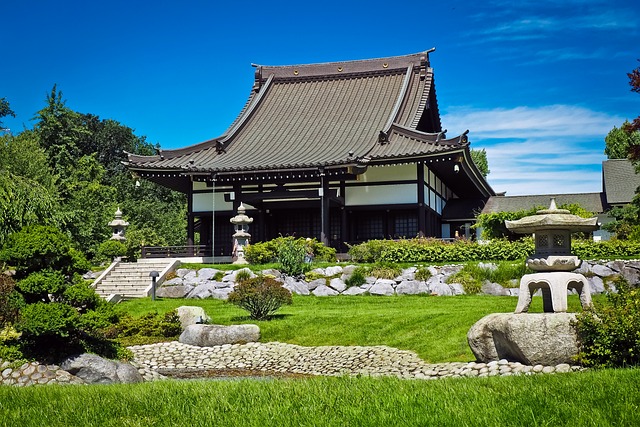
Japanese Garden in Düsseldorf, Germany

Japanese Garden

The Japanese Garden, nestled within Nordpark, is a serene oasis gifted by Düsseldorf's Japanese community in 1975. Designed by Iwaki Ishiguro, it features kare-sansui (dry landscape) zones, koi ponds, and a teahouse hosting traditional tea ceremonies. Cherry blossoms bloom in April, while maple trees blaze red in autumn. Stone lanterns, a wooden Taiko-bashi drum bridge, and a cascading waterfall evoke Kyoto's aesthetics. The garden symbolizes the city's post-war reconciliation with Japan, home to Europe's third-largest Japanese population. Meditative paths pass Zen rock arrangements and bamboo groves. Seasonal events like Hanami (flower viewing) and Ikebana exhibitions celebrate cultural exchange. This meticulously curated space offers a tranquil counterpoint to Düsseldorf's urban bustle.
Ads place
Ads place
Ads place
Ads place
Ads place
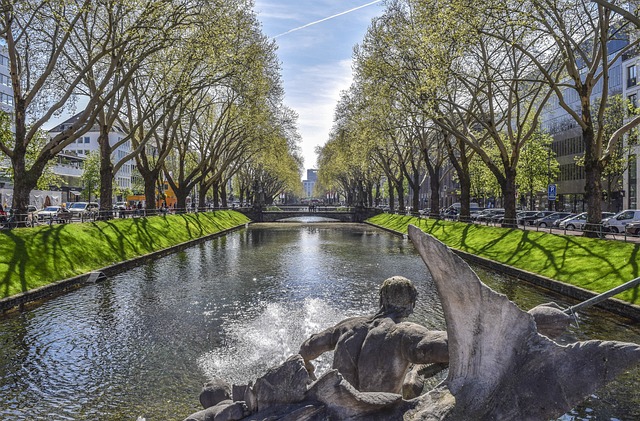
Königsallee in Düsseldorf, Germany

Königsallee

Königsallee, affectionately known as the 'Kö', is Düsseldorf's most famous shopping boulevard and an iconic symbol of luxury and elegance. This tree-lined canal, constructed in 1802, is flanked by high-end boutiques like Gucci and Prada, designer stores, and chic cafés, making it a haven for fashion enthusiasts. The serene waterway running through the center is adorned with ornate bridges and statues, perfect for leisurely strolls or romantic gondola rides. Architectural gems like the Kö-Bogen II complex, with its angular green facade, blend modernity with tradition. Annually, the boulevard hosts glamorous events like the Kö-Lauf marathon. With its blend of historical charm and modern sophistication, Königsallee reflects Düsseldorf's dynamic spirit, attracting both luxury shoppers and architecture admirers. Whether browsing flagship stores or savoring champagne at a waterfront terrace, it epitomizes urban refinement.
Ads place
Ads place
Ads place
Ads place
Ads place
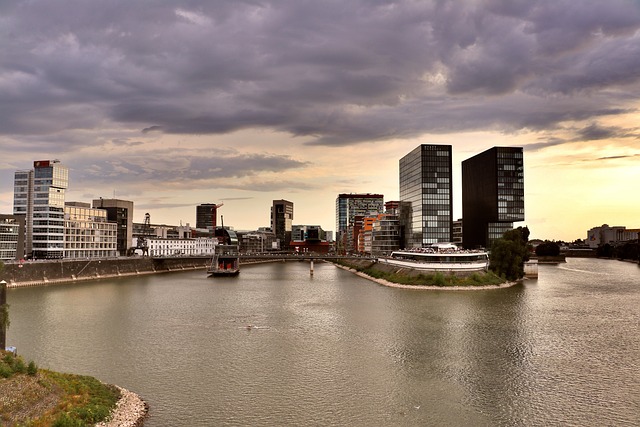
Media Harbour in Düsseldorf, Germany

Media Harbour

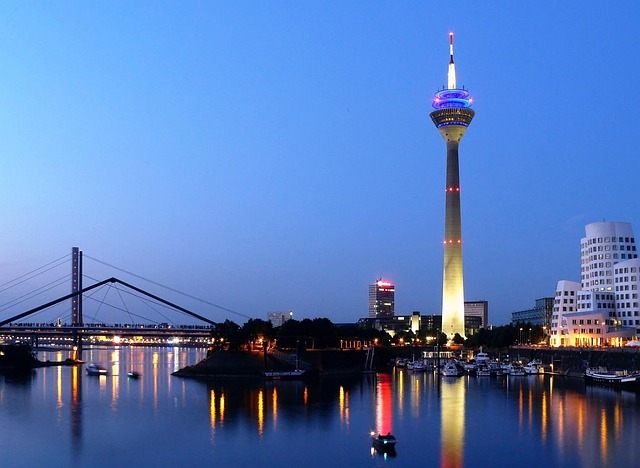
Media Harbour (MedienHafen), once a 19th-century industrial port, is now Düsseldorf's avant-garde district. Architectural icons like Frank Gehry's Neuer Zollhof towers, with their crumpled titanium facades, contrast with preserved warehouse structures. The area houses creative agencies, Michelin-starred restaurants like 'Im Schiffchen', and the NRW Forum for digital culture. The Colorium, a 62-meter glass tower by William Alsop, symbolizes the area's innovation. Art installations like 'The Flying Dutchman' boat sculpture dot the promenade. At night, LED-lit bridges and the Rheinturm reflection create a futuristic skyline. Annual events include the Hafentage open-air festival. Whether photographing deconstructivist architecture or dining at a dockside bistro, Media Harbour embodies Düsseldorf's transformation from industry to creativity.
Ads place
Ads place
Ads place
Ads place
Ads place
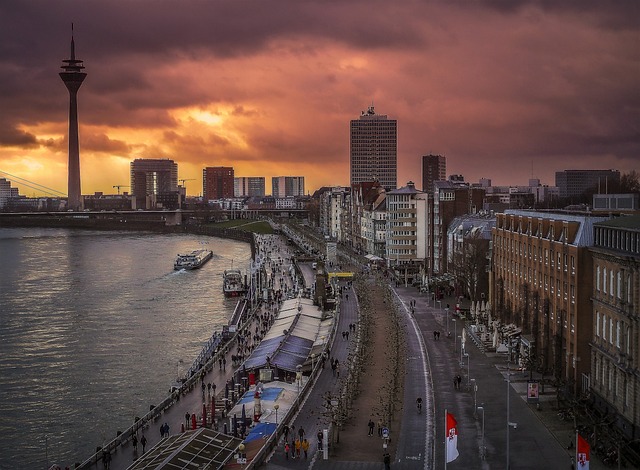
Rhine Promenade in Düsseldorf, Germany

Rhine Promenade

The Rhine Promenade, stretching 1.5 km from the Altstadt to Media Harbour, is Düsseldorf's riverside lifeline. Built in 1997 for the Federal Garden Show, its glass-and-steel design includes wave-shaped seating and floating piers. Locals jog, cycle, or relax at Rheinterrassen café, sipping Altbier with views of passing barges. The promenade hosts the Große Rheinwelle fountain and the '' shopping boulevard's extension. Sunset illuminates landmarks like the Oberkassel Bridge and St. Lambertus. Winter brings the Christmas Market with its ice rink, while summer sees open-air cinema screenings. Nearby, the Schlossturm museum details Rhine navigation history. Blending urban energy with natural beauty, the promenade is a dynamic space for both recreation and cultural immersion.
Ads place
Ads place
Ads place
Ads place
Ads place
Rhine Tower in Düsseldorf, Germany

Rhine Tower

The Rhine Tower (Rheinturm), Düsseldorf's iconic telecommunications tower, stands at 240.5 meters and offers unparalleled 360-degree views of the city and Rhine River. Completed in 1982, its observation deck at 168 meters features interactive displays explaining landmarks like the Media Harbour and Benrath Palace. The tower's revolving restaurant, TOP 180, serves gourmet cuisine while rotating 1.5 times per hour. A unique light sculpture on its shaft displays the time in binary code via 40,000 LEDs. At night, the tower illuminates in colors reflecting weather forecasts or cultural events. Visitors can also explore the Führerbunker, a WWII-era bunker beneath its base. Hosting events like New Year's fireworks, the Rhine Tower is both a technological marvel and a symbol of Düsseldorf's skyline.
Ads place
Ads place
Ads place
Ads place
Ads place
St. Lambertus Church in Düsseldorf, Germany

St. Lambertus Church

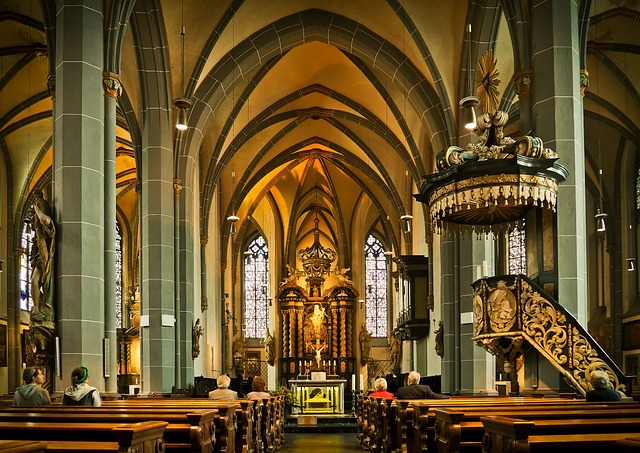
St. Lambertus Church, founded in 1394, is Düsseldorf's oldest surviving building, famed for its twisted spire—a result of 19th-century timber drying. This Gothic-Romanesque hybrid houses the tomb of Duke Wilhelm I and a Byzantine-style Madonna statue. Its stained-glass windows by Jan Thorn Prikker depict biblical scenes, while the baroque high altar glows with gold leaf. The crypt displays medieval relics, including a 13th-century crucifix. During WWII, the church was rebuilt using original bricks salvaged from rubble. Annual highlights include organ concerts on its 1965 Klais organ and the Lambertusmarkt fair. A quiet courtyard with a Calvary Hill sculpture adds contemplative space. This architectural marvel embodies Düsseldorf's resilience and spiritual heritage.
Ads place
Ads place
Ads place
Ads place
Ads place
Ständehaus und Ständehauspark in Düsseldorf, Germany

Ständehaus und Ständehauspark

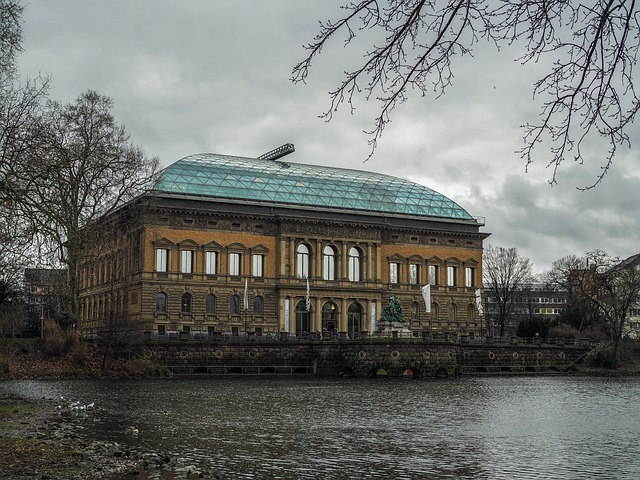
The Ständehaus, a neo-Renaissance parliament building from 1880, now hosts the K21 Kunstsammlung contemporary art museum. Its glass-domed atrium towers 28 meters, showcasing works by Nam June Paik and Thomas Schütte. The adjacent Ständehauspark, redesigned in 2002, features a man-made lake reflecting the skyline, sculpture trails, and a Japanese cherry grove. The park's floating platform hosts summer theater, while the museum's rooftop net installation, "In Orbit" by Tomás Saraceno, lets visitors walk above the treetops. Underground, the Eiskeller (ice cellar) ruins reveal 17th-century history. Blending historic grandeur with cutting-edge art, this complex is a cultural crossroads in Düsseldorf.
Ads place
Ads place
Ads place
Ads place
Ads place
Tonhalle Düsseldorf in Düsseldorf, Germany

Tonhalle Düsseldorf

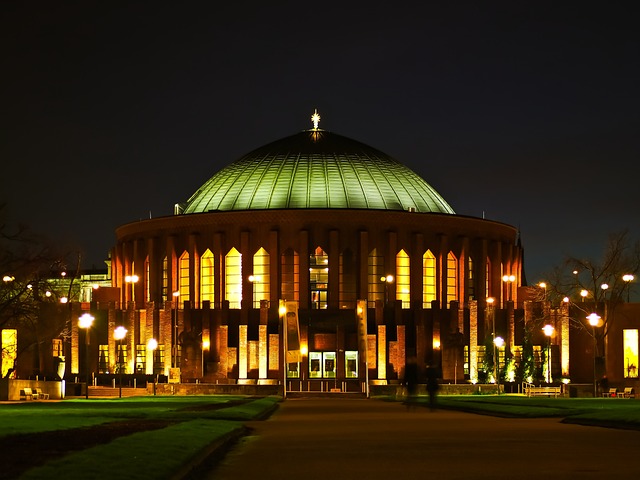
The Tonhalle Düsseldorf, a neo-Baroque concert hall, is housed in a former 1926 planetarium with a striking glass dome. Renovated in 2005, its acoustically perfect interior hosts the Düsseldorfer Symphoniker and global stars like Lang Lang. The dome's starlight projection system creates celestial backdrops for performances. Beneath the hall, the Rheinische Musikschule nurtures young talent. Architectural highlights include a grand Art Deco foyer and a 1,500-pipe organ. Summer transforms the adjacent Ehrenhof square into an open-air stage. The Tonhalle also offers 360-degree VR tours of its history, from Weimar-era astronomy to modern acoustics. Illuminated at night, it's a beacon for Düsseldorf's cultural scene.
Ads place
Ads place
Ads place
Ads place
Ads place