
City view of Esbjerg, Denmark

Esbjerg

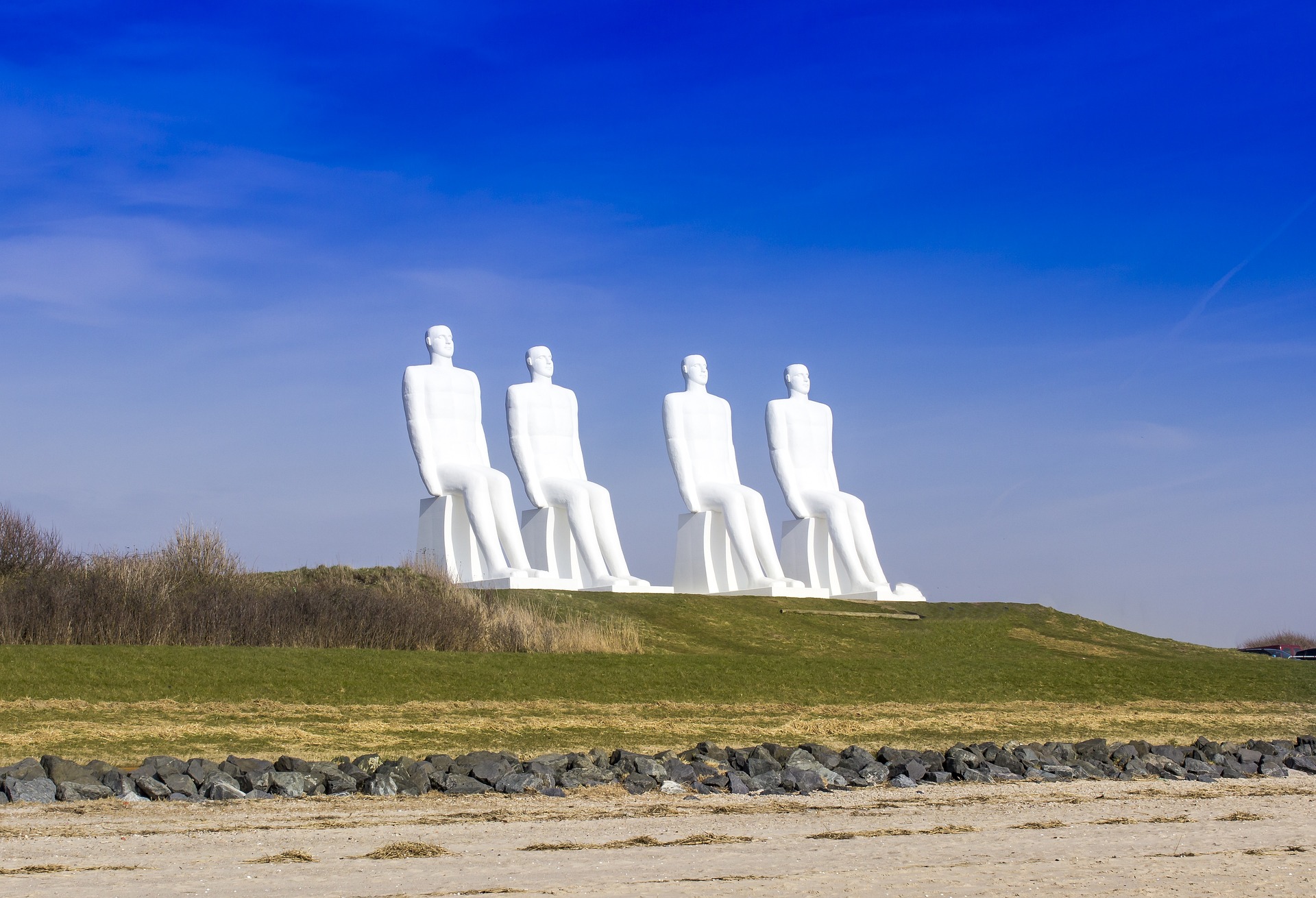
Esbjerg, located on the west coast of Denmark, is known for its maritime heritage and thriving fishing industry. The city is home to the iconic sculpture 'Man Meets the Sea', a monumental set of four white figures overlooking the sea. Esbjerg offers a variety of maritime attractions, including the Fisheries and Maritime Museum, which provides insights into Denmark's coastal history and marine life. The nearby island of Fano, accessible by a short ferry ride, is popular for its sandy beaches and scenic dunes. With its strong connection to the sea and unique attractions, Esbjerg provides a glimpse into Denmark's maritime culture.

Top attractions & things to do in Esbjerg

If you’re searching for the best things to do in Esbjerg, this guide brings together the top attractions and must-see places to visit in Esbjerg. The top picks below highlight the most visited sights for first-time visitors, plus a few local favorites worth adding.

Esbjerg Art Museum in Esbjerg, Denmark

Esbjerg Art Museum

Esbjerg Art Museum champions Danish modernism inside a light-filled, award-winning extension completed in 1997 by architect Jan Søndergaard. Core holdings span breakthrough works from COBRA expressionists to today’s installation artists, with headline pieces by Asger Jorn, Per Kirkeby and Olafur Eliasson. The museum’s experimental “SenseLab” encourages visitors to match colours with musical tones or analyse brush-stroke rhythms through digital microscopes. Rotating exhibitions highlight Nordic photography and feminist abstraction, while the serene sculpture garden pairs Henry Heerup’s granite figures with wildflower meadows buzzing with bees. Family workshops every weekend invite children to build kinetic mobiles from beach plastic collected along Esbjerg’s shore. A minimalist café serves fair-trade coffee beneath a ceiling of suspended LED light rods that echo the harbour’s industrial cranes. By fusing rigorous scholarship with playful multisensory encounters, Esbjerg Art Museum offers a vibrant snapshot of the region’s ever-evolving cultural identity.
Ads place
Ads place
Ads place
Ads place
Ads place
Esbjerg Water Tower in Esbjerg, Denmark

Esbjerg Water Tower

Built in 1897 atop the glacial hill of Nørreskoven, the Esbjerg Water Tower resembles a red-brick neo-Gothic castle keep guarding the harbour below. Its 33-metre shaft once regulated water pressure for the boomtown’s steam-engine factories; today, a spiral staircase of 134 cast-iron steps delivers visitors to a turreted viewing gallery. From here, sweeping vistas encompass the Varde Islands, North Sea wind-farms and the shimmering white forms of Man Meets the Sea. Inside, a permanent exhibition presents 19th-century engineering drawings, antique hydrants and photographs chronicling Esbjerg’s rapid rise after its harbour opened in 1868. Seasonal art installations transform the disused tanks into echoing soundscapes, while twilight concerts feature local jazz trios silhouetted against stained-glass arrow-slits. Just a five-minute stroll from the pedestrian high street, the Water Tower pairs sky-high panoramas with insight into the civic ambition that forged Denmark’s youngest major city.
Ads place
Ads place
Ads place
Ads place
Ads place
Fisheries and Maritime Museum in Esbjerg, Denmark

Fisheries and Maritime Museum

The Fisheries and Maritime Museum has chronicled Denmark’s North Sea heritage since 1968, blending immersive galleries with open-air boat decks set around a functioning sealarium. Indoors, full-scale trawler bridges invite visitors to plot courses on radar, while vintage diving suits illustrate life below the rig. A 500,000-litre salt-water aquarium recreates the Kattegat reef, its swirling shoals patrolled by dogfish and conger eels. Outside, children scramble over the towering skeleton of a 12-metre sperm whale and explore a timber smokehouse where herring once hung in thick oak smoke. Hourly seal-feeding shows reveal training techniques used during scientific health checks. Temporary exhibitions tackle topics from offshore wind-farm technology to climate-driven fish migration. Set beside Man Meets the Sea, the museum offers a hands-on voyage through Esbjerg’s evolution from tiny fishing hamlet to Scandinavia’s largest energy port.
Ads place
Ads place
Ads place
Ads place
Ads place
Man Meets the Sea (Mennesket ved Havet) in Esbjerg, Denmark

Man Meets the Sea (Mennesket ved Havet)

Man Meets the Sea (Mennesket ved Havet) rises along Esbjerg Strand as four monumental 9-metre-tall figures sculpted by Svend Wiig Hansen to mark the port’s centenary in 1995. Cast in gleaming white concrete, the statues sit in silent contemplation where the North Sea meets the Wadden tidal flats, symbolising humankind’s dialogue with untamed nature. Visible to ships ten kilometres offshore, the artwork quickly became Esbjerg’s most recognisable postcard image. Visitors reach the site via a coastal cycle path or the adjacent free car-park, then wander dune-lined trails that frame dramatic silhouette photos at sunset. Interpretive panels explain Hansen’s inspiration, while nearby picnic lawns invite reflection amid wind-blown marram grass. In spring and autumn the surrounding headland is a prime point for observing migrating gannets and eiders skimming the waves. Whether approached by road, ferry or foot, Man Meets the Sea remains a compelling fusion of public art and elemental landscape that no trip to Esbjerg should miss.
Ads place
Ads place
Ads place
Ads place
Ads place
Wadden Sea National Park in Esbjerg, Denmark

Wadden Sea National Park

Wadden Sea National Park extends across 1,466 km² of tidal mud-flats, salt-marshes and shifting sandbanks along Denmark’s south-west coast. Inscribed on the UNESCO World Heritage list in 2014, the park hosts up to 12 million migratory birds each year and supports Denmark’s largest harbour-seal colony. Guided “wattwanderung” walks let visitors stride across the seabed at low tide, discovering lug-worm casts, razor-clam beds and glistening oyster reefs. Boat safaris depart Esbjerg Harbour for Langli sandbar, where grey seals bask on sunny banks. Elevated boardwalks and bird-watch hides at Myrthue and Ribe Østerå protect fragile habitats while offering sweeping panoramas of the ever-changing skyscape. The park’s visitor centre in Vester Vedsted features interactive tide tanks and a café serving freshly baked ‘sort sol’ rye bread. Each September, millions of starlings perform the famous “black-sun” murmuration, turning dusk into a living ballet. A trip to Wadden Sea National Park reveals why this vast intertidal wilderness is dubbed Denmark’s last great wilderness.
Ads place
Ads place
Ads place
Ads place
Ads place