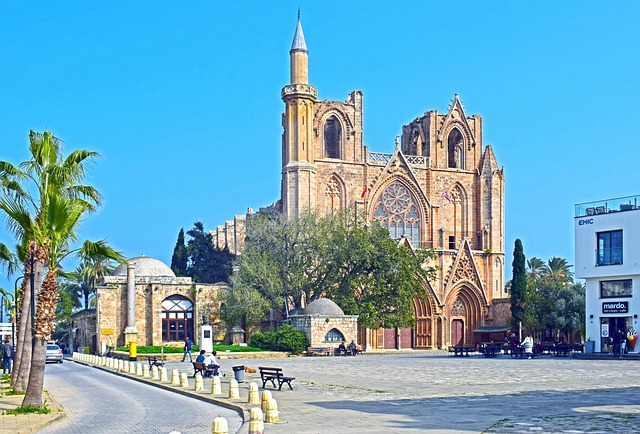

City view of Famagusta, Cyprus

Famagusta

Famagusta is a city with a rich history located in the northeastern part of Cyprus. It was once a prosperous and cosmopolitan city, evident from its impressive medieval architecture. The walled city of Famagusta is home to the Othello Tower and numerous Gothic churches, including the Lala Mustafa Pasha Mosque, a former cathedral. The city offers a unique blend of history, culture, and architecture that tells the story of its vibrant past. Visitors can also explore the nearby ghost town of Varosha, which serves as a reminder of the island's divided status. Famagusta is ideal for history lovers and explorers.

Top attractions & things to do in Famagusta

If you’re searching for the best things to do in Famagusta, this guide brings together the top attractions and must-see places to visit in Famagusta. The top picks below highlight the most visited sights for first-time visitors, plus a few local favorites worth adding.

Famagusta City Walls in Famagusta, Cyprus

Famagusta City Walls

Encircling Famagusta's historic center, the Venetian fortifications stretch over three kilometers of ramparts, bastions, and fortified gates. Constructed in the 15th century, the walls feature imposing defensive towers and cannon embrasures set into thick limestone. The Rivettina Bastion offers sweeping views of Othello's Castle and the glittering Mediterranean beyond. Walking the elevated panoramic paths along crenellated parapets, visitors encounter restored drawbridges and hidden sally ports once used for surprise sorties. Detailed plaques explain the strategic design, blending medieval military engineering with Renaissance enhancements. Archaeological trenches reveal underlying crusader-era foundations beneath the Venetian stonework. During summer evenings, sound-and-light spectacles project dramatic reconstructions of siege warfare onto the walls. Local guides share tales of Ottoman sieges and British-era garrison life. The Famagusta City Walls stand as a testament to the city's strategic importance and enduring resilience.
Ads place
Ads place
Ads place
Ads place
Ads place
Ghost Town of Varosha in Famagusta, Cyprus

Ghost Town of Varosha

Varosha, once Famagusta's glamorous resort district, now stands frozen as an eerie ghost town behind barbed-wire borders. Abandoned in 1974 following the Turkish invasion, its derelict crumbling hotels and empty boulevards are overtaken by overgrown vegetation. For decades access was prohibited, preserving storefronts still stocked with vintage furnishings and shop signs. Recent, tightly controlled reopening phases have allowed limited guided visits, sparking debate over reparations and future redevelopment. Elevated viewing platforms offer a safe vantage for photographers to capture silent façades and rusted vehicles reclaimed by nature. Informational boards chronicle Varosha's heyday as a celebrity playground and its abrupt evacuation. Beneath peeling paint, traces of neon signage and Art Deco tilework hint at a lost era of luxury. Community groups organize evening reflection tours, blending personal testimonies from displaced residents with historical context. Varosha's haunting tableau remains a powerful symbol of Cyprus' division and a solemn reminder of lives interrupted.
Ads place
Ads place
Ads place
Ads place
Ads place
Lala Mustafa Pasha Mosque in Famagusta, Cyprus

Lala Mustafa Pasha Mosque

Lala Mustafa Pasha Mosque, originally the Cathedral of Saint Nicholas, stands as Famagusta's foremost example of Gothic architecture transposed to the Eastern Mediterranean. Built in the 14th century by Venetian builders, its towering pointed arches and ornate window tracery echo French cathedrals, while a slender minaret signals its later Ottoman conversion. Visitors enter through massive wooden doors into a vaulted interior where Christian iconography coexists with Islamic prayer niches. A single palm tree in the forecourt frames the façade against the azure sky, its presence part of local legend. Conservation teams have meticulously restored the original stone buttresses and carved capitals. Less known is the marble floor inlay—an intricate mosaic of Islamic geometries laid over medieval tombstones. Seasonal cultural events and call-to-prayer recitals animate the plaza outside. Interfaith guided tours explore the building's dual heritage, underscoring Cyprus' multicultural legacy. Lala Mustafa Pasha Mosque remains a living monument to religious and architectural fusion.
Ads place
Ads place
Ads place
Ads place
Ads place
Othello's Castle in Famagusta, Cyprus

Othello's Castle

Othello's Castle, also called Othello Tower, crowns the eastern bastion of Famagusta's Lusignan fortress and anchors a key stretch of the medieval walls. Erected in the 14th century, its robust Venetian architecture features soaring bastions, arrow-slit galleries, and thick curtain walls designed to repel attackers. Within, a network of winding staircases leads to ramparts that afford panoramic harbor views and glimpses of distant coastal towers. Explorers can inspect restored garrison quarters, vaulted armories, and a historic cannon platform where live defense demonstrations illustrate period tactics. Literary enthusiasts delight in the Shakespearean lore associating the fortress with the tragedy of Othello, whose name endures here. Beneath the ramparts, an ingenious cistern system once harvested rainwater to sustain defenders under siege. Archaeological digs have uncovered Lusignan pottery shards, Byzantine coins, and Ottoman-era inscriptions. At dusk, guided moonlight tours cast dramatic shadows across stone walls, while interpretive panels recount centuries of sieges and restorations. Carefully conserved by the Department of Antiquities, Othello's Castle remains both a living museum and a testament to Famagusta's layered past.
Ads place
Ads place
Ads place
Ads place
Ads place
Salamis Ruins in Famagusta, Cyprus

Salamis Ruins

The Salamis Ruins unfold along a pine-fringed coastal plain as one of Cyprus's most extensive archaeological sites. Founded circa 1100 BC by Mycenaean settlers, the city thrived under Greek, Roman, and Byzantine rule. Visitors wander a vast Roman amphitheater still used for occasional performances, its stone tiers facing emerald sea vistas. Nearby, a majestic gymnasium complex, public baths, and ornate basilicas display exquisite Byzantine mosaics depicting mythological and Christian scenes. Marble columns line the remnants of temple precincts, and tombs carved into rock offer glimpses of Iron Age burial practices. Interpretive pathways traverse olive groves, connecting excavated harborside quays and crypts where early Christians worshipped. Under pine canopies, audio guides recount daily life in Salamis at its height. Archaeologists continue to unearth Hellenistic pottery shards and Roman coins, hinting at long-lost trade networks. Seasonal light-and-sound shows dramatize the city's rise and fall against the backdrop of crashing waves and rustling pines.
Ads place
Ads place
Ads place
Ads place
Ads place