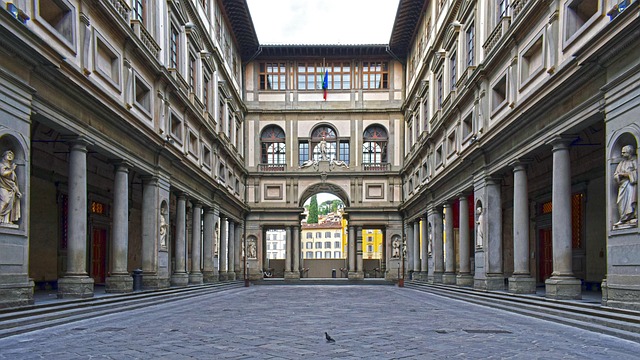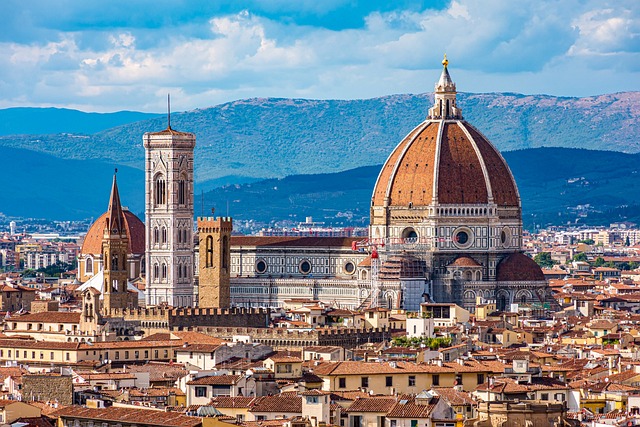
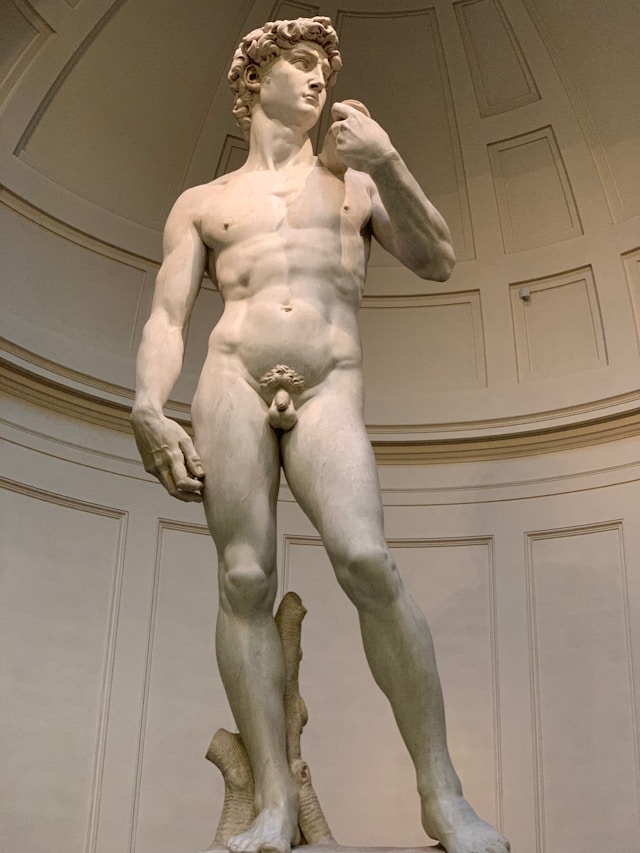
City view of Florence, Italy

Florence

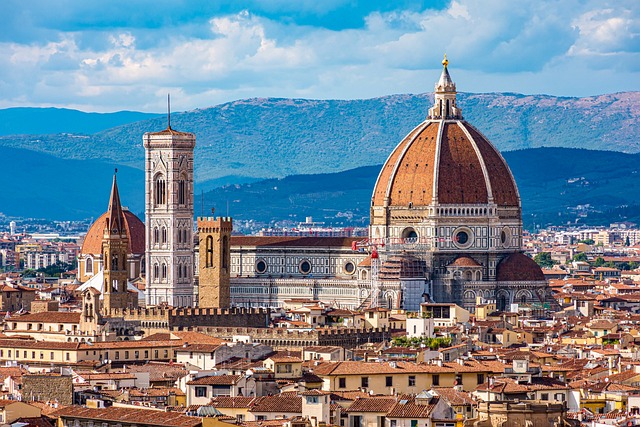
Florence, the birthplace of the Renaissance, is a city that overflows with art, culture, and history. Nestled in the heart of Tuscany, Florence is renowned for its architectural and artistic masterpieces, including the iconic Florence Cathedral with its magnificent dome designed by Brunelleschi. The Uffizi Gallery houses an unparalleled collection of Renaissance art, featuring works by Michelangelo, Leonardo da Vinci, and Botticelli. Visitors can stroll across the Ponte Vecchio, a historic bridge lined with jewelers, or explore the Boboli Gardens for a serene retreat. Florence is also a culinary paradise, offering traditional Tuscan dishes like ribollita and bistecca alla Fiorentina. The city's vibrant piazzas, charming streets, and inspiring museums make it a must-visit destination for art and history enthusiasts.

Top attractions & things to do in Florence

If you’re searching for the best things to do in Florence, this guide brings together the top attractions and must-see places to visit in Florence. The top picks below highlight the most visited sights for first-time visitors, plus a few local favorites worth adding.

Ads place
Ads place
Ads place
Ads place
Ads place
Bargello Museum in Florence, Italy

Bargello Museum

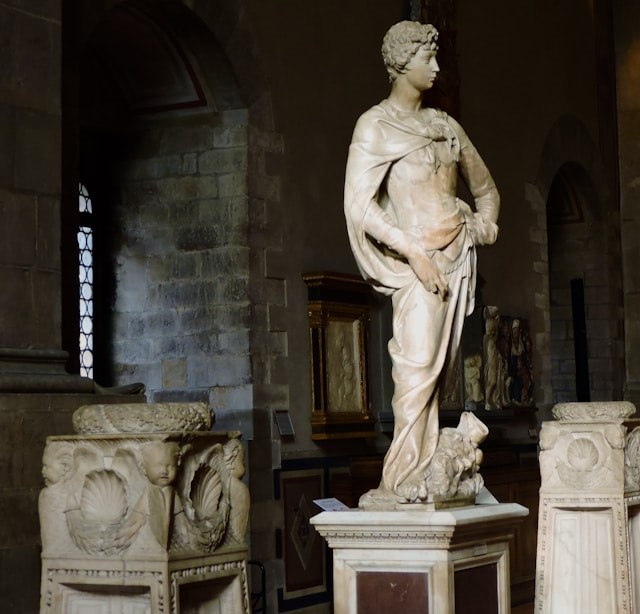
The Bargello Museum, housed in a historic 13th-century palace, is a treasure trove of Renaissance sculpture. Once a prison and a courthouse, the building now serves as one of Florence's most important museums. Its collection includes masterpieces by Michelangelo, Donatello, and Verrocchio. Highlights include Donatello's bronze David, a groundbreaking work in Renaissance art, and Michelangelo's Bacchus, which vividly captures the spirit of ancient mythology. The museum also features an extensive collection of decorative arts, including intricate ceramics, textiles, and weaponry. The courtyard and the grand hall, with their Gothic architecture, provide a fitting backdrop to the museum's exhibits. Visiting the Bargello Museum is an enriching experience that unveils Florence's deep connection to sculpture and the decorative arts.
Ads place
Ads place
Ads place
Ads place
Ads place
Cathedral of Santa Maria del Fiore in Florence, Italy

Cathedral of Santa Maria del Fiore

The Cathedral of Santa Maria del Fiore, commonly known as the Florence Cathedral or the Duomo, is an iconic symbol of Florence, Italy. Its massive dome, designed by Filippo Brunelleschi, dominates the city's skyline and is a masterpiece of Renaissance architecture. Construction of the cathedral began in 1296 under architect Arnolfo di Cambio, and it was consecrated in 1436. The cathedral's exterior is clad in exquisite green, pink, and white marble, making it one of the most visually striking buildings in the world. Inside, the cathedral boasts vast spaces adorned with frescoes, including Giorgio Vasari's 'Last Judgment,' which covers the interior of the dome. Visitors can climb 463 steps to reach the dome's summit, offering breathtaking panoramic views of Florence and the surrounding Tuscan countryside. The cathedral complex also includes the Baptistery of St. John and Giotto's Campanile, which are marvels in their own right. A visit to the Florence Cathedral provides not only a glimpse into the grandeur of Renaissance art and architecture but also an immersive historical experience of Florence's cultural and religious heritage.
Ads place
Ads place
Ads place
Ads place
Ads place
Palazzo Vecchio in Florence, Italy

Palazzo Vecchio

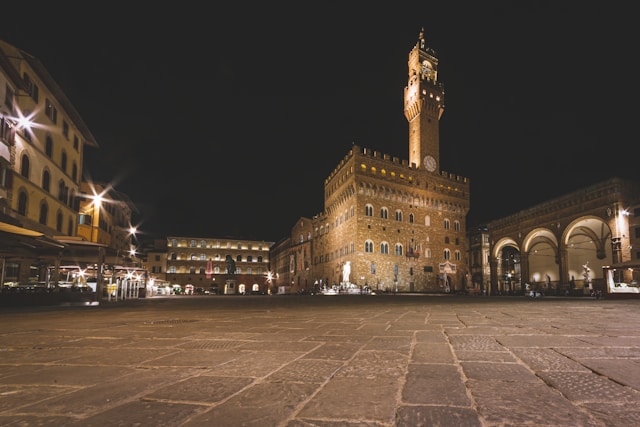
Palazzo Vecchio, the towering town hall of Florence, is a symbol of the city's political and cultural history. Built in the late 13th century, its fortified structure reflects the turbulent times of medieval Florence. The building's iconic tower, Torre di Arnolfo, offers breathtaking views of the city. Inside, visitors can explore the opulent Salone dei Cinquecento, adorned with massive frescoes depicting Florence's military victories. The palace is also home to works by Michelangelo, Vasari, and Donatello, showcasing the artistic mastery of the Renaissance period. The intricate private rooms, such as the Studiolo of Francesco I, reveal the Medici family's refined taste and intellectual pursuits. Palazzo Vecchio stands as a testament to Florence's enduring legacy as a cradle of art and governance.
Ads place
Ads place
Ads place
Ads place
Ads place
Piazza della Repubblica in Florence, Italy

Piazza della Repubblica

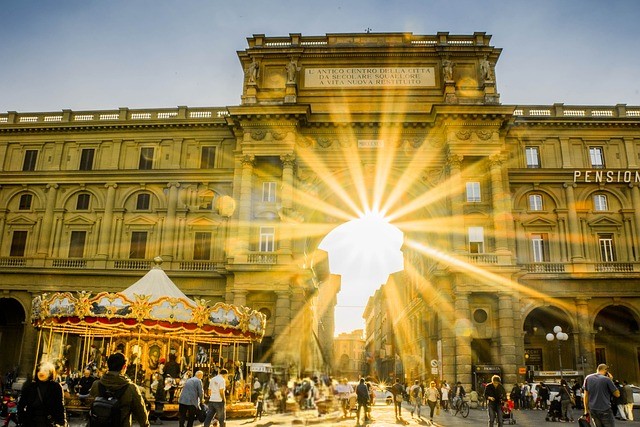
Piazza della Repubblica is a vibrant and historic square in the heart of Florence, known for its elegant arcades and lively atmosphere. Once the site of the ancient Roman forum, this square has transformed over centuries to become a hub of culture, commerce, and social interaction. Dominated by the grand Arch of Triumph, built during the 19th-century urban renewal of Florence, the piazza exudes a sense of modernity mixed with deep historical roots. Surrounding the square, visitors can find a variety of charming cafes, including the iconic Caffè Gilli and Caffè Paszkowski, both popular meeting spots for locals and tourists alike. Street performers and musicians often fill the square with energy, making it an inviting space for leisurely strolls and relaxation. Piazza della Repubblica is not just a physical space but a reflection of Florence's enduring spirit, bridging its ancient past with a dynamic present.
Ads place
Ads place
Ads place
Ads place
Ads place
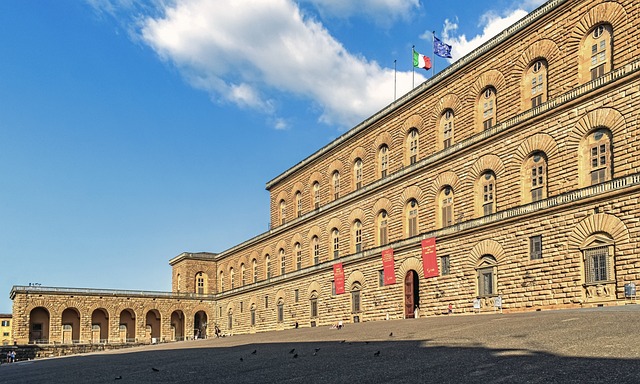
Pitti Palace in Florence, Italy

Pitti Palace

The Pitti Palace, or Palazzo Pitti, is a majestic symbol of Florence's Renaissance grandeur. Originally built in the 15th century for the Pitti family, the palace was later acquired by the Medici family and became their primary residence. It now houses a series of museums, each offering a unique perspective on art, history, and culture. The Palatine Gallery is particularly famous, featuring works by Raphael, Titian, and Rubens, while the Royal Apartments provide a glimpse into the opulent lifestyle of Florence's ruling elite. The palace is also home to the Gallery of Modern Art and the Treasury of the Grand Dukes, which showcases intricate jewelry and decorative arts. The Boboli Gardens, located behind the palace, are an expansive outdoor space filled with fountains, sculptures, and manicured lawns, offering breathtaking views of Florence. A visit to the Pitti Palace is a journey into the heart of Florentine history and artistic achievement.
Ads place
Ads place
Ads place
Ads place
Ads place
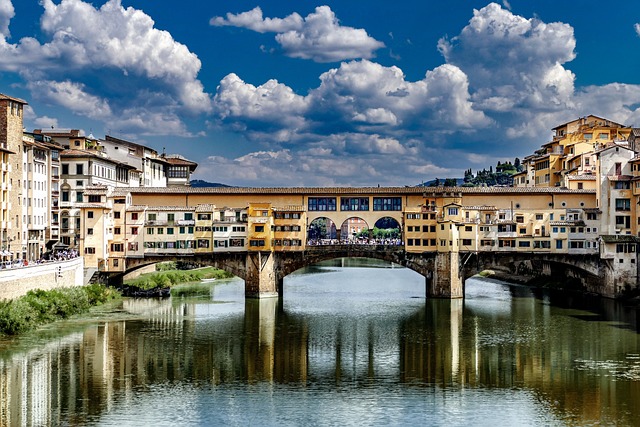
Ponte Vecchio in Florence, Italy

Ponte Vecchio

The Ponte Vecchio is one of Florence's most iconic landmarks and a symbol of the city's rich history and culture. Spanning the Arno River, this medieval stone bridge is famous for its unique design, featuring shops built along its length. Originally home to butchers and tanners, the shops on the Ponte Vecchio were later replaced by jewelers and goldsmiths by decree of the Medici family. Today, the bridge remains a bustling hub of commerce, with glittering displays of fine jewelry and art. The Ponte Vecchio also has a romantic and historic charm, enhanced by its arches and the Vasari Corridor, a passageway that links the Uffizi Gallery to the Pitti Palace above the shops. At night, the bridge is beautifully illuminated, offering a magical view of the river and the cityscape. A stroll across the Ponte Vecchio provides an unforgettable experience, blending the essence of Florence's medieval past with its vibrant present.
Ads place
Ads place
Ads place
Ads place
Ads place
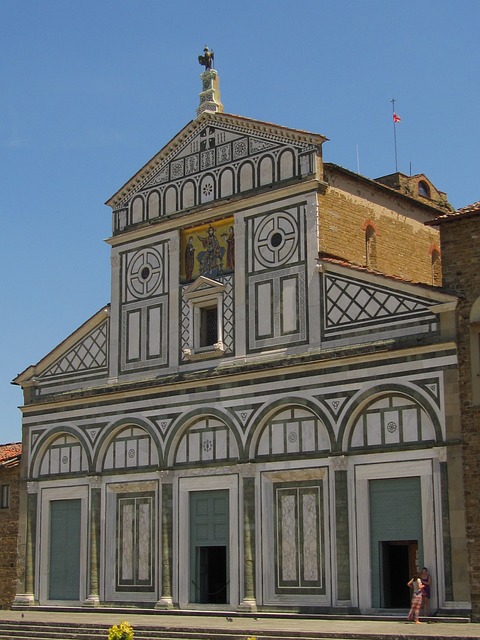
San Miniato al Monte in Florence, Italy

San Miniato al Monte

San Miniato al Monte is one of Florence's most beautiful churches and a prime example of Romanesque architecture. Perched on a hill overlooking the city, the basilica offers stunning panoramic views of Florence. Built in the 11th century, its facade is a harmonious blend of green and white marble, featuring intricate geometric designs. Inside, the church is adorned with a richly decorated apse, medieval frescoes, and an exquisite mosaic of Christ Pantocrator. The crypt, a serene space, holds the remains of Saint Minias, the church's patron. The adjoining cemetery, known as the Porte Sante, is the final resting place of many prominent Florentines. A visit to San Miniato al Monte is both a spiritual and visual feast, providing insight into Florence's early architectural splendor.
Ads place
Ads place
Ads place
Ads place
Ads place
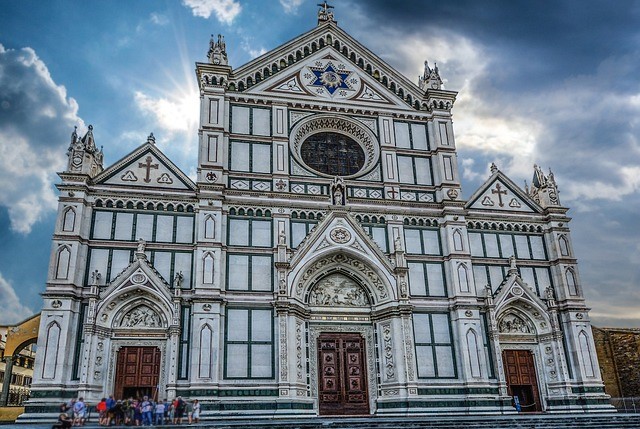
Santa Croce Basilica in Florence, Italy

Santa Croce Basilica

The Basilica of Santa Croce is one of Florence's most significant religious and cultural landmarks. Known as the Temple of the Italian Glories, it is the burial site of prominent figures such as Michelangelo, Galileo, Machiavelli, and Rossini. The church's facade, made of green and white marble, is a striking example of Gothic Revival architecture. Inside, the basilica is adorned with beautiful frescoes by Giotto and his followers, narrating biblical stories with vivid colors and intricate detail. The Pazzi Chapel, designed by Filippo Brunelleschi, is a masterpiece of Renaissance architecture. In addition to its religious significance, Santa Croce serves as a cultural hub with its museum, which houses artworks and artifacts related to Florence's rich history. A visit to the basilica offers a profound connection to the city's spiritual and artistic heritage.
Ads place
Ads place
Ads place
Ads place
Ads place
Ads place
Ads place
Ads place
Ads place
Ads place