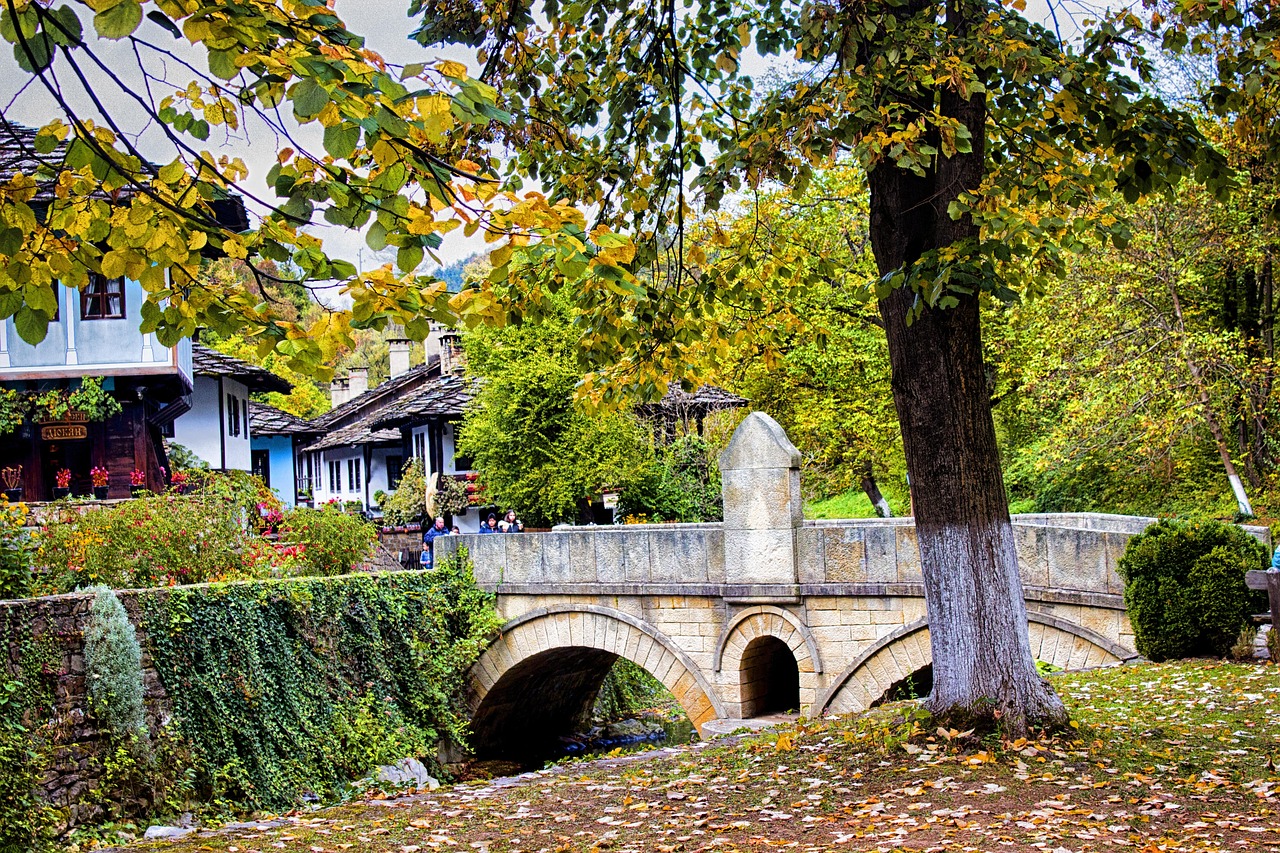

City view of Gabrovo, Bulgaria

Gabrovo

Gabrovo is known as the 'Humor Capital of Bulgaria' due to its unique sense of humor and long-standing traditions of craftsmanship. The town is home to the House of Humour and Satire, a museum dedicated to humor, irony, and satire, with exhibits from around the world. Gabrovo is also known for its traditional crafts and is the gateway to the nearby Etar Architectural-Ethnographic Complex, an open-air museum showcasing Bulgarian craft traditions. The town is located in the Balkan Mountains, offering easy access to hiking trails and natural beauty. Gabrovo's unique charm and cultural attractions make it a fascinating destination.

Top attractions & things to do in Gabrovo

If you’re searching for the best things to do in Gabrovo, this guide brings together the top attractions and must-see places to visit in Gabrovo. The top picks below highlight the most visited sights for first-time visitors, plus a few local favorites worth adding.

Buzludzha Monument in Gabrovo, Bulgaria

Buzludzha Monument

The Buzludzha Monument, located on Buzludzha Peak, is one of Bulgaria's most iconic and controversial landmarks. Constructed in the 1970s as a tribute to the Bulgarian Communist Party, the structure has since been abandoned, but it continues to draw visitors for its striking, futuristic architecture. Shaped like a flying saucer, the monument offers a panoramic view of the surrounding mountains. Though the interior has fallen into disrepair, remnants of murals and mosaics depicting communist ideals can still be seen. The monument stands as a powerful symbol of Bulgaria's complex political past, and its eerie, desolate atmosphere attracts history buffs and adventurers alike. Recent stabilization efforts aim to preserve the mosaic portraits of Marx, Lenin, and Bulgarian socialist leaders. Urban explorers often brave the crumbling structure to photograph its haunting Stalinist-era artwork. The site was the backdrop for the 1891 founding congress of Bulgaria’s socialist movement, adding layers to its historical significance.
Ads place
Ads place
Ads place
Ads place
Ads place
Etar Architectural-Ethnographic Complex in Gabrovo, Bulgaria

Etar Architectural-Ethnographic Complex

Etar Architectural-Ethnographic Complex is an open-air museum located near Gabrovo, showcasing traditional Bulgarian craftsmanship, culture, and architecture from the 18th and 19th centuries. The complex is a replica of a typical Bulgarian village, complete with cobbled streets, water-powered workshops, and authentic homes. Visitors can observe craftsmen creating pottery, weaving, blacksmithing, and woodcarving, using techniques passed down through generations. The water-powered mills and workshops are a unique feature of Etar, demonstrating traditional manufacturing processes. The museum offers an immersive experience into the lifestyle and traditions of Bulgarian people from the past, making it a popular attraction for tourists and history enthusiasts alike. The Annual Crafts Fair in September brings artisans from across Bulgaria to demonstrate forgotten skills like bell-making and wool felting. A restored 19th-century inn within the complex serves traditional dishes like *kachamak* (cornmeal porridge) cooked over open fires. The nearby river powers a fully functional wooden clock tower, one of only two surviving in Europe.
Ads place
Ads place
Ads place
Ads place
Ads place
House of Humour and Satire in Gabrovo, Bulgaria

House of Humour and Satire

The House of Humour and Satire in Gabrovo is a unique cultural institution dedicated to the art of humor in all its forms. This museum houses an impressive collection of satirical artworks, cartoons, sculptures, and paintings from around the world. The exhibitions highlight the importance of humor in everyday life, using satire to comment on social, political, and cultural issues. Gabrovo, known as the "Capital of Humour", hosts this museum as a celebration of its witty spirit and long-standing tradition of comedy. The House of Humour and Satire is a must-visit for those who enjoy a playful take on serious matters and wish to explore the lighter side of art. The International Biennial of Humour attracts comedians and artists globally, with exhibits poking fun at modern absurdities. A permanent display features Gabrovo’s legendary frugality, including a "half-cut" coin symbolizing the town’s thriftiness. Interactive exhibits let visitors create their own satirical cartoons using digital tablets.
Ads place
Ads place
Ads place
Ads place
Ads place
Interactive Museum of Industry in Gabrovo, Bulgaria

Interactive Museum of Industry

The Interactive Museum of Industry in Gabrovo is a modern, educational museum that showcases the town's rich industrial history. Gabrovo was once known as the "Bulgarian Manchester" due to its thriving textile and machine industries during the 19th and 20th centuries. The museum uses interactive displays, multimedia installations, and virtual exhibits to take visitors on a journey through the development of Gabrovo's industry. Visitors can learn about key historical figures, technological advancements, and how the town became a hub of innovation in Bulgaria. The museum offers an engaging experience for both adults and children, making it a popular destination for families and history enthusiasts. A working replica of Bulgaria’s first hydroelectric generator powers part of the exhibit. The "Inventors’ Corner" lets children assemble miniature models of vintage Gabrovo machinery. Rare blueprints from the 1920s reveal how local factories pioneered assembly-line production in the Balkans.
Ads place
Ads place
Ads place
Ads place
Ads place
Shipka Memorial Church in Gabrovo, Bulgaria

Shipka Memorial Church

Shipka Memorial Church, also known as the Church of the Nativity, is a magnificent Bulgarian Orthodox church located near Gabrovo. Built between 1885 and 1902, it serves as a tribute to the Russian and Bulgarian soldiers who fought and died during the Russo-Turkish War of 1877-1878. The church features striking golden domes and intricate frescoes, which reflect a blend of Russian and Bulgarian architectural styles. Its peaceful location in the Balkan Mountains adds to the spiritual atmosphere of the site. Visitors are drawn to the church not only for its beauty but also for the crypt housing the remains of fallen soldiers. The bell tower contains 17 bells cast from melted-down cannon shells used in the war. Every August, a solemn procession reenacts the carrying of supplies to freedom fighters during the war. The church’s iconostasis, gilded with 24-karat gold, took master craftsmen over a decade to complete.
Ads place
Ads place
Ads place
Ads place
Ads place