
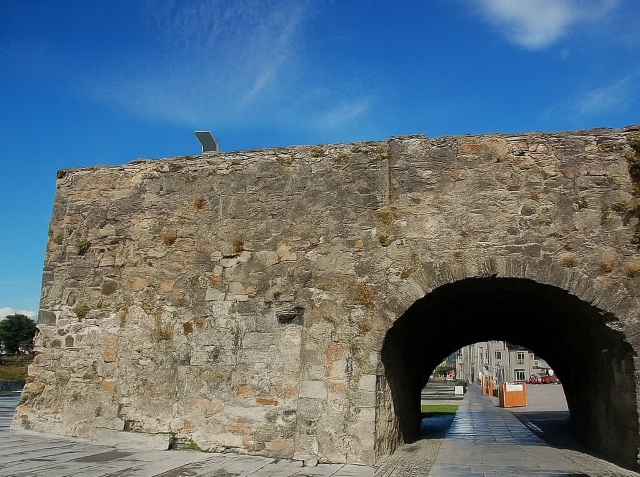
Spanish Arch
In Galway, Ireland .
More places to visit in Galway
Discover more attractions and things to do in Galway.
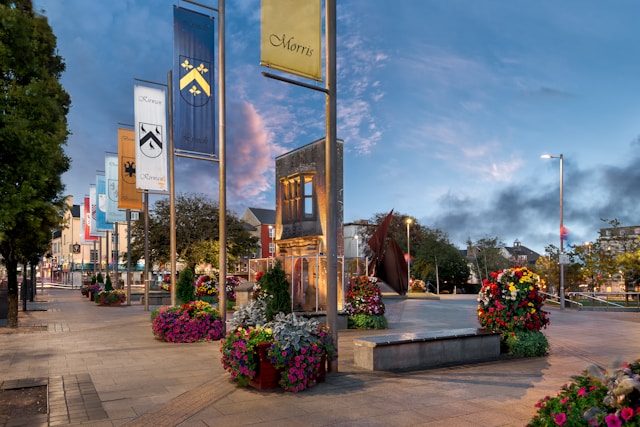
Eyre Square
Eyre Square, officially known as John F. Kennedy Memorial Park , is Galway’s beating heart and a gathering place for locals and visitors alike. Redesigned in 2006 , the square is adorned with modern sculptures , historical plaques, and remnants of the city’s old walls. The prominent Browne Doorway, dating back to the 17th century , is a centerpiece that connects present-day Galway with its merchant past. Less known is that President Kennedy delivered a famous speech here during his 1963 visit, an event still commemorated by locals. Seasonal festivals, parades, and markets transform Eyre Square into a hub of color and culture throughout the year. Its proximity to bustling shopping streets and lively pubs makes it the ideal starting point for exploring the city. On summer evenings, musicians and performers fill the park with traditional Irish sounds, creating an unforgettable atmosphere.
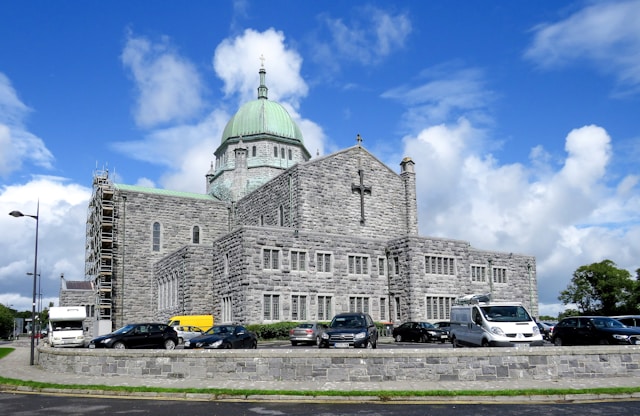
Galway Cathedral
Towering over the River Corrib, Galway Cathedral was completed in 1965 and is celebrated for its blend of Renaissance , Gothic , and Romanesque architectural elements. Built on the site of a former jail, the cathedral features an immense octagonal dome , elaborate mosaics, and stunning stained-glass windows crafted by renowned Irish artists. Its vast interior is often filled with the sound of the cathedral’s grand pipe organ during regular concerts. Less known is the story of the Claddagh stones incorporated into the structure, symbolizing a bridge between Galway’s ancient fishing community and its spiritual life. The cathedral’s riverside location makes it a favorite stop for both pilgrims and photographers. Each year, it hosts special cultural events and choral festivals that echo through its impressive nave, drawing people from across Ireland and beyond. Its peaceful gardens offer a tranquil retreat amidst the city’s lively rhythm.
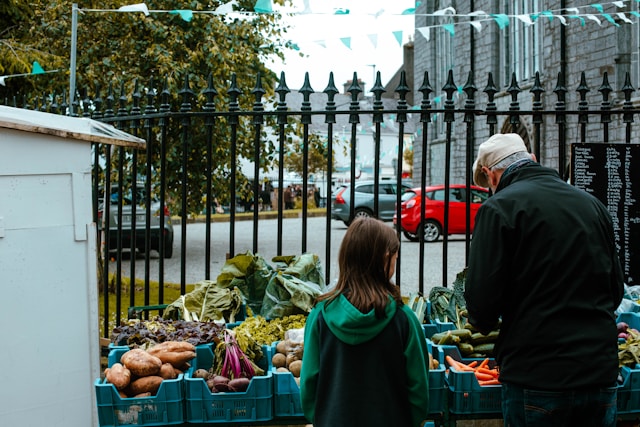
Galway Market
Nestled beside St. Nicholas’ Church, Galway Market is a sensory feast for locals and travelers in search of artisan foods , crafts, and street performance. Open since the 18th century , the market is best known for its organic produce , gourmet cheeses, freshly baked goods, and an array of international street food. The lively Saturday market draws artists, jewelry makers, and traditional musicians, creating a festival-like atmosphere every weekend. Less known are the stories behind long-standing family stalls that have served generations of Galwegians. Special seasonal markets at Christmas and during city festivals add extra excitement and rare finds. The market’s narrow laneways offer hidden gems and spontaneous musical performances, making every visit unique. Galway Market’s lively character and deep-rooted tradition are a highlight of the city’s daily life.
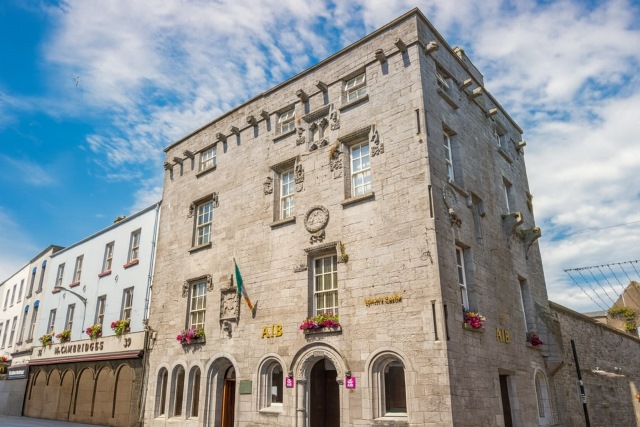
Lynch's Castle
Lynch's Castle is Galway's finest surviving example of a medieval town house , built by the powerful Lynch family in the 15th century . The building’s carved stone façade , ornate windows, and decorative coats of arms reflect the wealth and influence of Galway’s merchant elite. Today, the castle houses a bank, but visitors are welcome to explore its historic ground floor, where exhibits reveal stories of civic power and intrigue. Less known is the legend of Mayor James Lynch, said to have executed his own son for murder, giving rise to the word "lynching." The castle’s stone carvings also display rare examples of medieval heraldry unique to Galway. Lynch’s Castle stands as a remarkable bridge between commerce, history, and myth in the heart of the city. Its central location on Shop Street makes it a key stop on any heritage walk.
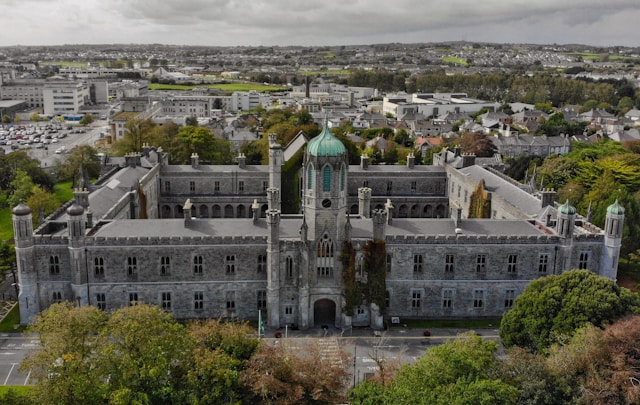
National University of Ireland Galway
Founded in 1845 , the National University of Ireland Galway (NUI Galway) is a beacon of learning and innovation. The university’s Quadrangle , built in classic Tudor Gothic style, anchors a vibrant campus that merges historic charm with modern research centers. Notable alumni include leaders in science, literature, and politics who have left a mark on Ireland and beyond. Less known is the university’s strong tradition in Irish language and culture studies, with annual festivals and conferences that attract international scholars. The campus is set along the River Corrib and is renowned for its lush gardens and riverside walks. Visitors are welcome to attend public lectures, art exhibitions, and theatrical performances. NUI Galway’s commitment to sustainability has led to several green campus awards, highlighting its modern role in shaping Galway’s future. The lively student quarter also energizes the city’s nightlife.
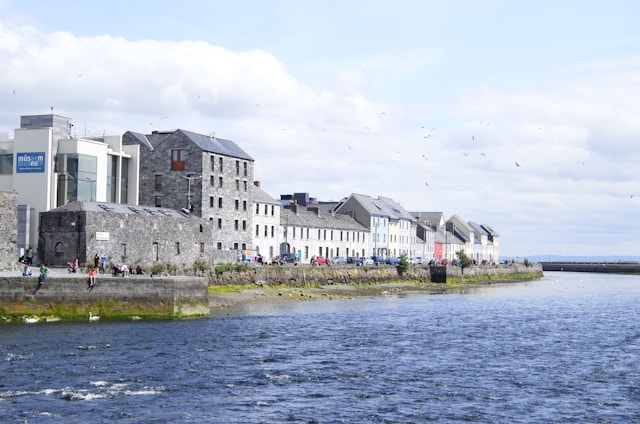
Salthill Promenade
Stretching for over two kilometers along Galway Bay, Salthill Promenade is famed for its panoramic views of the Aran Islands and the distant Connemara Mountains . Locals and visitors alike follow the tradition of "kicking the wall" at the end of the walk—a quirky ritual believed to bring good luck. The promenade is lined with Victorian-era bathing shelters , public art installations, and bustling cafés. Less known is that Salthill was once home to a grand amusement park that drew thousands each summer during the mid-20th century. Today, the area is popular for open-water swimming, sailing, and vibrant sunset gatherings. The Prom’s sea breezes and lively atmosphere embody Galway’s spirit of relaxation and celebration. Dolphins are occasionally spotted just offshore, adding a touch of magic to this favorite coastal stroll.
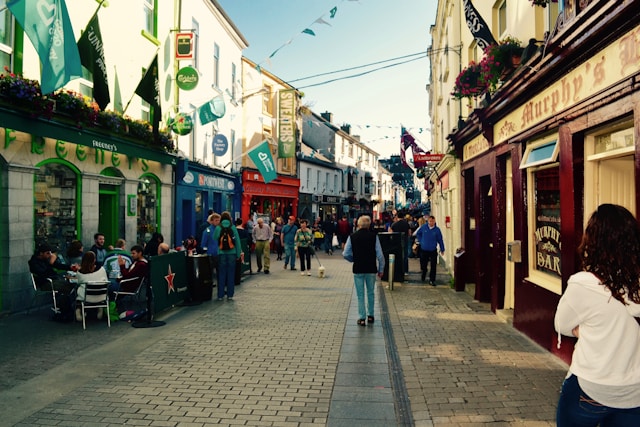
Shop Street
Shop Street is Galway’s bustling retail and entertainment artery, where history meets contemporary city life. Lined with medieval buildings , colorful shopfronts, and cobblestone lanes , it is renowned for its street performers, artisan boutiques, and inviting cafés. Among the highlights are Lynch’s Castle and several centuries-old pubs where traditional Irish music is played nightly. Less known is the tradition of busking licenses —Galway is one of the few cities in Ireland to officially regulate and encourage street performance. Festivals and parades frequently fill the street with music, color, and dance. Shop Street’s vibrant energy is a key part of Galway’s festival scene, drawing visitors from across the globe. Local artists often display their work along the pavement, making every visit a creative adventure. The street’s lively atmosphere continues late into the night.
St. Nicholas' Collegiate Church
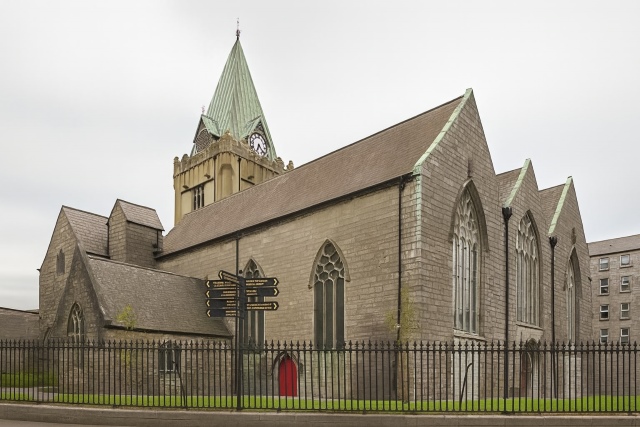
Founded in 1320 , St. Nicholas' Collegiate Church is the largest medieval parish church still in use in Ireland. Its Gothic architecture , stone carvings, and centuries-old tombs bear witness to Galway’s spiritual and civic life through the ages. The church is reputed to have hosted Christopher Columbus on his visit in 1477 , a claim celebrated in local legend. Less known is the intricate wooden chancel screen, one of only a handful surviving from the medieval period. St. Nicholas’ hosts regular concerts and vibrant Christmas markets that draw the whole community together. The building’s bell tower is rung for special occasions, sending echoes across the city center. Its peaceful atmosphere offers a contemplative retreat from Galway’s lively streets, and its historical displays reveal fascinating stories of merchants, sailors, and citizens who shaped the city.
The Claddagh
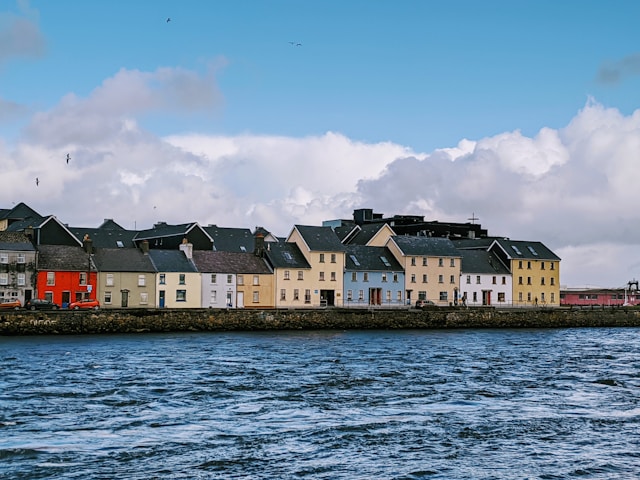
The Claddagh, once a thriving fishing village outside Galway’s medieval walls, is now one of the city’s most evocative neighborhoods. It is famed for the Claddagh ring , a symbol of love and friendship designed by local goldsmiths in the 17th century . Picturesque thatched cottages once lined its narrow lanes, and remnants of this heritage remain in local traditions and festivals. Less known is the Claddagh’s annual Blessing of the Boats, an event honoring Galway’s deep connection with the sea. Visitors stroll the Long Walk for sweeping views of Galway Bay, often accompanied by street musicians and artists. The area’s swan population is a beloved feature, adding to the sense of peace. The Claddagh’s rich history and colorful folklore make it a vital part of Galway’s living heritage, celebrated by locals and visitors alike.