
City view of Gaziantep, Turkey

Gaziantep

Gaziantep, perched on the edge of the Euphrates River valley, has earned renown as Turkey’s gastronomic capital, where the art of baklava making and pistachio cultivation reaches sublime heights. Wander the labyrinthine streets of the Kale district to encounter centuries-old copper workshops, where craftsmen hammer tray after tray in rhythmic percussion. At Zeugma Mosaic Museum, one of the world’s most significant collections of Roman floor mosaics dazzles with detailed tesserae depicting mythological scenes rescued from the ancient city of Zeugma. As you emerge, inhale the heady aroma of roasting pistachios blended with spices in the nearby bazaar, then taste authentic lahmacun—thin flatbread topped with minced meat and herbs—and knafeh, a cheese pastry soaked in rosewater syrup. In the old citadel, restored Ottoman houses now house intimate restaurants serving feasts of kebabs, dolmas and smoky anis-flavored desserts. Each September, the Gaziantep International Gastronomy Festival features cooking competitions and workshops, celebrating local culinary heritage on a global stage. Beneath a canopy of plane trees, the city’s blend of archaeological wonder, artisanal mastery and fiery flavors lingers long after the last bite.

Top attractions & things to do in Gaziantep

If you’re searching for the best things to do in Gaziantep, this guide brings together the top attractions and must-see places to visit in Gaziantep. The top picks below highlight the most visited sights for first-time visitors, plus a few local favorites worth adding.

Bakircilar Carsisi in Gaziantep, Turkey

Bakircilar Carsisi

The Bakircilar Carsisi, or Copper Bazaar, has been Gaziantep's metalworking center since the 16th century. This vibrant market is filled with clanging sounds of artisans crafting traditional copperware, from coffee pots and trays to ornate wall art. Passed down through generations, these skills reflect the region's deep artisanal heritage. Stalls display a mix of functional and decorative items, often embellished with hand-hammered motifs and geometric patterns. Many shops invite visitors to observe live demonstrations of traditional forging techniques, offering a glimpse into a vanishing craft. The bazaar is not just a commercial hub but a social and cultural gathering space where stories, craftsmanship, and history converge. Renovations have preserved its Ottoman-era architecture, while signage educates tourists on copper’s role in daily life. With its rich ambiance and artisanal authenticity, Bakircilar Carsisi is a must-see for those seeking local color and historical depth.
Ads place
Ads place
Ads place
Ads place
Ads place
Emine Gogus Culinary Museum in Gaziantep, Turkey

Emine Gogus Culinary Museum

Founded in 2008, the Emine Gogus Culinary Museum celebrates Gaziantep's recognition by UNESCO as a Creative City of Gastronomy. Housed in a beautifully restored 19th-century Ottoman mansion, the museum showcases traditional kitchen tools, stone ovens, spice containers, and rare handwritten recipe books. Named after Emine Gogus, Turkey's first female gastronomy writer, it emphasizes the historical depth and cultural importance of local food. Exhibits cover staples like baklava, kebabs, soups, and fermented dishes, revealing preparation methods and festive contexts. Digital installations allow visitors to interactively learn how these meals are made and served. A dedicated section explains food preservation techniques, spice trade routes, and seasonal rituals tied to local cuisine. The museum hosts workshops, tastings, and culinary festivals that bring the flavors of Gaziantep to life. It is both a cultural archive and an active participant in safeguarding Turkey's intangible food heritage.
Ads place
Ads place
Ads place
Ads place
Ads place
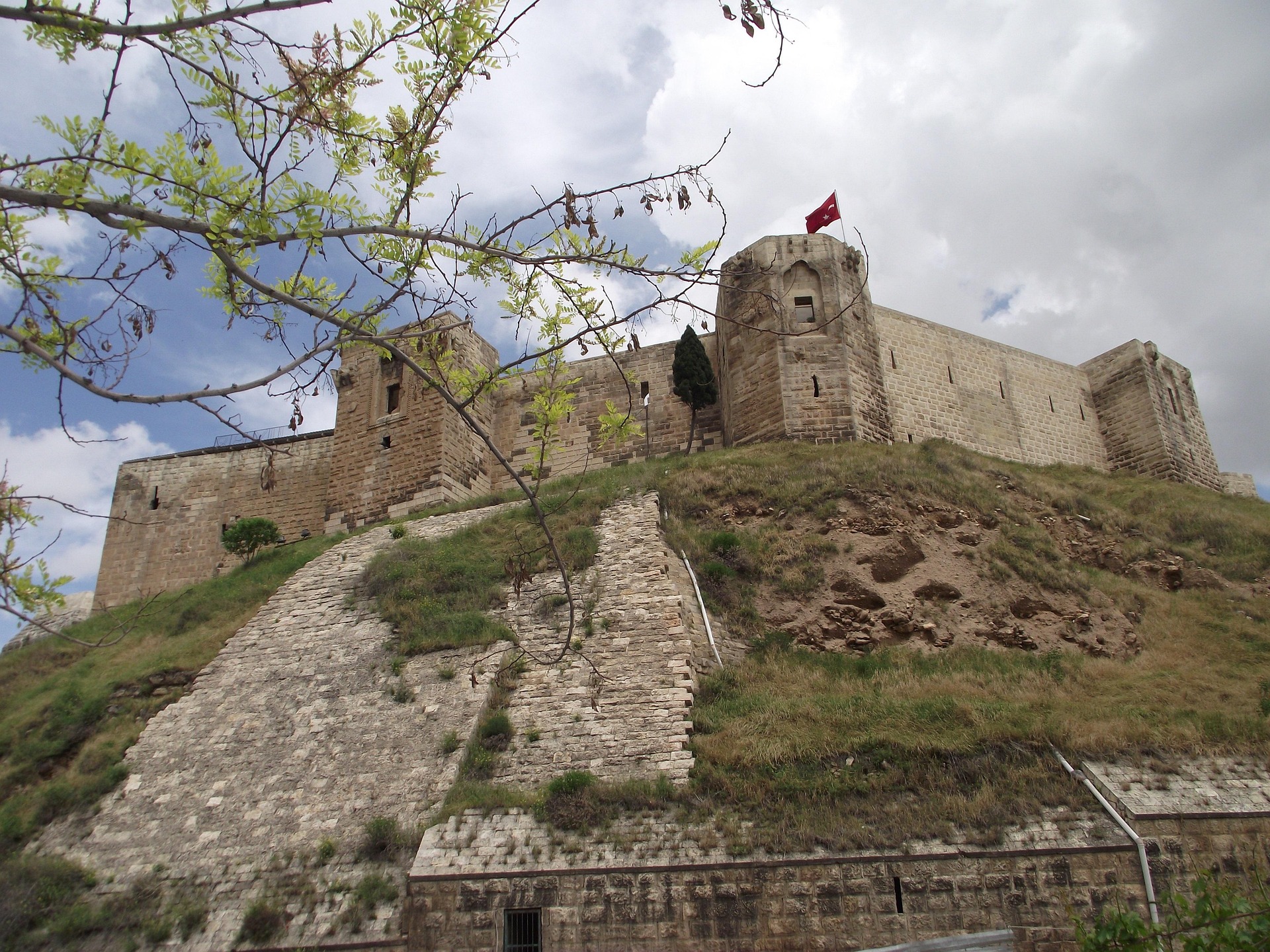
Gaziantep Castle in Gaziantep, Turkey

Gaziantep Castle

Gaziantep Castle, rising above the city on a strategic mound, traces its origins to the Hittite era and was extensively fortified during Roman and Byzantine rule. The most significant expansion occurred under Justinian I in the 6th century AD. Today, the castle houses a museum detailing the city's valiant resistance during the Turkish War of Independence, featuring dioramas, archival photographs, and military relics. Visitors can explore the ancient towers, underground cisterns, and stone passageways that once sheltered defenders. Restoration projects have revitalized many original structures, preserving traces of earlier empires. Informational plaques guide guests through centuries of fortification evolution. The panoramic view from its upper ramparts encompasses the entire city and surrounding plains, offering a striking sense of history embedded in the landscape. As both a defensive monument and a symbol of local identity, Gaziantep Castle embodies the city's layered past and enduring spirit.
Ads place
Ads place
Ads place
Ads place
Ads place
Rumkale in Gaziantep, Turkey

Rumkale

Perched dramatically on a cliff overlooking the Euphrates, Rumkale—'Roman Castle'—served as a vital military and spiritual stronghold throughout the Byzantine, Armenian, and Islamic periods. According to tradition, Saint John the Evangelist once transcribed parts of the Bible here. The fortress is accessible by boat and features high stone walls, hidden staircases, ancient cisterns, and panoramic lookout points. Though partially in ruins, its commanding presence remains intact. Archaeological finds indicate use as early as the Hellenistic period. Restoration efforts aim to stabilize remaining structures while preserving the fortress's mystique. Interpretive signs and guided tours help contextualize Rumkale's strategic importance in controlling river trade and regional movement. Recent surveys have uncovered underground chambers and evidence of sophisticated water management systems. With its dramatic silhouette and deep historical layers, Rumkale offers an unforgettable encounter with Anatolia's multifaceted past and is a highlight of Gaziantep's cultural landscape.
Ads place
Ads place
Ads place
Ads place
Ads place
Zeugma Mosaic Museum in Gaziantep, Turkey

Zeugma Mosaic Museum

Opened in 2011, the Zeugma Mosaic Museum is one of the world's largest mosaic museums and showcases intricate artworks unearthed from the ancient city of Zeugma. The centerpiece is the iconic Gypsy Girl mosaic, renowned for its expressive gaze and debated symbolism. Other highlights include elaborate floor panels depicting Greek and Roman mythology, with figures such as Achilles and Dionysus captured in astonishing detail. These mosaics date from the 2nd to 4th centuries AD and reflect the luxurious villas of the Roman elite. The museum’s innovative lighting, temperature control, and digital installations enhance the viewing experience. Audio guides provide in-depth commentary on each exhibit. Zeugma’s strategic position along the Euphrates made it a melting pot of cultures, which is vividly reflected in its art. The museum stands as a tribute to the city’s archaeological richness and its role as a cultural bridge between East and West.
Ads place
Ads place
Ads place
Ads place
Ads place