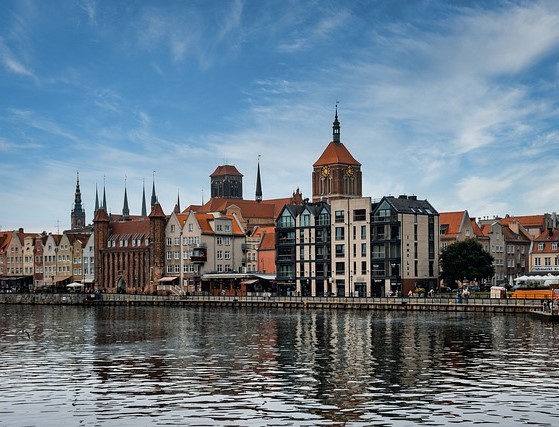
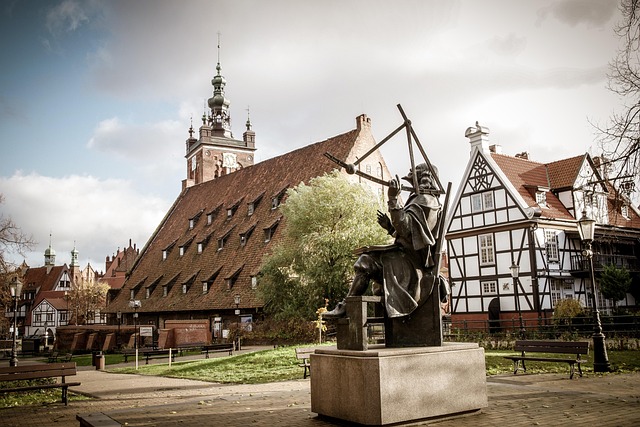
City view of Gdansk, Poland

Gdansk

Gdansk, nestled along the Baltic coast, is celebrated for its maritime legacy, colorful facades, and pivotal place in history. Once a major Hanseatic port, its Old Town dazzles with the Gothic St. Mary's Church, the Renaissance Main Town Hall, and the iconic Neptune Fountain. The Motlawa River embankment bustles with ships, shops, and lively restaurants. In 1980, Gdansk shipyards became the birthplace of the Solidarity movement, which ignited democratic changes across Eastern Europe—a story told at the European Solidarity Centre. The historic Zuraw crane, once the largest of its kind, stands as a reminder of the city's engineering prowess. Gdansk's granaries and warehouses have been transformed into modern museums and cultural venues. Westerplatte, the site where World War II began, and nearby sandy beaches add layers to its rich past. Lesser known is the Amber Museum, showcasing Baltic treasures. Gdansk blends tradition, resilience, and innovation like few other cities.

Top attractions & things to do in Gdansk

If you’re searching for the best things to do in Gdansk, this guide brings together the top attractions and must-see places to visit in Gdansk. The top picks below highlight the most visited sights for first-time visitors, plus a few local favorites worth adding.

Amber Museum in Gdansk, Poland

Amber Museum

The Amber Museum in Gdansk, housed in the historic Great Mill building dating from the 14th century, celebrates Gdansk’s centuries-old reputation as the global capital of amber craftsmanship. Opened in its current location in 2021, the museum offers an extensive collection showcasing the beauty, history, and unique geological origins of Baltic amber. Visitors explore exhibits of exquisite amber jewelry, intricate carvings, and historical artifacts, including amber pieces dating back to the Neolithic period. Highlights include amber inclusions containing perfectly preserved insects, and a detailed exhibition on the Amber Route, the ancient trading network linking Gdansk with distant lands. The museum also educates visitors about the extraction process and craftsmanship traditions that have flourished in the city for centuries. Lesser-known is the interactive amber workshop, where guests can create personalized pieces. This museum vividly illustrates Gdansk’s deep connection to this precious gemstone and its ongoing cultural significance.
Ads place
Ads place
Ads place
Ads place
Ads place
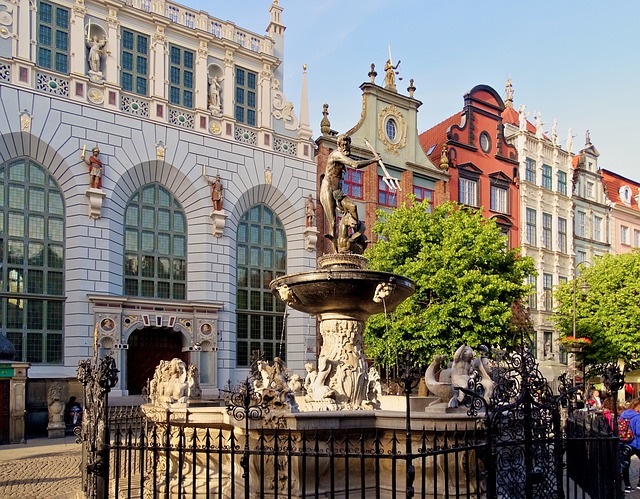
Artushof in Gdansk, Poland

Artushof

The Artushof, or Artus Court, prominently situated at Gdansk's lively Long Market, served historically as an elite gathering place for merchants, dignitaries, and prominent townspeople. Originating in the 14th century, this elegant hall symbolizes Gdansk's thriving mercantile past, where trade guilds convened, deals were struck, and lavish banquets hosted. Its interior, richly adorned in ornate furnishings and artworks, features a majestic Renaissance stove, the largest in Europe, dating from 1545, decorated with vibrant tilework depicting historical and mythical scenes. The hall's grand centerpiece is a detailed model of a sailing ship suspended from the ceiling, celebrating Gdansk's maritime legacy. Artushof also houses striking paintings and intricate wood carvings, illustrating legends of King Arthur, from whom the court derives its name. Less widely known is the building’s role as a temporary exchange during the 17th century, facilitating international commerce. Today, it operates as a branch of the Gdansk History Museum, showcasing centuries of civic pride and cultural heritage.
Ads place
Ads place
Ads place
Ads place
Ads place
Gdansk Crane (Zuraw) in Gdansk, Poland

Gdansk Crane (Zuraw)

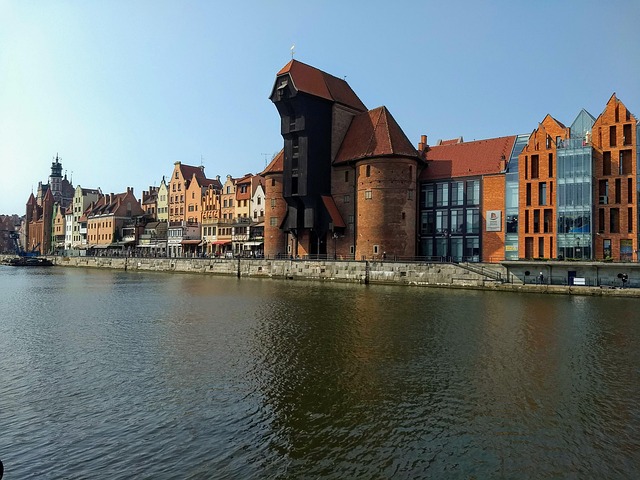
The Gdansk Crane, locally known as Zuraw, is one of the most distinctive landmarks of the city’s skyline, symbolizing Gdansk’s rich maritime past. Built in the mid-15th century, this medieval crane was the largest port crane in Europe, capable of lifting up to four tons of cargo using manpower alone. Its striking brick structure combines a defensive city gate with a functional maritime crane, operated by two massive wooden wheels driven by dockworkers. Severely damaged during World War II, Zuraw was painstakingly restored, now housing a branch of the National Maritime Museum. Exhibitions detail the crane’s unique mechanical design and the city’s seafaring traditions. Lesser-known aspects include original medieval trading documents displayed in its interiors, and the stunning panoramic views of the riverfront available from its upper levels. Zuraw continues to fascinate visitors, standing as an enduring symbol of medieval ingenuity and Gdansk’s vital role in Baltic trade.
Ads place
Ads place
Ads place
Ads place
Ads place
Green Gate in Gdansk, Poland

Green Gate

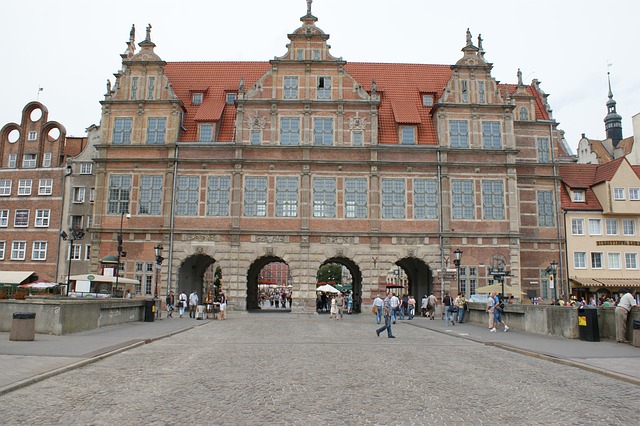
The Green Gate, or Zielona Brama, stands majestically at the eastern end of Gdansk’s bustling Long Market (Dlugi Targ). Constructed between 1564 and 1568, this impressive structure was originally built as a lavish royal residence for visiting Polish monarchs, though notably, no king ever stayed overnight here. Its architectural elegance blends Dutch and Flemish influences, highlighted by intricate sandstone decorations, imposing arches, and grand facades. Today, the Green Gate houses a branch of the prestigious National Museum in Gdansk, hosting numerous art and cultural exhibitions throughout the year. Lesser-known is its role as the office of Lech Walesa, Poland's famed Solidarity leader and former president, whose foundation occupies part of the building. Additionally, visitors frequently overlook the upper gallery, offering spectacular views down the historic Royal Route. The Green Gate remains a captivating symbol of Gdansk's rich heritage, political significance, and artistic grandeur, drawing admiration from visitors worldwide.
Ads place
Ads place
Ads place
Ads place
Ads place
Long Market (Dlugi Targ) in Gdansk, Poland

Long Market (Dlugi Targ)

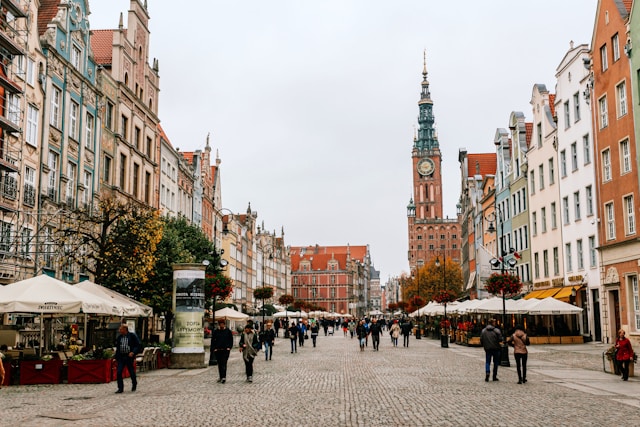
Long Market, known locally as Dlugi Targ, stands at the vibrant heart of Gdansk's historic city center. Established in the 13th century, it became the main artery of trade and social life, lined with exquisite merchant houses and ornate guild halls. The market hosts the iconic Neptune Fountain, crafted in the early 17th century as a symbol of the city's maritime prowess. Nearby, the Artus Court, once an exclusive meeting place for wealthy merchants, showcases richly decorated interiors. Visitors marvel at the striking architecture, such as the opulent Golden House, which dates back to the early 1600s. During World War II, much of the street was severely damaged, but meticulous reconstruction has restored its historical charm. Today, the Long Market bustles with life, offering local cafes, artisan boutiques, and vibrant street performances. A lesser-known detail is the hidden passageways leading to secret courtyards, echoing centuries of intriguing city lore.
Ads place
Ads place
Ads place
Ads place
Ads place
Motlawa River Embankment in Gdansk, Poland

Motlawa River Embankment

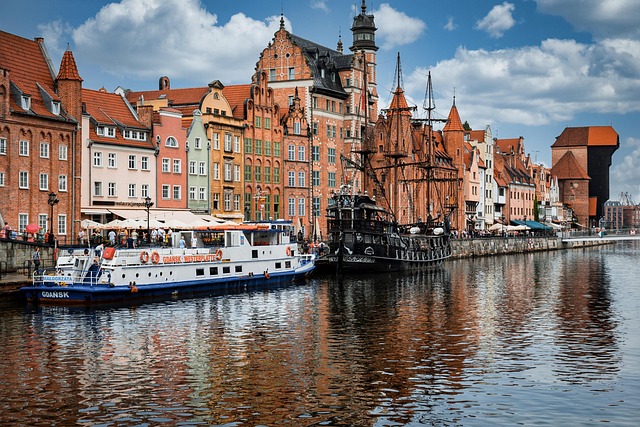
The Motlawa River Embankment is the scenic waterfront heart of Gdansk, lined with charming historic buildings, bustling restaurants, and cafes. Historically central to the city’s maritime economy, it now attracts visitors eager to explore its picturesque atmosphere. Landmarks such as the medieval Zuraw Crane and the elegant Green Gate, a royal residence from the 16th century, grace its banks. Pleasure cruises depart regularly from here, offering visitors serene views of the city from the water. The embankment transforms each year during the famous St. Dominic’s Fair, an event dating back to the 13th century, attracting artisans, performers, and merchants from across Europe. Lesser-known are the numerous hidden alleyways branching off into charming courtyards, offering intimate glimpses into local life. Whether strolling leisurely, dining alfresco, or enjoying seasonal markets, the Motlawa River Embankment encapsulates the lively spirit and rich heritage of Gdansk.
Ads place
Ads place
Ads place
Ads place
Ads place
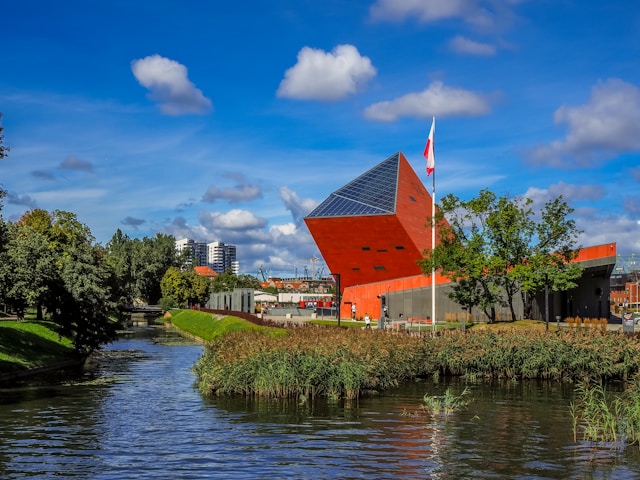
Museum of the Second World War in Gdansk, Poland

Museum of the Second World War

Gdansk’s Museum of the Second World War, opened in 2017, offers a comprehensive exploration of the conflict that reshaped humanity. The architecturally innovative building symbolizes destruction and rebirth, housing extensive exhibitions across 23,000 square meters. Over 2,000 original artifacts, multimedia displays, and powerful personal narratives illustrate the war’s global impact. Visitors encounter authentic military equipment, poignant personal belongings, and detailed recreations of civilian life during wartime. Particularly impactful is the exhibit dedicated to the siege of Gdansk and life under Nazi occupation, highlighting the resilience of its citizens. The museum emphasizes human stories, emphasizing empathy and understanding of wartime experiences across cultures. Less widely known, its underground exhibits evoke the atmosphere of wartime bunkers, providing an immersive historical experience. This museum not only educates but deeply moves visitors, emphasizing the importance of peace and remembrance.
Ads place
Ads place
Ads place
Ads place
Ads place
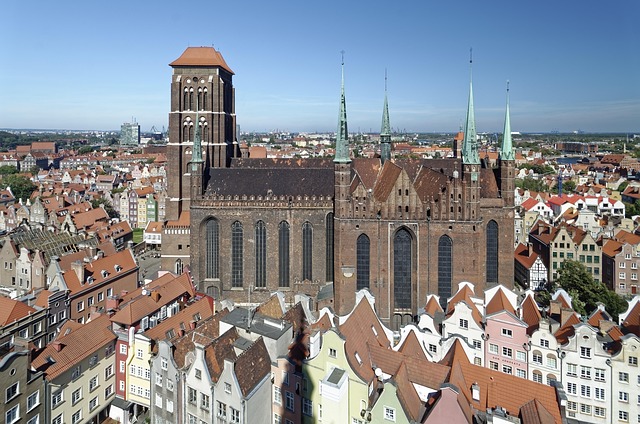
St. Mary's Church in Gdansk, Poland

St. Mary's Church

St. Mary's Church in Gdansk, dating back to the 14th century, is recognized as one of the largest brick churches in the world. Its impressive dimensions can accommodate up to 25,000 people, highlighting its historical prominence in Baltic trade cities. The church's interior is adorned with exquisite artworks, including the mesmerizing astronomical clock, created by Hans Duringer in the 15th century, renowned for its intricate mechanisms and detailed carvings. Visitors climb nearly 400 steps to the top of its tower, rewarded by panoramic views over Gdansk's charming rooftops and coastline. Another notable feature is the medieval altarpiece by master sculptor Michael of Augsburg, which miraculously survived wartime destruction. The church also houses numerous epitaphs commemorating influential local families. St. Mary's offers not just religious significance but also a deep dive into the city's cultural and architectural history, standing proudly as a testament to Gdansk's rich Hanseatic heritage.
Ads place
Ads place
Ads place
Ads place
Ads place
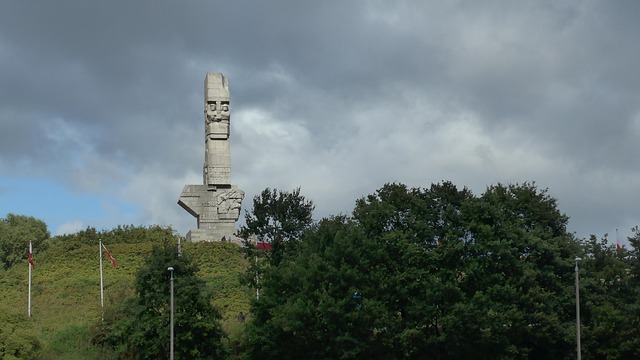
Westerplatte in Gdansk, Poland

Westerplatte

Westerplatte peninsula, marking the outbreak of World War II on September 1, 1939, holds deep historical significance. For seven days, a small Polish garrison bravely resisted German naval and air assaults, symbolizing Polish determination. Today, visitors find poignant reminders of this valor, including preserved ruins of the military barracks and the Monument of the Coast Defenders, a towering tribute to the fallen soldiers. Educational exhibits detail the dramatic events, capturing the tense atmosphere and heroism of those first wartime hours. Lesser-known features include several wartime bunkers and a scenic coastal path offering quiet reflection along the Baltic Sea shore. Annually, on September 1st, commemorative events honor those lost in the battle, making Westerplatte a focal point for national remembrance. Westerplatte not only serves as a place of historical education but also symbolizes the enduring spirit of freedom, courage, and resilience deeply embedded within Polish national identity.
Ads place
Ads place
Ads place
Ads place
Ads place
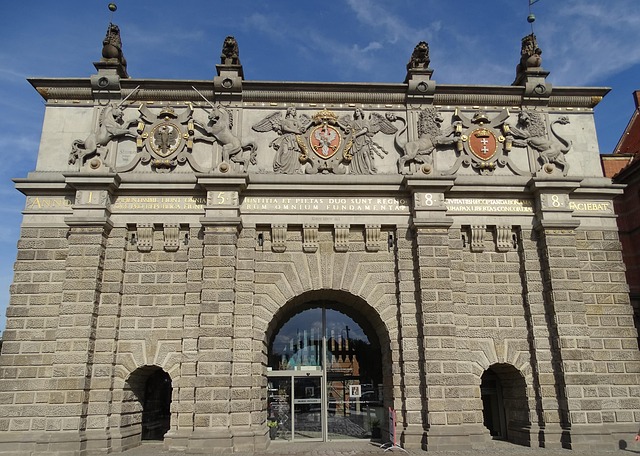
Wyzynna Gate in Gdansk, Poland

Wyzynna Gate

Wyzynna Gate, or High Gate, marks the historic entrance to Gdansk's Royal Route and stands as a proud reminder of the city's former fortifications. Built in the late 16th century in the Mannerist style, the gate was designed by architect Willem van den Blocke, blending defensive functionality with artistic grandeur. Adorned with coats of arms representing Gdansk, Royal Prussia, and the Polish-Lithuanian Commonwealth, the gate symbolized the city’s allegiance to the Polish crown. It once formed part of a fortified complex that included a drawbridge and a now-vanished moat. A little-known detail is the gate’s upper floor, which was used for customs and security officials overseeing trade and travel into the city. Today, it houses the Gdansk Tourist Information Center and offers exhibits on the city’s architectural evolution. Wyzynna Gate stands not only as a striking landmark but also as a testament to Gdansk’s importance as a fortified port and cultural crossroads in early modern Europe.
Ads place
Ads place
Ads place
Ads place
Ads place