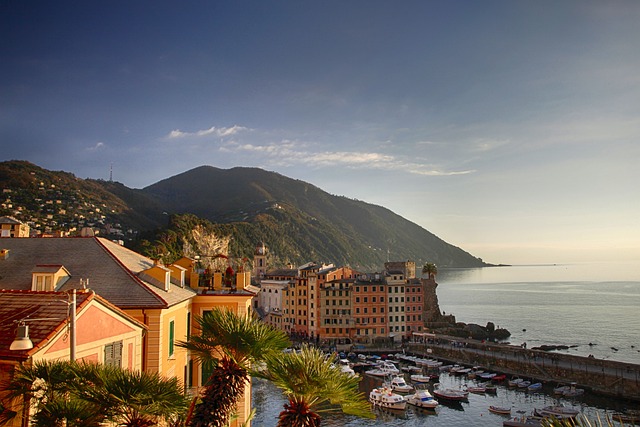
City view of Genoa, Italy

Genoa

Genoa, a bustling port city on the Ligurian coast, is a treasure trove of history, maritime heritage, and culinary delights. Known as the birthplace of Christopher Columbus, Genoa boasts a wealth of historic sites, including the Palazzi dei Rolli, grand palaces that are now a UNESCO World Heritage Site. The city's old town is a maze of narrow alleys, or caruggi, where visitors can discover charming shops, cafes, and the impressive Genoa Cathedral. The Aquarium of Genoa, one of the largest in Europe, offers an interactive experience for all ages. Food enthusiasts will relish Genoese specialties like pesto, focaccia, and fresh seafood. With its blend of historic charm and modern vibrancy, Genoa is a captivating destination on the Italian Riviera.

Top attractions & things to do in Genoa

If you’re searching for the best things to do in Genoa, this guide brings together the top attractions and must-see places to visit in Genoa. The top picks below highlight the most visited sights for first-time visitors, plus a few local favorites worth adding.

Aquarium of Genoa in Genoa, Italy

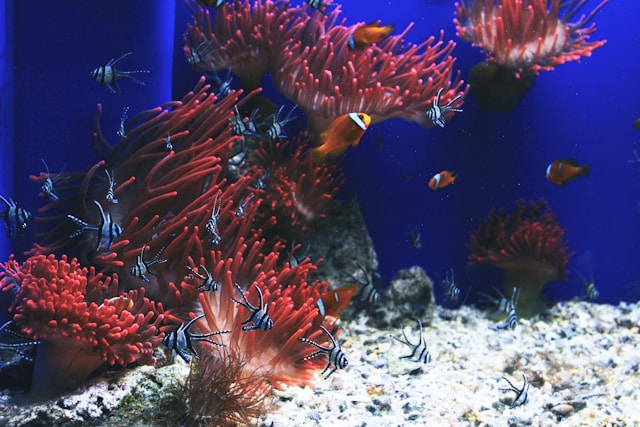
Aquarium of Genoa

The Aquarium of Genoa, Europe's second largest, showcases over 15,000 marine creatures in innovative habitats. Its ship-shaped structure by Renzo Piano symbolizes Genoa's maritime heritage. The new Antarctic Pavilion recreates sub-zero temperatures for penguins and seals. Behind-the-scenes tours reveal the aquarium's cutting-edge water recycling system that filters 6 million liters daily. At night, special "Sleep with Sharks" programs allow visitors to camp beside the predator tanks. Marine biologists recently discovered a new species of Mediterranean coral in the aquarium's artificial reef exhibit. The aquarium's dolphin pool has an underwater piano that trainers use to communicate with the dolphins through musical notes.
Ads place
Ads place
Ads place
Ads place
Ads place
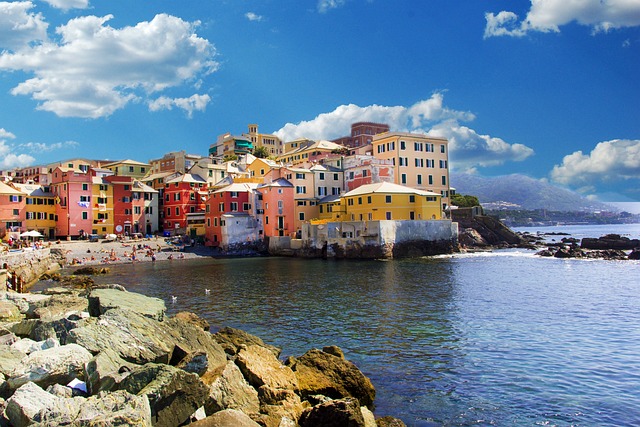
Boccadasse in Genoa, Italy

Boccadasse

The picturesque fishing village of Boccadasse offers a tranquil escape within Genoa's city limits. Known for its colorful houses, cobblestone streets, and scenic views of the Ligurian Sea, this neighborhood maintains its traditional charm. Local fishermen still mend their nets along the harbor, continuing centuries-old traditions. The village's iconic Church of Sant'Antonio contains a miraculous crucifix that allegedly protected sailors from storms. During summer nights, the pebble beach becomes an informal open-air cinema projecting classic Italian films. Hidden staircases between the houses lead to secret viewpoints with breathtaking panoramas of the coastline. The village's name comes from "Bocca d'Asino" (Donkey's Mouth), referring to the shape of its cove which resembles a donkey's feeding trough when viewed from sea.
Ads place
Ads place
Ads place
Ads place
Ads place
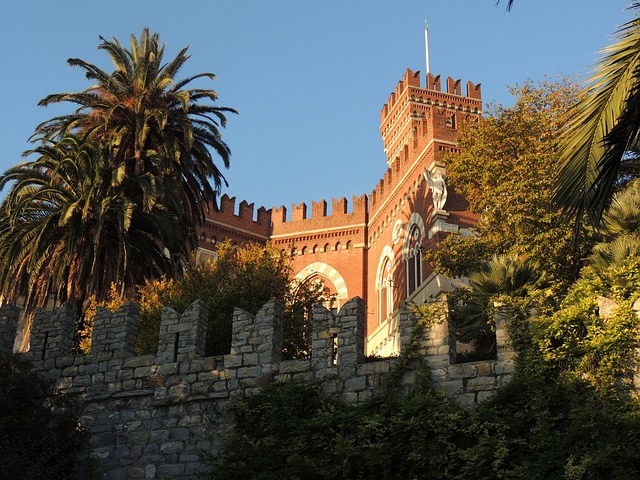
Castello d'Albertis in Genoa, Italy

Castello d'Albertis

The Castello d'Albertis is a fairy-tale neo-Gothic castle housing the Museum of World Cultures. Built in 1892 by explorer Enrico Alberto d'Albertis, its towers were designed to resemble medieval ships' masts. The castle's weather vane is an exact replica of Columbus's ship Santa Maria. Secret passageways lead to a private chapel decorated with artifacts from d'Albertis' global voyages. The rooftop terrace offers one of Genoa's best panoramic views, stretching to Corsica on clear days. Recently restored rooms now display the captain's collection of Pacific Islander navigational charts carved on palm leaves. The castle's heating system uses original 19th-century terracotta pipes hidden in the walls that still function perfectly.
Ads place
Ads place
Ads place
Ads place
Ads place
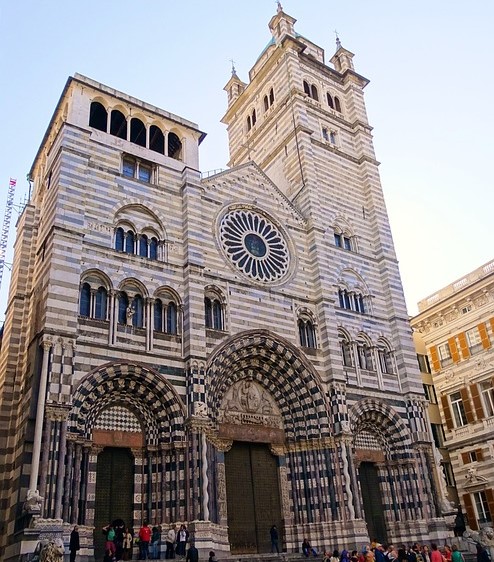
Genoa Cathedral in Genoa, Italy

Genoa Cathedral

The Genoa Cathedral (San Lorenzo) is a masterpiece of Gothic and Romanesque architecture with its distinctive black-and-white striped facade. Built between the 12th-14th centuries, the cathedral houses the legendary Sacred Chalice believed by some to be the Holy Grail. The cathedral's bell tower contains one of Europe's oldest working mechanical clocks from 1396. During World War II, an unexploded British shell remains embedded in the nave wall as a memorial. The cathedral's treasury holds a strand of the Virgin Mary's hair and other rare relics collected during the Crusades. Recent restoration work uncovered 13th-century frescoes depicting medieval Genoa's maritime triumphs. The cathedral's crypt contains a 16th-century mechanical nativity scene with moving figures that still operates during Christmas.
Ads place
Ads place
Ads place
Ads place
Ads place
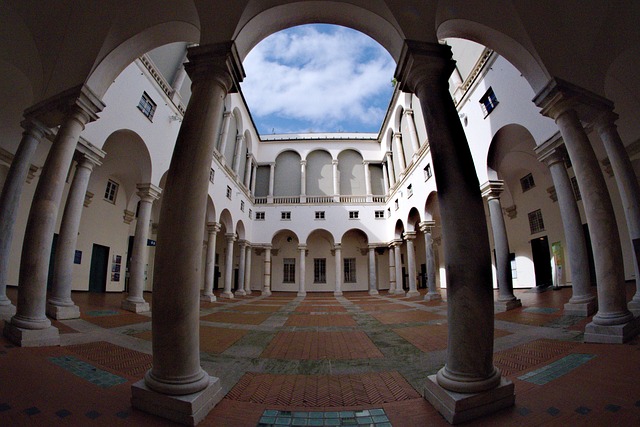
Palazzo Ducale in Genoa, Italy

Palazzo Ducale

The Palazzo Ducale served as the political heart of the Republic of Genoa for over 500 years. Its Hall of the Great Council features the world's largest unsupported frescoed ceiling (1,200 sqm). Secret passages connect to neighboring palaces, used by doges during political crises. The palace's clock tower has a unique 25-hour dial reflecting Genoa's medieval timekeeping system. Recent excavations uncovered the original 13th-century prison cells where prisoners scratched maritime maps into the walls. During restoration, workers found a forgotten 17th-century ballroom with intact mirrored walls that multiply candlelight infinitely. The palace's main staircase contains a deliberately uneven step called the "Doge's Step" that forced visitors to bow as they stumbled before entering the throne room. The building's foundations incorporate stones from ancient Roman temples, visible in the subterranean galleries. A hidden chamber contains the original 14th-century voting urns used to elect new doges.
Ads place
Ads place
Ads place
Ads place
Ads place
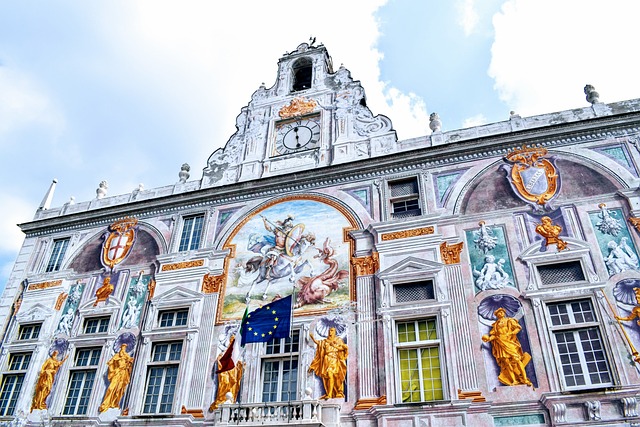
Palazzo San Giorgio in Genoa, Italy

Palazzo San Giorgio

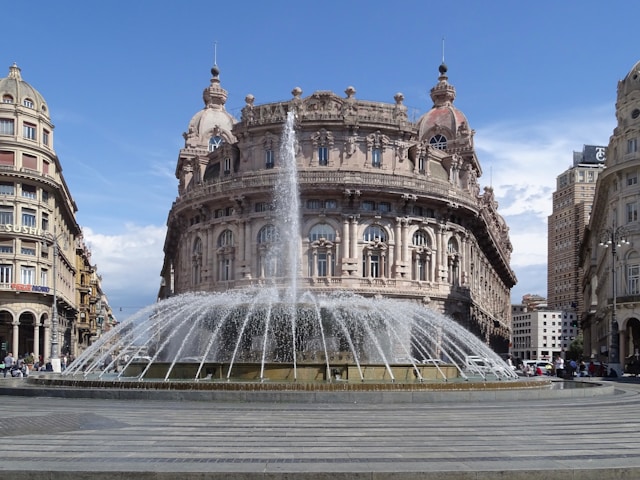
The Palazzo San Giorgio is one of Genoa's most significant landmarks, embodying centuries of history and architectural splendor. Originally constructed in 1260 as a public palace, it later became the headquarters of the Bank of Saint George, one of the oldest banks in the world. The building is a striking example of medieval and Renaissance architectural styles combined, featuring a stunning facade adorned with vibrant frescoes that narrate tales of Genoa's maritime supremacy. Recent restorations revealed hidden 14th-century graffiti left by medieval merchants in the palace's ledger rooms. The building once housed Marco Polo as a prisoner, where he allegedly dictated his travel memoirs to a fellow inmate. A little-known underground passage connects the palace to the old port, used by bankers to transport gold securely during Genoa's golden age. The palace's courtyard features a rare "whispering corner" where spoken words can be heard clearly 20 meters away due to precise arch acoustics.
Ads place
Ads place
Ads place
Ads place
Ads place
Palazzo Tobia Pallavicino in Genoa, Italy

Palazzo Tobia Pallavicino

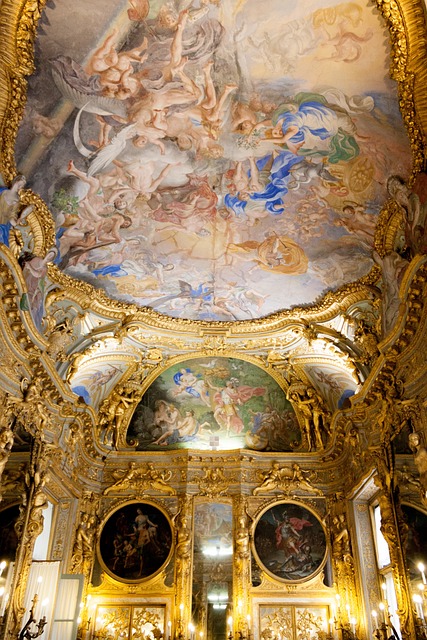
The Palazzo Tobia Pallavicino on Via Garibaldi epitomizes Genoese Renaissance luxury. The Golden Hall features frescoes by Luca Cambiaso that incorporate real gold leaf from the Americas. Hidden behind paneling, restorers found 16th-century graffiti from visiting merchants complaining about spice prices. The palace's courtyard has perfect acoustics - musicians still perform Monteverdi's works here unchanged since the 1600s. Recently uncovered ledgers reveal the palace hosted the first-ever coffee tasting in Genoa in 1615. The building's innovative ventilation system used seawater-cooled air ducts - an early form of air conditioning. The palace's main salon floor contains a hidden trapdoor that allowed musicians to perform "invisible" concerts from the basement.
Ads place
Ads place
Ads place
Ads place
Ads place
Piazza De Ferrari in Genoa, Italy

Piazza De Ferrari

The Piazza De Ferrari is the main square and vibrant heart of Genoa. Known for its iconic central fountain, the square is surrounded by some of the city's most significant landmarks, including the Teatro Carlo Felice, the Palazzo della Borsa, and the Ligurian Region headquarters. The square is a hub for cultural events, celebrations, and gatherings, making it a lively and dynamic place to visit. Its mix of historic and modern architecture reflects Genoa's evolution over centuries. Few visitors know the fountain's bronze sculptures were cast from melted-down cannons captured during World War I. Beneath the square lies an ancient Roman road discovered during 19th-century excavations, now visible through glass panels near the theater. During the annual Rolli Days festival, the piazza transforms into an open-air gallery showcasing Genoa's aristocratic heritage. The square's lighting system was designed to recreate the exact warm glow of historic gas lamps using modern LED technology.
Ads place
Ads place
Ads place
Ads place
Ads place
Porto Antico in Genoa, Italy

Porto Antico

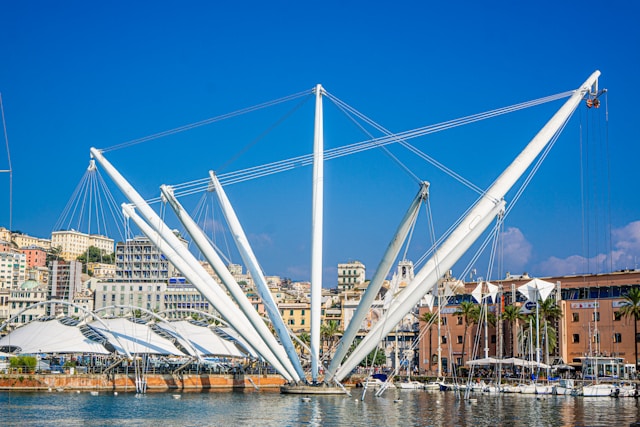
The Porto Antico, transformed by architect Renzo Piano, blends Genoa's maritime history with modern attractions. This revitalized waterfront features the Aquarium of Genoa, Europe's largest aquarium housed in a ship-like structure. The Biosfera dome contains a miniature tropical forest with free-flying butterflies. Beneath the piazza lies the original 12th-century dock walls, visible through glass panels in the pavement. At sunset, the Bigo panoramic elevator offers stunning views as its cables create a "spider web" silhouette against the sky. Local fishermen still sell their daily catch from wooden boats at the Darsena dock every morning. The harbor floor contains several sunken medieval ships preserved in the oxygen-poor mud, with one visible through a special underwater viewing window.
Ads place
Ads place
Ads place
Ads place
Ads place
Via Garibaldi in Genoa, Italy

Via Garibaldi

The Via Garibaldi, a UNESCO World Heritage Site, showcases Genoa's Renaissance grandeur through its magnificent palaces. This historic street, also called Strada Nuova, was built in the 16th century to display the wealth of Genoese nobility. The Palazzo Rosso contains a hidden rooftop garden with rare medicinal plants collected from around the world. Many palaces still have their original frescoed ceilings depicting mythological scenes in perfect condition. During the annual Rolli Days festival, normally private palaces open their doors to the public, revealing opulent interiors unchanged for centuries. Archaeologists recently discovered an ancient Roman theater beneath Palazzo Doria Tursi, visible through glass floors in the courtyard. The street's slight curve was intentionally designed to create perfect symmetry when viewed from either end, an optical illusion trick by Renaissance architects.
Ads place
Ads place
Ads place
Ads place
Ads place