
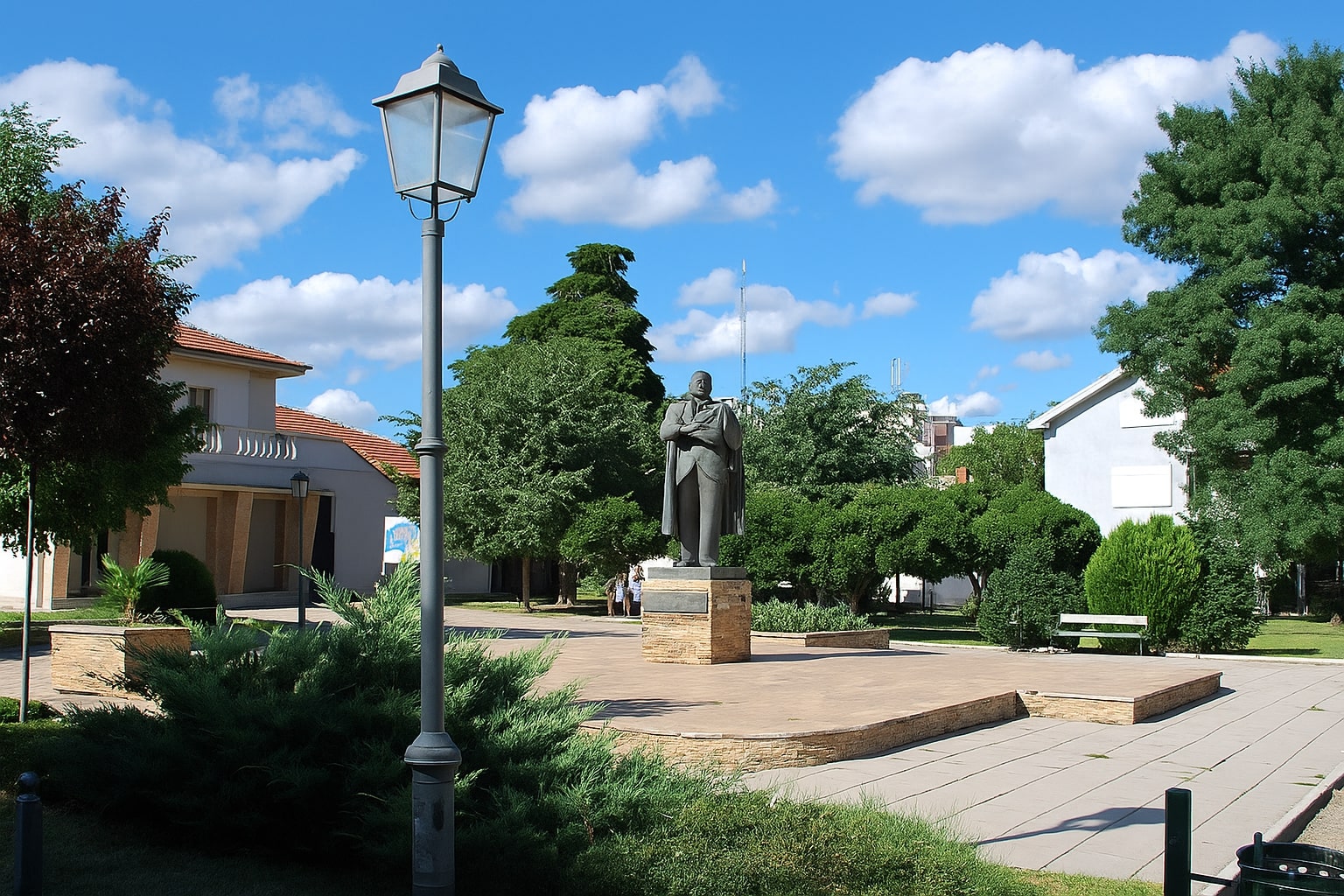
City view of Gevgelija, North Macedonia

Gevgelija

Gevgelija lives at a crossroads and practices the art of welcome. The climate tilts sunny so citrus trees shrug and markets glow with peppers and figs. Spa hotels offer thermal pools and long mornings while the Vardar valley tempts cyclists with elegant flats. Casinos add glitter but tavern courtyards keep the mood relaxed with mezze plates and grilled river fish. A short drive reaches Mount Kozuf for alpine air, honey stands, and winter skiing that feels pleasantly undiscovered. In the evening promenades fill with families and walkers chasing gelato. The food is fresh and unfussy with baked peppers and cheeses and salads that let tomatoes be famous. Drivers pause for cyclists with easy grace and the town travels at a humane speed. Hosts argue about the best honey on Kozuf and the only winner is your breakfast. Ask for local wine and you will receive advice, laughter, and perhaps a second glass.

Top attractions & things to do in Gevgelija

If you’re searching for the best things to do in Gevgelija, this guide brings together the top attractions and must-see places to visit in Gevgelija. The top picks below highlight the most visited sights for first-time visitors, plus a few local favorites worth adding.

Gevgelija City Park in Gevgelija, North Macedonia

Gevgelija City Park

In the heart of town, Gevgelija City Park offers a green counterpoint to the heat and bustle of the main streets. Planted during the late Ottoman period, it has evolved into a civic space where generations meet under tall chestnuts and sycamores. Pathways wind past flowerbeds that change with the seasons, and a small stage hosts summer concerts and holiday events. The park's layout reflects early 20th-century urban planning, with open lawns balanced by shaded nooks. Children’s laughter drifts from playgrounds, while chess players claim corner tables as unofficial clubs. In spring, roses bloom in carefully tended beds, drawing photographers and newlyweds alike. Fountains provide both visual and acoustic refreshment, their arcs catching sunlight in brief rainbows. Beyond leisure, the park has served as a rallying ground for public celebrations and cultural festivals. On market days, the air carries hints of nearby cafés, making it easy to stay longer than planned.
Ads place
Ads place
Ads place
Ads place
Ads place
Mount Kozuf Ski Resort in Gevgelija, North Macedonia

Mount Kozuf Ski Resort

Rising over the southern borderlands, Mount Kozuf offers a blend of alpine and Mediterranean climates that shape both its slopes and its seasons. Development as a ski destination began in the early 2000s, with lifts and runs designed to take advantage of the mountain’s reliable snowpack. In winter, pistes suit a range of abilities, while panoramic views sweep toward the Aegean Sea on clear days. Summer transforms the area into a base for hiking, mountain biking, and exploring high meadows. The range's location along historic Balkan routes has left traces of older paths and stone markers, now passed by skiers instead of traders. Facilities include lodges that serve local wine and dishes, turning après-ski into a regional tasting. On some days, you can stand on the ridge and feel two climates meeting—a rare experience that defines Kozuf's appeal. Wildlife sightings, from eagles to mountain goats, add another layer to the visit.
Ads place
Ads place
Ads place
Ads place
Ads place
Negorci Spa in Gevgelija, North Macedonia

Negorci Spa

Set against the gentle slopes of Mount Kozuf, Negorci Spa has been drawing visitors since the 19th century for its naturally heated, mineral-rich waters. Springs emerge at around 38°C, carrying sulfur compounds that local tradition credits with easing joint and skin ailments. The spa complex reflects an early Ottoman influence in its layout, with baths and resting rooms designed for slow recovery. Outside, gardens invite guests to linger under shade trees, where conversations drift like the steam above the pools. Doctors began documenting the water's therapeutic properties in the early 20th century, and many still recommend it as part of a restorative holiday. Evenings bring a different calm, when the mountains turn indigo and the pools mirror the first stars. Between treatments, visitors often walk to the nearby Vardar bank, letting the river’s pace balance the heat’s intensity. It remains a place where health, tradition, and landscape quietly collaborate.
Ads place
Ads place
Ads place
Ads place
Ads place
Smokvica Fortress in Gevgelija, North Macedonia

Smokvica Fortress

Perched on a ridge that overlooks the Vardar valley, Smokvica Fortress offers a view that once meant safety and now means perspective. Archaeological surveys trace its earliest fortifications to the Hellenistic period, with substantial rebuilding in the Byzantine and later Ottoman eras. Its position allowed control over trade and troop movement along the corridor linking the Aegean Sea to the Balkan interior. Today, fragments of curtain walls and gate foundations emerge from grass and wildflowers, hinting at towers that once dominated the skyline. Walking the perimeter, you can still spot worked stones reused in later repairs, each with its own chisel marks. At sunset, the surrounding vineyards glow, a reminder that these slopes have fed people for centuries. The fortress is a quiet space where wind replaces the sound of marching boots, yet the strategic logic remains clear. Local legends even suggest a hidden tunnel once connected it to the riverbank below.
Ads place
Ads place
Ads place
Ads place
Ads place
Vardar River Promenade in Gevgelija, North Macedonia

Vardar River Promenade

Following the curve of the Vardar River through Gevgelija, this promenade balances daily life with the steady rhythm of flowing water. Historically, the river served as a trade artery between the Aegean and the Balkan interior, and its banks have shifted from warehouses to walkways. Today, benches and landscaped paths invite joggers, anglers, and evening strollers. In spring, plane trees shade the route, and in autumn, their leaves turn to copper mosaics on the pavement. Occasional plaques note the river’s role in shaping local agriculture, especially the vineyards that thrive in its alluvial soil. Bridges connect neighborhoods, offering vantage points for watching the current or catching a sunset. Markets often set up nearby, adding the scent of roasted seeds and fresh bread to the air. The promenade is both a leisure space and a living reminder of how a river can define a town’s pace. At dawn, mist often lingers over the water, blurring the line between sky and stream.
Ads place
Ads place
Ads place
Ads place
Ads place