City view of Ghent, Belgium

Ghent

Ghent offers a mix of medieval charm and modern energy. The Gravensteen, or Castle of the Counts, dominates the cityscape and provides a glimpse into its military past. The Saint Bavo's Cathedral houses the world-famous Ghent Altarpiece, a masterpiece of early Netherlandish art. Ghent is known for its festivals, especially the Gentse Feesten, a 10-day cultural extravaganza. The city's canals and medieval buildings provide a scenic backdrop for its vibrant student population, contributing to Ghent's lively bar scene. Ghent also prides itself on being a vegetarian-friendly city, with numerous restaurants offering plant-based dishes.

Top attractions & things to do in Ghent

If you’re searching for the best things to do in Ghent, this guide brings together the top attractions and must-see places to visit in Ghent. The top picks below highlight the most visited sights for first-time visitors, plus a few local favorites worth adding.

Belfry of Ghent in Ghent, Belgium

Belfry of Ghent

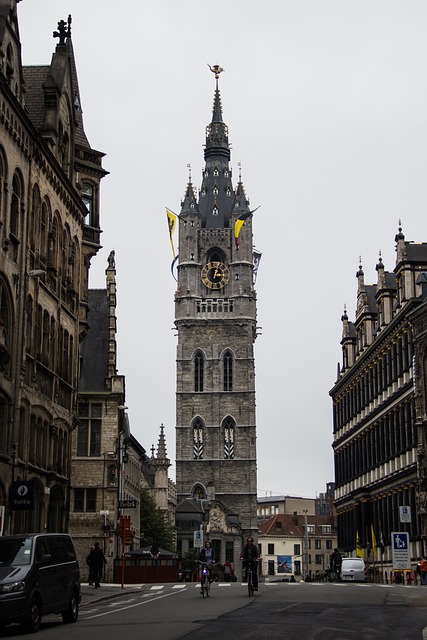
The Belfry of Ghent (Belfort) is a UNESCO World Heritage site and a symbol of the city's medieval independence. Standing 91 meters tall, it offers one of the best views of Ghent's historic center. The belfry was built in the 14th century to serve as a watchtower and a symbol of civic pride. Visitors can climb the tower, passing the Dragon of Ghent, a gilded copper statue that sits atop the belfry, and the bell chamber, which houses an impressive carillon of 54 bells. The view from the top provides a sweeping panorama of Ghent's cobbled streets, canals, and churches. A secret chamber within the tower once held the city's charters and treasures, safeguarded by a complex locking mechanism. During WWII, the carillon bells were removed and buried to protect them from Nazi confiscation, preserving their historic chimes for future generations.
Ads place
Ads place
Ads place
Ads place
Ads place
Citadel Park in Ghent, Belgium

Citadel Park

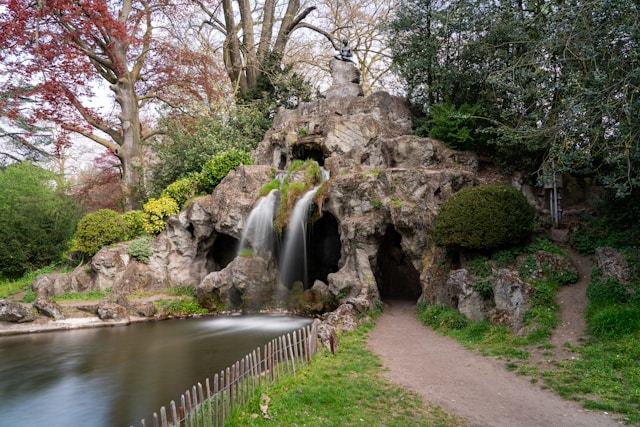
Citadel Park (Citadelpark) is Ghent's largest green space and a perfect spot for relaxation and recreation. Located near the city center, the park was originally designed on the site of a 19th-century citadel. Today, it's a popular spot for walking, jogging, and picnicking, with tree-lined paths, ponds, and sculptures creating a peaceful atmosphere. The park is also home to the Museum of Fine Arts and the SMAK (Municipal Museum of Contemporary Art), making it a cultural hub as well as a natural retreat. Citadel Park is a great place to unwind while still enjoying Ghent's vibrant cultural scene. The park's "Peace Monument," erected after WWI, features a bronze statue symbolizing resilience. Beneath the lawns lie remnants of the citadel's military tunnels, now sealed but hinted at by subtle markers.
Ads place
Ads place
Ads place
Ads place
Ads place
Graslei and Korenlei in Ghent, Belgium

Graslei and Korenlei

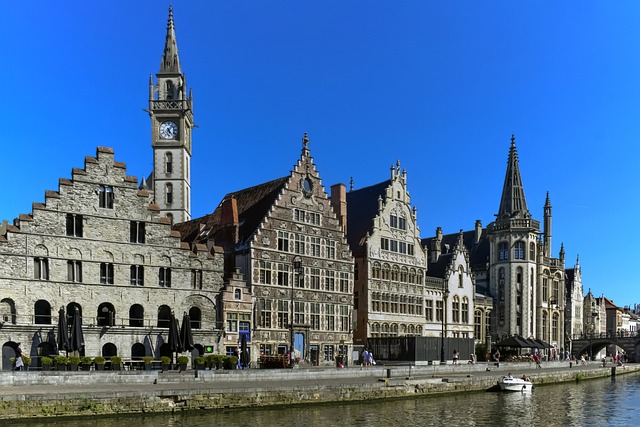
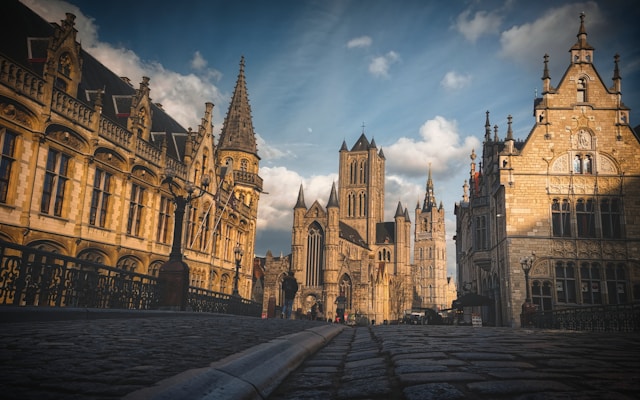
The Graslei and Korenlei are two picturesque streets that run along the banks of the Leie River in Ghent's historic center. Lined with medieval guild houses, these streets are a popular spot for both tourists and locals, offering some of the best views of the city's beautiful architecture. The area is perfect for a leisurely stroll or for relaxing at one of the many outdoor cafes. Boat tours also depart from the Graslei, offering a unique perspective of Ghent from the water. The charming atmosphere and rich history of the Graslei and Korenlei make them essential stops for any visit to Ghent. Many of the guild houses feature ornate gables carved with symbols representing their trades, such as masons and brewers. At night, the buildings are illuminated, casting dramatic reflections on the river and transforming the area into a scene straight from a medieval painting.
Ads place
Ads place
Ads place
Ads place
Ads place
Gravensteen Castle in Ghent, Belgium

Gravensteen Castle

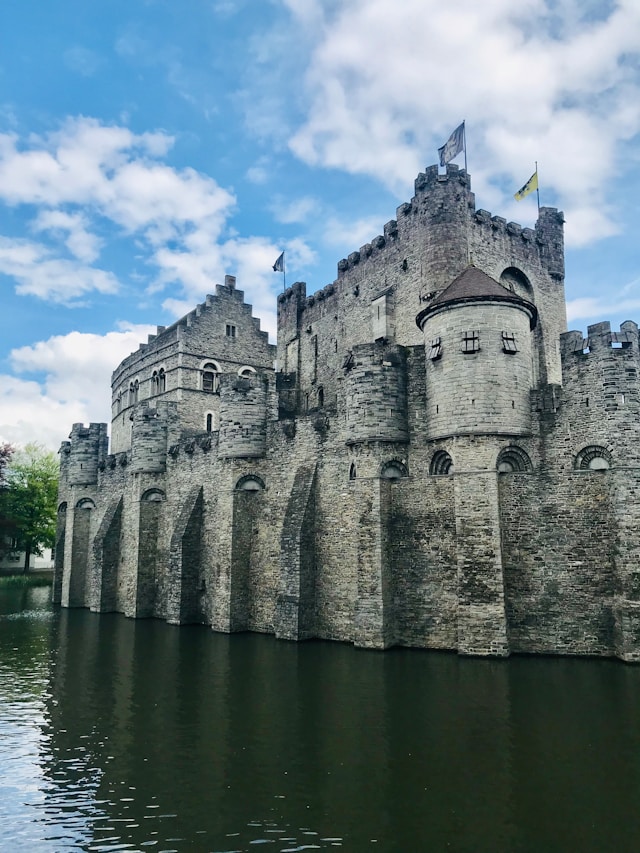
Gravensteen, or the Castle of the Counts, is one of Ghent's most iconic landmarks. Built in 1180 by Count Philip of Alsace, this medieval fortress served as a stronghold for the Counts of Flanders. The castle's imposing stone walls, turrets, and moat transport visitors back to the Middle Ages. Inside, the castle now functions as a museum, showcasing the history of the region, with displays of armor, weapons, and even a collection of torture devices. The highlight of any visit is climbing to the top of the keep, where panoramic views of Ghent's skyline await. Gravensteen offers a captivating glimpse into the city's feudal past and medieval warfare. During restoration in the 19th century, workers discovered a hidden network of tunnels beneath the castle, possibly used for covert escapes. The castle's annual medieval festival brings history to life with jousting tournaments and artisan markets, drawing thousands of visitors each year.
Ads place
Ads place
Ads place
Ads place
Ads place
Jacob van Artevelde in Ghent, Belgium

Jacob van Artevelde

Jacob van Artevelde was a prominent figure in the history of Ghent and a key player in the city's political and economic development during the 14th century. Born around 1290, van Artevelde was a wealthy and influential merchant who rose to prominence during a time of great unrest between the Kingdom of France and England, known as the Hundred Years' War. At the time, Ghent, along with other Flemish cities, relied heavily on the wool trade with England. However, political alliances between Flanders and France, and France's ongoing conflict with England, jeopardized this crucial economic relationship. In 1337, Jacob van Artevelde emerged as a leader of the Flemish cities, advocating for neutrality in the conflict to preserve trade with England. His leadership gained the support of the local guilds and merchants, allowing him to effectively govern Ghent from 1338 to 1345. A statue of van Artevelde stands on the Vrijdagmarkt, depicting him holding the Charter of Flanders, a symbol of civic rights. His assassination in 1345, likely orchestrated by political rivals, marked the end of an era but solidified his legacy as a champion of Flemish autonomy.
Ads place
Ads place
Ads place
Ads place
Ads place
Museum of Fine Arts (MSK) in Ghent, Belgium

Museum of Fine Arts (MSK)

The Museum of Fine Arts in Ghent (Museum voor Schone Kunsten or MSK) is one of Belgium's oldest and most prestigious art museums. The collection spans centuries, from the Middle Ages to the 20th century, with works by Flemish masters such as Hieronymus Bosch, Pieter Paul Rubens, and James Ensor. The museum is known for its diverse collection of paintings, sculptures, and drawings, offering insights into both Belgian and international art. The MSK frequently hosts temporary exhibitions and collaborations with contemporary artists, making it a vibrant cultural hub. Its peaceful garden and elegant interior add to the overall experience. A recently restored triptych by Jan van Scorel, depicting the Last Judgment, is displayed under climate-controlled glass. The museum's archives hold thousands of sketches by lesser-known Flemish artists, offering researchers a treasure trove of Renaissance drafts.
Ads place
Ads place
Ads place
Ads place
Ads place
Patershol in Ghent, Belgium

Patershol

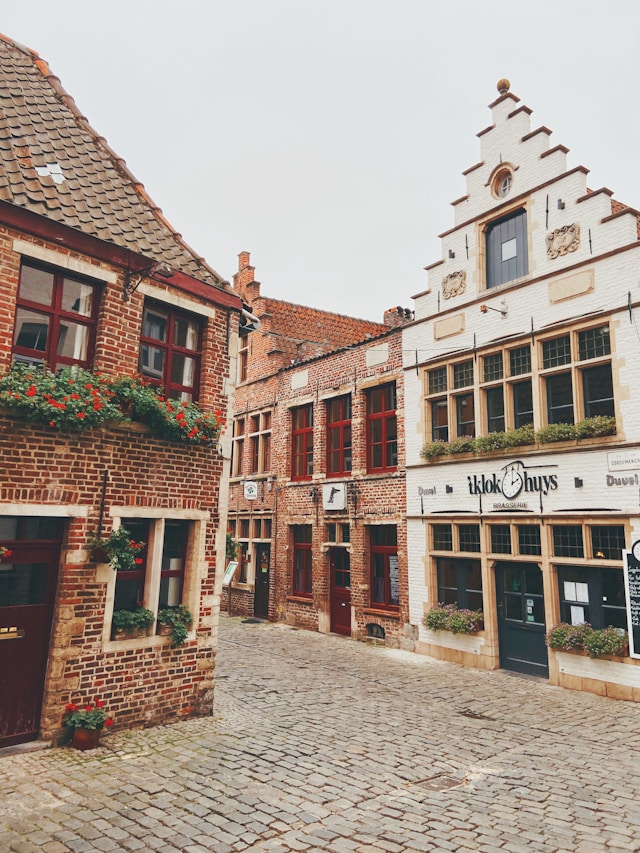
The Patershol district is one of Ghent's most charming and well-preserved medieval neighborhoods. Its narrow, cobblestone streets and quaint houses date back to the Middle Ages, offering a glimpse into the city's past. Once a working-class area, Patershol is now a trendy quarter known for its atmospheric restaurants, cafes, and artisan shops. The area is perfect for wandering and discovering hidden gems, including the House of Alijn, a museum that captures everyday life in Ghent over the centuries. Patershol's blend of history and modern vibrancy makes it a popular destination for both locals and visitors. Look for the "Vrijdagmarkt," a square where public executions once took place, now filled with lively weekend markets. Some buildings still bear medieval inscriptions warning against witchcraft, a nod to the superstitions of the past.
Ads place
Ads place
Ads place
Ads place
Ads place
Saint Bavo's Cathedral in Ghent, Belgium

Saint Bavo's Cathedral

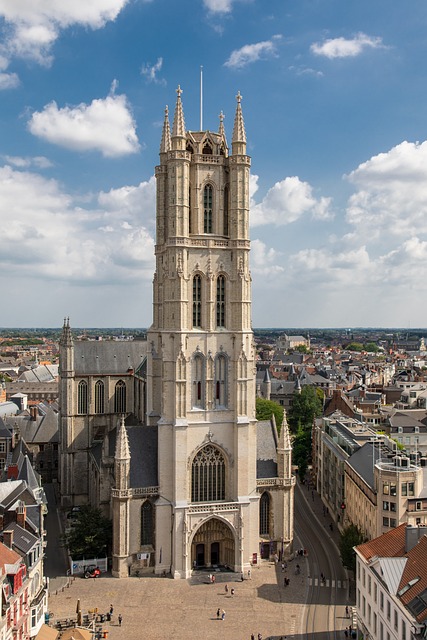
Saint Bavo's Cathedral (Sint-Baafskathedraal) is a stunning Gothic cathedral and a must-see for art and architecture lovers. The cathedral is renowned for housing the famous Ghent Altarpiece, also known as The Adoration of the Mystic Lamb, by the Van Eyck brothers, one of the most important works of Early Netherlandish art. The cathedral's interior is equally impressive, featuring towering columns, stained glass windows, and ornate chapels. Visitors can also explore the crypt, which holds the tombs of Ghent's bishops and treasures from the church's rich history. Saint Bavo's is a symbol of Ghent's religious and cultural heritage. The cathedral's acoustics are so renowned that it frequently hosts classical music concerts, filling the space with hauntingly beautiful melodies. Recent conservation efforts have revealed hidden frescoes beneath layers of old plaster, offering new insights into its medieval decor.
Ads place
Ads place
Ads place
Ads place
Ads place
Saint Nicholas' Church in Ghent, Belgium

Saint Nicholas' Church

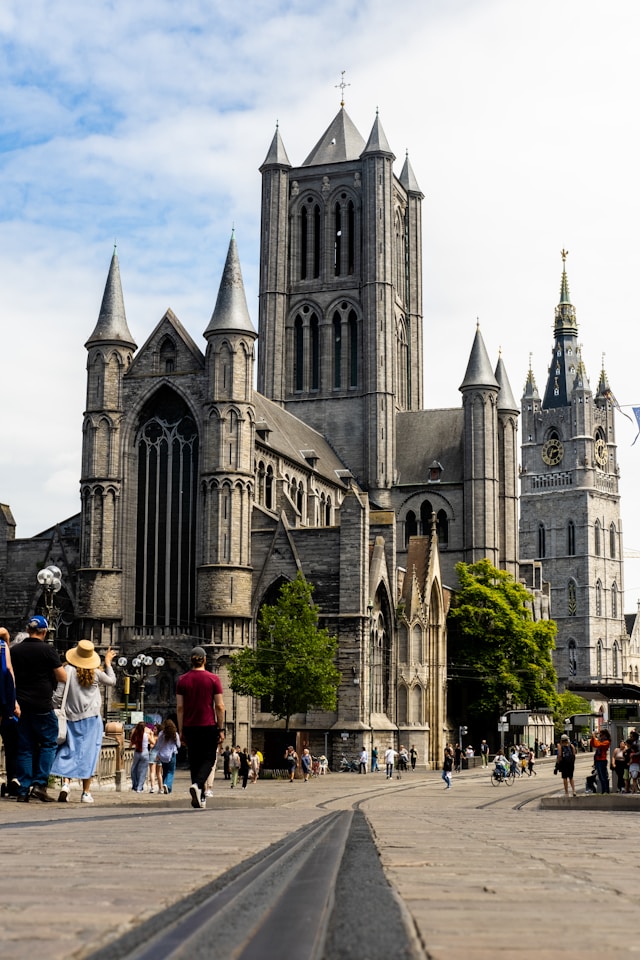
Saint Nicholas' Church (Sint-Niklaaskerk) is one of Ghent's oldest and most beautiful churches, dating back to the 13th century. Built in the Scheldt Gothic style, the church features a striking blue-gray stone facade, a central bell tower, and a stunning interior with high vaulted ceilings and a mix of Gothic and Baroque elements. The church's grandeur is a testament to Ghent's wealth during the Middle Ages. Today, it serves as both a place of worship and a cultural venue, hosting concerts and art exhibitions. Its location, near the Belfry and Korenmarkt, makes it a key landmark in the heart of the city. Beneath the altar lies a crypt containing relics of Saint Nicholas, the church's namesake and patron saint of sailors. The church's original stained-glass windows, destroyed during the Reformation, were replaced in the 19th century with vibrant neo-Gothic designs that bathe the nave in kaleidoscopic light.
Ads place
Ads place
Ads place
Ads place
Ads place
STAM - Ghent City Museum in Ghent, Belgium

STAM - Ghent City Museum

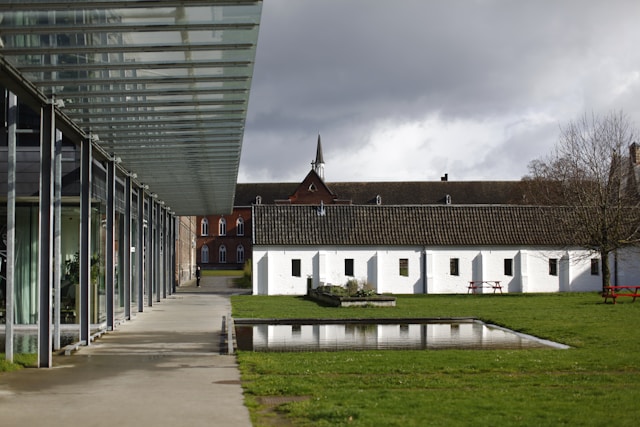
The STAM is Ghent's City Museum, offering a fascinating journey through the city's history. Housed in a mix of modern and historic buildings, including the 14th-century Bijloke Abbey, the museum uses interactive exhibits, multimedia, and artifacts to tell the story of Ghent's evolution from a medieval city to a modern metropolis. A large floor map gives visitors an overhead view of the city, highlighting its architectural and historical landmarks. STAM's innovative approach to storytelling makes it a must-visit for anyone interested in Ghent's rich past and its place in the wider world. One exhibit reconstructs the Battle of the Golden Spurs, a pivotal 14th-century conflict, using augmented reality. The museum also preserves fragments of Ghent's original city walls, unearthed during excavations for its expansion.
Ads place
Ads place
Ads place
Ads place
Ads place