
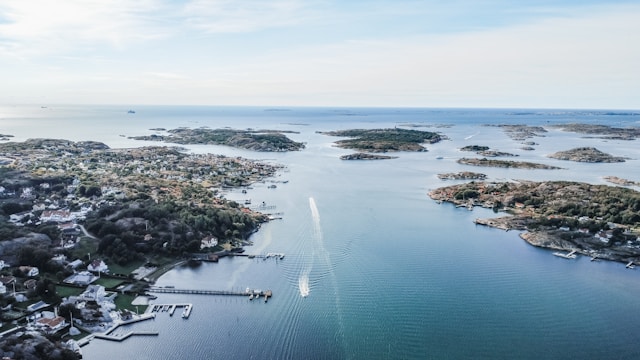
Southern Gothenburg Archipelago
In Göteborg, Sweden .
More places to visit in Göteborg
Discover more attractions and things to do in Göteborg.
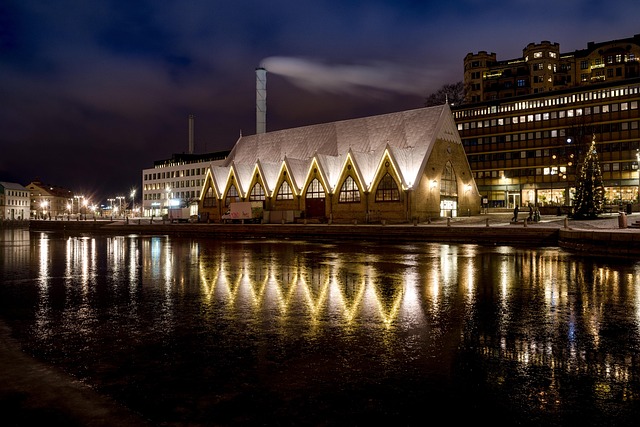
Feskekorka Fish Church
By the Rosenlund Canal a brick and timber hall rises like a church, yet the altar is ice and the sermon is shellfish. Locals call it Feskekorka, the Fish Church, a market designed by Victor von Gegerfelt and opened in 1874 with a roof that borrowed Gothic lines for honest work. After a deep restoration the doors reopened in 2024 , timed to the hall's 150th anniversary and a future secured with reinforced foundations toward the Rosenlund Canal . Stalls trim cod, ladle fish soup, and stack prawns for take away sandwiches while a mezzanine gives space for lunch with a view of the canal. Details are practical and beautiful, from plank floors to iron trusses that show how light and ventilation were once solved without engines. The building is listed since 2013 , and the renovation kept the plan flexible so seasons can set the menu. If you want a small ritual, buy shrimp by weight, find bread and aioli, and carry everything to the quay for a picnic as boats tap the stones in slow rhythm.
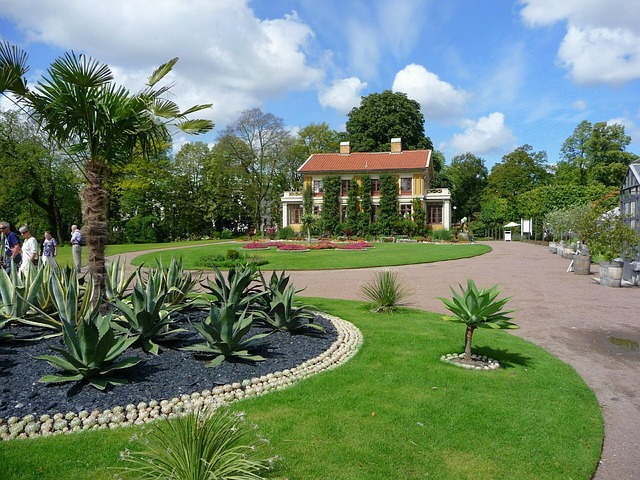
Gothenburg Botanical Garden
A few tram stops from the center, the Gothenburg Botanical Garden opens like a small landscape atlas. The figures are worth learning first. The site spans 175 hectares including the Anggardsbergen nature reserve, while the cultivated garden covers about 40 hectares with more than 16,000 species . The Rock Garden carries Michelin two stars for good reason, mixing alpine drama with clear paths that keep feet dry after rain. Spring pours color into the Rhododendron Valley, and the Japanese Glade edits shade and water into a lesson on restraint. Glasshouses are being renewed, but outdoor collections still make a full visit, from systematic beds to orchards heavy with labels for the curious. Among signature plants, the rare Sophora toromiro keeps the Easter Island story close to hand. Maps help but the best route is a loop that climbs then loops back past meadows buzzing at knee height. The garden tells a simple story with complex detail, that a city can hold wildness and precision in the same frame and teach patience without a classroom.
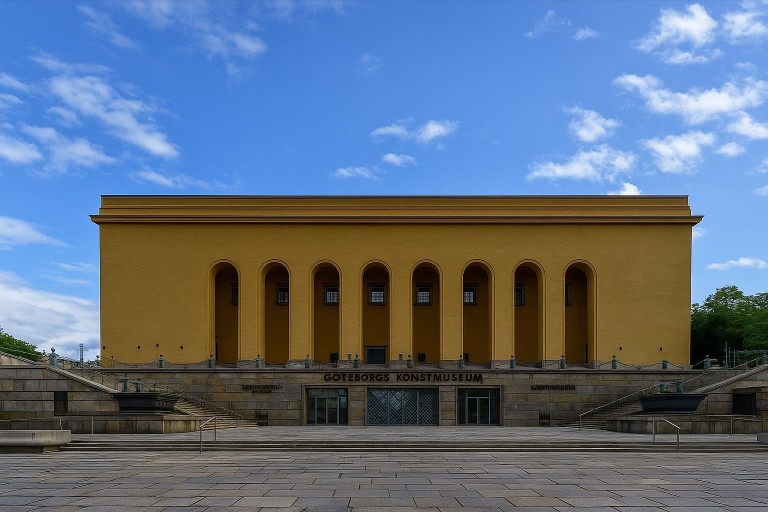
Gothenburg Museum of Art (Göteborgs Konstmuseum)
At the top of Gotaplatsen a calm stair leads into the city's best rooms for looking, the Gothenburg Museum of Art, where Nordic light fills galleries without fuss. The collection runs to about 70,000 works and is famous for the Furstenberg Gallery , a walk through turn of the century painters who gave Sweden new color. You will meet Munch and Monet, but the local school of Gothenburg Colourists deserves the longest pause. The building, completed around the city's jubilee in 1923 , still frames exhibitions with a civic clarity that suits both old masters and experiments. Labels balance biography and technique, benches face not just walls but views into other rooms, and the atrium keeps conversations soft. From outside, the Poseidon statue by Carl Milles still anchors the square like a mast. Inside, prints and drawings reveal process, while temporary shows pull in international loans that change the rhythm of repeat visits. On a wet day, the museum becomes a lighthouse for patience and close attention, a place where looking is work that rewards everyone who sits still long enough.
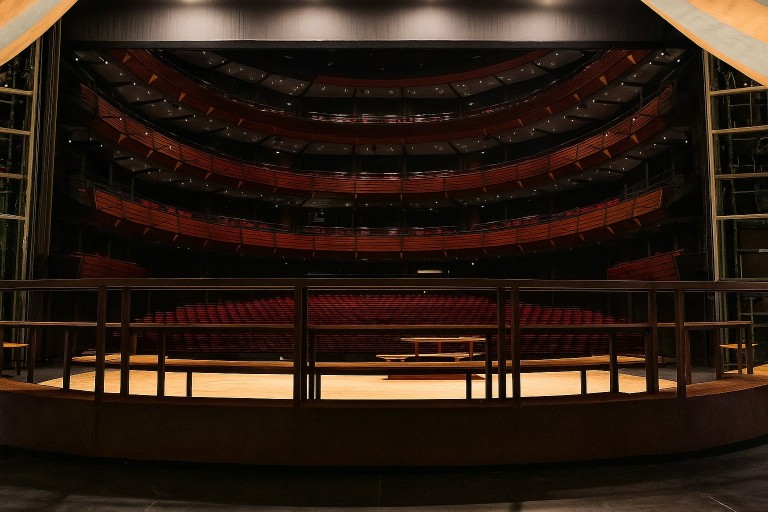
Gothenburg Opera House (Göteborgsoperan)
Harbor light flips across glass and aluminum at the waterfront home of Gothenburg's opera, a building shaped with a hint of ship and a taste for clarity. Jan Izikowitz led the design and the house opened in 1994 at Lilla Bommen , tying culture to quay with confidence. The main auditorium holds 1,276 seats and an orchestra pit that can handle about 100 players, so repertoire ranges from Verdi to new commissions. Backstage engineering moves scenery on platforms rated in tons, yet the public spaces keep a human scale, with stairs that borrow their curve from a hull. Acoustics are warm rather than flashy, and weekday rehearsals sometimes leak into foyers as a quiet bonus for early visitors. From the terrace the skyline lines up City Hall's tower, cranes, and the arch of the Alvsborg Bridge, a view that explains the nautical metaphors better than any text. The opera offers tours in English when schedules permit and the cafe works before matinees, turning a performance into a full evening without fuss.
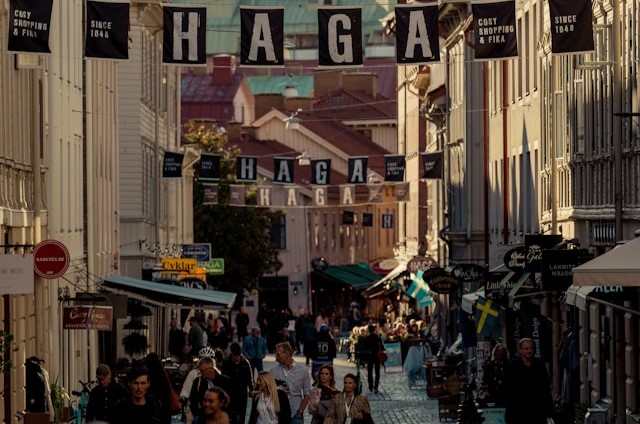
Haga District and Haga Nygata
Cobblestones slow the pace in Haga, where shopfronts and timber balconies create a street scene that photographs itself. The district began in the 17th century as Gothenburg's first suburb and today Haga Nygata is a pedestrian ribbon of cafes, vintage stores, and tiny courtyards. Look up to the hill and you will see Skansen Kronan , the star shaped fortress finished in 1698 , keeping a watch that is ceremonial rather than military. Stop at Cafe Husaren for the famed giant cinnamon bun, a local hagabulle that happily defeats napkins. A few blocks away the historic bathhouse Hagabadet remembers the hygiene reforms of the 1870s with tiled pools and stained glass. Most houses date from later rebuilds yet their scale stayed modest, so windows meet the street at eye level and secondhand finds travel home by bicycle. Haga rewards ordinary attention, from iron boot scrapers to hand painted signs, and the best itinerary is simply to walk, linger, and climb the stairs to the fortress terrace when the light softens.
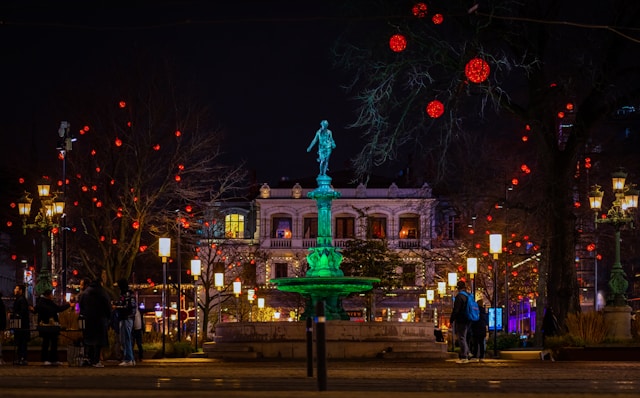
Johanna Fountain in Brunnsparken
At the center of Brunnsparken, the Johanna Fountain stands like a bronze heartbeat in Gothenburg’s busiest square. Unveiled in 1883 and sculpted by Per Hasselberg , the statue—formally titled “La Semeuse”—depicts a young woman scattering water as if it were seed, a lyrical nod to renewal and civic care. The figure rises about 7 meters above a basin ringed with mythic sea creatures, their patina shaped by rain and decades of pigeon feet. When installed, the fountain was seen as a symbol of a modern, confident city drawing wealth from trade and its working-class energy. In 1914 it was moved slightly to align with tram routes, and since then has survived both urban redesigns and occasional winter ice. Locals still call her Johanna, a name borrowed from a nearby café once popular with dockworkers. She’s more than decoration; she’s a familiar face, the square’s patient witness as trams sigh, shoppers cross, and Gothenburg continues to water its own history in small, steady gestures.
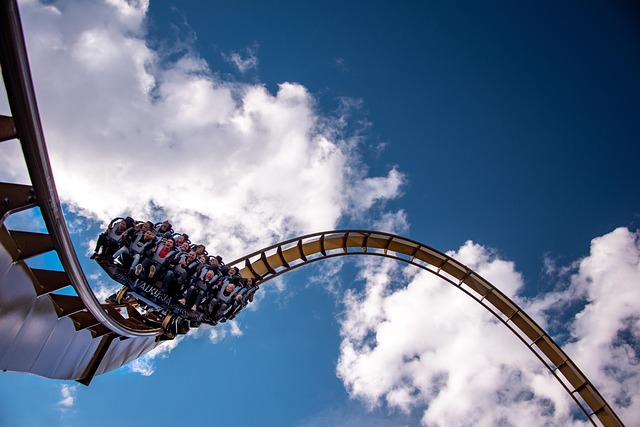
Liseberg Amusement Park
A hillside of lights and music leads you toward Sweden's busiest funfair, Liseberg, where classic gardens rub shoulders with hardware built for adrenaline. The park opened in 1923 for the city's jubilee and keeps updating its map, from the steel coaster Helix, which hits 100 km/h , to AtmosFear, a drop from 116 meters that turns views into pure physics. Wooden legend Balder, launched in 2003 by Intamin, still wins polls thanks to prefabricated track from Stengel 's design office and a lift of 36 meters . Between rides you find rose beds, stage shows, and steady Gothenburg humor at the lottery stands. Food skews carnival but a few town chefs use the park as a seasonal pop up, which locals track like weather. Arrive by tram to Korsvagen, walk past nearby museums, and you hear the lift chains before you see the skyline. Liseberg works because it mixes sentiment with engineering and lets families and coaster fans share the same queue without compromise.
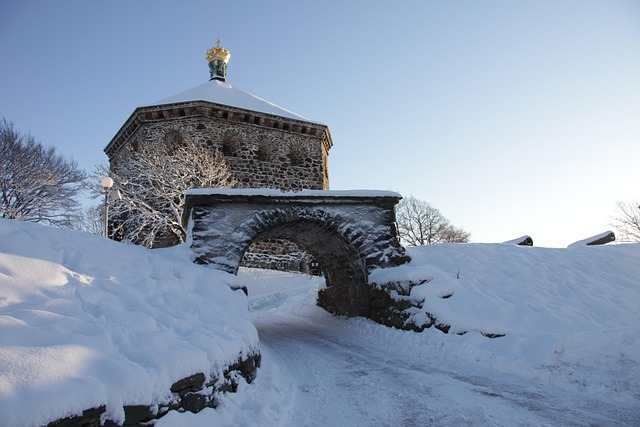
Skansen Kronan Fortress
From Haga you climb a steep stair to a granite crown that never had to roar. Skansen Kronan was planned by Erik Dahlbergh and construction began in 1687 ; the fort was officially commissioned in 1698 . Its walls run 4–7 meters thick and the cannons never fired in anger, which suits the peaceful view over roofs, cranes, and the curve of the Gota alv. Later the fortress served as prison, signal point, and museum, a practical Swedish habit of reuse. Today the interior hosts events and a simple cafe when in season, while the ramparts offer benches out of the wind. The site has been protected as a listed building since 1935 , and the climb rewards patience, especially near sunset when the city trades its harbor grit for warm brick. If you want a quick history lesson, count the bastions and remember that geometry once kept enemies honest. The place proves that defense values height, material, and line of sight, and that the best artillery now is a thermos and time.
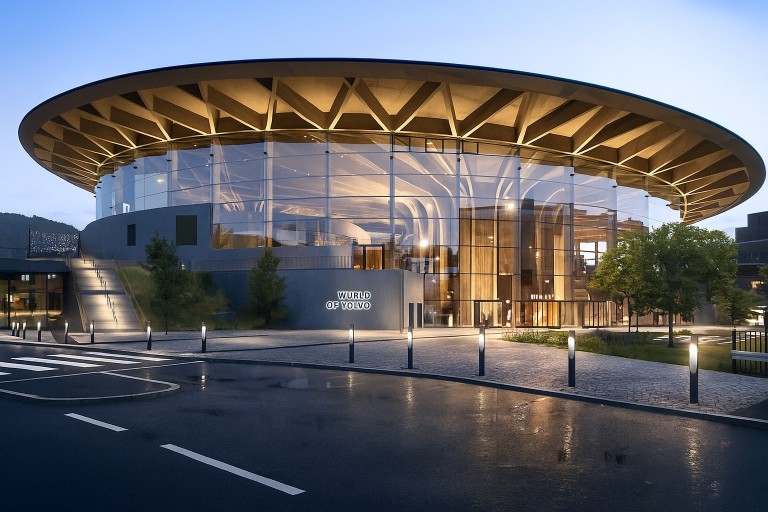
World of Volvo Experience Center
A new landmark near Korsvagen wraps culture in wood, World of Volvo, a circular hall where brand history and public events share one address. The building by Henning Larsen uses mass timber in heroic spans and covers about 22,000 square meters , its glulam columns fanning like trees under a clear roof. The center opened on 14 April 2024 , the company's anniversary, and replaced the old museum with a venue built for concerts, talks, and hands on exhibits. Design details take their cue from Swedish nature, yet the displays face the city with stories about work, export, and safety. One gallery credits Nils Bohlin and the three point seat belt of 1959 , a patent shared freely that changed how the world drives. Workshops for kids and archives for nerds keep both ends of curiosity happy, and the cafe looks toward Liseberg so the day can fold neatly. Even if cars are not your hobby, the architecture alone earns the trip, proof that timber can carry civic scale without feeling heavy.