

Science Park
In Granada, Spain .
More places to visit in Granada
Discover more attractions and things to do in Granada.
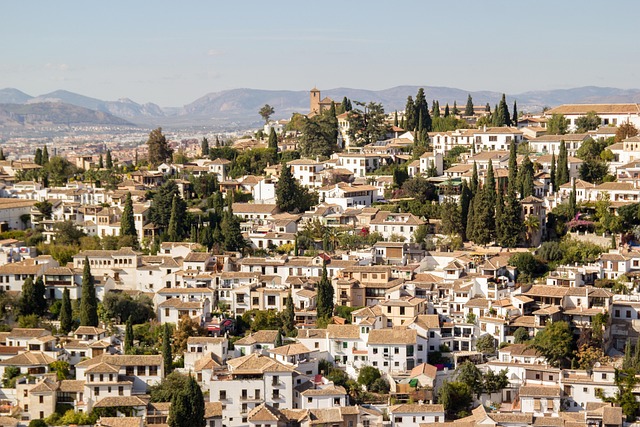
Albaicín
The Albaicín is one of Granada's most historic and picturesque neighborhoods, known for its narrow winding streets, whitewashed buildings, and stunning views of the Alhambra. This UNESCO World Heritage Site preserves the city's Moorish heritage and offers visitors a chance to step back in time. The Albaicín is a maze of cobblestone alleys, hidden courtyards, and traditional houses adorned with flowers. One of the highlights of the neighborhood is the Mirador de San Nicolás , a popular viewpoint that offers breathtaking panoramas of the Alhambra against the backdrop of the Sierra Nevada mountains . Visitors can also explore historic landmarks such as the Church of San Salvador, built on the site of a former mosque, and the Arab baths of El Bañuelo , which date back to the 11th century . The Albaicín is a vibrant area with a bohemian atmosphere, featuring local artisans, tapas bars, and boutique shops. Whether you're strolling through its charming streets or enjoying the lively ambiance of its plazas, the Albaicín is a must-visit destination that captures the essence of Granada's rich cultural heritage.
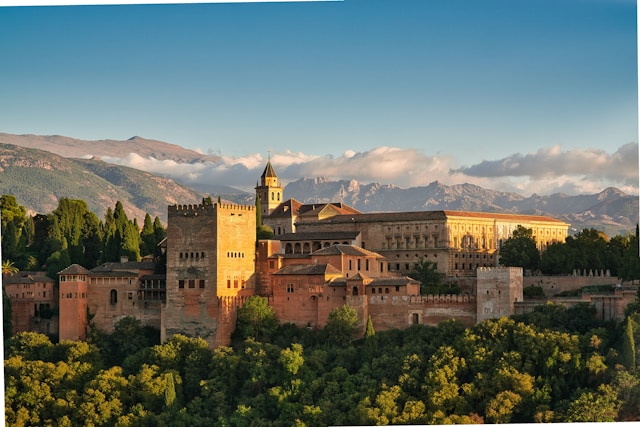
Alhambra
The Alhambra is one of the most iconic landmarks in Granada and a UNESCO World Heritage Site . This stunning palace and fortress complex was originally constructed in the 9th century and later transformed by the Nasrid dynasty during the 13th and 14th centuries into an exquisite example of Islamic architecture . The Alhambra is renowned for its intricate stucco work , beautifully designed gardens, and richly decorated halls that showcase the artistry of the Moors. The Nasrid Palaces , the heart of the complex, are filled with intricate carvings, delicate arches, and serene courtyards. The Court of the Lions , with its iconic fountain, is a highlight for visitors. Beyond the palaces, the Generalife gardens provide a peaceful retreat with their lush greenery and trickling fountains. Visitors can also explore the Alcazaba , the fortress section of the Alhambra, which offers breathtaking panoramic views of Granada and the Sierra Nevada mountains . The Alhambra is more than just a historic site, it is a masterpiece that reflects the rich cultural heritage and artistic brilliance of Andalusia. Due to its immense popularity, it is advisable to book tickets in advance to fully experience the grandeur of this remarkable place.
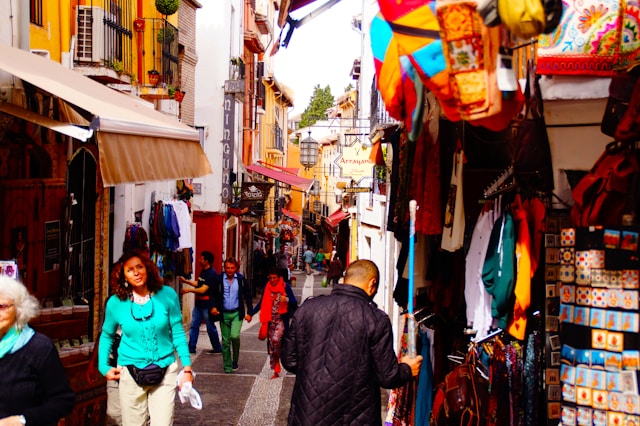
Calle Calderería Nueva
Calle Calderería Nueva, also known as the 'Tea Street' , is one of Granada's most colorful and vibrant streets. Located in the Albaicín neighborhood , this narrow street is lined with shops and cafes that reflect the city's Moorish heritage . Visitors can find an array of unique items, including handmade jewelry, textiles, ceramics, and traditional tea sets. The street is also famous for its teterías , or tea houses, where visitors can enjoy a wide variety of teas, pastries, and hookahs in a cozy and exotic atmosphere. The decor of the tea houses features intricate patterns, lanterns, and colorful cushions, transporting visitors to a different time and place. Calle Calderería Nueva is a sensory delight, with the aroma of spices and teas wafting through the air and the sound of street musicians adding to the lively ambiance. Whether you're shopping for souvenirs, savoring traditional treats, or simply strolling through this enchanting street, Calle Calderería Nueva is a must-visit destination for anyone exploring Granada.
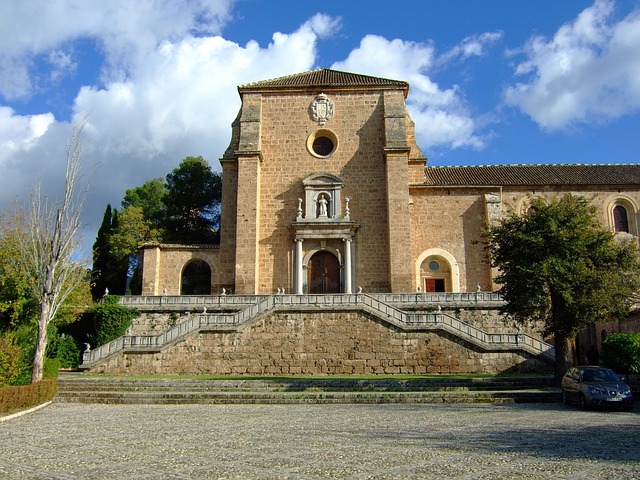
Cartuja Monastery
The Cartuja Monastery, also known as the Monasterio de la Cartuja, is a Baroque masterpiece located on the outskirts of Granada. Founded in the 16th century , the monastery is renowned for its stunning architecture and artistic interiors. The highlight of the monastery is its richly decorated sacristy , which features intricate stucco work , gilded details, and colorful frescoes. The church's altarpiece is a spectacular example of Spanish Baroque art, adorned with sculptures and paintings that reflect the grandeur of the era. The cloister, with its serene gardens and elegant arches, provides a peaceful retreat for visitors. The Cartuja Monastery is not only a place of spiritual significance but also a cultural treasure that showcases the artistic brilliance of the Spanish Baroque period . Its location, overlooking the city and the surrounding countryside, adds to its charm and makes it a must-visit destination for those exploring Granada.
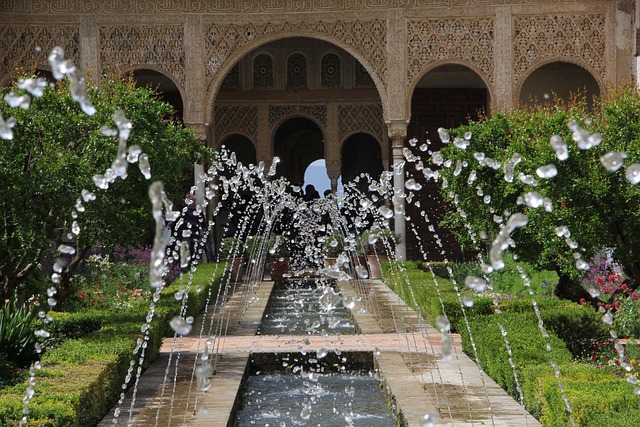
Generalife
The Generalife, located adjacent to the Alhambra, is a serene and picturesque retreat that once served as a summer palace for the Nasrid sultans. This enchanting site is renowned for its lush gardens, flowing water features, and breathtaking views of the surrounding landscape. Built in the 14th century , the Generalife showcases the Nasrid dynasty 's appreciation for harmony between architecture and nature. Visitors can wander through intricately designed courtyards adorned with colorful flowers, neatly trimmed hedges, and fountains that create a soothing atmosphere. The Patio de la Acequia , or Courtyard of the Water Channel, is the highlight of the Generalife. Its long pool flanked by vibrant flowerbeds and gentle water jets epitomizes the elegance and tranquility of Islamic garden design . The Generalife offers a peaceful escape from the hustle and bustle of Granada, allowing visitors to immerse themselves in the beauty and serenity of this historic site. The views of the Alhambra, the city, and the Sierra Nevada mountains from the Generalife are absolutely mesmerizing, making it a must-visit destination for anyone exploring Granada.
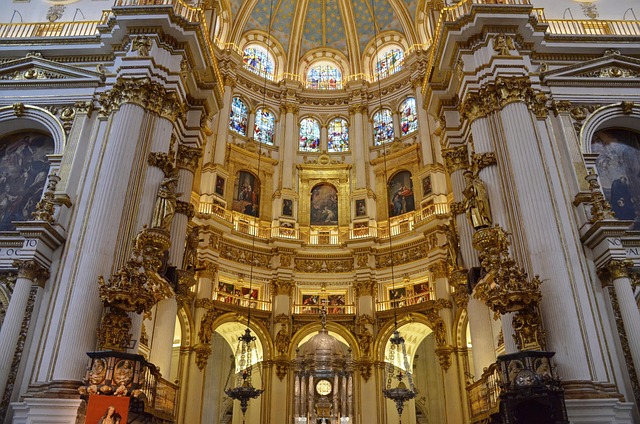
Granada Cathedral
The Granada Cathedral, also known as the Cathedral of the Incarnation, is a magnificent Renaissance masterpiece that dominates the city's skyline. Constructed in the 16th century on the site of a former mosque, the cathedral reflects the transition from Gothic to Renaissance architectural styles. Its impressive façade, adorned with ornate sculptures and intricate details, sets the tone for the grandeur that awaits inside. The interior of the cathedral is equally stunning, featuring soaring columns, beautifully decorated chapels, and a stunning dome that fills the space with natural light. One of the highlights of the cathedral is its main altar , which is adorned with intricate carvings and golden accents. Adjacent to the cathedral is the Royal Chapel , the final resting place of Catholic Monarchs Ferdinand and Isabella . Visitors can pay their respects to these historical figures and admire the exquisite tombs crafted from white marble. The Granada Cathedral is not only a place of worship but also a testament to the artistic and architectural achievements of the Spanish Renaissance. Its grandeur and historical significance make it an essential stop for anyone exploring Granada.
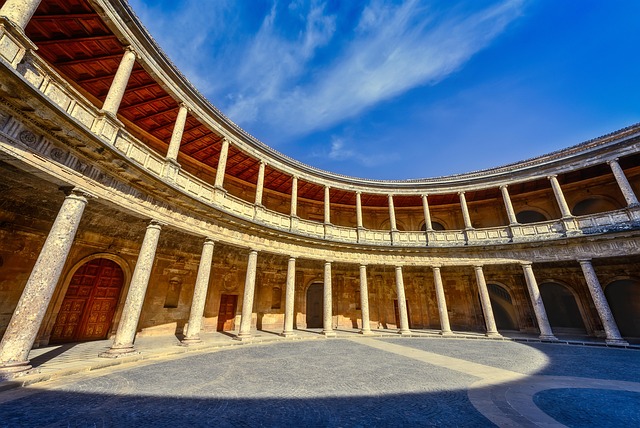
Palacio de Carlos V
The Palacio de Carlos V is a stunning Renaissance-style palace located within the Alhambra complex in Granada, Spain. Commissioned by Emperor Charles V in the 16th century , the palace was intended as a royal residence that would showcase the power and influence of the Habsburg dynasty . Its architecture, designed by Pedro Machuca , reflects the influence of Italian Renaissance styles, making it unique among the Moorish structures of the Alhambra. The building features a massive square exterior, yet its most striking element is the grand circular courtyard in the center, an architectural masterpiece with two levels of elegant colonnades. The lower level consists of Doric columns , while the upper level is adorned with Ionic pillars , creating a sense of classical harmony. Despite its grandeur, the palace was never completed as a royal residence, and Charles V never lived there. Today, the Palacio de Carlos V houses the Museum of the Alhambra and the Fine Arts Museum of Granada, showcasing an impressive collection of Islamic and Spanish art. Visitors can explore the museum exhibits, admire the exquisite stonework, and enjoy breathtaking views of the surrounding Alhambra. The palace is a remarkable example of Renaissance architecture in Spain and a must-visit for history and architecture enthusiasts visiting Granada.
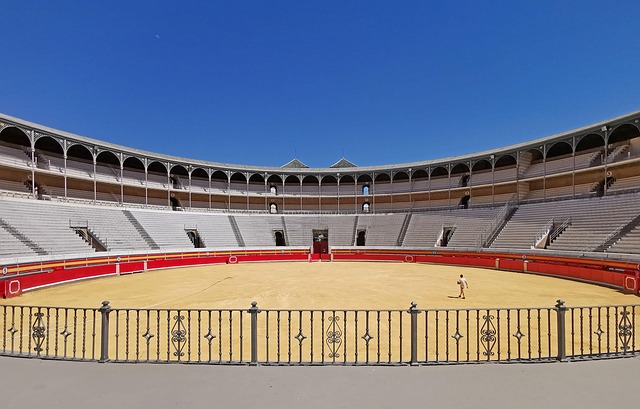
Plaza de Toros de Granada
The Plaza de Toros de Granada is one of the most iconic bullrings in Andalusia, blending history, architecture, and Spanish tradition. Built in 1928 , this impressive structure features a stunning Neo-Mudejar design , characterized by intricate brickwork, horseshoe arches, and decorative tile details. With a capacity of approximately 12,000 spectators , it has been the stage for numerous bullfighting events, particularly during the famous Corpus Christi festival , one of Granada's most important celebrations. The bullring is divided into three seating sections—sol (sun), sombra (shade), and a mixed section—offering different experiences depending on the time of day. Beyond its use for bullfighting, Plaza de Toros de Granada has evolved into a multi-purpose venue, hosting concerts, exhibitions, and cultural events. Visitors can take guided tours to explore the historic corridors, visit the museum inside, and learn about the deep-rooted tradition of bullfighting in Spain. Surrounding the bullring, there are several tapas bars and restaurants where guests can enjoy local delicacies such as jamón ibérico and Andalusian gazpacho . Whether attending a live event or simply admiring its architectural beauty, Plaza de Toros de Granada remains a significant cultural landmark in the city.
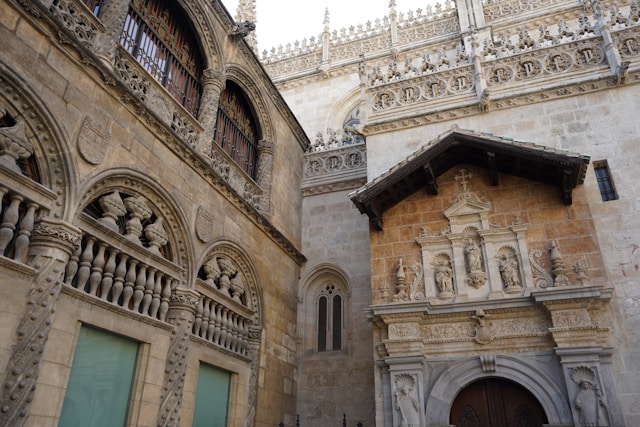
Royal Chapel of Granada
The Royal Chapel of Granada (Capilla Real) is a historical and architectural treasure located in the heart of the city. Built in the early 16th century , this stunning chapel was commissioned by Catholic Monarchs Ferdinand and Isabella as their final resting place. The chapel is a remarkable example of Gothic and Renaissance architectural styles, featuring intricate stonework, soaring ceilings, and beautiful stained glass windows . Inside, visitors can admire the elaborate tombs of Ferdinand and Isabella, crafted from Carrara marble by the Italian sculptor Domenico Fancelli . The chapel also houses the tombs of their daughter Joanna of Castile and her husband, Philip the Handsome. The Royal Chapel is home to a fascinating museum that displays a collection of religious artifacts, royal relics, and artworks, including paintings by renowned artists such as Botticelli and Rogier van der Weyden . The chapel holds great historical significance as it symbolizes the unification of Spain under Catholic rule. A visit to the Royal Chapel of Granada offers a unique glimpse into the history and legacy of Spain's most influential monarchs.