
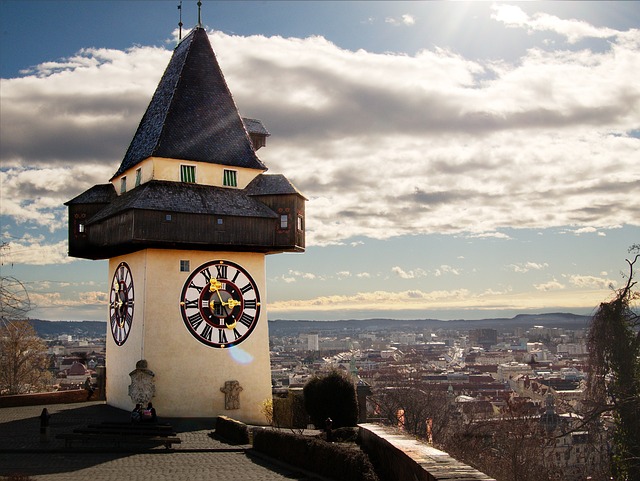
Schlossberg and Uhrturm (Clock Tower)
In Graz, Austria .
More places to visit in Graz
Discover more attractions and things to do in Graz.
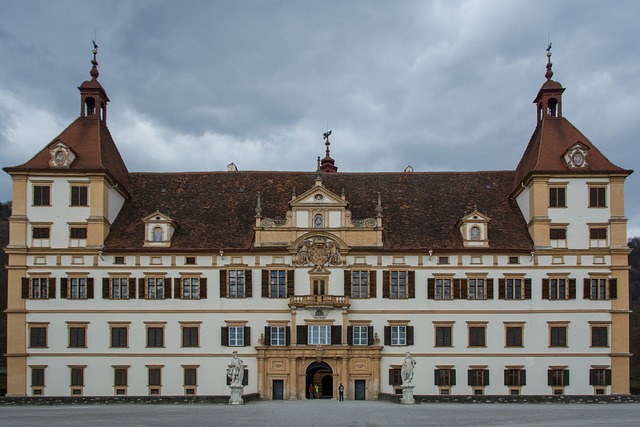
Eggenberg Palace (Schloss Eggenberg)
Eggenberg Palace is a magnificent Baroque palace on the western edge of Graz. Built in the 17th century for the Eggenberg family, it is surrounded by extensive gardens and parks. The palace is renowned for its rich architectural and artistic heritage, symbolizing the grandeur of the Baroque period. The state rooms, with their original furnishings and elaborate frescoes, offer a glimpse into the opulent lifestyle of the aristocracy. The Planetary Room , adorned with astrological symbols and paintings of celestial bodies, is one of the palace's highlights. Eggenberg Palace is also home to several museums, including the Alte Galerie , which houses a collection of medieval and early modern art. The surrounding park is a tranquil retreat with peacocks roaming freely and beautifully landscaped gardens. Eggenberg Palace is a UNESCO World Heritage site, recognized for its historical and cultural significance. It serves as a venue for cultural events, concerts, and exhibitions, attracting visitors from around the world.
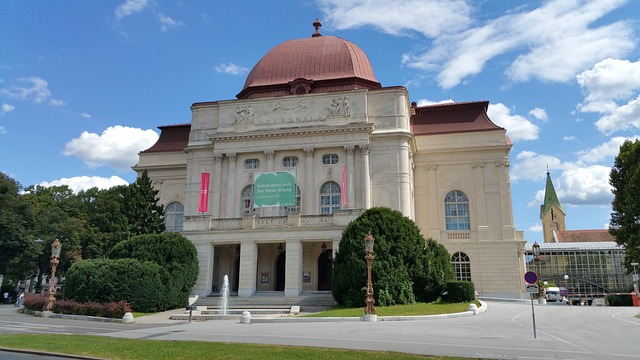
Graz Opera House
The Graz Opera House, or Oper Graz, is one of the city's most prominent cultural institutions. Opened in 1899 , the opera house is a splendid example of neo-Baroque architecture. It was designed by the renowned Viennese architects Ferdinand Fellner and Hermann Helmer , who were responsible for many famous theaters in Central Europe. The interior is richly decorated with ornate stucco work, chandeliers, and lavish furnishings, creating an opulent atmosphere. The opera house hosts a diverse program of operas, ballets, and concerts, attracting both local and international artists. It is renowned for its high artistic standards and innovative productions. The Graz Opera House also offers guided tours, providing visitors with insights into its history and behind-the-scenes operations. The adjacent opera park is a lovely place to relax before or after a performance. The opera house plays a vital role in the cultural life of Graz, contributing significantly to its reputation as a city of music and arts.
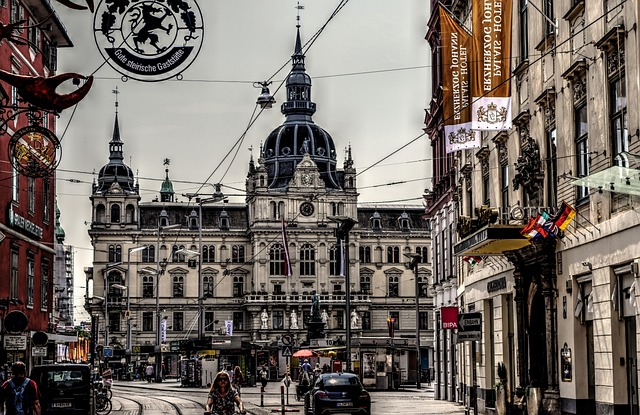
Hauptplatz (Main Square)
Hauptplatz is the main square of Graz, located in the heart of the city. It has been the center of public life since the Middle Ages and continues to be a bustling hub of activity. The square is surrounded by beautiful historic buildings, including the imposing Town Hall , which dominates the western side. In the center of Hauptplatz stands a grand statue of Archduke Johann , a beloved figure in Styrian history. The square hosts various markets, including the popular Christmas market , which transforms it into a festive wonderland. Numerous cafes, restaurants, and shops line the square, offering a vibrant atmosphere for both locals and tourists. Hauptplatz is also the starting point for exploring the nearby historic streets and alleys of the Old Town. The square frequently serves as a venue for cultural events, concerts, and public celebrations. Its central location and lively ambiance make it a perfect spot to experience the pulse of Graz.
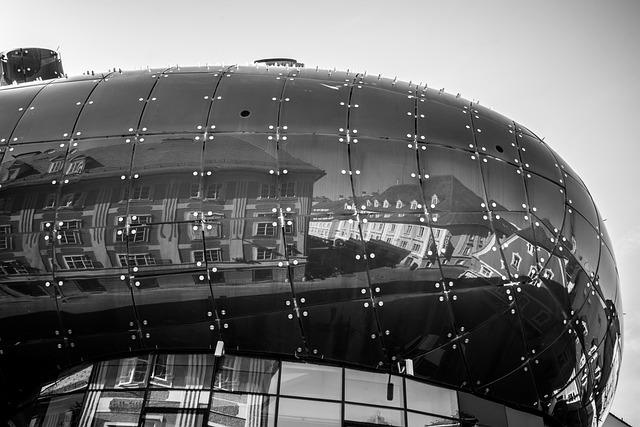
Kunsthaus Graz (Graz Art Museum)
Kunsthaus Graz, often referred to as the "Friendly Alien" , is a contemporary art museum known for its distinctive and futuristic architecture. Designed by architects Peter Cook and Colin Fournier , it opened in 2003 when Graz was the European Capital of Culture . The building's organic, blob-like form is covered in a skin of iridescent blue panels , giving it a unique and otherworldly appearance. Inside, the museum features flexible and open gallery spaces that host a variety of contemporary art exhibitions. The Kunsthaus does not have a permanent collection; instead, it focuses on temporary exhibitions that showcase the work of international and Austrian artists. The museum also includes a viewing platform , offering stunning views of Graz. The design of Kunsthaus Graz reflects the city's commitment to modern architecture and contemporary art. It has become a landmark in Graz, attracting art enthusiasts from around the world. The museum also hosts educational programs, workshops, and lectures, making it an important cultural and artistic hub in the city.
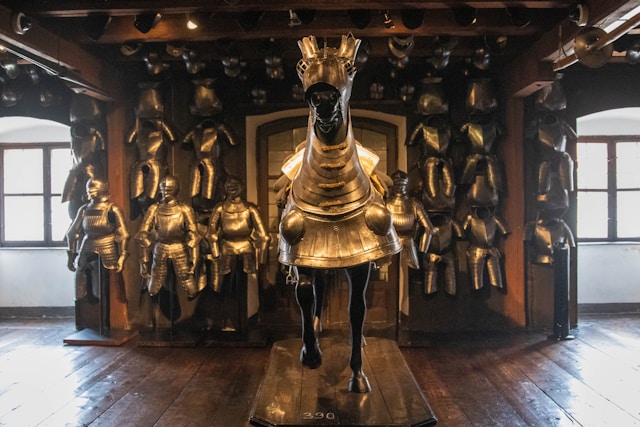
Landeszeughaus (Styrian Armoury)
The Landeszeughaus, or Styrian Armoury, is the world's largest historical armory , located in the heart of Graz. Built in the mid-17th century , it houses an extensive collection of arms and armor, reflecting the military history of Styria. The four-story building contains over 32,000 exhibits , including swords, muskets, suits of armor, and cannons. The armory was originally constructed to defend the region against Ottoman invasions and other threats. Today, it serves as a museum, showcasing the craftsmanship and technological advancements of the period. The collection is remarkably well-preserved, offering a fascinating insight into the martial culture of the past. Guided tours provide detailed information about the exhibits and the historical context. The Landeszeughaus is a unique and captivating attraction for history enthusiasts and anyone interested in military heritage. Its impressive array of weaponry and armor makes it a standout museum in Graz.
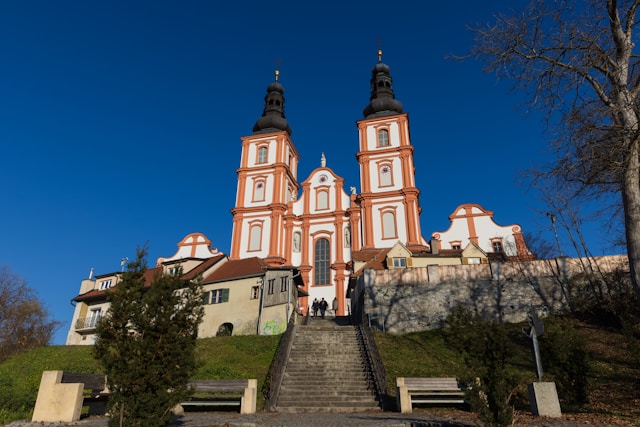
Mariatrost Basilica
Mariatrost Basilica, located on the outskirts of Graz atop the Purberg hill, is one of the most significant and picturesque pilgrimage sites in Austria. The basilica, dedicated to the Virgin Mary, translates to "Mary of Consolation" and has been a beacon of faith and solace for pilgrims since its completion in the early 18th century . The construction of the basilica began in 1714 and was completed in 1724 . The architectural style is a stunning example of Baroque design, characterized by its ornate details, grandeur, and harmonious proportions. The basilica's twin-towered facade is particularly striking, and it can be seen from various points in Graz, serving as a landmark for both locals and visitors. Inside, the basilica is equally impressive. The high altar, designed by the famous Baroque sculptor Josef Stammel , features a revered image of the Madonna and Child, which is the focal point of the pilgrimage. The interior is richly decorated with frescoes, stucco work, and gilded accents, creating a breathtakingly beautiful and spiritual atmosphere. The ceiling frescoes, painted by Lukas von Schram , depict scenes from the life of the Virgin Mary and various saints, adding to the basilica's artistic and religious significance.
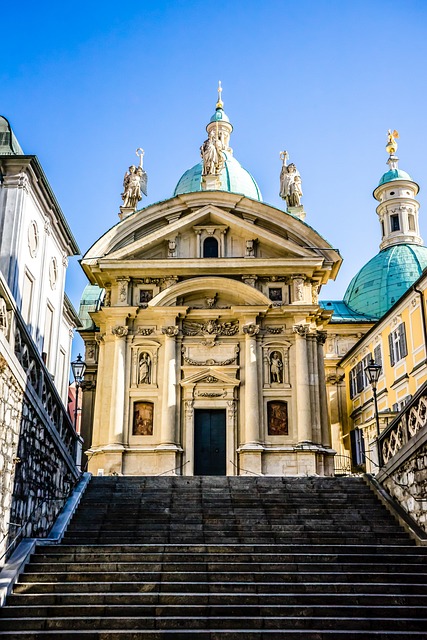
Mausoleum of Emperor Ferdinand II
The Mausoleum of Emperor Ferdinand II in Graz is one of the most significant examples of Mannerist and Baroque architecture in Austria. Located adjacent to the Graz Cathedral (Dom), this grand structure was commissioned by Emperor Ferdinand II in the early 17th century as his final resting place. The construction of the mausoleum began in 1614 under the direction of Italian architect Giovanni Pietro de Pomis , and it was completed in the mid-17th century by the renowned architect Fischer von Erlach . The mausoleum's exterior features a striking façade adorned with statues and intricate reliefs, reflecting the opulence and artistic sophistication of the period. The imposing dome , one of the earliest of its kind in Austria, adds to the mausoleum's grandeur and prominence on the Graz skyline. The interior is equally impressive, with its richly decorated chapel, magnificent frescoes, and elaborate stucco work.
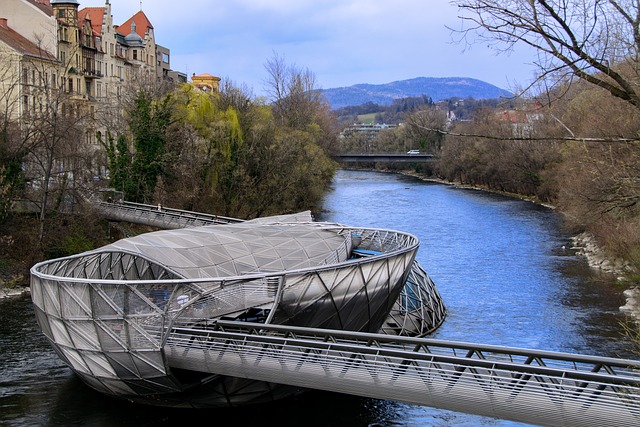
Murinsel (Mur Island)
Murinsel, or Mur Island, is a striking modern structure floating on the Mur River. Designed by the American artist Vito Acconci , it was constructed in 2003 to commemorate Graz's designation as the European Capital of Culture . The island is connected to both riverbanks by two footbridges, creating a unique blend of natural and urban landscapes. Murinsel's design resembles a giant, futuristic shell and is made of steel and glass . It houses an amphitheater, a café, and a children's playground. The amphitheater is used for various cultural performances and events, making Murinsel a vibrant cultural hub. The café offers a relaxing spot for visitors to enjoy views of the river and the city. At night, the island is beautifully illuminated, enhancing its modern aesthetic. Murinsel is a popular spot for both locals and tourists, providing a peaceful retreat in the middle of the bustling city. Its innovative design and multifunctional space symbolize Graz's blend of tradition and modernity, making it a must-visit landmark in the city.
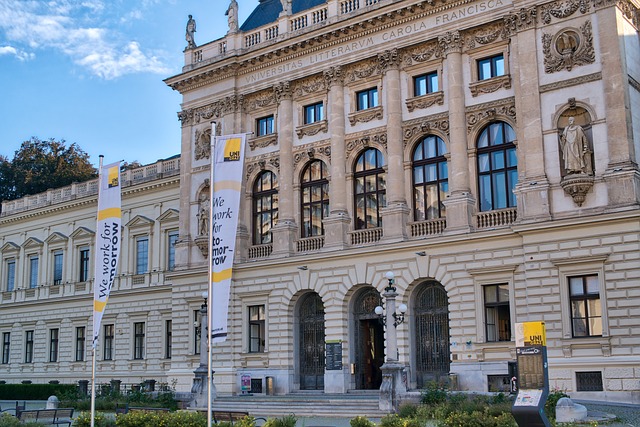
University of Graz
The University of Graz, officially known as Karl-Franzens-Universität Graz , is one of Austria's most prestigious and historic universities. Founded in 1585 by Archduke Karl II of Inner Austria , it is the second oldest university in the country and one of the largest, with a student population exceeding 30,000. The university is named after Emperor Franz II , who re-established it in 1827 after it was temporarily closed during the Napoleonic Wars. The university boasts a rich academic tradition and is renowned for its comprehensive range of study programs and research disciplines. It offers degrees in humanities, natural sciences, social sciences, law, business, theology, and more. The university's commitment to research excellence is evidenced by its numerous research centers and collaborative projects, both nationally and internationally. The main campus of the University of Graz is centrally located, featuring a blend of historic and modern architecture. Notable buildings include the main building, constructed in the 19th century , and the modern RESOWI Center , which houses the social sciences and law faculties. The campus provides a vibrant academic atmosphere, with numerous libraries, lecture halls, and research facilities available to students and staff.