
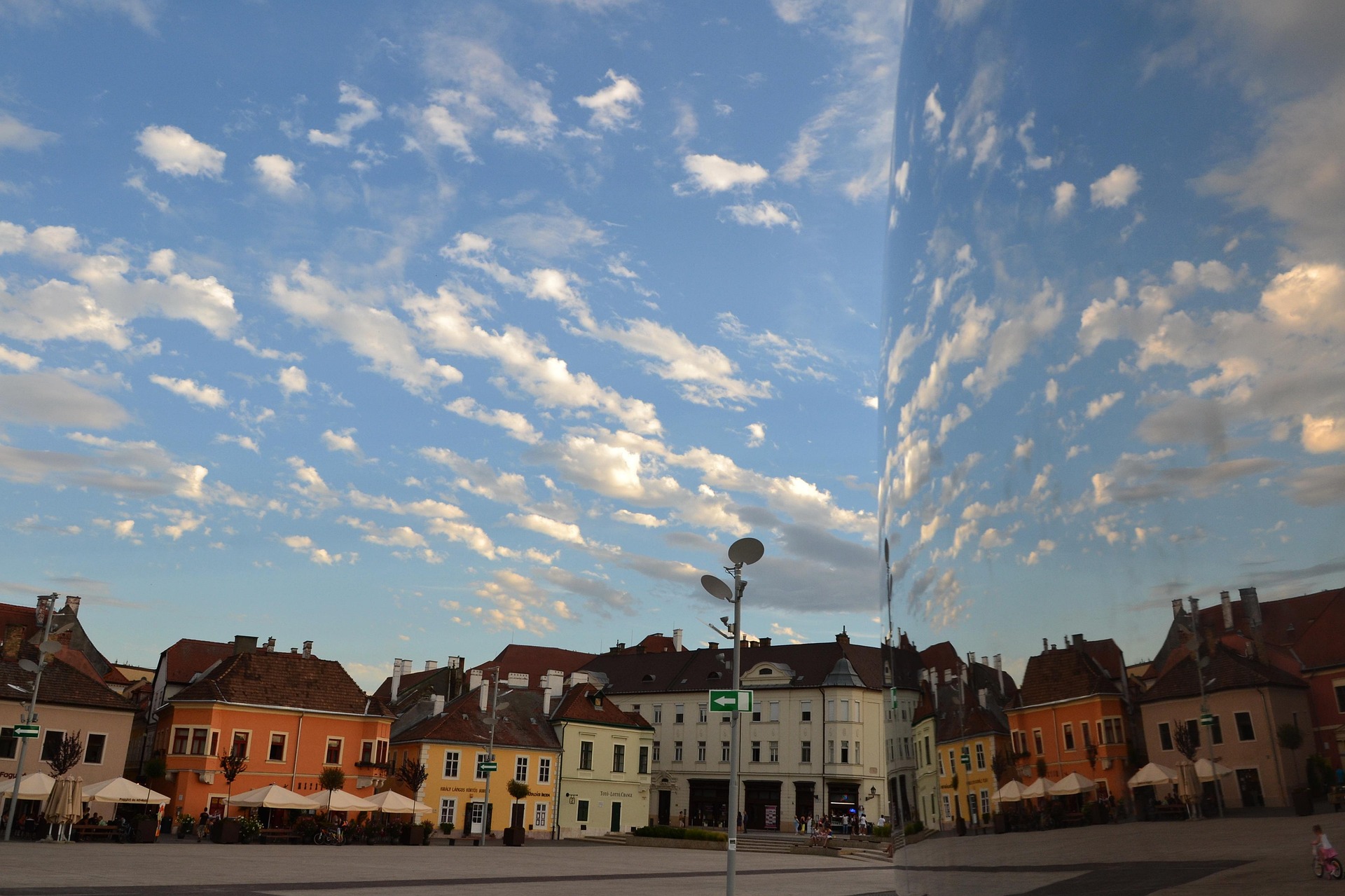
City view of Gyor, Hungary

Gyor

Gyor, at the confluence of the Danube, Rába and Mosoni-Duna rivers, dazzles with baroque elegance and lively urban energy. Stroll the cobblestone streets of the Old Town, where pastel-colored façades and ornate churches reflect centuries of Habsburg influence. Admire the 13th-century Bishop’s Castle and the twin-towered Cathedral, home to King Ladislaus I’s revered relic. The bustling Széchenyi Square hosts open-air markets and summer festivals, while riverside promenades invite relaxing walks or boat rides. Gyor’s vibrant arts scene includes theaters, galleries and the famous Ballet of Gyor. Savor hearty Hungarian cuisine in cozy bistros, or try the city’s own beer at historic cellars. A hub for students and travelers, Gyor’s welcoming spirit, rich history and riverside beauty make it a must-visit city between Budapest and Vienna. During Advent, the city lights up with a festive Christmas market, featuring local crafts and mulled wine.

Top attractions & things to do in Gyor

If you’re searching for the best things to do in Gyor, this guide brings together the top attractions and must-see places to visit in Gyor. The top picks below highlight the most visited sights for first-time visitors, plus a few local favorites worth adding.

Bences Archabbey of Pannonhalma in Gyor, Hungary

Bences Archabbey of Pannonhalma

The Bences Archabbey of Pannonhalma stands proudly on a hill just outside Gyor, recognized as a UNESCO World Heritage Site and an enduring center of monastic life since 996 AD. Founded by Prince Geza, it became one of Hungary’s oldest religious institutions. The abbey complex features a medieval basilica, an elegant library with over 360,000 volumes, and ancient crypts where early abbots rest. Its botanical gardens and vineyards produce highly regarded herbal liqueurs and wines. During turbulent centuries, the abbey sheltered scholars and preserved national treasures, especially during the Turkish occupation and Communist era. The site continues to host international conferences and classical music festivals. Guided tours reveal monastic rituals, centuries-old manuscripts, and stories of resistance against political oppression. The panoramic walkway around the abbey offers sweeping views of the surrounding countryside, making it a favorite destination for history lovers and those seeking spiritual calm.
Ads place
Ads place
Ads place
Ads place
Ads place
Gyor Basilica in Gyor, Hungary

Gyor Basilica

The imposing cathedral that rises above the city center is known for its rich religious and architectural history. Consecrated in the early 11th century, the basilica has witnessed numerous reconstructions, most notably after the devastating Mongol invasion and again following Baroque-era expansions. Its reliquary houses the preserved right hand of Saint Ladislaus, a revered Hungarian king, drawing pilgrims year-round. The intricate stucco ceilings, vibrant frescoes, and golden altars speak to centuries of artistic patronage. During World War II, parts of the basilica were used to safeguard valuable manuscripts and sacred artifacts from destruction. A lesser-known detail is the crypt beneath the main altar, where bishops and local nobility are interred. Every summer, the basilica’s organ concerts fill the nave with majestic sound, continuing a musical tradition that has endured for generations. Visitors often marvel at the panoramic views from the tower, which showcase Gyor’s historic skyline and the meeting of three rivers.
Ads place
Ads place
Ads place
Ads place
Ads place
Gyor Town Hall in Gyor, Hungary

Gyor Town Hall

Gyor Town Hall, an architectural jewel of Hungarian Secessionist style, dominates Szechenyi Square with its ornate façade and towering spire. Completed in 1898, the building reflects the optimism of Hungary’s turn-of-the-century economic boom. Inside, visitors can admire opulent stained glass windows, intricate wood carvings, and a grand staircase leading to the city council chambers. The town hall is still the seat of local government and hosts official events as well as art exhibitions in its historic halls. During the 1956 Revolution, the building served as a critical communications center for local resistance leaders. Few know about the underground passages once used by city officials to escape sieges in past centuries. Each evening, the illuminated façade becomes a popular subject for photographers and tourists alike. The town hall’s clock chimes mark the rhythm of daily life in Gyor, making this elegant structure a true symbol of civic pride.
Ads place
Ads place
Ads place
Ads place
Ads place
Jedlik Anyos Museum in Gyor, Hungary

Jedlik Anyos Museum

Dedicated to one of Hungary’s most brilliant inventors, the Jedlik Anyos Museum celebrates the achievements of Anyos Jedlik, who pioneered the electric motor and dynamo in the 19th century. The museum is housed in a former grammar school where Jedlik both studied and later taught. Interactive exhibits allow visitors to experiment with early models of his inventions and discover the evolution of electrical engineering. A highlight is the original dynamo built by Jedlik, which still functions. The museum also explores the broader scientific renaissance in Hungary and Jedlik’s collaboration with other famous scholars. Rare archival documents, letters, and personal objects reveal his lasting impact on European technology. School groups frequently participate in hands-on science demonstrations, fostering the next generation of inventors. The museum shop offers unique souvenirs inspired by Jedlik’s work. This small but fascinating museum is a must-see for anyone interested in science and the history of innovation.
Ads place
Ads place
Ads place
Ads place
Ads place
Raba Quelle Thermal Bath in Gyor, Hungary

Raba Quelle Thermal Bath

Raba Quelle Thermal Bath, located at the confluence of the Raba, Danube, and Mosoni-Danube rivers, is Gyor’s celebrated wellness destination. Opened in 1931, it quickly became known for its medicinal thermal waters, which are rich in minerals and reputed to ease joint and muscle ailments. The complex features a variety of indoor and outdoor pools, saunas, and a dedicated wellness center offering traditional Hungarian and modern therapies. Raba Quelle also hosts night-time spa parties, drawing locals and tourists for music and relaxation under the stars. The site is built on historic Roman ruins, and archaeologists have unearthed ancient coins and mosaic fragments nearby, connecting modern leisure to Gyor’s ancient past. The rooftop terrace provides sweeping river views and an oasis of calm above the city bustle. Wellness seekers and history buffs alike find Raba Quelle a unique blend of recreation and living heritage.
Ads place
Ads place
Ads place
Ads place
Ads place