
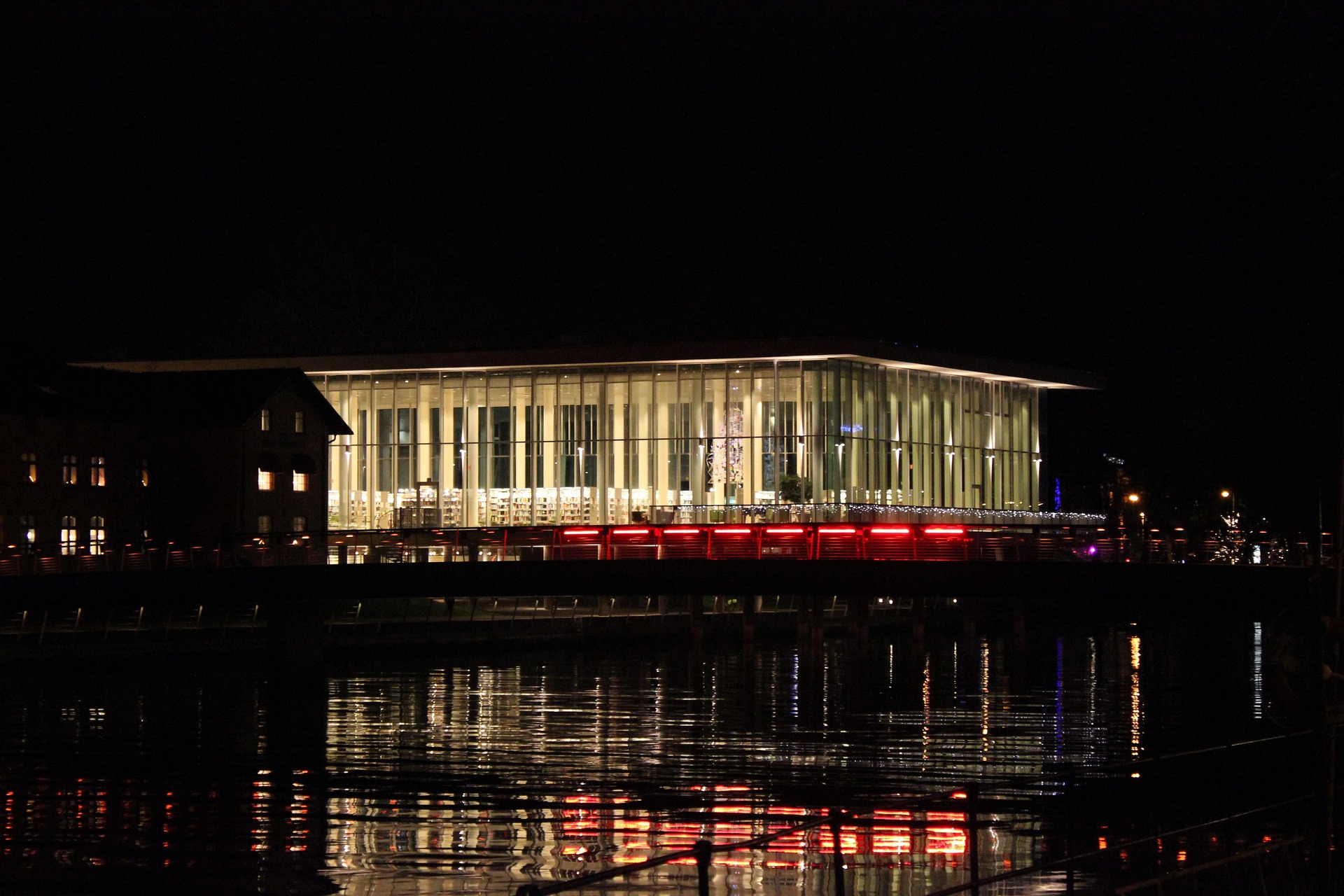
City view of Halmstad, Sweden

Halmstad

Halmstad stands by the Nissan River with beaches curving toward Tylosand, a stretch favored since the early 1900s. The 17th century castle recalls Danish rule before borders shifted in 1658. Golf courses roll inland, but weekends belong to galleries and music bars. Order gravad salmon, dill stewed potatoes, and apple cake, then stroll Prins Bertils Stig along cliffs and coves. In the center, a Picasso sculpture of a woman's head from the 1970s sparks conversation at bus stops. A lesser known pleasure hides in Norre Katts Park, where flower beds and chess tables lure lunch breaks. Galgberget park keeps an open air museum on a hill, and Hotel Tylosand displays a big modern art collection by the sea. Beach walkers sometimes spot faint concrete arrows from wartime navigation training, fading into the dunes like cryptic runes.

Top attractions & things to do in Halmstad

If you’re searching for the best things to do in Halmstad, this guide brings together the top attractions and must-see places to visit in Halmstad. The top picks below highlight the most visited sights for first-time visitors, plus a few local favorites worth adding.

Galgberget and Hallandsgarden in Halmstad, Sweden

Galgberget and Hallandsgarden

North of the centre, the wooded ridge of Galgberget gives Halmstad a surprisingly wild edge within easy walking distance of the main square. Paths wind past old gallows sites that give the hill its name, though today the mood is shaped more by joggers, playgrounds and picnic spots than punishment. Near the top you find Hallandsgarden, an open air museum where historic farmhouses, a windmill and timber barns from across Halland have been carefully reassembled. Interiors show tiled stoves, box beds and tools that explain how families once managed long winters and short growing seasons. Volunteers in traditional dress sometimes demonstrate crafts such as weaving or baking, adding living detail to the buildings. Observation towers and clearings offer wide views over Halmstad, the Nissan valley and the distant sparkle of the Kattegat. In autumn the beech woods turn copper while summer evenings bring outdoor theatre, folk music and families lingering along the ridge until the streetlights below finally claim the sky.
Ads place
Ads place
Ads place
Ads place
Ads place
Halmstad Castle in Halmstad, Sweden

Halmstad Castle

You first notice Halmstad Castle from the opposite bank of the Nissan, a brick rectangle with steep roofs reflected in the slow river. Built for Danish king Christian IV in the early 1600s, the residence follows a restrained Renaissance style that feels more practical than ornate. A discreet courtyard connects the river facade to former service wings where kitchens and stables once filled the day with heat and noise. Information panels remind you that Halland was Danish territory until the Treaty of Roskilde, and that the castle later housed Swedish governors who administered this border region. Today regional offices share space with vaulted rooms used for exhibitions and concerts, which gives the building a quietly lived in character. Walk the path along the water and you can trace cannon embrasures and blocked doors that hint at earlier defensive roles. Evening light pulls warm color from every brick while the river carries modern reflections of buses, bicycles and passing paddle boards.
Ads place
Ads place
Ads place
Ads place
Ads place
Mjellby Konstmuseum in Halmstad, Sweden

Mjellby Konstmuseum

A short drive west of Halmstad toward the coast brings you to Mjellby Konstmuseum, a low complex of galleries surrounded by fields and wind bent trees. The museum is closely associated with the Halmstad Group, a circle of modernist painters active from the 1920s who brought surrealism and cubist ideas back from Paris into Swedish art. Inside, rotating exhibitions mix their work with visiting shows that explore similar themes of dreamlike landscapes and industrial change. Large wall texts introduce figures such as Stellan Morsing and Axel Olson, while smaller labels leave space for your own reading of the canvases. Between rooms you can pause in a courtyard that often hosts sculpture or simple seating in the sun. The on site cafe keeps things straightforward with good coffee and locally baked pastries, turning the museum into a pleasant half day excursion rather than a rushed stop. Mjellby rewards visitors who take time to sit, look again and notice how bold colors and angular forms still speak clearly to a coastline of farms and holiday cabins.
Ads place
Ads place
Ads place
Ads place
Ads place
Nissan Riverside and Norre Katts Park in Halmstad, Sweden

Nissan Riverside and Norre Katts Park

Follow the Nissan north from the castle and the city softens into lawns, sculptures and old trees in Norre Katts Park, one of the most comfortable green corridors in the city. The park dates back to the late 1800s, when city planners turned former fortifications into promenades along the Nissan, and today Norre Katts Park flower beds, clipped hedges and a small bandstand mark that ambition. You pass the bronze Europa and the Bull by artist Carl Milles, a reminder that public art has long been part of everyday walking routes here. Footbridges connect both banks so runners, parents with prams and students in headphones flow between sun and shade. In summer the city theatre festival and smaller concerts occasionally borrow the lawns, while winter brings calm paths traced by dog walkers watching their breath in the air. Simple details like low railings, frequent benches and well lit underpasses mean the route feels welcoming late into the evening, even when shops have long since closed.
Ads place
Ads place
Ads place
Ads place
Ads place
Tylosand Beach in Halmstad, Sweden

Tylosand Beach

West of central Halmstad, Tylosand Beach opens in a long arc of pale sand backed by dunes and low pines, facing straight out toward the Kattegat. The main strand runs for roughly 7 kilometers, with marked zones for swimming, beach volleyball and evening walks when the light feels almost Mediterranean. Lifeguards patrol from June through August, and boards explain local currents so you understand why the water shifts color with each wind change. Above the sand, the historic Tylosand lifeboat station and later hotel projects championed by golfer Jesper Parnevik speak of a century of resort culture. Paths thread through a nature reserve where marram grass and heather stabilize the dunes and birdlife stays surprisingly rich even on busy days. Locals know quieter entrances away from the main car park and will often bring windbreaks and thermos coffee instead of relying on kiosks. Come for sunset and you see why artists and photographers keep returning, each trying to catch one more version of the same wide horizon.
Ads place
Ads place
Ads place
Ads place
Ads place