
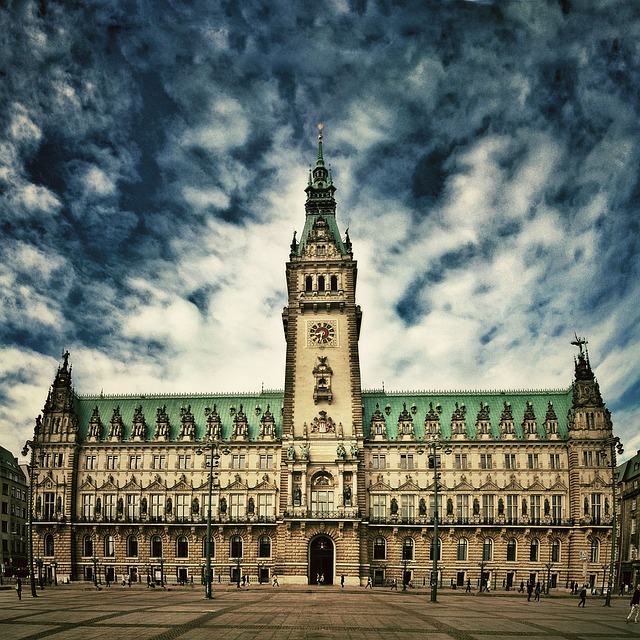
Hamburg Rathaus
In Hamburg, Germany .
More places to visit in Hamburg
Discover more attractions and things to do in Hamburg.
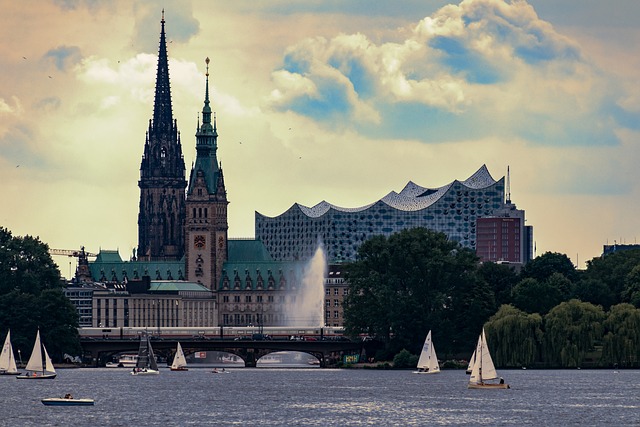
Alster Lakes
The Alster Lakes , Hamburg's liquid heart since their 1190 creation via medieval dams, offer 160 hectares of recreational bliss encircling the city center. The Inner Alster 's 7km Jungfernstieg promenade – Europe's first paved shopping street (1838) – buzzes with cafes serving traditional Pharisäer coffee laced with rum. Sailors navigate by the 60-meter Alster Fountain , powered by original 1912 hydraulics, while winter transforms the lake into a 73-hectare ice rink maintained using 17th-century ice-cutting tools. The Outer Alster 's wooded shores conceal protected swan colonies documented since 1664 and 19th-century villas with private boat houses hosting summer jazz concerts. Beneath the surface, 18th-century filter galleries purify stormwater through layers of sand and charcoal, sustaining the lake's renowned clarity. From the Alsterpark 's rose gardens to the Schwanenwik 's floating restaurants, these man-made marvels remain Hamburg's timeless playground for all seasons.
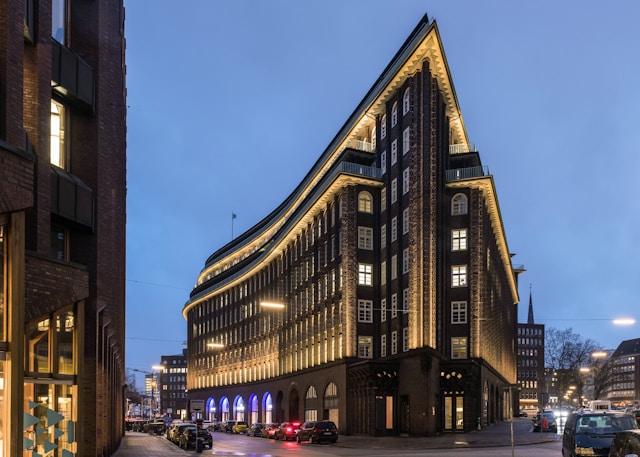
Chilehaus
The Chilehaus , a 1924 Expressionist icon , soars like a stone ship over Hamburg's Kontorhaus District with its revolutionary clinker-brick facade. Architect Fritz Höger designed the 10-story office building's 45-degree angles to maximize natural light for pre-electricity clerks, using 4.8 million bricks fired from Elbe clay. The eastern facade's unrestored WWII shrapnel scars coexist with courtyard columns mimicking ship masts complete with iron "rigging". Inside, 1.2 million glass mosaic tiles depict Chilean copper mines and nitrate fields – tributes to Hamburg's South American trade empire. The underground archive preserves 1920s shipping manifests, while the Chilehaus Kantine still serves traditional Curanto stew from original enamel cookware. Nightly illuminations highlight 37 distinct brick hues, creating a fiery crown above the UNESCO-protected "stone jungle" of surrounding Kontorhäuser.
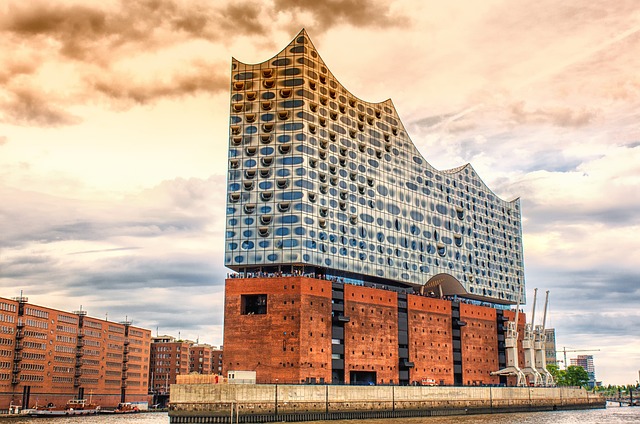
Elbphilharmonie
The Elbphilharmonie , Hamburg's crystalline architectural icon , redefines modern concert hall design through its fusion of industrial heritage and cutting-edge acoustics. Built atop the 1966 Kaispeicher A warehouse, its 1,100 curved glass panels reflect the Elbe River's ever-changing light, creating a shimmering "iceberg" illusion visible across the city. The 26,000-ton structure rests on 1,800 concrete piles driven 25 meters into the riverbed to withstand North Sea storm surges. Inside, the Grand Hall revolutionizes acoustics with 10,000 individually shaped gypsum fiber panels and a "vineyard" seating layout placing every audience member within 30 meters of the stage. The 82-meter-long Tube Escalator – Europe's longest curved escalator – transports visitors to the 37-meter-high Plaza, offering panoramic views stretching to the Airbus plant. Beneath the wave-like roof, a seawater heat pump system harnesses the Elbe's thermal energy for eco-friendly climate control. Nightly LED projections transform the facade into a canvas of maritime light art, while the Kaistudios host experimental sound installations in preserved warehouse spaces. Since its 2017 opening, this Herzog & de Meuron masterpiece has become Hamburg's cultural lighthouse, blending historical preservation with avant-garde design.
HafenCity
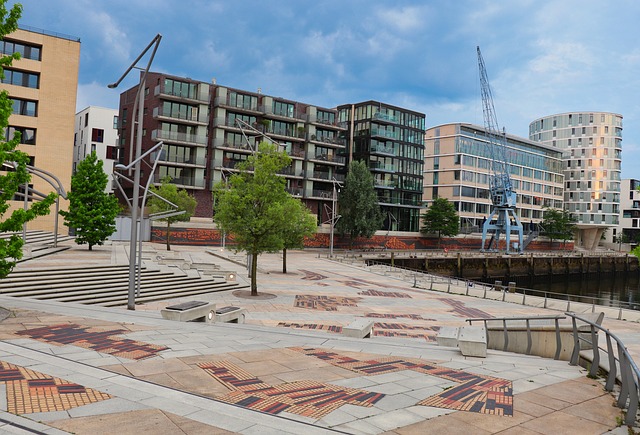
HafenCity , Europe's largest urban regeneration project , reimagines 157 hectares of abandoned docks into a climate-resilient district elevated 8 meters above historic flood levels. The Marco Polo Tower 's twisted glass facade mimics wind-filled sails, rotating 360° for solar optimization, while the Unilever HQ floats on 1,800 recycled concrete piles preserving a medieval shipwreck beneath its lobby. This eco-pioneer district runs on a hydrogen-powered heating grid recycling waste from nearby factories and stores 20 million liters of rainwater in underground cisterns. Cultural landmarks include the Elbe Philharmonic and the International Maritime Museum housed in Kaispeicher B's 1878 red-brick fortress. The 2015 Elbe Tunnel Viewing Platform reveals 116-year-old ceramic tiles through glass floor panels, while Magellan Terraces automatically deploy flood barriers during storm surges. Once complete in 2030, HafenCity will provide 14,000 sustainable homes and 45km of public promenades redefining urban waterfront living.
Planten un Blomen
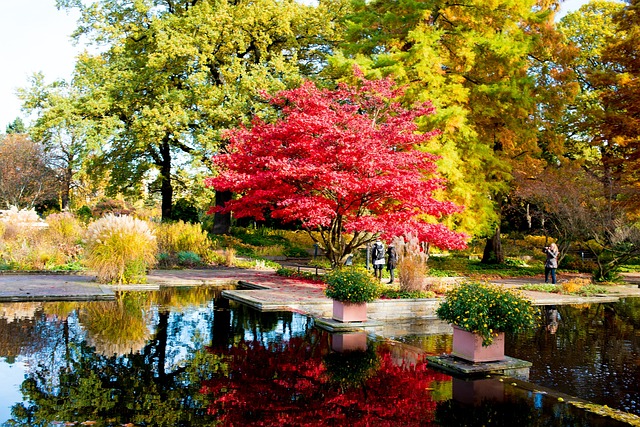
Planten un Blomen , Hamburg's 47-hectare urban oasis , masterfully blends botanical diversity with Baroque garden design across six distinct thematic zones. The park's crown jewel is Europe's largest Japanese Garden outside Japan, featuring authentic tea ceremonies, koi ponds, and a 1929 stone lantern gifted by Hamburg's sister city Osaka. The Old Botanical Garden conserves 18th-century medicinal herbs once cultivated for Hamburg's apothecaries, while the Tropical House nurtures vanilla orchids from Germany's former colonies. From May to September, the Water Light Concerts choreograph 80 fountain jets to classical music using 1940s analog control systems – a nightly spectacle drawing 500,000 annual visitors. Winter transforms the park into Northern Germany's largest Ice Skating Trail , with 6,000m² of LED-lit tracks winding past heated pavilions serving Feuerzangenbowle. Beneath the rose garden lies a WWII flak bunker converted into a sustainable mushroom farm supplying local restaurants. The park's Green School offers workshops on urban beekeeping and medieval dye plants, continuing its educational mission since Frederick III's 1821 horticultural reforms.
Reeperbahn
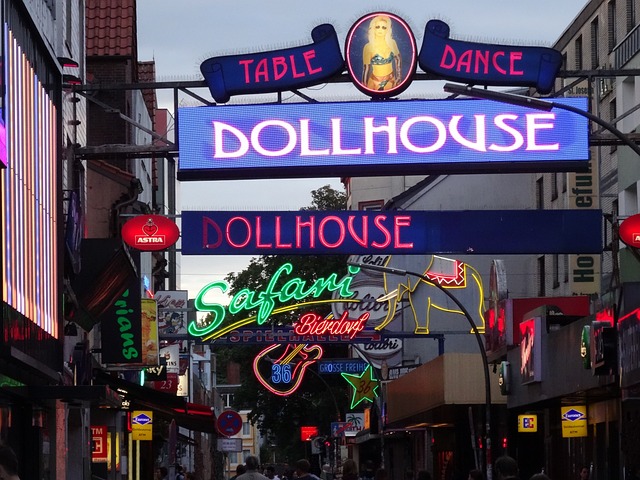
The Reeperbahn , Hamburg's infamous entertainment mile , evolved from 17th-century ropewalks supplying ships' rigging into Europe's most eclectic nightlife district. The Beatles honed their craft through 281 nights at Indra Club in 1960, sleeping in bunk beds now preserved behind glass. By day, explore the Erotic Art Museum 's 2,000-year collection in a WWII bunker or the Operettenhaus theater's 1912 stage surviving Allied bombs. At night, 300+ bars and clubs pulse with energy from the Große Freiheit jazz cellars to the Moondoo 's AI-generated light shows. The Davidwache police station charms with stained-glass maritime rescue scenes, while Beatles-Platz 's steel sculptures play hidden recordings of "She Loves You". Despite its "sinful" reputation, 24/7 street cleaning funded by a vice tax maintains safety, and Sunday morning Fish Market crowds dance to live bands amid flower stalls – a tradition since 1703.
Speicherstadt
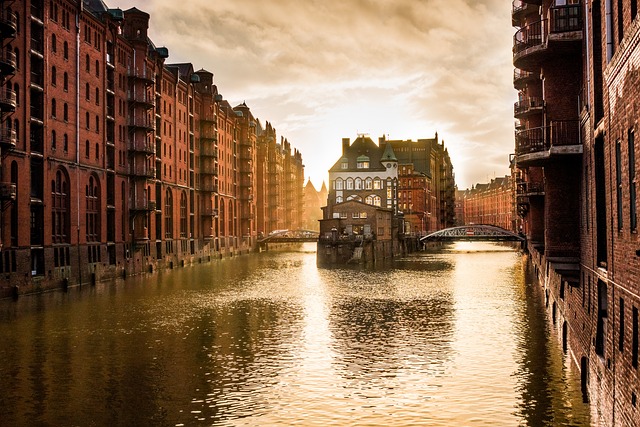
Speicherstadt , the world's largest historic warehouse complex , embodies Hamburg's mercantile soul through its neo-Gothic brick canyons and labyrinthine canals. Built between 1885-1927 on 3.5 million oak pilings driven into Elbe mudflats, this UNESCO site stored precious commodities like coffee, spices, and Persian carpets during Germany's colonial era. The district's 17 block-long warehouses feature 300,000 riveted steel beams and 2,300 ornate gables designed to deter theft through symbolic intimidation. Today, Block O houses Miniatur Wunderland's Guinness-record model railway with 1,300km of track, while Kaffeebörse warehouse 4 preserves a 1900 pneumatic tube system that once transported 400kg coffee sacks hourly. The 2017 HafenCity expansion raised the entire district 8 meters using hydraulic jacks to combat rising sea levels. Night boat tours reveal secret tide gauge marks showing 1946 and 1962 flood lines etched into warehouse walls. From October to March, the Speicherstadt Christmas Market illuminates cobbled courtyards with maritime-themed light installations, maintaining the area's legacy as Hamburg's "warehouse of wonders".
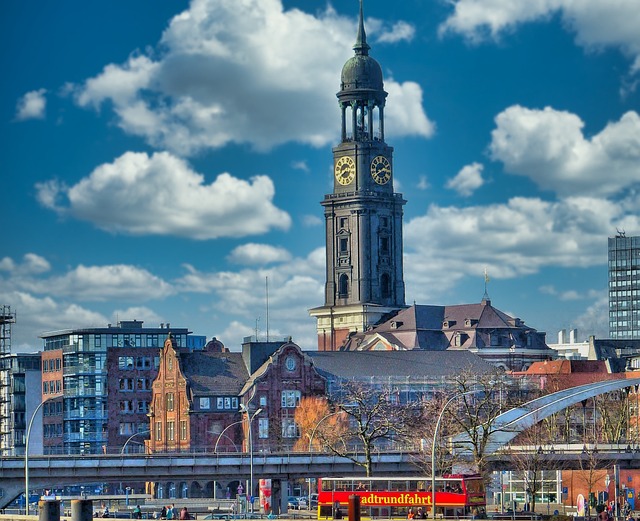
St. Michael's Church
St. Michael's Church , affectionately called "Michel", dominates Hamburg's skyline with its 132-meter copper-clad spire – a nautical landmark visible 40km out at sea. Rebuilt three times after lightning strikes and WWII bombs, this Baroque marvel houses Germany's largest church clock (8m diameter) and a 1912 carillon playing daily hymns on 51 bells. The crypt contains 2,425 burial niches, including composer Carl Philipp Emanuel Bach's remains and a 17th-century plague doctor's sealed coffin. Ascend 452 steps to the whispering gallery , where voices mysteriously carry across the 27-meter dome, then onward to the tower's astronomical platform offering telescope views of the Elbe estuary. The nave's 1786 bronze baptismal font survived seven fires by being cast from melted-down medieval bells, while recent restorations uncovered 1644 frescoes depicting Hamburg's Great Fire. Night tours demonstrate the original 1902 gaslight system illuminating the nave's golden capitals – a warm glow unchanged for modern worshippers.
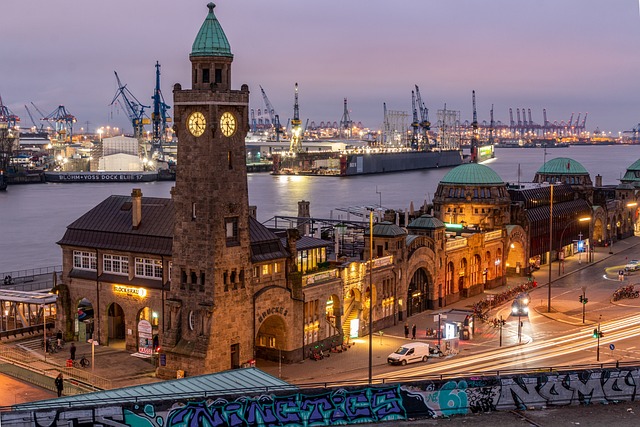
St. Pauli Piers
The St. Pauli Piers , or Landungsbrücken, serve as Hamburg's maritime gateway with their 1909 floating promenade resting on 6,000 preserved oak pilings. Board the Cap San Diego museum ship to explore 1960s container technology that revolutionized global trade, or descend via 1911 art nouveau elevators into the Old Elbe Tunnel – a 426-meter engineering marvel with ceramic-tiled arches. Modern ferries depart for Blankenese 's villa-lined shores, while sunset cruises pass the Rickmer Rickmers windjammer's illuminated sails. The Pier 3 night market serves seafood grilled on century-old fishing smacks, accompanied by shanty choirs. Don't miss the Tide Table Globe tracking Elbe's 3.6-meter tidal range crucial for mega-ship navigation. From the Überseebrücke viewpoint, watch Airbus A380 wings being loaded onto cargo ships – a nightly ballet of Hamburg's industrial might.