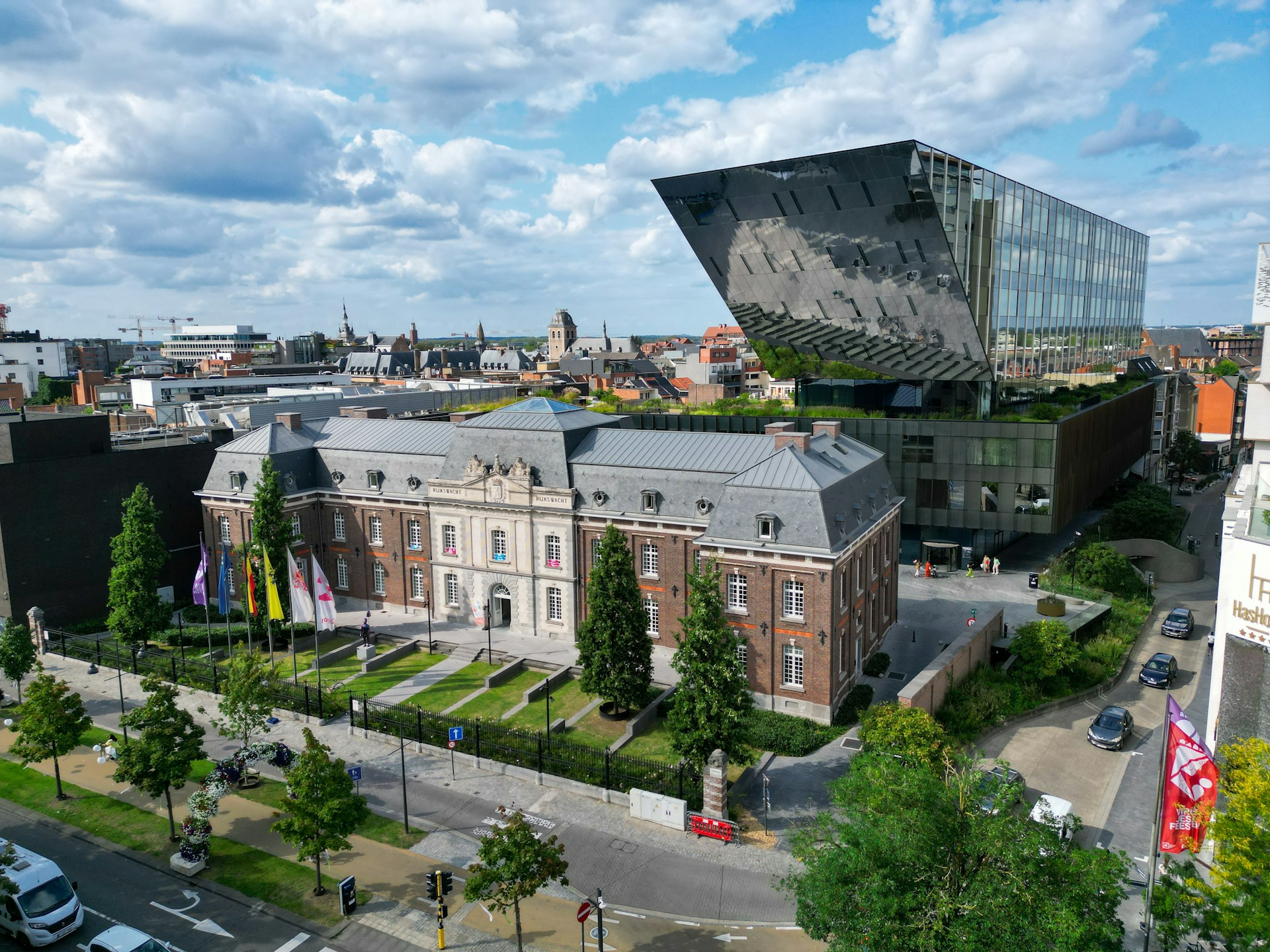

City view of Hasselt, Belgium

Hasselt

Hasselt, the capital of the Limburg province, is known for its fashion and gin culture. The city's Fashion Museum showcases a rotating collection of contemporary and historical garments. Hasselt is also home to the Jenever Museum, where visitors can learn about the history of Belgium's famous gin-like liquor. The Japanese Garden is the largest of its kind in Europe, offering a serene retreat. Every September, Hasselt hosts the Pukkelpop Music Festival, attracting music lovers from around the world.

Top attractions & things to do in Hasselt

If you’re searching for the best things to do in Hasselt, this guide brings together the top attractions and must-see places to visit in Hasselt. The top picks below highlight the most visited sights for first-time visitors, plus a few local favorites worth adding.

Fashion Museum (Modemuseum Hasselt) in Hasselt, Belgium

Fashion Museum (Modemuseum Hasselt)

Hasselt’s Fashion Museum, or Modemuseum, is a unique institution that explores the world of fashion through its diverse exhibitions. It was founded in 1987 and is housed in a former monastery. The museum's collections and rotating exhibits showcase everything from historical garments to contemporary fashion pieces by renowned designers. It also hosts temporary exhibits that highlight specific themes or iconic fashion moments. Modemuseum Hasselt provides a fascinating insight into the evolution of clothing and style, making it a cultural hub for both fashion enthusiasts and casual visitors. The museum also plays a significant role in celebrating Hasselt's reputation as a fashionable city. The “Fabric of Power” exhibit explores how royalty used textiles to project authority, featuring a 16th-century Habsburg court gown. A digital wardrobe lets visitors “try on” 3D-rendered historical outfits. The museum’s archives include sketches by Belgian avant-garde designer Martin Margiela, donated from his private collection.
Ads place
Ads place
Ads place
Ads place
Ads place
Herkenrode Abbey in Hasselt, Belgium

Herkenrode Abbey

Once one of the wealthiest abbeys in Europe, Herkenrode Abbey is a stunning site located just outside Hasselt. Founded in 1182, this Cistercian abbey was a thriving center of religious and economic activity until its destruction during the French Revolution. Today, the site has been partially restored, offering a museum and tranquil gardens where visitors can learn about the abbey’s rich history and its role in the region. The herb garden is particularly impressive, boasting over 500 medicinal plants. Herkenrode Abbey is a peaceful, scenic spot perfect for history buffs and nature lovers alike. The abbey’s crypt houses a rare 13th-century fresco depicting the Last Judgment, uncovered during 2019 renovations. The on-site apiary produces honey using methods documented in medieval manuscripts. Each summer, the abbey hosts a Gregorian chant concert series in its Gothic chapel, echoing its spiritual legacy.
Ads place
Ads place
Ads place
Ads place
Ads place
Japanese Garden in Hasselt, Belgium

Japanese Garden

The Japanese Garden, nestled within Nordpark, is a serene oasis gifted by Düsseldorf's Japanese community in 1975. Designed by Iwaki Ishiguro, it features kare-sansui (dry landscape) zones, koi ponds, and a teahouse hosting traditional tea ceremonies. Cherry blossoms bloom in April, while maple trees blaze red in autumn. Stone lanterns, a wooden Taiko-bashi drum bridge, and a cascading waterfall evoke Kyoto's aesthetics. The garden symbolizes the city's post-war reconciliation with Japan, home to Europe's third-largest Japanese population. Meditative paths pass Zen rock arrangements and bamboo groves. Seasonal events like Hanami (flower viewing) and Ikebana exhibitions celebrate cultural exchange. This meticulously curated space offers a tranquil counterpoint to Düsseldorf's urban bustle. The garden's "Moon Viewing Platform" aligns with the autumn equinox, offering a celestial spectacle. Rare Japanese black pines, pruned using centuries-old techniques, frame the pond's reflective surface. In 2023, the garden introduced a Shakuhachi flute performance series, enhancing its immersive cultural ambiance.
Ads place
Ads place
Ads place
Ads place
Ads place
Jenever Museum in Hasselt, Belgium

Jenever Museum

Hasselt is famously known as Belgium’s jenever capital, and the Jenever Museum explores this rich heritage. The museum is located in a former distillery, offering a deep dive into the history, production, and cultural significance of jenever, a traditional Belgian spirit. Interactive exhibits guide visitors through the distillation process, and tastings are available to experience the distinct flavors firsthand. The museum also displays artifacts like old bottles, advertisements, and equipment used in jenever production. It's a must-visit for spirit enthusiasts and those interested in the cultural fabric of Hasselt, combining history with a sensory journey into Belgian tradition. The museum’s “Jenever Alchemy” workshop teaches visitors to craft personalized blends using 19th-century recipes. A rare 1806 copper still, salvaged from a closed distillery, is the centerpiece of the production exhibit. During the annual Hasselt Jenever Festival, the museum hosts master distillers demonstrating traditional barrel-aging techniques.
Ads place
Ads place
Ads place
Ads place
Ads place
Saint Quentin Cathedral in Hasselt, Belgium

Saint Quentin Cathedral

At the heart of Hasselt, Saint Quentin Cathedral is one of the city’s most iconic landmarks. This Gothic church, named after Saint Quentin, dates back to the 11th century, though its structure has been modified over the centuries. Its impressive architecture includes a massive bell tower and intricate stained-glass windows. The cathedral also houses a number of beautiful artworks, including sculptures and altarpieces, that span different periods of art history. The interior offers a quiet, spiritual atmosphere, ideal for reflection or admiration of religious art. Saint Quentin Cathedral is not only a place of worship but a historical and architectural treasure in Hasselt. The cathedral’s Carillon of 49 bells, installed in 1982, plays Flemish folk tunes every Saturday noon. A recently restored 14th-century fresco in the nave depicts the martyrdom of Saint Quentin. During Advent, the cathedral hosts a luminous light installation projecting biblical scenes onto its vaulted ceilings.
Ads place
Ads place
Ads place
Ads place
Ads place